Nana Wu

Power, precision, and pure flair define the second installment of our definitive list. As the countdown to the world’s number one rugby player intensifies, we turn our gaze to the game-breakers and the granite-hard engines currently dominating the global stage.
Following an opening segment that was heavily weighted toward the grit and graft of the forward pack, the pendulum has swung. In the 40-31 bracket, the balance shifts to the backs—who account for six of these ten positions—while still maintaining a heavy-hitting presence in the second row. From the tactical brilliance of fly-halves to the raw, immovable force of modern locks, this group represents the technical evolution of professional rugby.
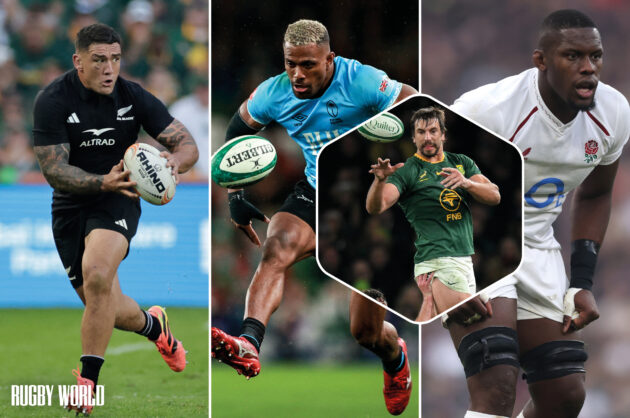
The Rankings: 40 to 31
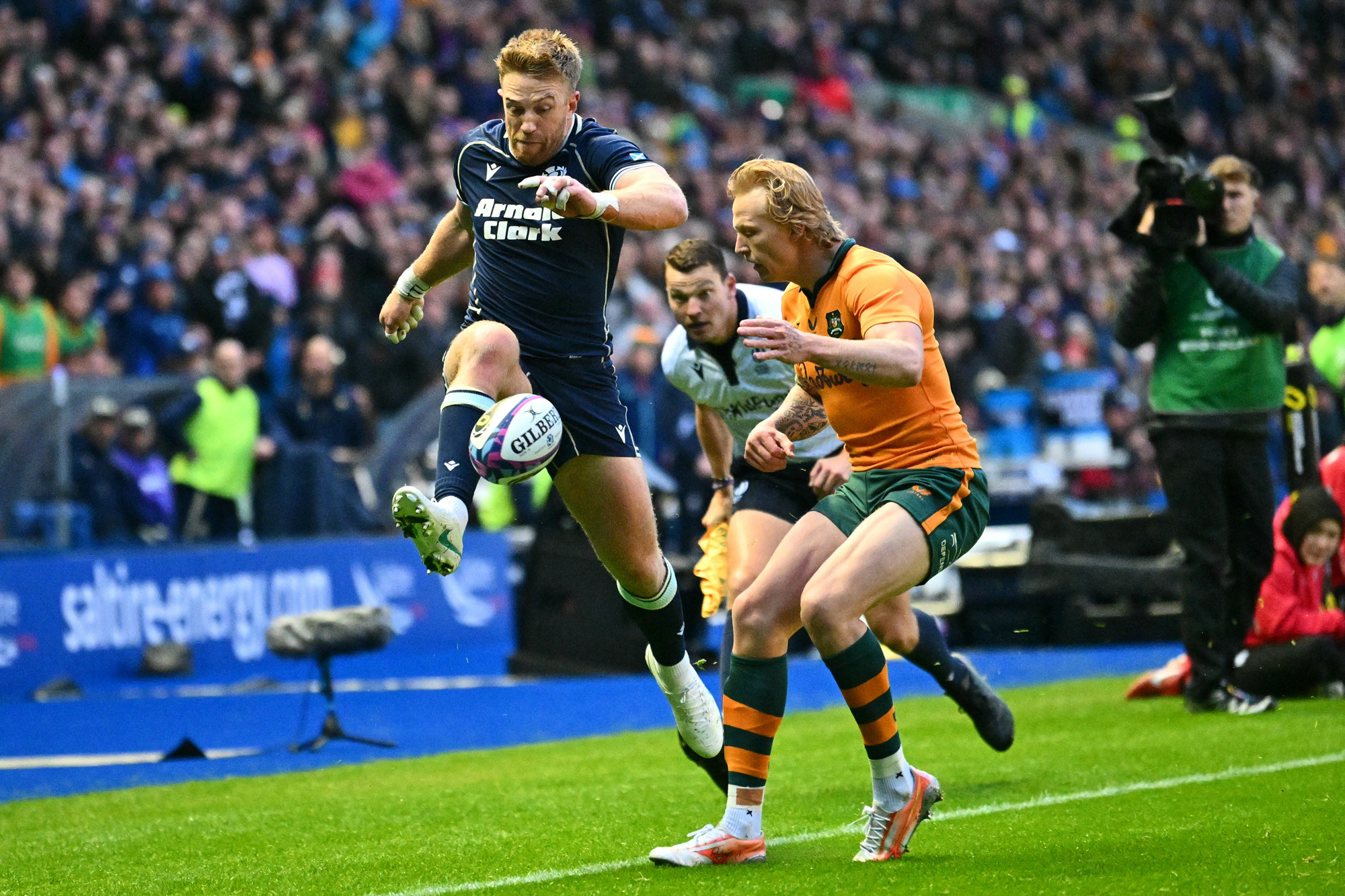
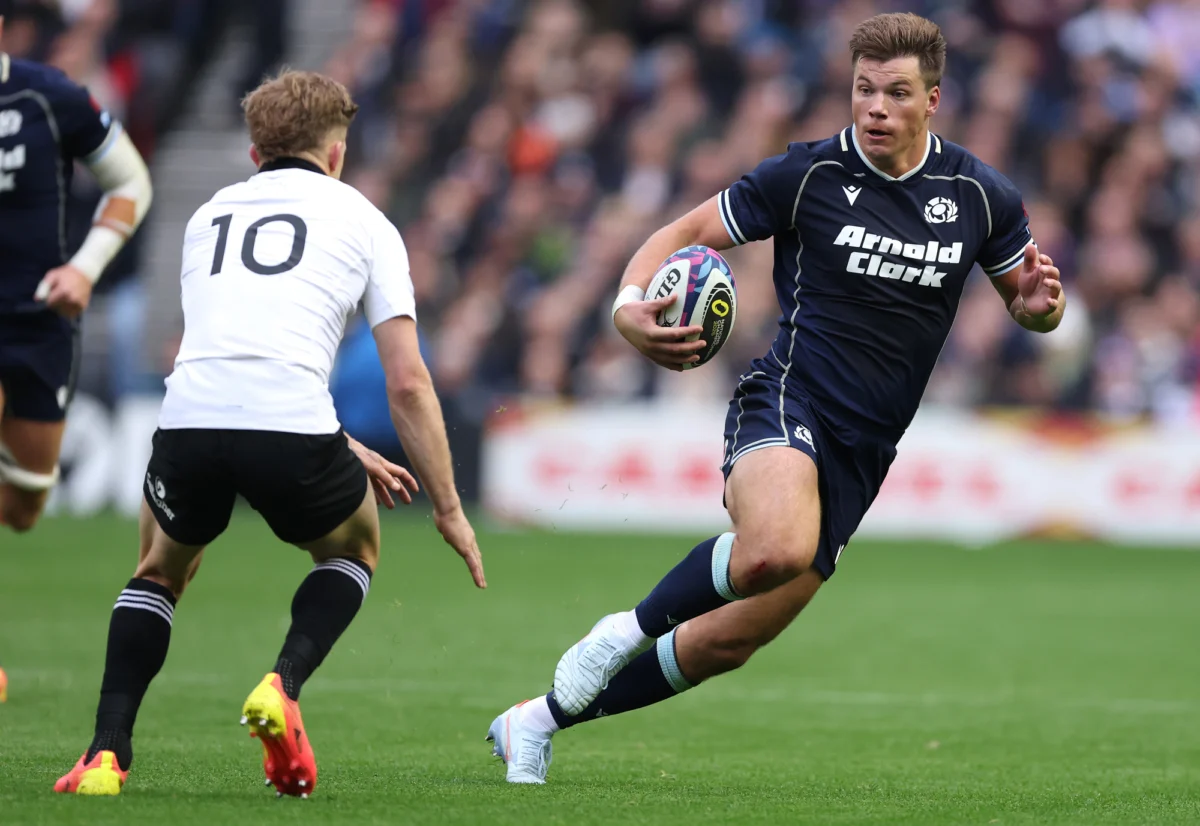
40. Kyle Steyn (Glasgow Warriors / Scotland)
As the captain of the Glasgow Warriors, Kyle Steyn has evolved into one of the most complete wingers in the game. Often overlooked in favor of flashier names, Steyn’s consistency is his greatest asset. He is a master of the aerial contest, a cerebral defender, and an tireless worker in the dark phases of play. His 2026 Six Nations campaign was statistically unparalleled, as he beat a tournament-high 26 defenders. He is a quintessential "coach’s player" and a vital component of Gregor Townsend’s tactical machine.
39. Santiago Carreras (Bath / Argentina)
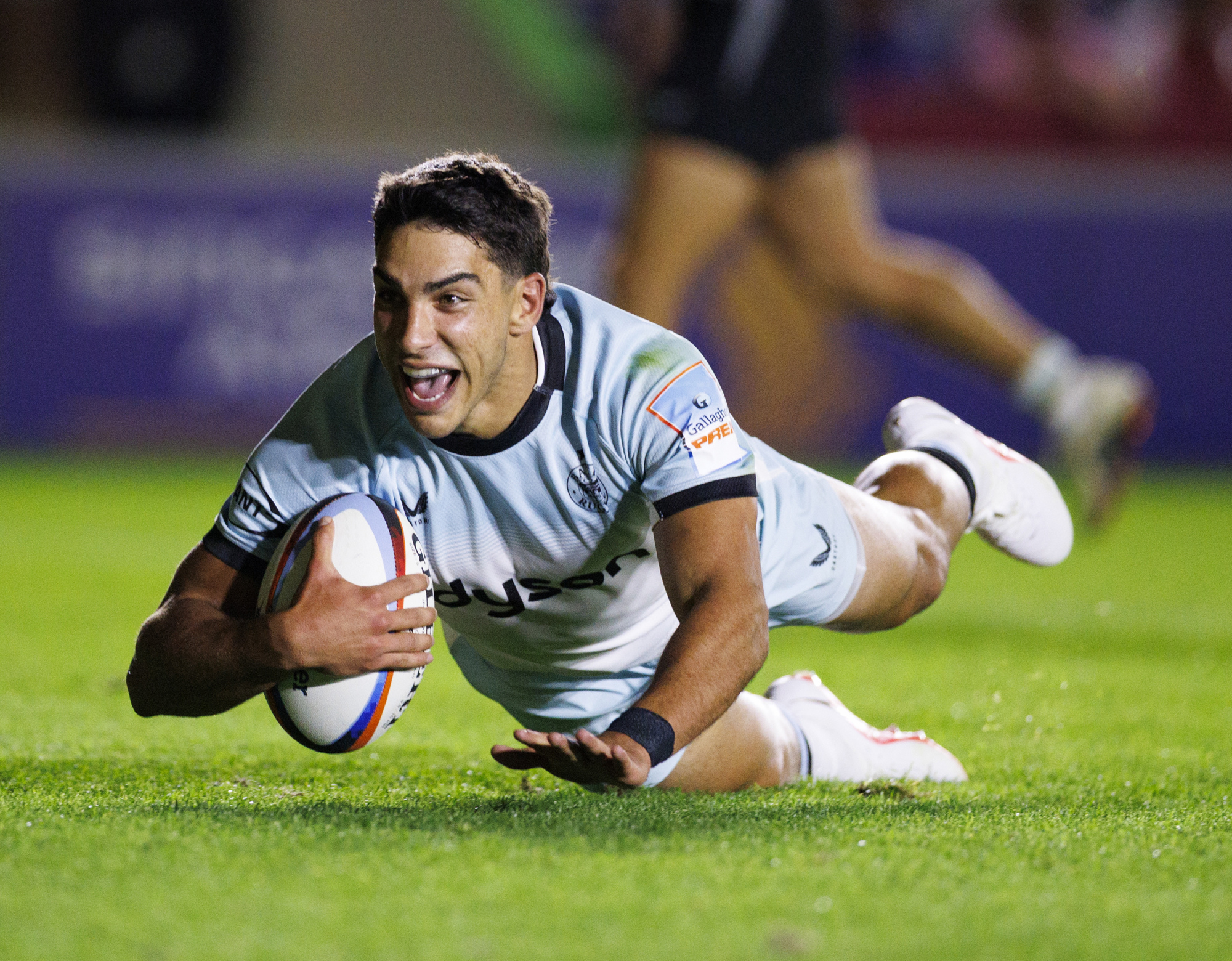
There is an effortless grace to Santiago Carreras that harks back to the golden era of Argentine playmakers like Juan Martín Hernández. Whether operating at full-back or fly-half, Carreras possesses a rare combination of vision and speed. His recent performance for Bath against Harlequins—a clinical interception and a nonchalant, long-range sprint to the try line—highlighted his ability to turn a mundane moment into a highlight-reel finish.
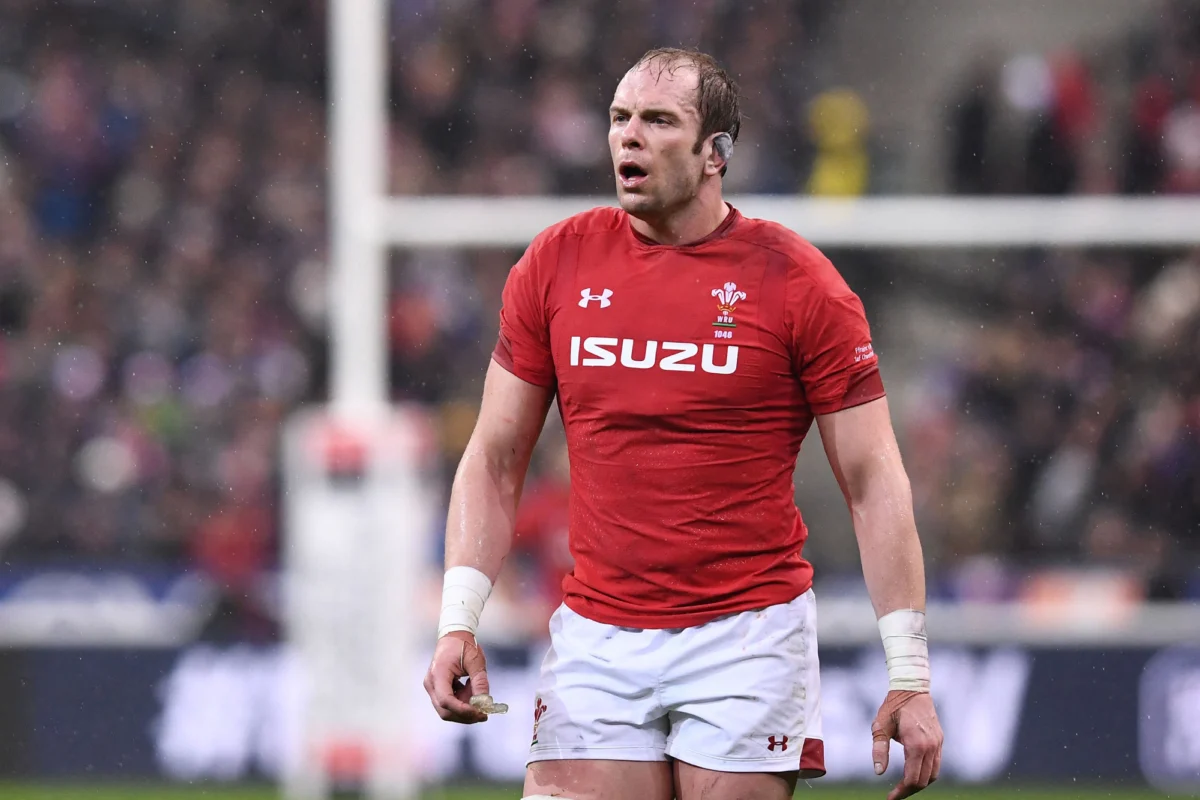
38. Tomos Williams (Saracens / Wales)
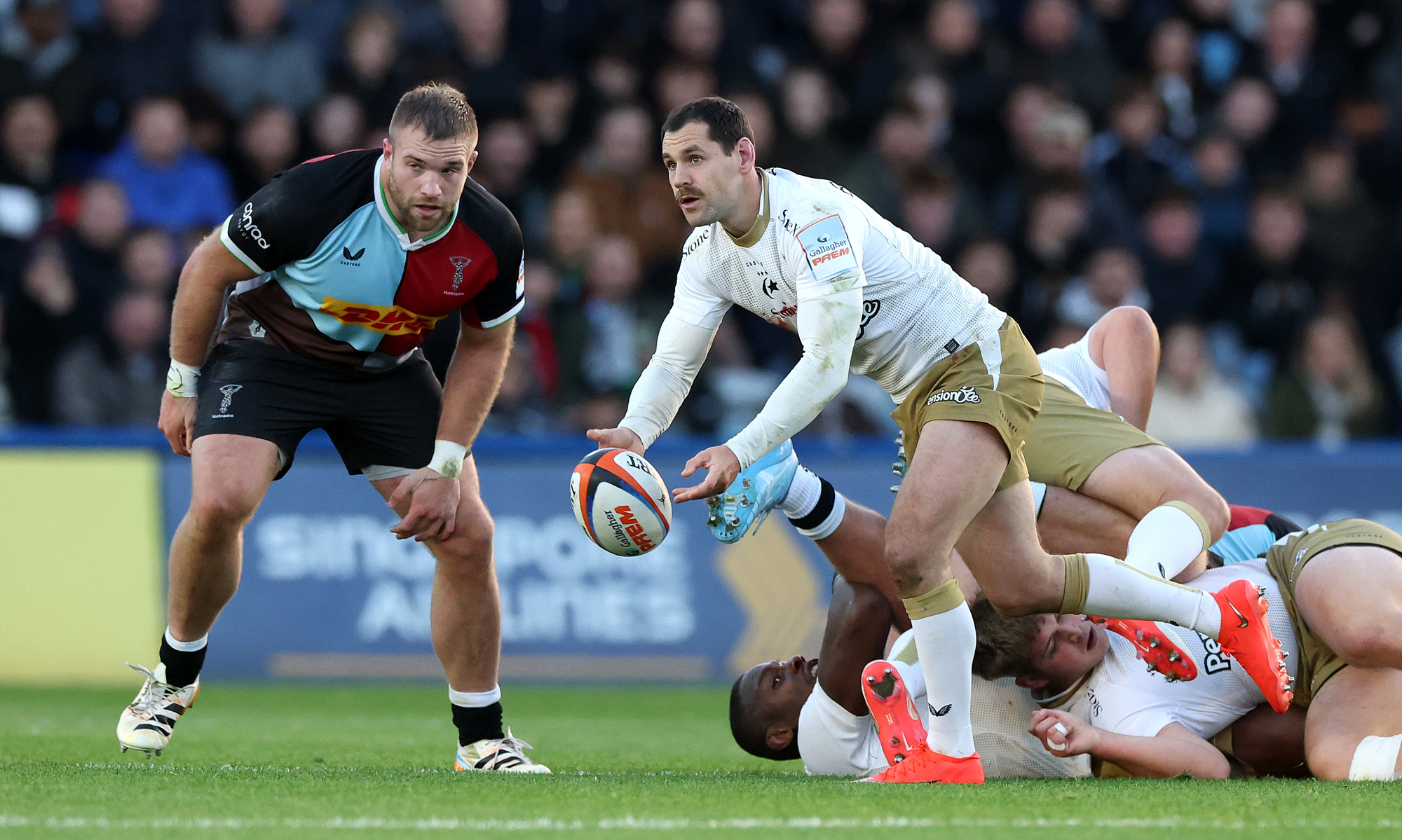
Tomos Williams is a scrum-half of supreme pedigree, blessed with the elusive "X-factor" that cannot be taught. His ability to manipulate defensive lines through rapid service and opportunistic sniping is elite. The consensus among the Rugby World panel is that if Williams were operating behind a more dominant, front-foot pack at the international level, he would be a lock for the top 20. He is a maestro waiting for the perfect stage.
37. Maro Itoje (Saracens / England)
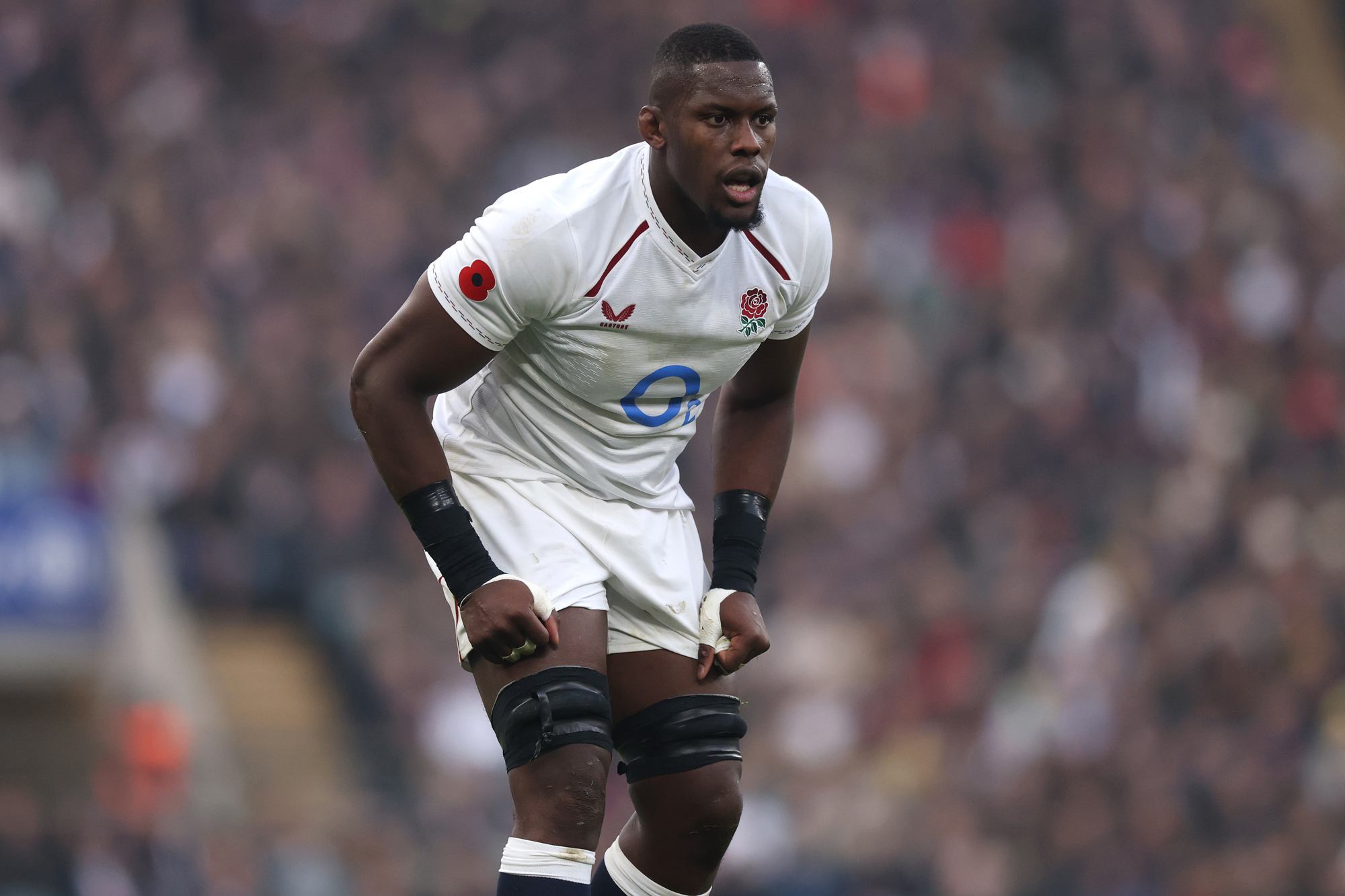
Maro Itoje’s inclusion in the top 40 is a testament to his enduring quality and psychological resilience. Having navigated a personally devastating year, Itoje has reclaimed the form that established him as the world’s premier defensive lock. Whether it is disrupting the opposition lineout, jackaling at the breakdown, or anchoring the scrum, his work rate remains staggering; he crossed the 1,139-tackle mark en route to his 100th England cap this year.
36. Sione Tuipulotu (Glasgow Warriors / Scotland)
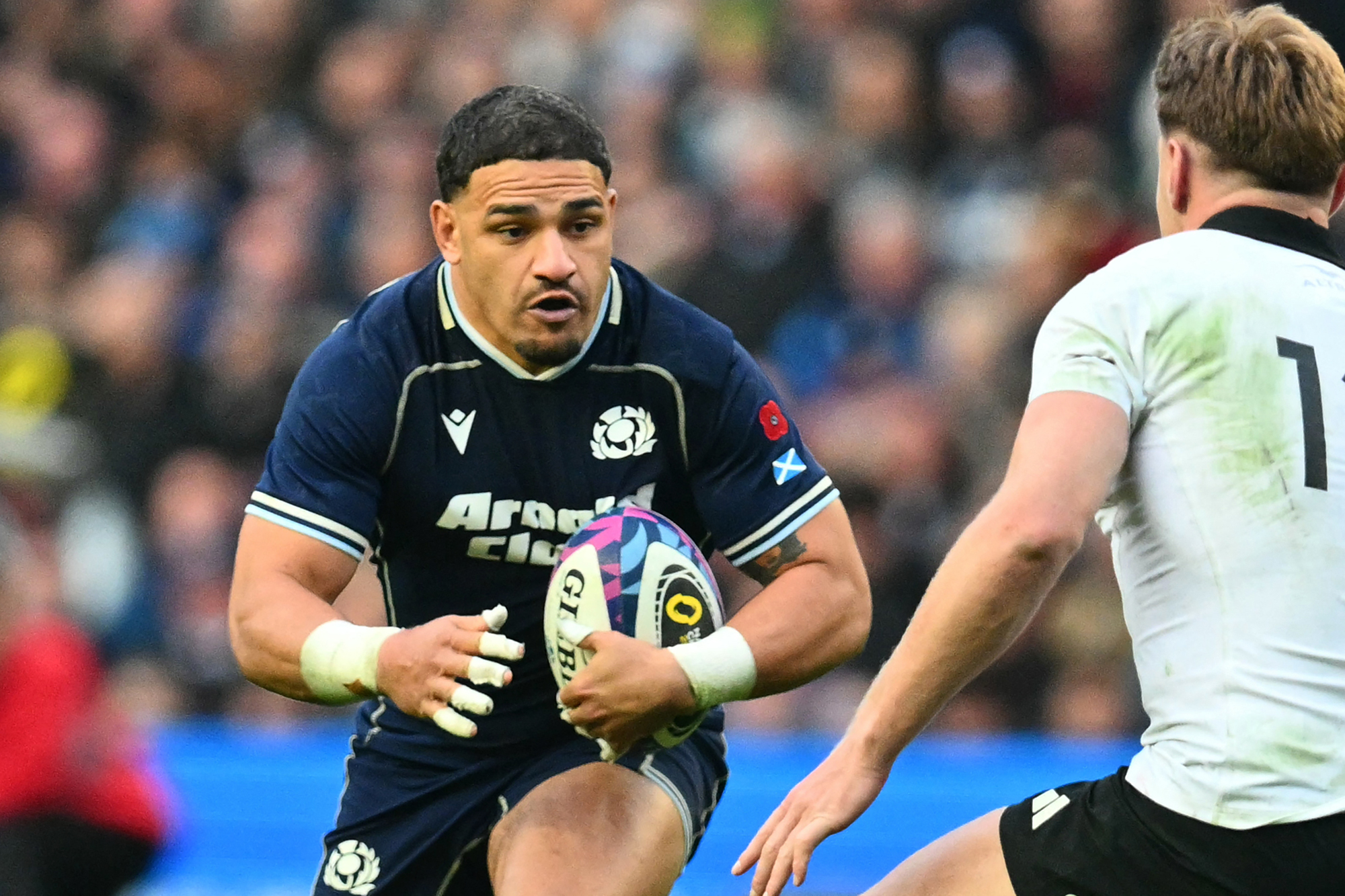
Sione Tuipulotu is the primary catalyst for Scotland’s recent attacking fluidity. Operating as a ball-playing center with the physicality of a back-rower, he serves as the perfect foil for Finn Russell. His ability to fix defenders with his eyes before delivering an offload is a nightmare for opposition coaches. A British & Irish Lion in 2025, Tuipulotu is now the heartbeat of a Scottish side looking to translate flair into silverware.
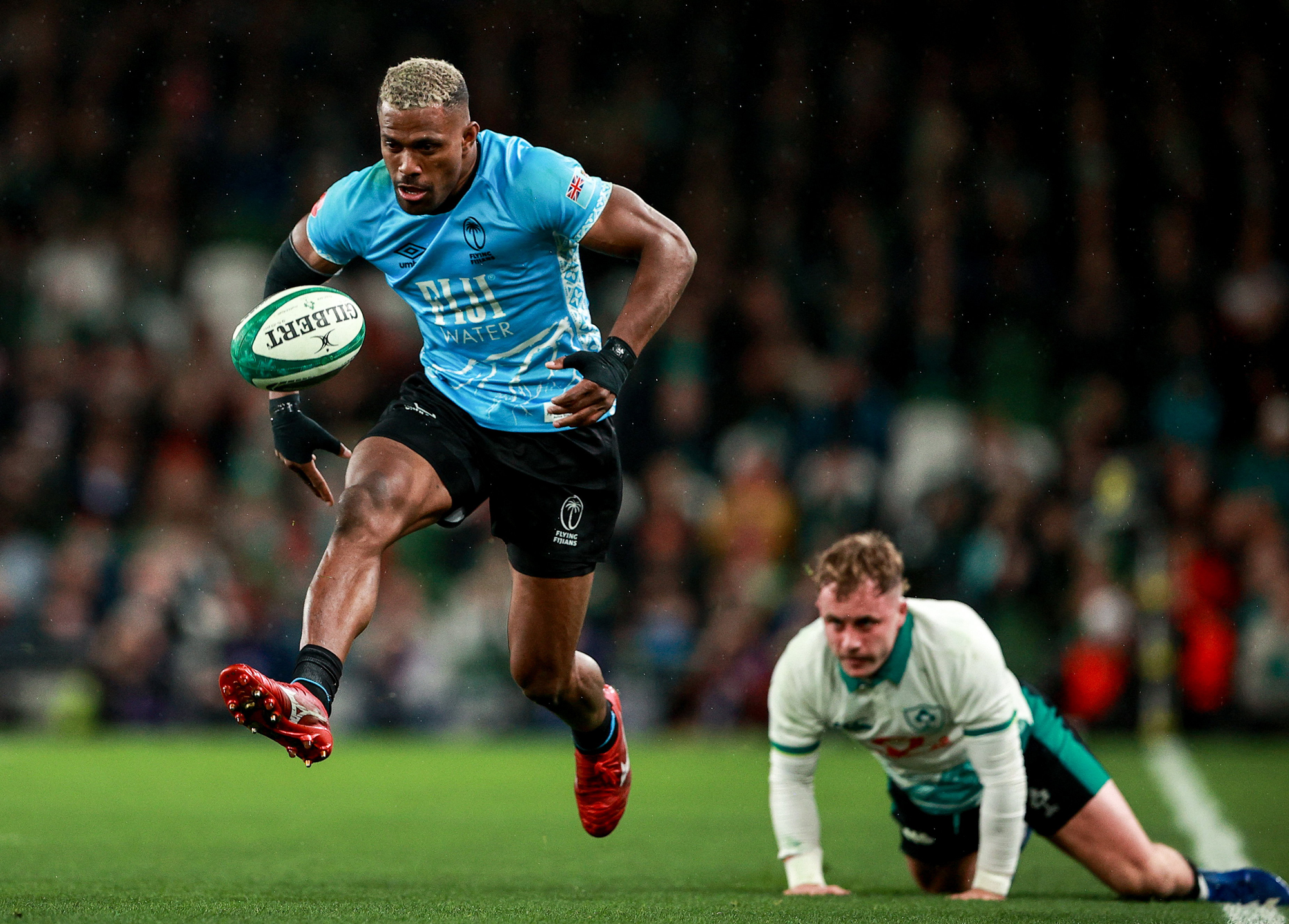
35. Juita Wainiqolo (Lyon / Fiji)
In a sport increasingly dominated by structured defensive systems, Juita Wainiqolo is an artist of chaos. Scoring 18 tries in a single Top 14 season—while playing for a mid-table Lyon side—is a feat of individual brilliance that defies logic. He possesses the classic Fijian "hip swivel" and a blistering step that allows him to exploit the smallest gaps. He represents the soul of attacking rugby: see space, attack space, score.
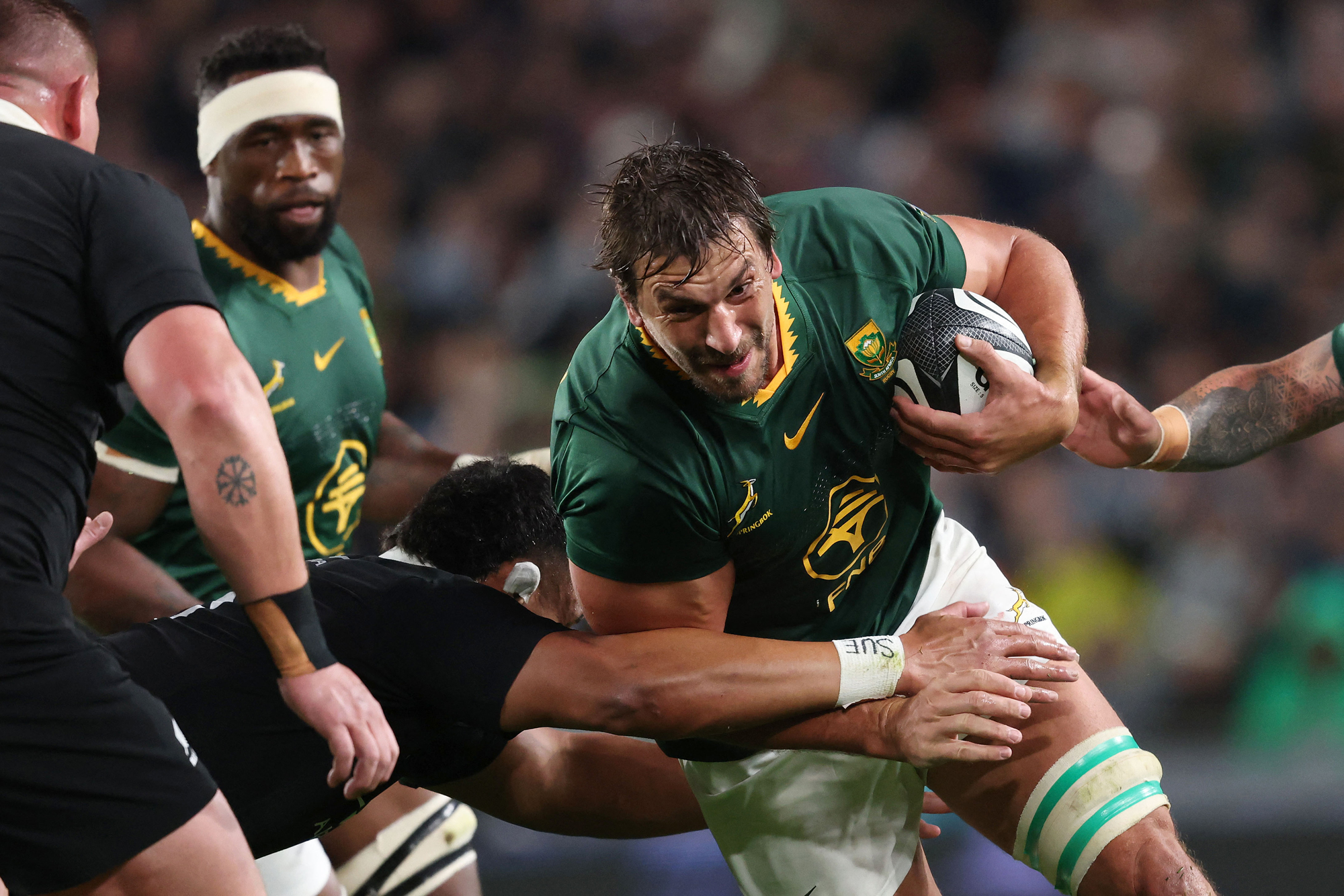
34. Eben Etzebeth (Sharks / South Africa)
The successor to the legendary Victor Matfield, Eben Etzebeth has transcended the role of a traditional lock. As the most-capped Springbok in history and a double World Cup winner, his status as a modern great is cemented. Even at 36, his physicality remains intimidating, and his tactical understanding of the set-piece is unrivaled. He is the ultimate enforcer, and few would bet against him securing a third World Cup title.
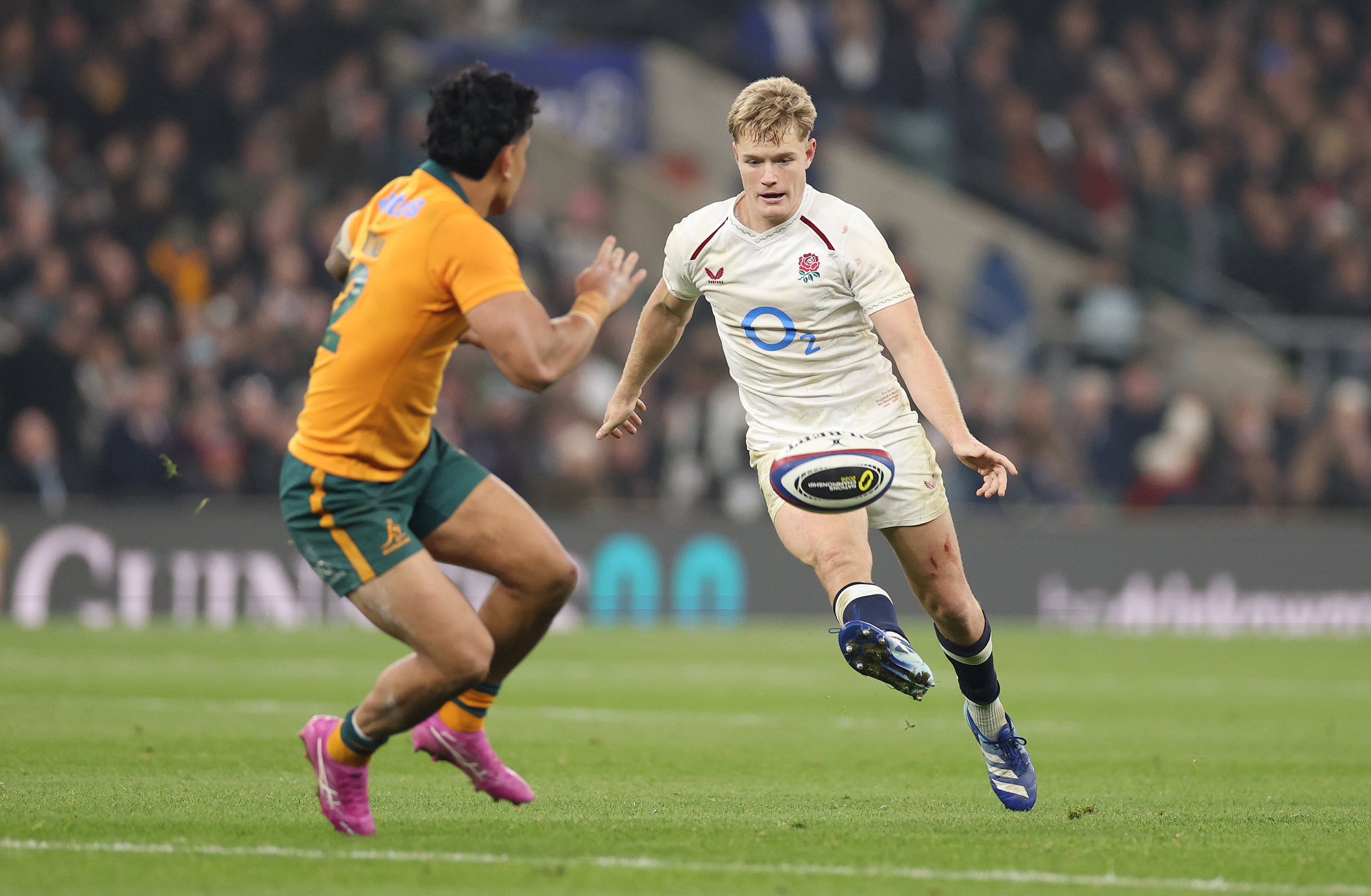
33. Fin Smith (Northampton Saints / England)
Fin Smith is the cerebral face of the new generation of fly-halves. His game management is defined by a surgical ability to hold the ball until the final millisecond, creating space for teammates. His kicking accuracy and defensive grit are reminiscent of his hero, Jonny Wilkinson. Smith is the undisputed leader of the Northampton Saints, and he is rapidly becoming the foundational piece of England’s long-term tactical strategy.
32. Codie Taylor (Crusaders / New Zealand)
All Blacks head coach Dave Rennie has often spoken of Codie Taylor’s "huge mana," a quality that has made him the natural leader of the side in the absence of Ardie Savea. A veteran hooker who contributes significantly more than just set-piece accuracy, Taylor’s mobility in the open field and his staggering record of 25 Test tries make him a unique weapon in the front row.
31. Emmanuel Meafou (Toulouse / France)
At 6ft 8in and 145kg, Emmanuel Meafou is the physical manifestation of modern rugby’s demand for "size and power." A devastating presence in the tight-five, the Kiwi-born lock has become the pillar upon which Toulouse and France build their dominance. He is capable of stopping a maul single-handedly and providing the crunching momentum required to win the "war of attrition" that defines elite-level Test rugby.
Methodology: How We Selected the Top 50
The Rugby World Top 50 is not a mere statistical output. It is the result of a rigorous, month-long consultation process involving nearly two dozen of the most respected rugby journalists across the globe.
Our selection criteria were multifaceted:
- Impact: The player’s influence on the outcome of high-stakes matches.
- Honours: Success at both club and international levels.
- Consistency: Performance stability over the course of the 2026 season.
- Excitement Factor: The subjective, yet vital, metric of how compelling a player is to watch.
By blending these objective metrics with the expert intuition of our editorial staff, we have aimed to construct a list that honors both the giants of the game and the game-breakers who keep fans on the edge of their seats.
Implications and The Path Ahead
The revelation of players 40-31 highlights a significant trend: the globalization of technical talent. We are seeing a shift where "traditional" roles are being redefined. Locks like Meafou and Etzebeth are not just set-piece specialists but primary engines of momentum, while centers like Tuipulotu are operating with the playmaking intelligence previously reserved for fly-halves.
As we move toward the top 30, the competition for the pinnacle of the sport will only intensify. The coming days will see the unveiling of the world’s elite, leading to the grand reveal of the Number One player on Tuesday, 24 November.
This countdown serves as more than just a list; it is a snapshot of where the sport stands as we head into the next major international cycle. With the 2027 World Cup cycle looming, the players featured in this countdown are the ones who will define the narrative of the sport for years to come.
Stay tuned as we continue the journey tomorrow with the reveal of players 30 through 21, and ensure you pick up the special edition of Rugby World magazine for the full analysis, deep-dive interviews, and the final unveiling of the world’s best.

 Ammar Sabilarrohman
 Jia Lissa
 Dwi Wanna

 Evan Lee Salim
 Laily UPN