
 Muslim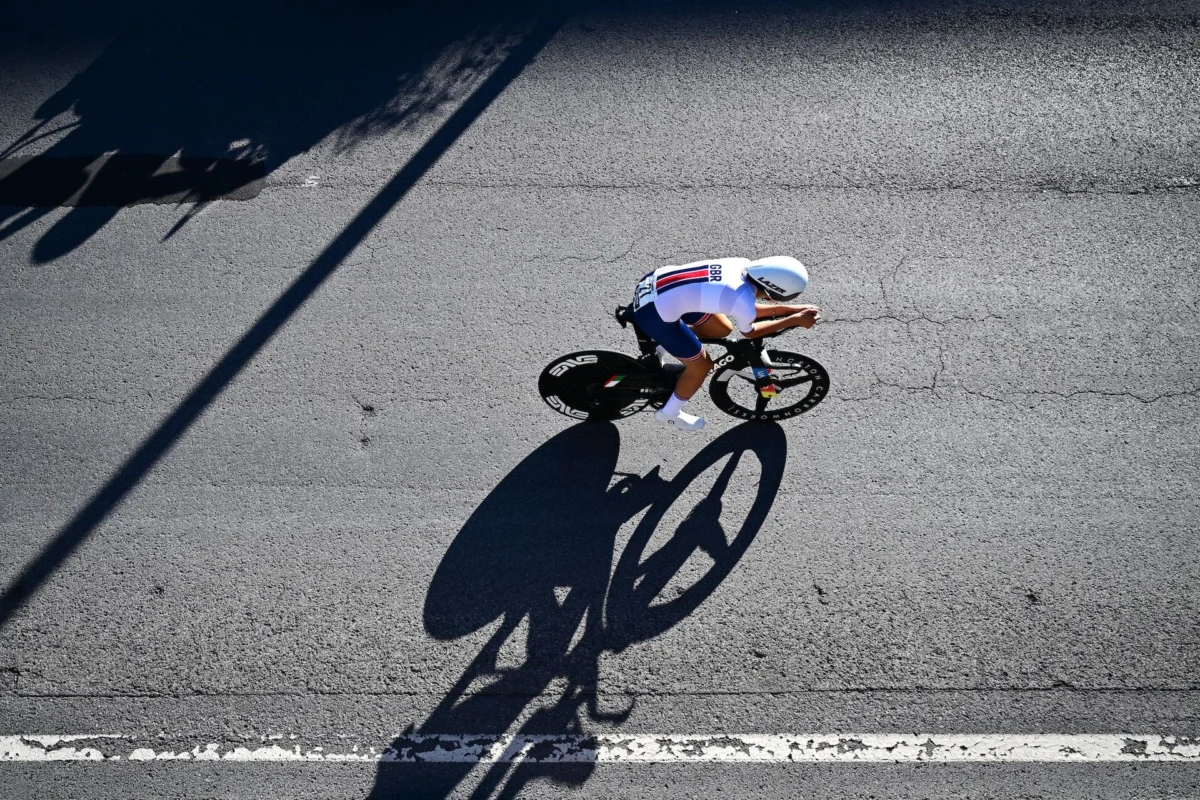
MONTREAL — Under the crisp, late-September skies of Quebec, 18-year-old Polish prodigy Maria Okrucińska delivered a masterclass in pacing, grit, and technical precision to secure the junior women’s time trial world title at the 2026 UCI Road World Championships.
Negotiating a demanding, highly technical 10.7-kilometer course through the heart of Montreal, Okrucińska stopped the clock at 15:17, maintaining a blistering average speed of 42 km/h. Her ride was not merely a victory; it was an exhibition of total dominance that left silver medalist Yana Decruyenaere of Belgium trailing by 12 seconds, while the rest of the world-class field fought for the remaining steps on the podium.
For Okrucińska, the triumph was the culmination of years of dedicated development within the European junior ranks, punctuated by the physical toll of a maximum-effort time trial that saw the newly crowned world champion collapse into the arms of team support staff mere moments after crossing the finish line.
Main Facts
The 2026 UCI Road World Championships junior women’s individual time trial will be remembered as the coming-out party for Maria Okrucińska. Competing over a short, punchy, and intensely technical 10.7km circuit in Montreal, the Polish teenager conquered both the topography and the pressure of the world stage.
- Gold Medalist: Maria Okrucińska (Poland) – 15:17
- Silver Medalist: Yana Decruyenaere (Belgium) – +12 seconds
- Course Specifications: 10.7 kilometers, featuring a technical layout with multiple sharp corners, a rolling profile, and a punishing uphill drag to the finish line.
- Key Metrics: Okrucińska averaged 42 km/h, building an early advantage at the first intermediate split before extending her lead on the final ascent.
- The Dramatic Finish: Having left every ounce of energy on the asphalt, the 18-year-old briefly collapsed past the finish line, requiring immediate medical and team attention before climbing onto the hot seat.
The victory marks a significant milestone for Polish cycling, adding a prestigious rainbow jersey to a growing palmarès of international successes at the junior and under-23 levels.
Chronology of the Race
The Calm Before the Storm: Early Starters Set the Benchmark
As the early contingent of riders rolled down the start ramp in Montreal, the weather conditions were near-ideal—dry roads, minimal wind, and temperatures hovering in the mid-teens Celsius. Early benchmarks were quickly established by Scandinavian and North American hopefuls, but the leaderboard shifted dramatically as the top-tier favorites began their respective bids against the clock.
The First Split: Okrucińska Shows Her Hand
Starting as the fourth-to-last rider of the day, Okrucińska showed no signs of pre-race nerves. Blasting out of the start gate, she adopted an aggressive cadence from the very first pedal strokes.
By the 6-kilometer time check, officials flashed the first official splits across the broadcast monitors: Okrucińska was already in the virtual leader’s jersey, holding a slender yet decisive five-second advantage over her closest rival. Her lines through the technical city-center corners were razor-sharp, demonstrating a maturity well beyond her 18 years.
The Final Climb and the Collapse
The true test of the Montreal circuit lay in its punishing finale—a leg-breaking uphill drag that favored riders who had managed their anaerobic reserves wisely. While other contenders faded under the strain, Okrucińska dug deep into her reserves, driving her pedals with relentless power up the incline.
She crossed the finish line in a time of 15:17, immediately establishing a formidable target that the remaining three starters struggled to match. Belgium’s Yana Decruyenaere put up a valiant fight, ultimately slotting into second place, 12 seconds adrift.
Immediately upon crossing the line, the physical demands of Okrucińska’s effort caught up with her. Visibly pale and completely spent, she unclipped from her pedals, drifted across the road, and briefly collapsed onto the barriers as team trainers rushed forward with water and medical assistance. Within minutes, she recovered enough to take her rightful place on the leader’s hot seat, watching the final riders fail to eclipse her benchmark time.
Supporting Data and Course Analysis
To fully appreciate Okrucińska’s performance, one must examine the unique architecture of the 2026 Montreal World Championships time trial course. Spanning 10.7 kilometers, the route was engineered to test a rider’s multi-discipline capabilities. It demanded explosive power for the flat power sections, exceptional handling skills for the complex urban bends, and pure climbing fortitude for the uphill finish.
| Metric / Parameter | Race Data |
|---|---|
| Total Distance | 10.7 km |
| Winner’s Time | 15:17 |
| Average Speed | 42.0 km/h |
| Winning Margin | 12 seconds (over 2nd place) |
| Split Advantage (6km) | 5 seconds |
Tactical Breakdown
- The Pacing Strategy: Unlike riders who blow up in the opening kilometers, Okrucińska executed a negative split profile. By pacing herself efficiently through the technical opening 6 kilometers, she preserved enough energy to accelerate over the final climb.
- Aerodynamic Equipment: Team Poland’s technical staff optimized Okrucińska’s time trial setup, ensuring minimal drag across the straightaways while maintaining bike handling stability required for Montreal’s tight street layout.
- Cornering Precision: Data telemetry from the course showed Okrucińska braking later and carrying higher apex speeds through the circuit’s five most technical 90-degree turns compared to the pre-race favorites.
Official Responses and Reactions
The weight of a World Championship title brings immediate global attention, and the reactions from the finish line captured both the emotional high of victory and the respect of the international peloton.
Speaking through a translator shortly after the medal ceremony, a beaming but still visibly fatigued Okrucińska reflected on her race:
"I cannot fully believe it yet. I knew the legs were good coming into this week, but a World Championship race is always different. The course was so hard—especially those last two kilometers where the road just goes up and your lungs burn. When I crossed the line, everything went black for a second, but seeing my coach’s face made it all worth it. This rainbow jersey is for everyone who supported me back home in Poland."
Silver medalist Yana Decruyenaere was gracious in defeat, acknowledging the superior performance of the Polish rider:
"I gave everything I had out there today. I paced it well, and I felt strong on the descents and flat sections. But Maria [Okrucińska] was simply on another level today, particularly in the second half of the course. Winning silver at the World Championships is an incredible honor, but watching someone else take gold only makes me more hungry for the future."
National team coaches and technical directors were quick to praise the tactical preparation that went into the performance. Polish Cycling Federation officials noted that Okrucińska’s victory is part of a concerted, multi-year investment in youth development programs, designed to unearth and nurture young talent for international competition.
Implications for the Future of Women’s Cycling
A junior world championship title is more than just a fleeting moment of glory; it is often the first major indicator of a future superstar in the professional WorldTour ranks. Okrucińska’s dominant display in Montreal carries profound implications for the trajectory of her career and the broader landscape of women’s cycling.
1. A Rising Star on the Radar of WorldTour Teams
With professional women’s cycling experiencing an unprecedented boom in financial investment, media coverage, and structural support, elite junior talents are being scouted earlier than ever before. Performance directors from several top-tier Women’s WorldTour squads were spotted taking notes near the finish line. Okrucińska’s ability to generate high sustained speeds over technical circuits suggests she possesses the engine required to transition successfully into the under-23 and elite professional ranks in the coming years.
2. Shift in the European Cycling Balance
While traditional cycling powerhouses like the Netherlands, Belgium, and Italy have historically dominated international time trials, Poland’s success in Montreal signals a broader geographic dispersion of talent. Okrucińska’s win follows a series of impressive results by Eastern European riders in youth categories, demonstrating that talent identification networks in the region are operating at peak efficiency.
3. Psychological Momentum for the Road Race
Beyond the time trial, the mental boost of wearing the rainbow jersey cannot be overstated. Okrucińska will now head into the junior women’s road race later in the week not just as a dark horse, but as the marquee name to watch. Rivals will be forced to mark her every move, altering team tactics across the peloton and putting the pressure squarely on the shoulders of the Polish squad to control the race.
As the sun sets over Montreal and the celebrations in the Polish camp begin, one thing is certain: Maria Okrucińska has firmly etched her name into the history books of international cycling. The 2026 junior women’s time trial will be remembered as the day a star was born on the global stage.

 Sagoh
Sagoh
 Pevita Pearce
 Iffa Jayyana
 Ali Ikhwan
 Jia Lissa
 Neng Nana

 Dwi Wanna