
 Lina Irawan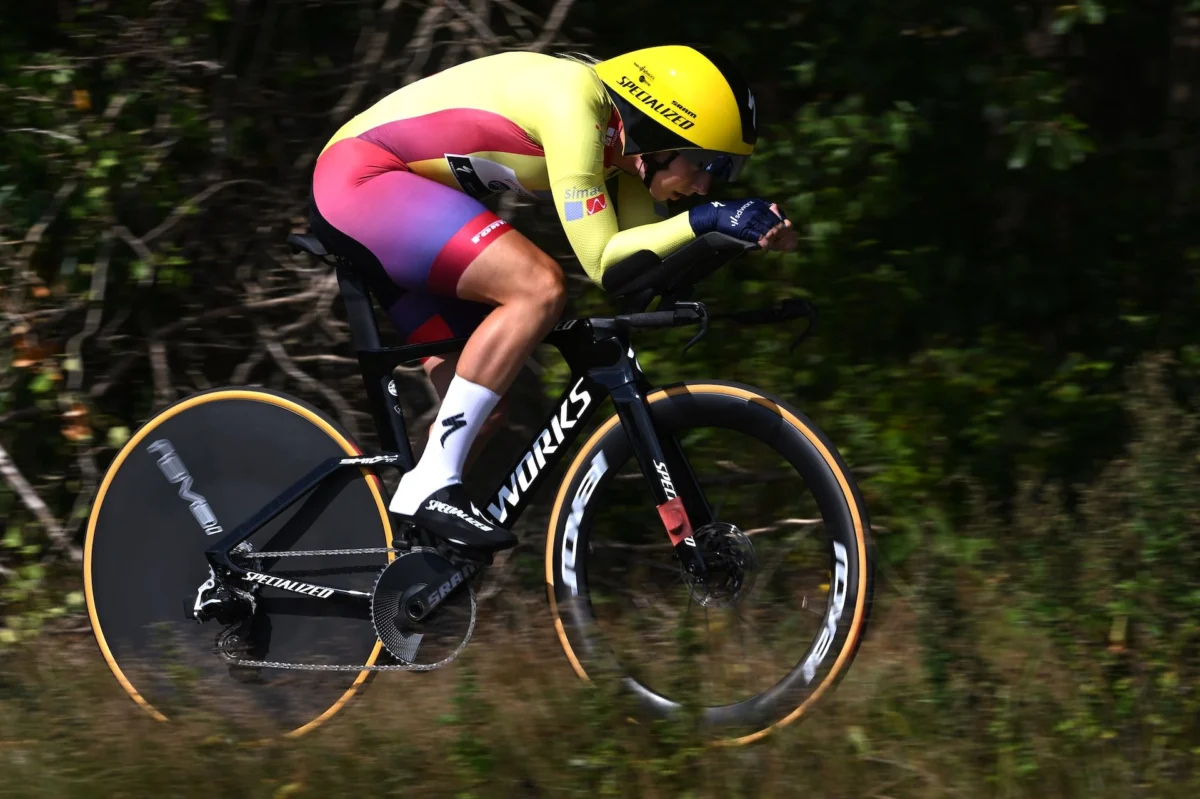
The landscape of professional cycling in the Netherlands and Flanders is undergoing a profound structural evolution. For decades, stage racing in the region followed a familiar, highly compartmentalized pattern: men’s and women’s events were held on separate weekends, under different banners, or tucked away into disparate corners of the UCI calendar.
Now, the newly minted Eneco Tour—risen from the foundations of the historic Simac Ladies Tour and the short-lived NIBC Tour of Holland that re-emerged in 2025—is set to redefine that paradigm. Featuring an innovative six-stage format that tightly interweaves the men’s and women’s pelotons, the race aims to set a new benchmark for gender parity and operational integration in elite road cycling.
Main Facts
The resurrected Eneco Tour represents a collaborative masterstroke of calendar consolidation and commercial ambition. Scheduled to take place across iconic terrain in the Netherlands and potentially neighboring cycling heartlands, the race is built around several core pillars:
- A Unified Six-Stage Format: Both the men’s and women’s pelotons will tackle parallel routes over six days of racing, utilizing synchronized schedules that often feature identical or overlapping finishing circuits.
- Heritage Reimagined: The event draws its lineage directly from the prestigious Simac Ladies Tour—historically the Netherlands’ premier women’s stage race—and the NIBC Tour of Holland, which briefly revived the tradition of a multi-day Dutch men’s tour in 2025 before merging operations.
- Egalitarian Philosophy: Unlike traditional curtain-raiser setups where the women’s race serves as an early-morning amuse-bouche for the main men’s event, the Eneco Tour is architected to give both disciplines equal weight in media broadcasting, fan engagement, and logistical priority.
- Elite UCI Status: Organizers are positioning the race to attract the absolute upper echelon of the sport, capitalizing on the prime late-season window that traditionally favors Classics specialists, puncheurs, and endurance heavyweights.
Chronology: The Road to the 2025–2026 Integration
To understand the magnitude of the Eneco Tour’s launch, one must look at the winding path that led Dutch stage racing to this crossroads.
The Golden Age of the Holland Ladies Tour
For decades, the premier stage race for women in the region was known by various monikers, most notably the Holland Ladies Tour and later the Simac Ladies Tour. As women’s cycling professionalized, this race grew into a pivotal WorldTour battleground. It tested everything from crosswind-battered polders in Zeeland to the punchy, tactical bergs of Limburg. However, despite its immense sporting value, it operated largely in isolation from men’s racing, fighting an annual uphill battle for broadcast space and sponsorship visibility against the backdrop of the massive men’s calendar.
The Men’s Tour Vacuum and the 2025 Resurgence
On the men’s side, the historic Eneco Tour (later known as the BinckBank Tour and then the Benelux Tour) was once a crown jewel of the UCI WorldTour, offering a vital stage-racing testing ground between the Tour de France and the autumn Classics. However, calendar congestion, financial turbulence, and shifting local sponsorships led to its prolonged hiatus.
The turning point arrived in 2025 with the launch of the NIBC Tour of Holland. This revival proved that a distinct appetite remained for a major multi-day men’s race across the Dutch flatlands. Yet, operating two separate, high-level men’s and women’s organizational structures in a crowded market proved inefficient.
The Convergence
Recognizing the unsustainable nature of fragmented resources, stakeholders behind the Simac Ladies Tour and the newly stabilized Dutch men’s initiatives sat down to forge a unified path forward. By pooling commercial assets, broadcast relationships, and local government partnerships under the historic Eneco banner, the organizers engineered a dual-gender master race. The resulting 2026 blueprint guarantees that the men and women will race under the same roof, so to speak, sharing logistical command centers, VIP zones, and fan villages.
Supporting Data: The Economics and Logistics of Dual-Peloton Racing
Running a modern UCI-level stage race requires military-grade logistical precision. Doubling the effort to manage both a men’s and a women’s race simultaneously might seem like a recipe for administrative chaos, but sports economists and race directors argue that the economies of scale actually favor integration.
Broadcast and Media Reach
In the modern media landscape, cycling fans crave narrative continuity. Under the Eneco Tour’s broadcast model, television and digital streaming partners will feature back-to-back or alternating coverage blocks. Data from similar combined events (such as certain stages of the Vuelta a España or the Tour de France Femmes avec Zwift operating alongside men’s counterparts) show that cumulative viewing figures spike when fans can follow both races through a single media portal.
- Production Savings: Utilizing a single mobile television production unit, shared camera motorcycles, and unified start/finish line infrastructure significantly reduces the per-race broadcasting overhead.
- Sponsorship Value: For corporate backers like title sponsor Eneco, a dual-gender event offers a broader demographic reach, higher brand retention, and enhanced activation opportunities within the race’s fan zones.
Logistical Matrix
The operational burden of moving two pelotons—amounting to roughly 350 to 400 riders, plus team staff, mechanics, soigneurs, and media—across the Dutch road network is immense. The Eneco Tour’s technical manual outlines a carefully timed convoy management system:
- Staggered Departures: Depending on the stage profile, either the women’s or men’s race will depart first, maintaining a strict safety buffer of time and police escorts.
- Shared Infrastructure: Finish lines in host cities will feature permanent, high-capacity media centers, anti-doping stations, and mixed zones designed to seamlessly process riders from both events.
- Road Safety and Municipal Cooperation: Dutch municipalities are notoriously strict regarding road closures for sporting events. Presenting a single, cohesive mega-event rather than two separate disruptions has streamlined local government approval processes across multiple provinces.
Official Responses: A Paradigm Shift in Leadership
The cycling world has greeted the announcement of the integrated Eneco Tour with widespread enthusiasm, particularly from figures who have long championed gender equity in the sport.
Roxane Knetemann, race director and a prominent voice in Dutch cycling administration, emphasized that the new format moves past mere tokenism.
"The women’s race is not a side event, but a full-fledged race alongside the men’s race," Knetemann stated passionately during the official race unveiling. "Bringing both races together creates a stronger event and a larger national and international stage for women’s and men’s cycling."
Knetemann’s perspective reflects a growing consensus among race organizers that women’s cycling has outgrown the era of being treated as an undercard. By placing the two races on equal footing—same roads, similar technological production values, and comparable prize purses—the event honors the immense depth and popularity of the modern women’s peloton, which boasts global superstars capable of drawing massive roadside crowds on their own merits.
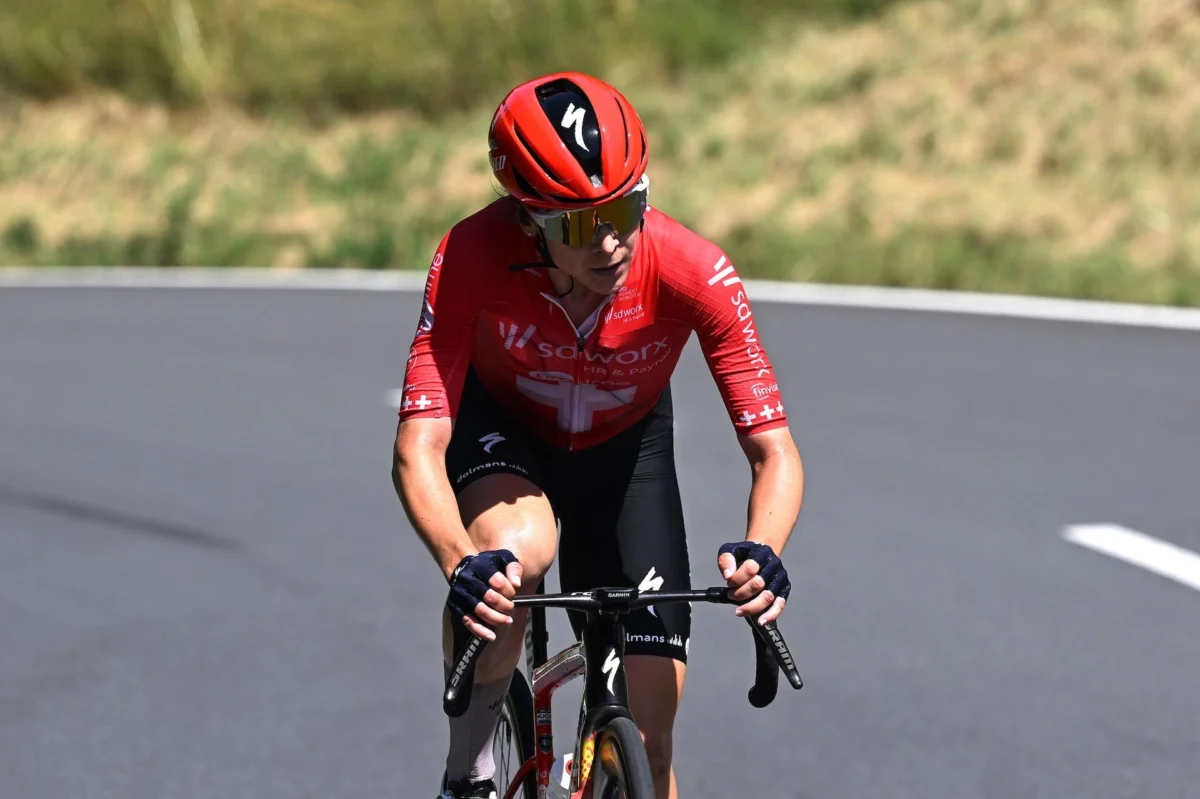
Team managers have also lauded the move. Directors running joint men’s and women’s WorldTour structures—such as teams like Jumbo-Visma (Visma-Lease a Bike), Team DSM-firmenich PostNL, and SD Worx-Protime—have noted that integrated calendars simplify travel logistics, coaching staff allocations, and sponsor management.
Implications for the Future of Pro Cycling
The success of the revamped Eneco Tour could serve as a vital blueprint for the future of professional stage racing worldwide. As the UCI continues to push for modernization, calendar stabilization, and commercial growth, the traditional model of isolated men’s and women’s races is facing increased scrutiny.
1. A Blueprint for Other Historical Races
If the Eneco Tour successfully demonstrates that a combined six-stage format can capture the public imagination and deliver high profit-to-cost efficiency, other historic races currently struggling with calendar space may follow suit. We could see a wave of structural mergers across Europe, transforming fragmented regional races into powerhouse dual-gender spectacles.
2. Fan Experience and Fan Culture
For the cycling fan standing on the roadside in the Netherlands, the event offers unprecedented value. Spectators will no longer have to choose between attending a men’s race or a women’s race on conflicting weekends. Instead, they can witness the tactical brilliance of the world’s best female puncheurs followed—or preceded—by the raw power of the men’s sprint trains on the exact same finishing straight. This concentration of talent creates a festival atmosphere akin to a multi-day cycling carnival.
3. Elevating the Standard of Equality
Beyond the logistical and financial benefits, the psychological and cultural impact of true integration cannot be overstated. When young aspiring cyclists—boys and girls alike—see men and women competing on the same marquee stages with equal media reverence, it reshapes their perception of the sport. It normalizes elite women’s cycling not as an adjacent novelty, but as an equal pillar of professional athletics.
Conclusion
The rebirth of the Eneco Tour out of the ashes of the Simac Ladies Tour and the NIBC Tour of Holland is far more than a simple calendar reshuffle. It is a bold, forward-looking experiment in modern sports management. By tearing down the walls that have historically separated men’s and women’s stage racing, the organizers have crafted an event that is economically resilient, media-friendly, and fiercely competitive.
As the pelotons prepare to roll out for the opening stage, all eyes will be on the Netherlands and Flanders. If Roxane Knetemann and her team succeed in executing this grand vision, the Eneco Tour will not only revive a proud regional tradition—it will point the way toward the future of professional cycling as a whole.

 Ammar Sabilarrohman
 Siti Muinah
 Suro Senen
 Iffa Jayyana
 Pevita Pearce

 Reynand Wu
 Lina Hope