
 Asro
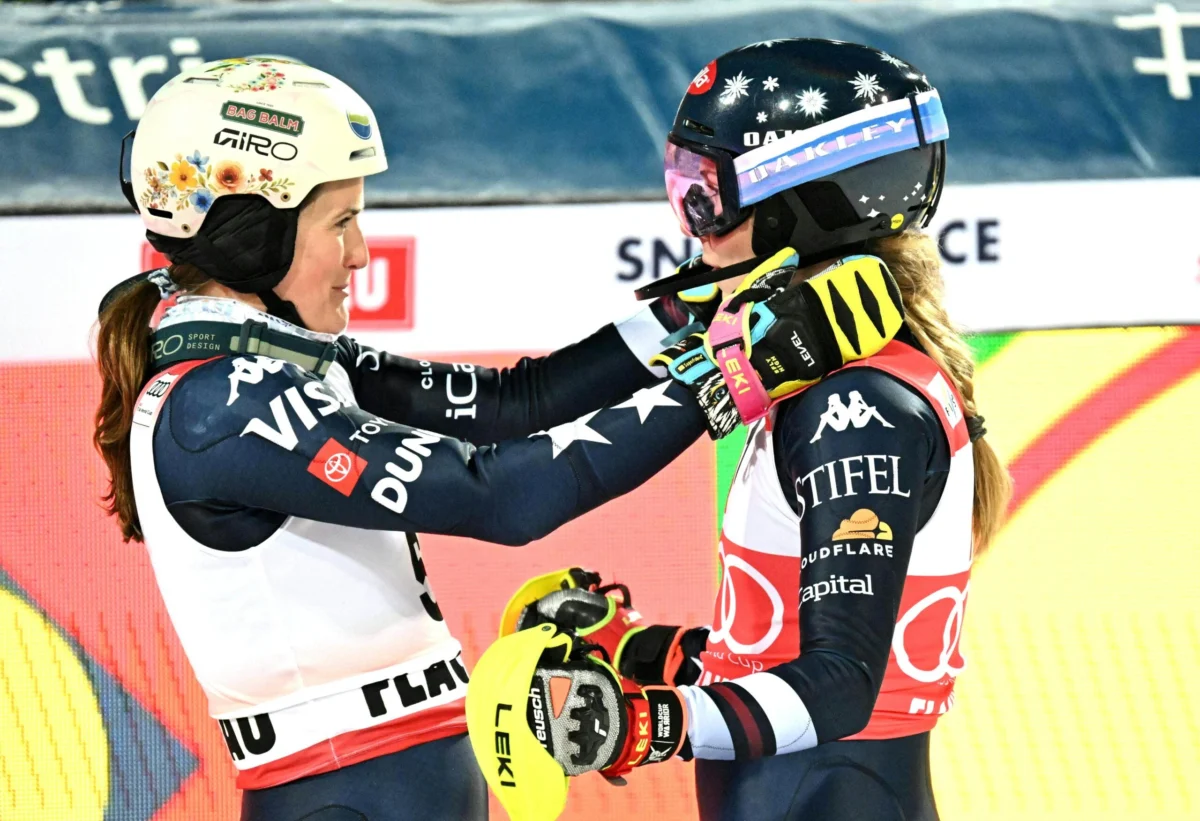
SÖLDEN, Austria — As the crisp autumn air settles over the majestic peaks of the Austrian Alps, the international ski racing community gathers once again at the base of the Rettenbach Glacier. The stage is set for the opening weekend of the 2026–27 FIS Alpine Ski World Cup season, an event highlighted by the women’s giant slalom on Saturday, October 24, and Sunday, October 25.
For the United States women’s alpine team, this year’s opener carries a unique weight of expectation. Entering the new campaign as the defending champions of the prestigious women’s Nations Cup—a historic milestone achieved for the first time in program history last spring—the American roster is eager to prove that their unprecedented depth and dominance were no fluke.
With a blend of seasoned veterans looking to redefine their limits and a hungry young cohort eager to break through, the U.S. tech squad arrives in Sölden ready to author the next chapter of American alpine skiing history.
Main Facts: The Battle on the Rettenbach Glacier
The Rettenbach Glacier giant slalom is traditionally viewed as the ultimate litmus test for the grueling World Cup season ahead. Perched high above Sölden, the steep, relentless pitch exposes any flaws in a skier’s summer preparation, rewarding only the technically sound and physically resilient.
Last October, the U.S. women made an emphatic opening statement on this very glacier, locking out six of the top 19 places. Paula Moltzan led the charge with a brilliant podium finish, while global icon Mikaela Shiffrin secured fourth, and Nina O’Brien captured sixth.
That early-season performance served as the launchpad for a historic campaign. Propelled by Shiffrin and Moltzan—who combined for an astonishing 16 World Cup podiums across slalom and giant slalom—and backed by consistent point-scoring from O’Brien, AJ Hurt, Elisabeth Bocock, and Katie Hensien, the United States captured the women’s Nations Cup. Awarded annually to the nation whose athletes accumulate the most total World Cup points across all disciplines, the crystal globe symbolized the undeniable depth of the American roster.
Now, the central question facing the ski world is simple: Can the U.S. women replicate that staggering dominance, starting this weekend on the icy slopes of Sölden?
Chronology: Overcoming Adversity and Chasing Snow
A Globe-Trotting Off-Season of Adaptation
The road to the 2026–27 opener was anything but straightforward for the American squad. Navigating a notoriously fickle climate, the team embarked on a globe-trotting summer training block in search of reliable snow and pristine ice conditions.
However, Mother Nature threw several curveballs. According to rising star Elisabeth Bocock, the weather offered little consistency. "Europe was melting, in Chile it snowed an absurd amount, and in New Zealand, it was raining," Bocock recounted.
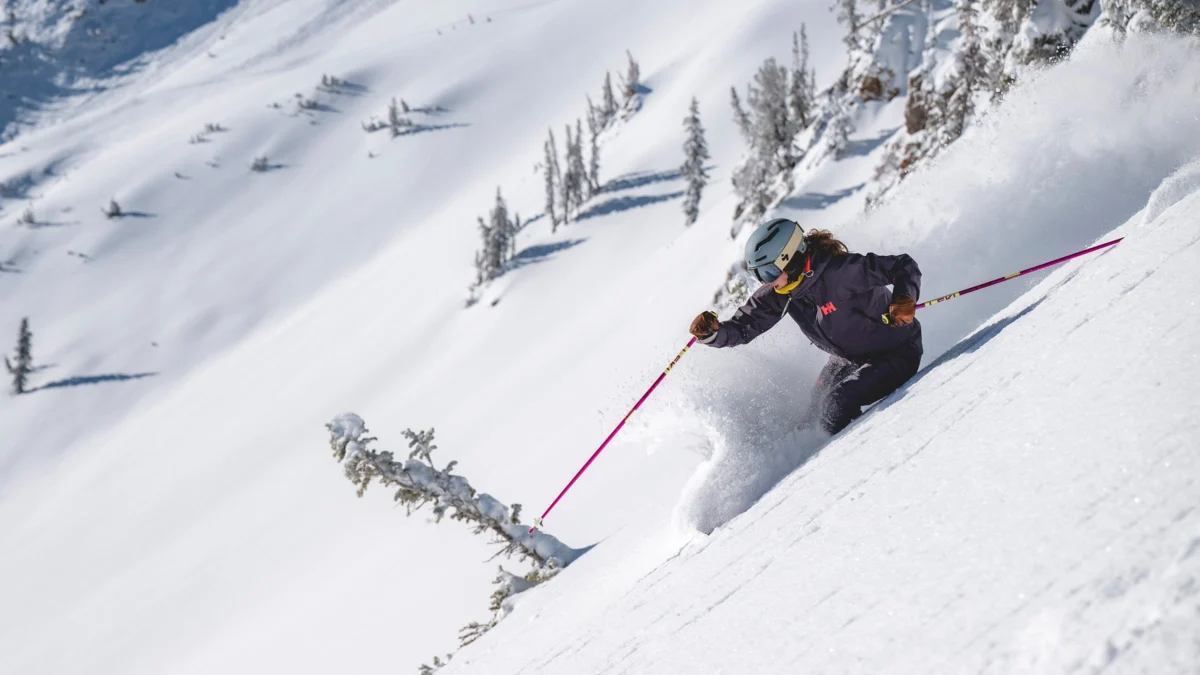
Rather than executing long, uninterrupted blocks of gate training, the athletes had to adapt on the fly. Yet, the adversity fostered a strong team bond and taught valuable lessons in balance. While training hours were precious, the team also embraced moments of reprieve. Paula Moltzan fondly recalled a memorable "life day" in Portillo, Chile, where the team traded gate poles for powder skis, spending hours carving through fresh snow before unwinding at the legendary après-ski hotspot, Tío Bob’s.
Rehabilitation and Reinvention
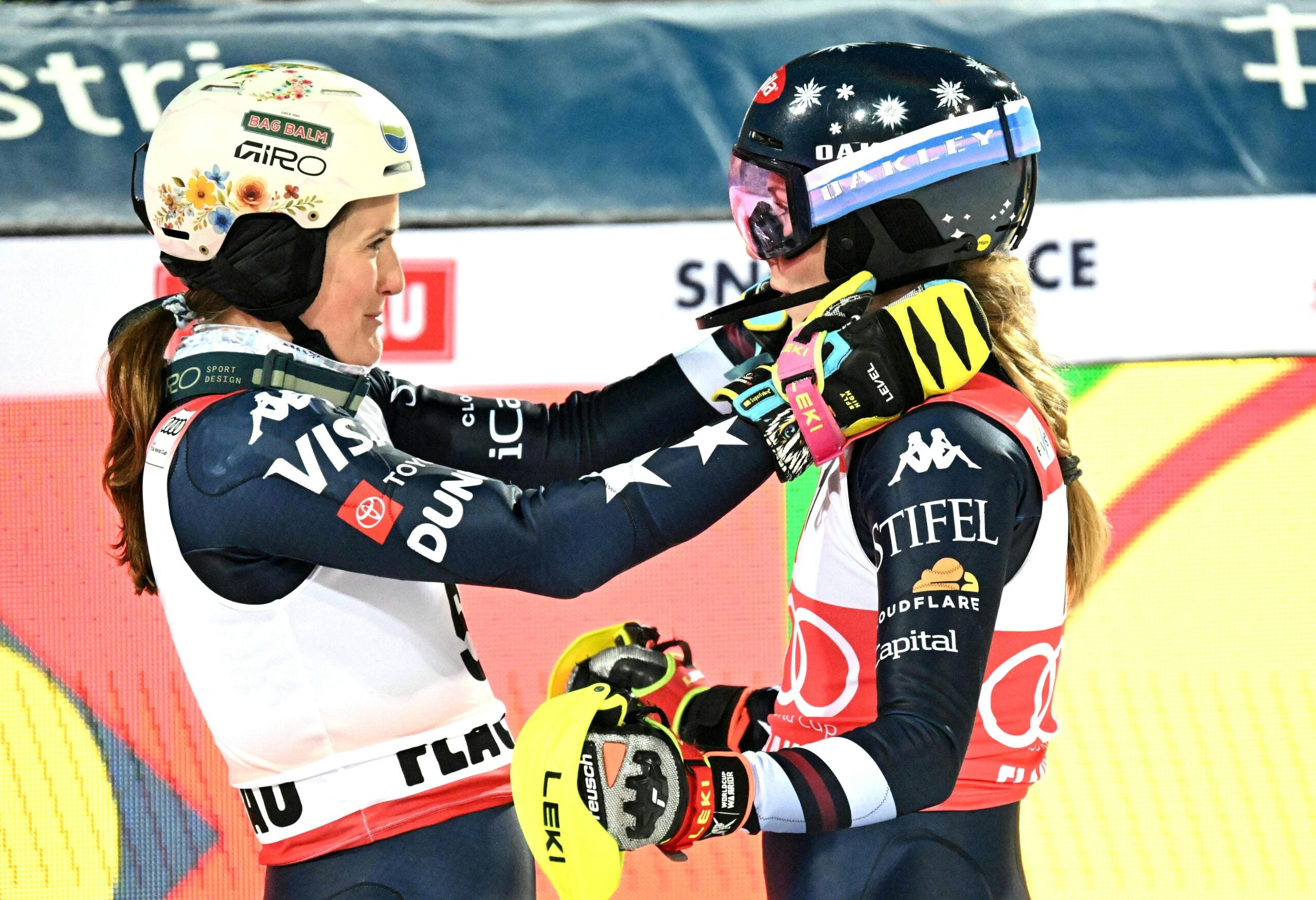
Beyond weather challenges, the summer months were defined by grit and physical recovery. Several key members of the U.S. tech team spent the off-season overcoming major hurdles:
- Mikaela Shiffrin: Shiffrin’s journey back to Sölden represents one of the most compelling storylines in winter sports. Two years ago, a devastating crash during the Killington giant slalom resulted in a severe abdominal puncture wound. The physical trauma was compounded by the psychological toll of post-traumatic stress. Through sheer resilience, Shiffrin steadily rebuilt her confidence last season, climbing all the way from 30th in the GS standings back to a formidable fourth overall.
- AJ Hurt: The 25-year-old battled back to the World Cup top 10 last season following a challenging rehabilitation process for a hip injury sustained after straddling a gate during early-season training.
- Katie Hensien: Sölden holds sweet memories for the 26-year-old, who captured a career-best fourth-place finish on the glacier in 2024. Like Hurt, Hensien’s momentum was halted early last winter when she suffered a tibial fracture from a training gate strike—an injury that ultimately forced her to withdraw from the 2026 Olympic team despite qualifying.
Supporting Data: Roster Breakdown and Equipment Shifts
The U.S. women return to the Rettenbach Glacier with virtually the exact core that terrorized technical courses last winter. However, significant changes in equipment and mindset promise an intriguing dynamic on race day.
Paula Moltzan’s Bold Equipment Gamble
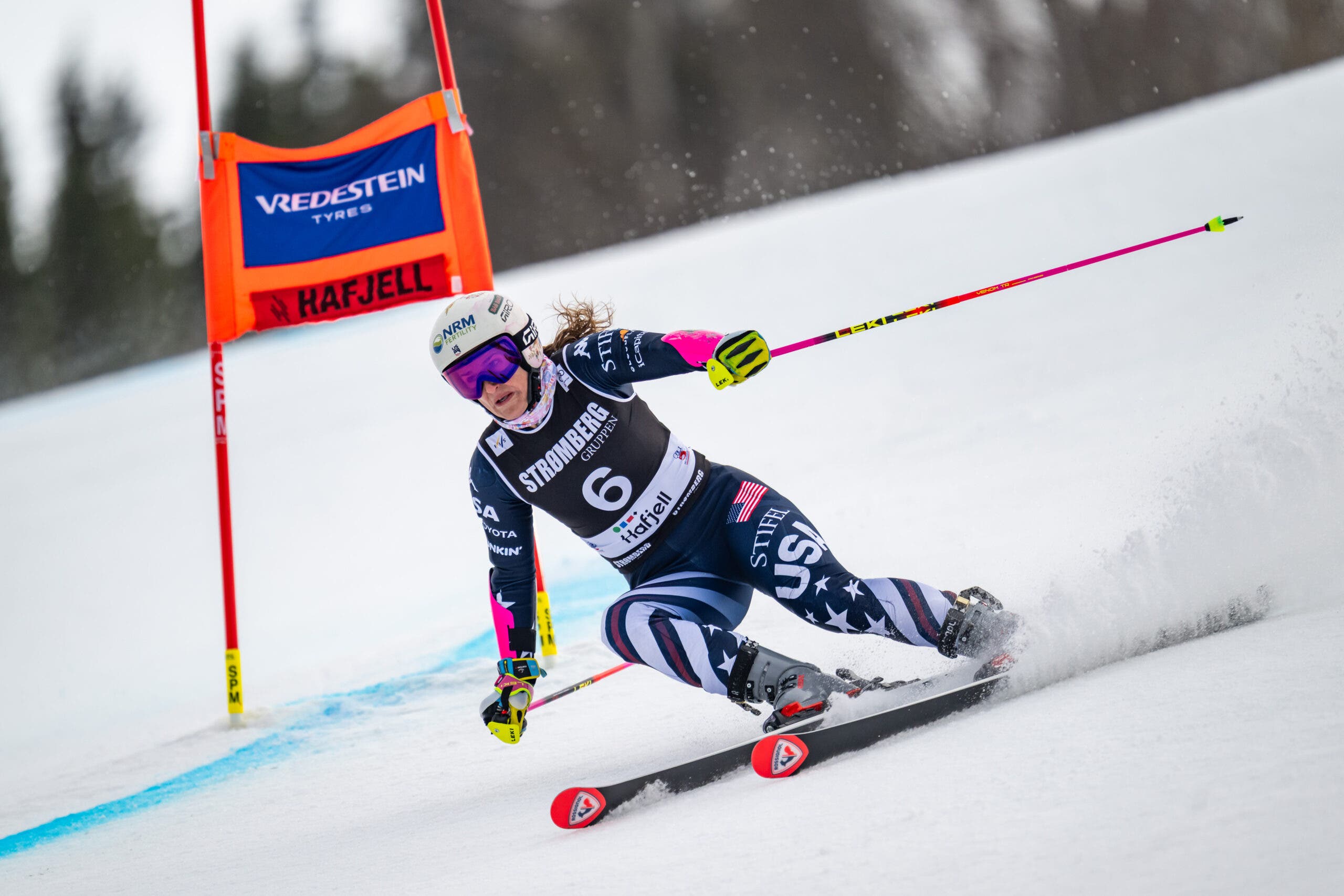
At 32 years old and entering her eighth full World Cup season, Paula Moltzan is refusing to rest on her laurels. Coming off a career-best season that featured five World Cup podiums—four of which came in giant slalom, bookended by runner-up finishes in Sölden and Åre, Sweden—Moltzan made the seismic decision to switch equipment brands.
This season, Moltzan is racing on VAN DER-Red Bull Sports, the burgeoning ski brand founded by eight-time overall World Cup champion Marcel Hirscher. For Moltzan, the partnership is about more than a new logo; it represents a chance to leave a lasting legacy on the sport by helping design and develop an entirely new line of women’s technical skis.
Elisabeth Bocock and the Next Generation
At just 21 years old, Elisabeth Bocock stands as one of the brightest young talents on the U.S. alpine landscape. After a season highlighted by multiple top-15 World Cup finishes, a silver medal in giant slalom at the World Junior Championships, and her second consecutive national GS title, Bocock is poised for a breakout winter.
Training daily alongside global icons like Shiffrin, Moltzan, and O’Brien provides Bocock with an elite proving ground. She understands the unique psychological duality of training with the best in the world: beating them in a training run signals global competitiveness, while getting beaten by them offers immediate, reassuring perspective.
Official Responses: In Their Own Words
Speaking to media ahead of the season opener, the American athletes offered candid insights into their mental states, ambitions, and unique motivations for the 2026–27 campaign.
Mikaela Shiffrin on her renewed commitment to giant slalom:
"I really wonder where I can take GS," Shiffrin admitted earlier this fall. "I have a ton of questions about it in my own mind, and I want to find out."
After years of shifting focus primarily to protect her body and rebuild her mental baseline following her harrowing Killington crash, Shiffrin’s renewed offensive focus in giant slalom signals that the all-time winningest alpine skier is hungry to conquer her final frontier.
Paula Moltzan on joining the VAN DEER family:
"I was truthfully not intending to switch ski brands this year after such an incredible season," Moltzan said. "But the opportunity to develop and create a line of skis that I have a lot of influence on is something I’m really excited about. My route of inspiration is trying to develop this whole brand-new line of women’s equipment."
Elisabeth Bocock on the value of internal team competition:
"If you’re having a good day in training, if, say, you beat Paula or Nina, and you know that they win World Cup runs, you could be beating the entire world," Bocock explained. "But also, if you’re not skiing well, you can put it in perspective… My skiing ability has only benefited from having such a good team around me and pushing me to be better in training every day. My career is at a higher level than it would have been if I was not surrounded by these girls."
Implications: The Season Ahead and How to Watch
The stakes for the U.S. women’s alpine team extend far beyond the weekend results in Sölden. A strong performance on the Rettenbach Glacier will set the psychological tone for the entire winter, establishing early momentum in the race for the giant slalom globe and reaffirming America’s status as a superpower in technical skiing.
If Shiffrin successfully completes her resurgence in GS, if Moltzan smoothly transitions to her new VAN DEER equipment, and if the rising tier of Americans—O’Brien, Hurt, Hensien, and Bocock—continue their upward trajectories, the U.S. women will be nearly impossible to dethrone in the Nations Cup standings.
How to Follow the Action
For alpine skiing fans worldwide, the broadcast landscape for the 2026–27 season has never been more accessible. Gone are the days of juggling multiple subscription services to catch every run.
Through a newly streamlined broadcast partnership between U.S. Ski & Snowboard, NBC, and FIS, fans can catch every single World Cup race and World Championship event live.
- Streaming: Every race will stream live commercially-free on Peacock.
- Free Options: A newly launched free YouTube channel—Ski & Snowboard World Cup—alongside a dedicated FAST channel of the same name, will provide free access to fans globally.
The starting gates at Sölden are locked, the snow is packed, and the world’s best are ready to descend. For the U.S. women’s alpine team, the defense of their historic legacy begins now.


 Jia Lissa
 Iffa Jayyana

 Suro Senen
 Nana Muazin
 Dwi Wanna