
 Layla Zulfa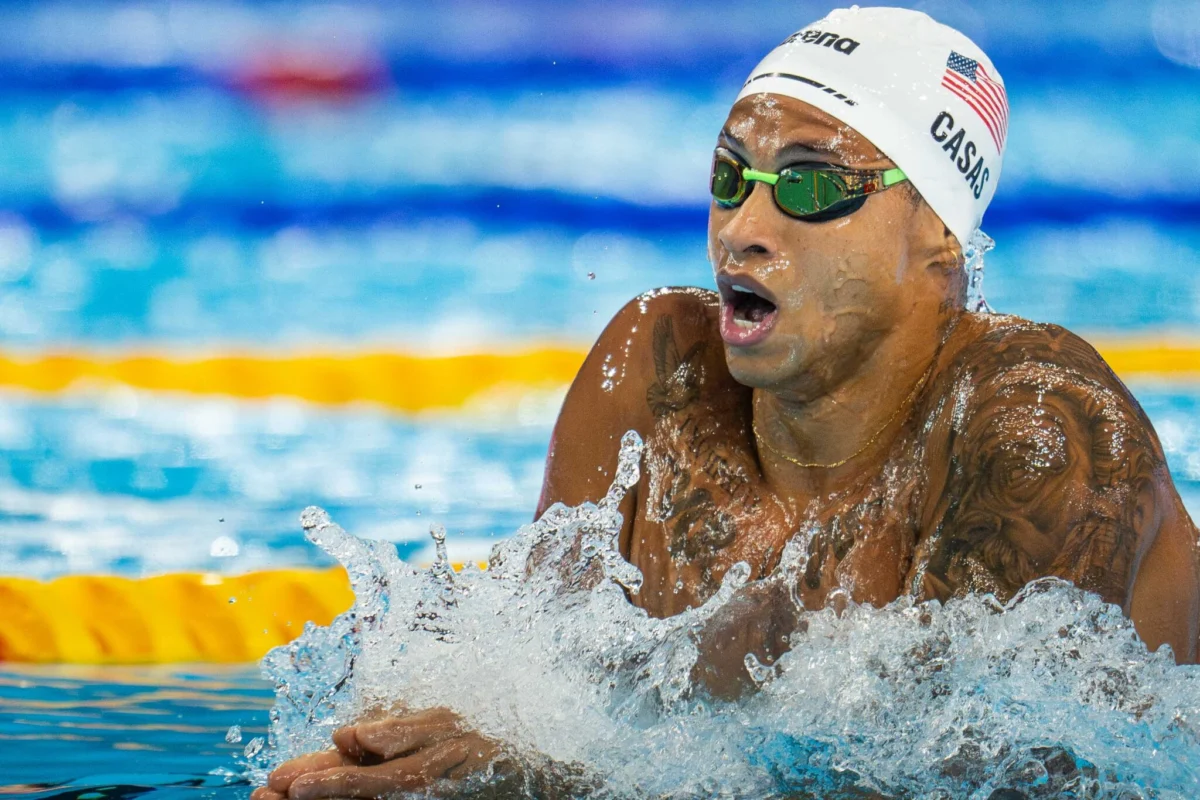
The international swimming landscape is in a state of constant flux as we approach the latter half of the competitive season. This week’s SwimSwam Breakdown takes a deep dive into three of the most significant narratives currently shaping the sport: the performance trajectory of Bob Bowman’s professional contingent at the Austin Sectionals, the concerning injury report surrounding Australian star Mollie O’Callaghan, and the impending retirement of sprinting powerhouse Shayna Jack.
As the swimming world pivots between local sectional meets and global championship preparations, these stories highlight the fragility of athlete health and the inevitable cycles of professional transitions.
1. Main Facts: A Convergence of Milestones
The current cycle of professional swimming is defined by a shift toward centralized training hubs and the high-performance demands placed on elite athletes. The Austin Sectionals served as a crucial litmus test for the "Texas Pro" group—the collection of world-class swimmers now under the tutelage of legendary coach Bob Bowman.
Simultaneously, the sport faces the stark reality of the physical toll of elite competition. Australian swimming sensation Mollie O’Callaghan has publicly revealed a stress fracture in her back, casting uncertainty over her immediate competition schedule. Finally, the announcement that Shayna Jack will retire at the conclusion of this summer marks the end of a tumultuous and triumphant career, signaling a changing of the guard in the women’s sprinting ranks.
2. Chronology: From the Austin Pool to the Global Stage
The Texas Pro Performance at Austin Sectionals
The Austin Sectionals provided a rare look into the mid-season training blocks of the Texas pro squad. Under Bob Bowman, the training philosophy is notoriously rigorous, often prioritizing long-term physiological adaptation over immediate, rested results.
Fans and analysts alike have been dissecting the performance of athletes like Shaine Casas. Observations from the meet suggest that while some times may appear stagnant, the technical improvements—particularly in freestyle transitions and underwater efficiency—are evident. The consensus among the community is that the Texas group is operating on a heavy training load, with an eye toward the national and international selection meets later in the year.
The O’Callaghan Injury Disclosure
Mollie O’Callaghan’s announcement of a stress fracture in her back has sent ripples through the swimming community. O’Callaghan, who has been a dominant force in the 100m and 200m freestyle events, had been expected to anchor the Australian team’s relays and individual medal quests for the foreseeable future. The injury, common in athletes subject to high-intensity training cycles, highlights the persistent risk of repetitive stress injuries in elite swimming.
The Retirement of Shayna Jack
Shayna Jack’s decision to retire after this summer is perhaps the most emotive of the three headlines. Jack, whose career has been characterized by remarkable resilience following high-profile setbacks, has decided that the current season will be her final act on the international stage. Her departure will leave a significant void in the Australian sprint relay team, a group that has relied heavily on her explosive speed and veteran leadership.
3. Supporting Data and Technical Analysis
The SwimSwam Breakdown audience has been particularly active in analyzing the granular data behind these performances. A significant point of discussion has been the trajectory of Shaine Casas. As one user noted, comparing current times to previous pre-national splits reveals a pattern of "training through" meets.

The "Taper" Debate
The commentary surrounding the Texas pros often centers on the difference between "training-load swimming" and "tapered swimming." For instance, swimmers like Zach Aikins have shown a 2:01 in previous training blocks before dropping to 1:54 at major championships. This variance is critical to understand when evaluating the current performance of the Texas pro group. If the swimmers are utilizing these sectionals merely as a threshold test rather than a showcase of speed, their times are consistent with expected output.
Freestyle Technical Evolution
There is also growing speculation regarding Shaine Casas’s event versatility. Observers have noted that his freestyle technique has shown significant refinement under Bowman. This has led to widespread conjecture that Casas may experiment with the 100m or 200m freestyle in upcoming meets, challenging his traditional focus on the IM and backstroke disciplines. The fact that his final 50m split in the 200m IM is consistently rivaling or exceeding that of top-tier specialists like Carson Foster suggests a massive reservoir of untapped freestyle speed.
4. Official Responses and Industry Sentiment
While official statements from training camps remain guarded, the sentiment across the swimming community is one of cautious optimism for the Texas group and genuine concern for the health of injured athletes.
- Bob Bowman’s Approach: While Bowman has not issued a formal press release regarding the Texas Sectional results, his history dictates a focus on "process-based outcomes." The emphasis is clearly on long-term development rather than short-term validation.
- The Australian Perspective: The Australian swimming federation has been supportive of O’Callaghan’s need for recovery, emphasizing that long-term health takes precedence over short-term accolades. The sport is increasingly recognizing that the "win at all costs" mentality must be balanced with injury prevention protocols.
- Legacy of Shayna Jack: Tributes from peers have poured in regarding Jack’s retirement. Her colleagues acknowledge her contribution not just to the speed of the Australian team, but to the cultural resilience of the sport.
5. Implications: What This Means for the Future
The "Bowman Effect"
The performance of the Texas pro group in Austin serves as a bellwether for the future of professional swimming in the United States. By centralizing talent, the program is setting a new standard for how elite athletes prepare. If this group can maintain health while absorbing such high training volumes, they are poised to dominate the next several years of international competition.
Managing the "Wear and Tear"
The injury sustained by Mollie O’Callaghan serves as a cautionary tale for the industry. As the calendar becomes more packed with high-stakes meets—from World Cups to Continental Championships—the margins for recovery are shrinking. Sports science teams are likely to re-evaluate load management strategies to ensure that the sport’s biggest stars are not sidelined during the most critical Olympic cycles.
Transitioning the Sprint Landscape
Shayna Jack’s retirement initiates a period of transition for Australian women’s sprinting. With her departure, the door is open for emerging talent to claim their spot on the podium. This shift will likely influence team dynamics and relay selection strategies as the next generation of swimmers prepares to fill the shoes of one of the sport’s most consistent performers.
Conclusion
The latest SwimSwam Breakdown serves as a poignant reminder that swimming is a sport of cycles. Whether it is the tactical training decisions of a professional group in Austin, the physical endurance of a world-class swimmer fighting through injury, or the final competitive season of an iconic sprinter, every movement in the pool carries larger implications for the sport.
As we look toward the remainder of the summer, the focus will remain on how these athletes navigate their respective challenges. For the Texas pros, it is about refinement and power; for the injured, it is about patience and rehabilitation; and for those like Shayna Jack, it is about cementing a legacy. The swimming world waits with bated breath to see how these stories conclude in the water.
For more in-depth analysis and to join the ongoing conversation, stay tuned to the latest episodes of the SwimSwam Breakdown and subscribe to SwimSwam Magazine.

 Sagoh
Sagoh
 Nana Muazin
 Neng Nana
 Nana Wu
 Lina Hope
 Iffa Jayyana