
 Dwi Wanna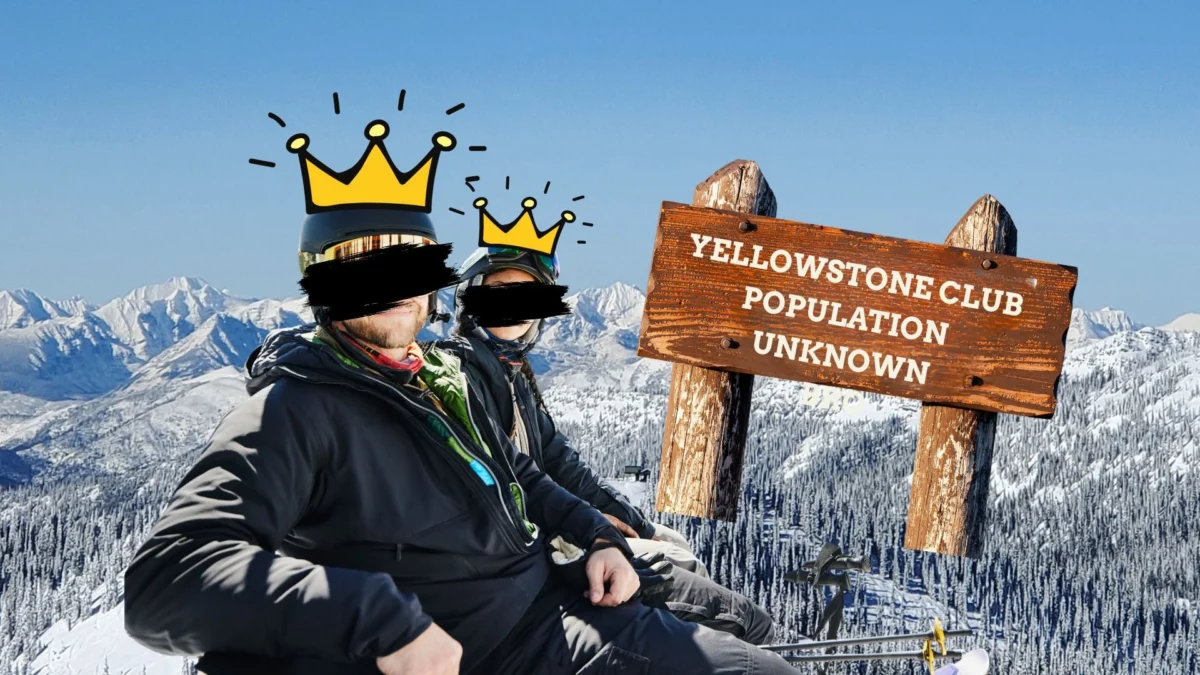
Updated July 15, 2026
In the wake of what may well be the most impenetrable celebrity wedding of the modern era—a nuptial event involving Taylor Swift and Travis Kelce that left the global paparazzi entirely empty-handed—the newlyweds have sought refuge in a place where silence is a currency and privacy is the ultimate amenity. The destination? Montana’s Yellowstone Club, an ultra-exclusive, members-only sanctuary that stands as the antithesis of the modern, social-media-saturated ski experience.
The wedding itself was a logistical masterclass. With over a thousand guests in attendance and a total absence of illicit smartphone photography, the event shattered the myth that high-profile intimacy is a thing of the past. If the general public possessed even a fraction of that self-restraint on the slopes, the industry’s legendary "secret stashes" might still remain truly secret. Instead, the power couple has retreated to the Big Sky country, choosing a 15,200-acre private fiefdom where the terrain is vast, the lift lines are non-existent, and the only tracks in the snow are the ones you make yourself.
The Geography of Disappearance: What is the Yellowstone Club?
Nestled in the shadows of the Spanish Peaks near Big Sky, Montana, the Yellowstone Club is not merely a ski resort; it is a fortress of solitude for the global elite. To enter, one must be a property owner—a barrier to entry that effectively filters out all but the wealthiest individuals on the planet. For the last 25 years, the club has operated on a singular, intoxicating premise: the ability to disappear.
The club spans 15,200 acres of private, meticulously maintained terrain. It has become so synonymous with exclusivity that it has trademarked the phrase "Private Powder®." In an era where "influencer culture" has commodified the wilderness, turning every untouched ridgeline into a geotagged photo opportunity, the Yellowstone Club offers the rarest of commodities: a mountain that feels entirely one’s own.
A Chronology of Exclusivity: From Vision to Bankruptcy to Opulence
The history of the Yellowstone Club is as rugged as the terrain it occupies. Founded in 1999 by Tim and Edra Blixseth, the club was designed to be the ultimate retreat for the ultra-wealthy. However, the road to becoming the premier private ski community was fraught with financial turbulence.
The Early Years (1999–2008)
Upon its inception, the club drew immediate interest from the upper echelons of business and celebrity. Warren Miller, the legendary filmmaker and the sport’s most iconic voice, served as the club’s Director of Skiing. Miller was instrumental in selling the dream, famously inviting editors to witness the "Private Powder" firsthand. He knew that one day on the mountain would be enough to convert even the most skeptical industry veterans.
The Financial Collapse (2008–2009)
The dream hit a wall in 2008 when the club filed for bankruptcy under the weight of hundreds of millions of dollars in debt. At the time, the mood in the ski industry was one of morbid fascination. Skiing magazine famously mused that the bankruptcy might create the "greatest powder-poaching opportunity of the century," as the gates theoretically teetered on the edge of opening to the public. That, of course, never happened.
The Renaissance (2010–Present)
The club emerged from bankruptcy under new ownership, leaner and more fortified than before. Over the past decade and a half, it has cemented its status as the pinnacle of mountain luxury. Today, it features a Tom Weiskopf-designed golf course, expansive fly-fishing waters, and year-round amenities that rival the finest five-star resorts in the Alps. The transition from a troubled real estate project to an impenetrable bastion of wealth is complete.
Life Behind the Gates: The "Dirtbag" Perspective
For those of us who have spent careers in the ski industry—trading stories of couch-surfing, eating ramen in parking lots, and poaching hot tubs at luxury hotels—the Yellowstone Club is the final frontier. While access remains strictly forbidden to the public, the "weird networking ecosystem" of the ski industry has allowed a select few "industry dirtbags"—reps, former athletes, and seasonal workers—to slip behind the velvet rope.
I reached out to several sources who have been granted access as guests. Their reports provide a fascinating look at the culture of the club.
The Etiquette of the Elite
The consensus among those who have breached the gates is that the club is surprisingly grounded in its operational reality. "The place is run by skiers and dirtbags," one source noted. "The staff doesn’t want to deal with entitled behavior any more than we do. The best way to blend in is to act like you belong. If anyone asks, just tell them you’re a guest of Sales."
There is a recurring irony in the club’s culture: the ultra-wealthy pay millions to replicate the lifestyle that the "ski bums" perfected on a shoestring budget. "Rich people spend a shit ton of money to do what we do on a budget," one source remarked bluntly. "And honestly? We are better at it."
The "Sugar Shack" Experience
Perhaps the most notable feature of the club, beyond the terrain, is the total removal of friction. There are no wallets, no credit cards, and no lines. The "Sugar Shacks"—the club’s version of the classic waffle huts found in Jackson Hole or Whistler—are fully stocked with gourmet snacks, endless candy, and high-end coffee. It is a friction-free existence where the logistical annoyance of "buying lunch" is erased entirely.
Supporting Data: Why the Skiing Actually Matters
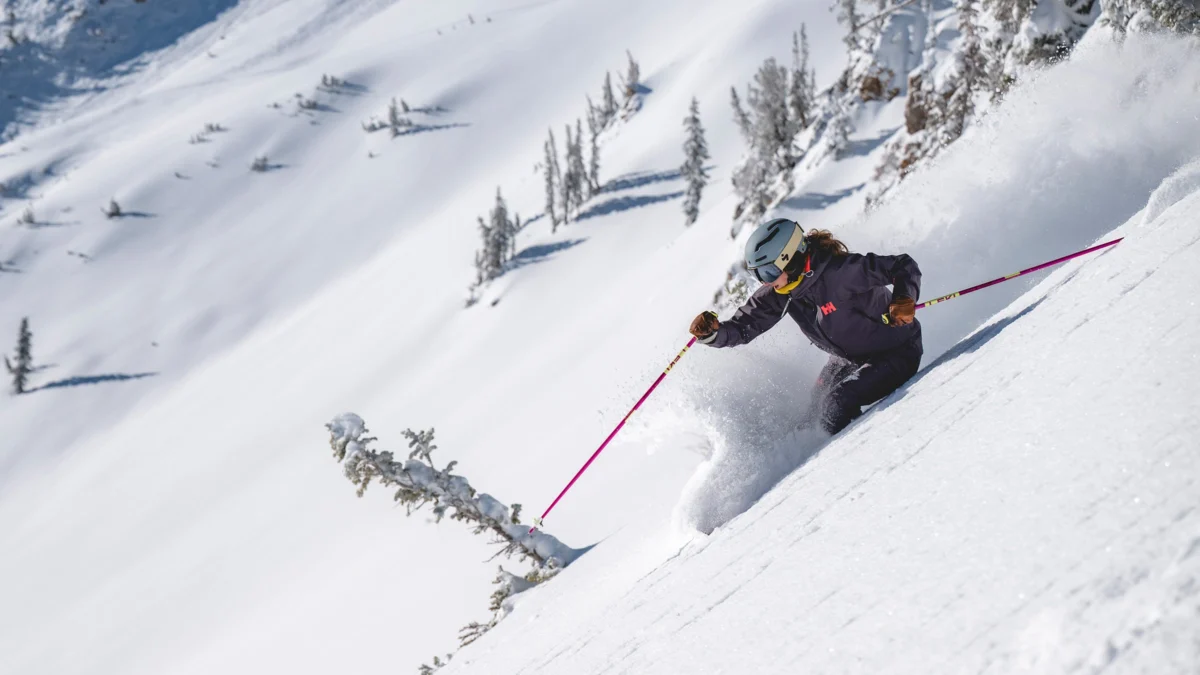
While the luxury is undeniable, the most surprising takeaway for my sources was the quality of the skiing itself. It is easy to assume that a private resort would cater only to beginners or those seeking pampering, but the terrain is legitimately world-class.
- Terrain: The club boasts varied, high-alpine terrain that features everything from playful, low-angle powder bowls to technical cliff bands.
- Density: On a peak Presidents Day weekend, the mountain remains virtually empty. The lack of lift mazes is not a marketing gimmick; it is a statistical reality.
- The "Private Instructor" Factor: Visitors often note that almost everyone on the mountain is skiing with a private guide, which keeps the flow of the mountain orderly and predictable.
As one source lamented, "We scored a massive powder day. I was so hungover that I couldn’t even fully enjoy the fact that we had fresh tracks on every single run. It was some of the best skiing of my life, and I was pissed at myself for not being in better shape to appreciate it."
Official Stance and Philosophy
The Yellowstone Club maintains a relatively low profile, preferring to let its reputation speak for itself. According to official club literature, the experience is defined by "a rare balance of privacy, scale, and community."
The club’s management emphasizes that the "pace is set by the terrain rather than the crowd." By controlling the number of people on the mountain at any given time, they have effectively solved the "overcrowding" problem that has plagued major resorts like Vail, Aspen, and Breckenridge for years.
The Broader Implications for the Ski Industry
The existence of the Yellowstone Club raises uncomfortable questions about the future of mountain recreation. If the ultimate goal of the modern skier is to avoid the crowds, the lift lines, and the noise of the public resort, then the Yellowstone Club is the logical conclusion of the industry’s trajectory.
However, it also serves as a poignant reminder of what has been lost. The "ski bum" culture—a culture defined by the struggle to access the mountain—is increasingly being replaced by a culture defined by the ability to buy one’s way out of that struggle.
When Warren Miller famously promised that a day at the club would "change how you think about skiing forever," he was right. It changes the way you think about skiing because it shows you what the sport looks like without the friction of the masses. Yet, for many, the "friction"—the shared chairlift conversations, the camaraderie of the lift line, the communal rush to the first chair—is the very soul of the sport.
As Swift and Kelce enjoy their honeymoon in the serene silence of Montana, they are experiencing a version of the mountains that is available to less than 0.01% of the population. For the rest of us, the powder day remains a public, frantic, and beautiful scramble. And perhaps, as my sources suggested, that is exactly how it should be. After all, the mountain still belongs to the skiers—even if some of those skiers have a bit more in their bank accounts than others.

 Iffa Jayyana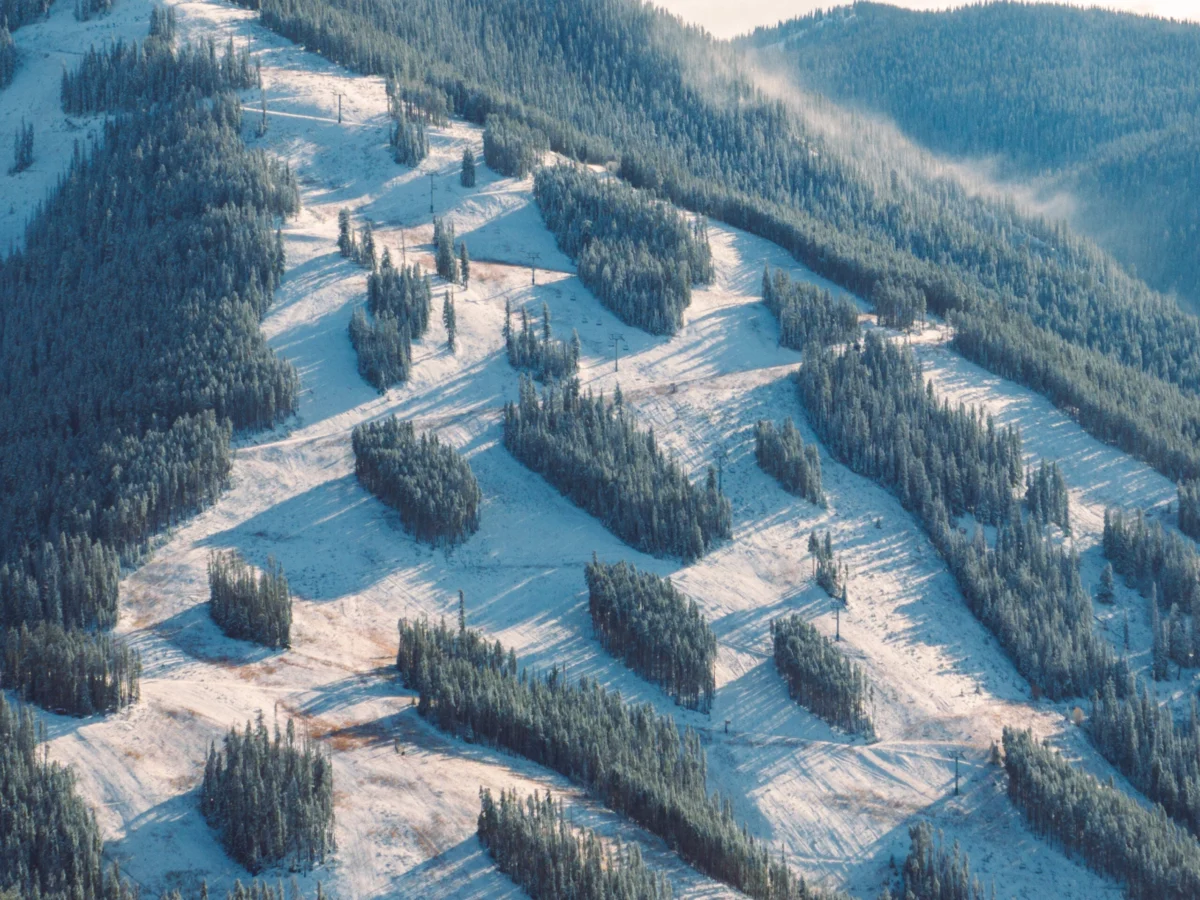
 Azzam Bilal Chamdy
 Neng Nana
 Nana Wu
 Lina Hope
 Sagoh
Sagoh