
 Iffa Jayyana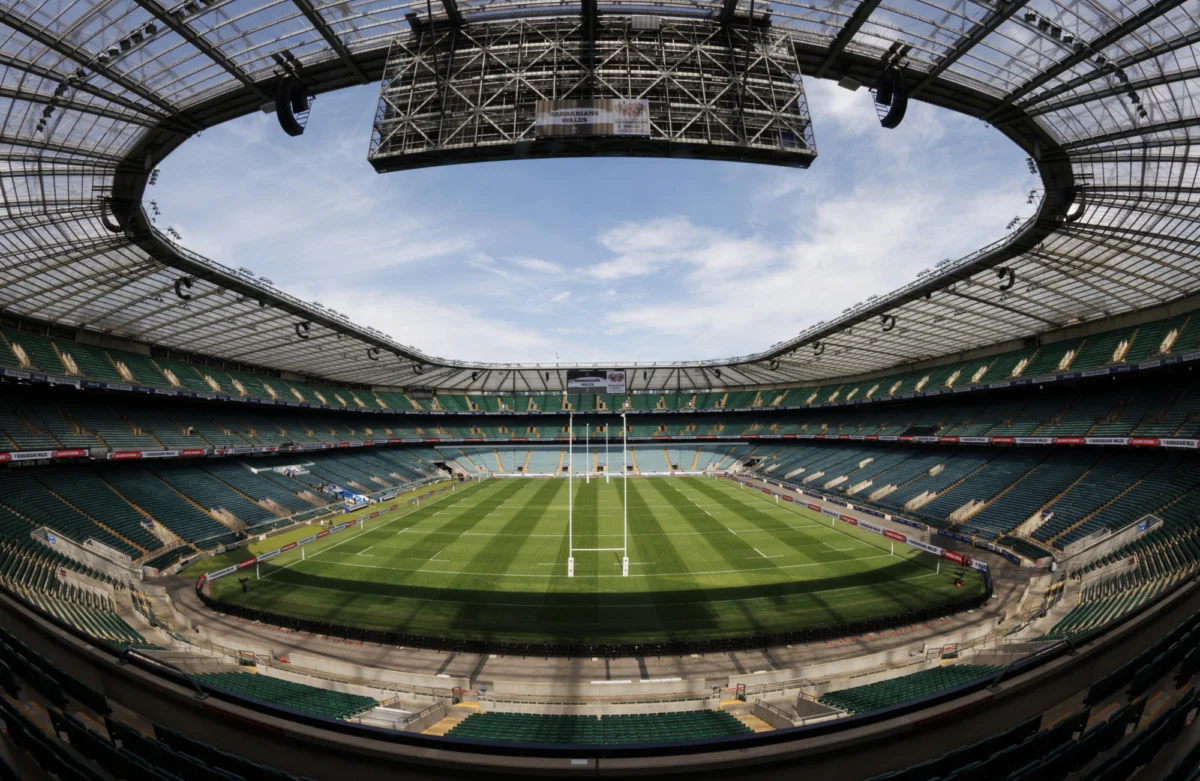
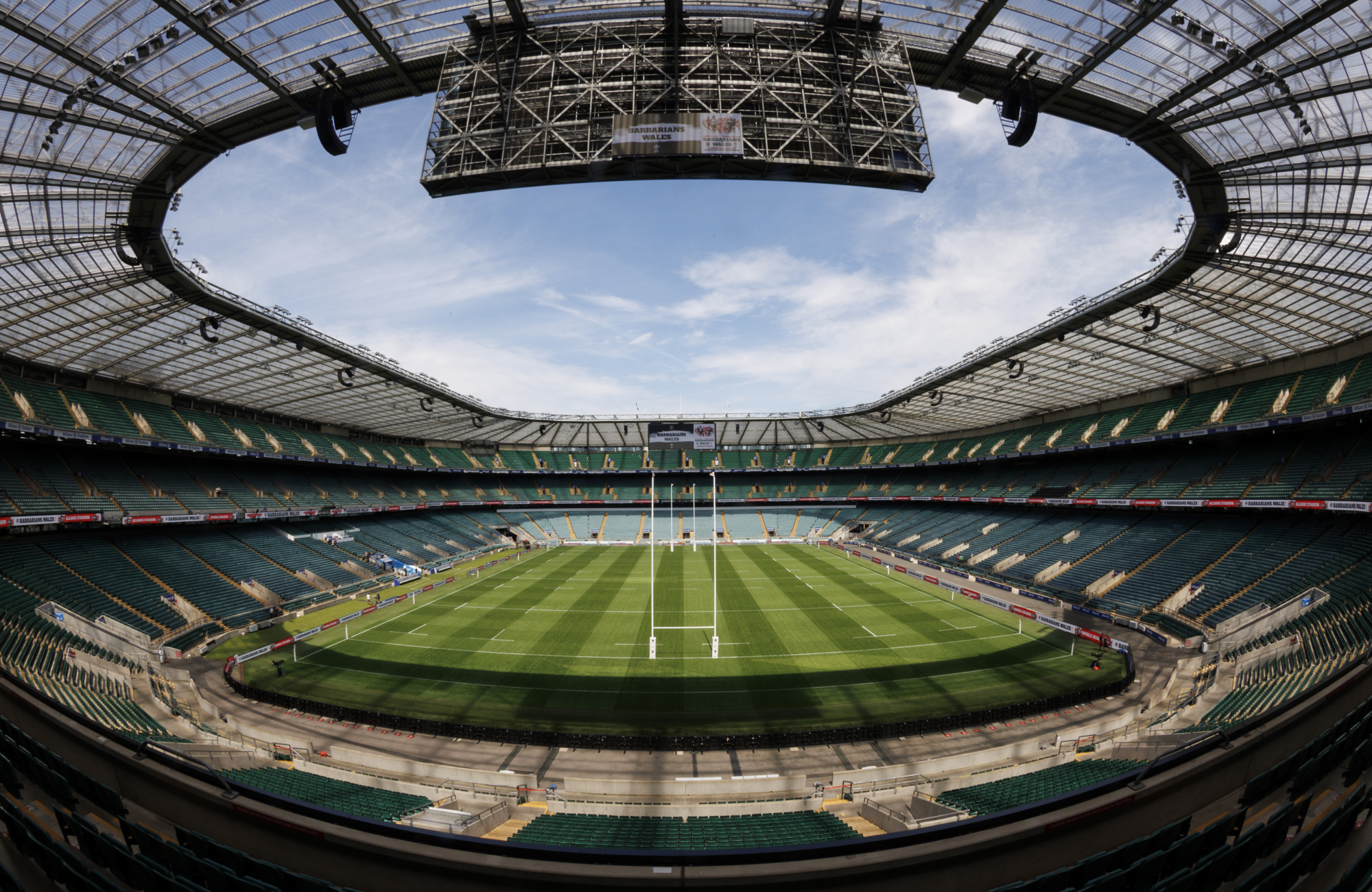
For over a century, the site in south-west London now known as Allianz Stadium has stood as the spiritual home of English rugby. Yet, to look at the towering, 82,000-capacity concrete behemoth today is to witness a transformation that defies its humble origins. Long before the roar of thousands reverberated through the stands, the land was little more than a quiet market garden dedicated to the cultivation of cabbages.
The story of "Twickers" is a quintessential tale of British sporting ambition. It is a narrative of industrial expansion, the resilience shown during two World Wars, and the constant, restless pursuit of modernization. Today, as the stadium embraces its new identity under the Allianz banner, it remains a focal point for international sport, cultural events, and the evolving identity of the Rugby Football Union (RFU).
The Genesis: A Patch of Green
In 1907, the RFU, seeking a permanent headquarters to escape the reliance on rented grounds, empowered committee member Billy Williams to find a suitable location. Williams, whose foresight earned him the nickname "Billy Cabbage," secured the purchase of a market garden in Twickenham for the sum of £5,572.
It was an audacious gamble at the time. Construction began in 1908, with the stadium emerging alongside the necessary local infrastructure, including roads and pedestrian pavements to facilitate mass transit to the site. The ground hosted its first competitive match in 1909, with Harlequins defeating Richmond in a gritty encounter. By 1910, the stadium had matured into an international venue, welcoming 22,000 spectators to witness England face Wales—a baptism of fire that cemented Twickenham’s status as the epicenter of the sport.
Chronology of a Sporting Titan
The history of the stadium is best understood through its phases of expansion and survival:
- 1909–1914: Initial construction and early international fixtures.
- 1914–1918: The Great War forced a pause in play; the pitch was repurposed for agriculture, grazing cattle, sheep, and horses to support the war effort.
- 1925: The first major structural expansion saw the construction of the 10,500-seat North Stand. Shortly after, the stadium hosted the legendary "Invincibles" tour, drawing a record crowd of 60,000 to see England face New Zealand.
- 1932: A significant capital investment of £75,025 saw the overhaul of the West and South stands, integrating administrative offices directly into the stadium fabric.
- 1938: A historic milestone occurred when the Calcutta Cup match between England and Scotland became the first rugby fixture broadcast live on television. The dramatic 21-16 result, punctuated by Robert Wilson Shaw’s iconic late try, remains etched in the folklore of the sport.
- 1939–1945: During the Second World War, the site served as a vital civil defense depot. Despite suffering damage to the West Stand, the stadium was repaired in time for a post-war Victory Test, symbolizing the endurance of the national game.
- 1979–1981: The South Stand was completely redesigned, adding a new tier that modernized the spectator experience.
- 1991–2006: The stadium underwent a massive, multi-year transformation. A new North Stand (1991) was followed by the rebuilding of the East and West stands (1993 and 1995). The final major structural shift came in 2006 with the completion of the state-of-the-art South Stand, bringing the total capacity to 82,000.
- 2024: The stadium entered a new commercial era, officially rebranding as Allianz Stadium.
Supporting Data: The Scale of Ambition
The stadium’s evolution is not merely a matter of architectural pride; it is a vital economic engine for the RFU. Its status as one of only three global venues to host two Men’s Rugby World Cup finals (1991 and 2015) underscores its international prestige. Furthermore, the 2025 Women’s Rugby World Cup final, where the Red Roses secured victory over Canada, set an all-time attendance record for a women’s rugby match, signaling a new era of growth for the sport.
The venue’s commercial versatility is equally significant. Since the Rolling Stones broke the "rugby-only" barrier in 2003, the stadium has become a premier destination for world-class entertainment, hosting acts ranging from Metallica and U2 to Rihanna and Lady Gaga.
Official Responses and Strategic Shifts
The decision to rebrand as Allianz Stadium in August 2024 was met with a mix of traditionalist nostalgia and pragmatic acceptance. From the RFU’s perspective, the move was a necessary step to ensure the long-term financial viability of the organization.
Earlier in 2024, the RFU had faced intense scrutiny regarding reports that they had considered selling Twickenham entirely to pursue a 50% stake in Wembley Stadium. The proposed shift—designed to align English rugby with the home of English football—was ultimately abandoned. Instead, the governing body opted for a strategy of "staying put and leveling up."
Regarding the future, the RFU has articulated an ambitious redevelopment roadmap. This includes a reduction in capacity from 82,000 to 80,000, a move intended to prioritize premium comfort and modern amenities over raw volume. Proposed structural improvements also include comprehensive roof repairs and a critical upgrade to the transport infrastructure surrounding the ground, which has long been a point of contention for local residents.
Implications for the Future
The implications of these changes are profound. By moving toward a "premium-first" model, the RFU is acknowledging the shift in modern spectator expectations. Today’s fan demands more than just a seat; they require hospitality, digital connectivity, and seamless access—all of which require substantial capital expenditure.
Furthermore, the ongoing tension with the Richmond Council regarding the hosting of non-rugby events remains a strategic hurdle. Currently, the RFU is limited to three such events per year with a 55,000-spectator cap. The RFU’s May 2026 announcement of updated planning applications indicates that they are not yet finished lobbying for the right to maximize the stadium’s commercial utility.
For the purist, the name "Allianz" may never replace the emotional weight of "Twickenham," but the stadium’s history suggests that the ground has always been in a state of flux. It has survived wars, transitioned from agriculture to concrete, and navigated the transition from amateur roots to a professional, globalized commercial powerhouse.
Conclusion: A Legacy Reimagined
As the Allianz Stadium looks toward the next century, it stands as a testament to the idea that heritage and progress need not be mutually exclusive. The stadium is no longer just a place to watch a scrum or a line-out; it is a multipurpose cultural hub that sits at the intersection of British history and global commerce.
While the cabbages are long gone, the soil of Twickenham remains the same. Whether it is hosting a nail-biting Calcutta Cup clash or a sold-out international music tour, the site continues to serve its original purpose: to bring people together in a space that is, in every sense of the word, iconic. The challenges of the next decade—balancing local resident concerns with the need for revenue, and upgrading a historic structure without losing its soul—will define the next chapter of this remarkable venue. However, if history is any indication, the stadium will adapt, endure, and continue to serve as the beating heart of English rugby for generations to come.


 Nana Wu
 Nana Muazin
 Neng Nana
 Lina Hope

 Sagoh
Sagoh