
 Ali Ikhwan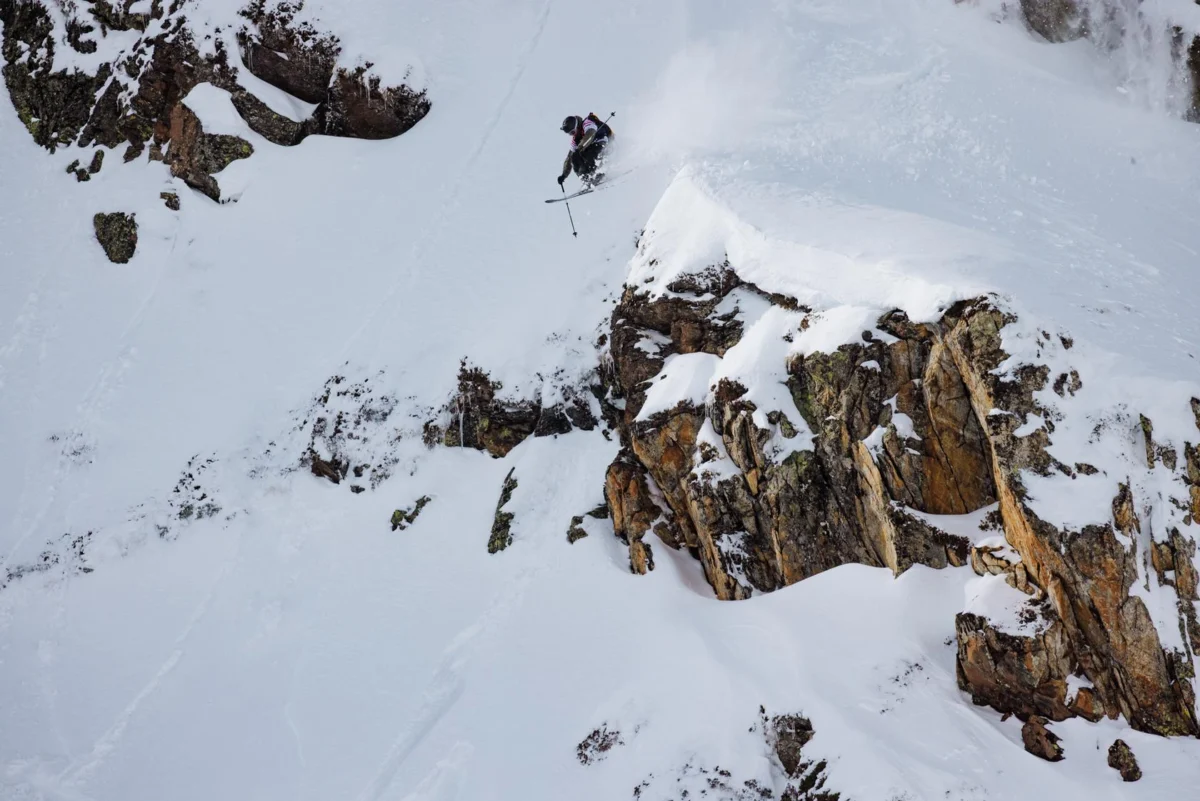
By [Your Name/Journalistic Staff]
Published July 7, 2026
The International Olympic Committee (IOC) has officially rewritten the map of winter sports. In a landmark announcement on Tuesday, July 7, 2026, the IOC confirmed that freeride skiing and snowboarding will make their debut as official medal events at the 2030 Alpes Winter Olympic Games in France. This decision marks the most significant evolution in the Winter Olympic program in decades, transitioning a discipline once defined by its rebellious, anti-establishment roots into the global sporting spotlight.
The Main Facts: A New Era for Gravity Sports
The inclusion of freeride skiing and snowboarding is not merely an expansion of the Olympic roster; it is a fundamental shift in how the world perceives mountain sports. Unlike the manicured, repetitive courses of alpine skiing or the halfpipes of freestyle snowboarding, freeride is defined by its unpredictability.
The Olympic competition will utilize natural, ungroomed terrain, challenging athletes to navigate steep, technical faces while executing creative, high-consequence maneuvers. The proposed format, which mirrors the rigorous standards of the Freeride World Tour (FWT), will feature 22 men and 22 women. Athletes will be judged on five core criteria: Line choice, air and style, fluidity, control, and technique. By preserving these subjective judging elements, the IOC aims to retain the "soul" of the sport while bringing it under the professional umbrella of the Olympic Movement.
A Chronological Path to the Games
The journey to the 2030 Games was neither swift nor accidental. It was a calculated, decade-long effort to professionalize a sport that historically operated on the fringes of the ski industry.
- 1996: The inaugural Verbier Xtreme is held in Switzerland, planting the seeds for what would become the global freeride movement.
- 2008: The Freeride World Tour (FWT) is established, providing a structured competitive circuit for the world’s best big-mountain riders.
- 2022: A pivotal year for the sport: The FWT announces a strategic merger with the Fédération Internationale de Ski (FIS). This partnership provided the institutional backing necessary for Olympic consideration.
- 2024: Freeride is officially recognized by the FIS as a formal discipline, placing it on the same administrative footing as alpine, cross-country, and freestyle skiing.
- 2025–2026: The inaugural FIS World Championships in Andorra serve as a "proof of concept," demonstrating to the IOC that freeride can be broadcasted safely and professionally on a massive scale.
- July 7, 2026: The IOC officially greenlights the inclusion of freeride for the 2030 Alpes Winter Games.
The Anatomy of the Sport: Understanding the Challenge
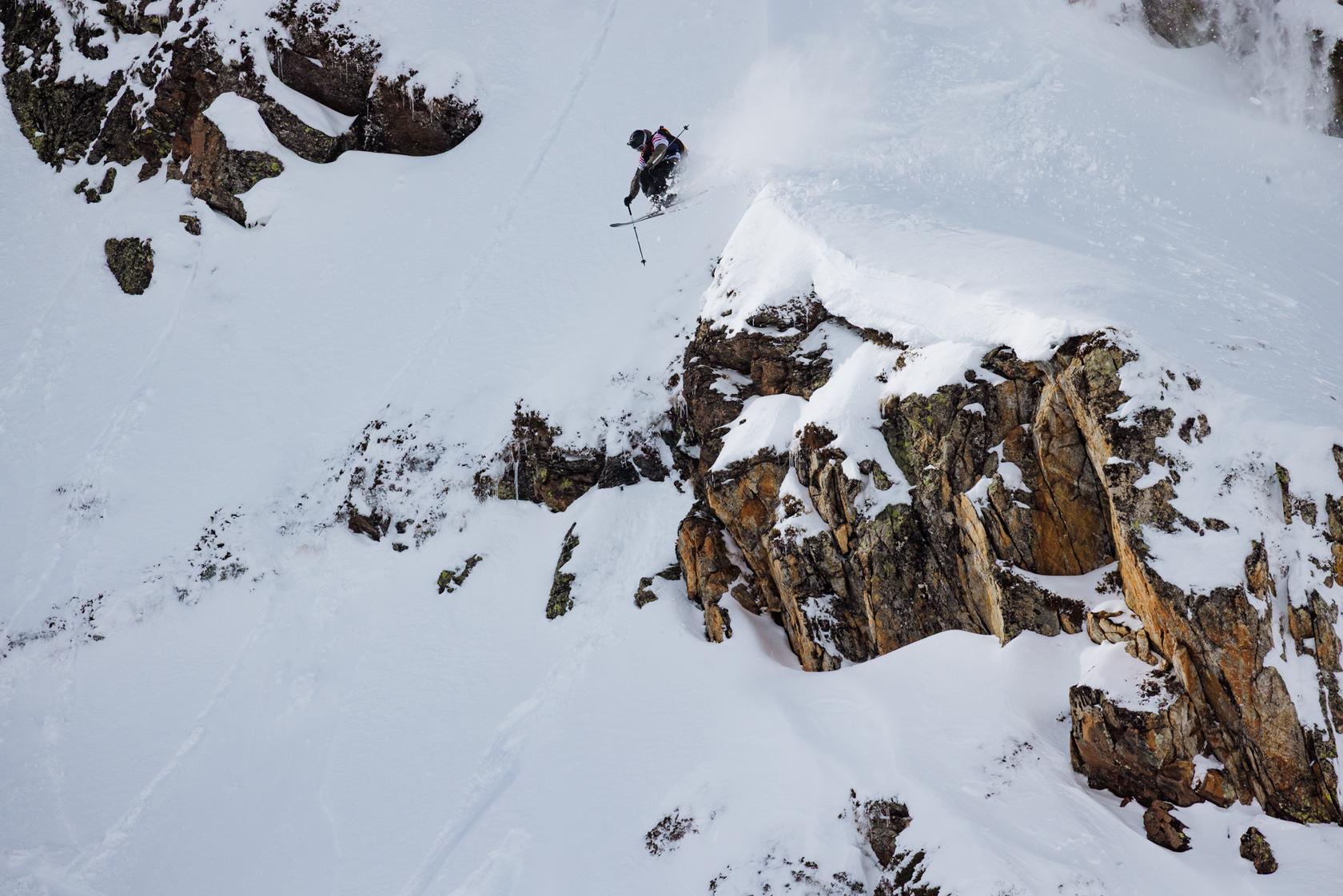
To understand the gravity of this announcement, one must understand the complexity of the discipline. In the Olympics, freeride will be unique because it lacks a "set" course. In traditional ski racing, a gates-based course is identical for every competitor. In freeride, the "field of play" is a mountain face.
Athletes are tasked with scouting the terrain and choosing a line—a route down the mountain—that showcases their technical skill and ability to handle high-consequence features like cliff drops and exposed chutes. Because no two lines are identical, the athletes’ ability to read the mountain is just as important as their physical performance. This subjectivity is what makes the sport so captivating to spectators and so difficult for traditionalists to imagine in a standardized format like the Olympics. However, the successful integration of FWT judging standards has proven that these elements can be quantified for competitive fairness.
Official Responses and Stakeholder Perspectives
The reaction from the freeride community has been one of profound validation. For years, athletes have labored in the shadow of Olympic sports, often without the national team funding or sponsorship stability afforded to their counterparts in alpine racing.
Nicolas Hale-Woods, the visionary CEO and founder of the FWT, described the announcement as a "once-in-a-generation moment." In his official statement, Hale-Woods noted, "What we are witnessing right now is the culmination of decades of passion from athletes, organizers, filmmakers, fans, and mountain communities. We are dedicated to keeping the soul of freeride intact as we transition into this new Olympic chapter."
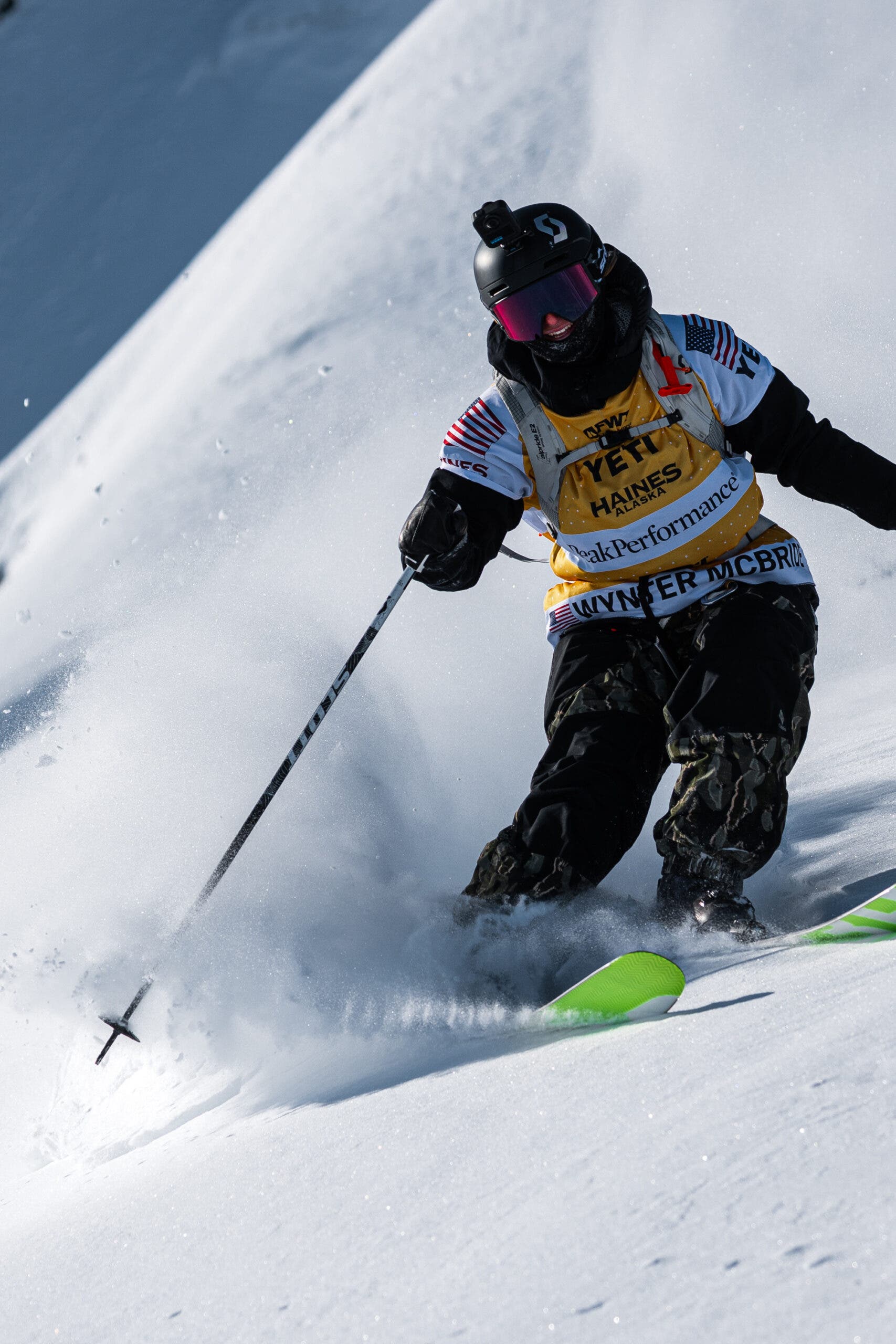
The athletes themselves share this sentiment. Wynter McBride, a 26-year-old rising star from Salt Lake City, Utah, views this as a life-defining milestone. "It makes me super motivated," she told reporters. "I’ll be making strides to be there for sure! I am at a loss for words mostly, and can’t quite contain my excitement. It feels like the right thing for the freeride community to have happen."
Ross Tester, a five-time FWT competitor, echoed the feeling of professional arrival. "The idea of freeride becoming an Olympic sport is validating as an athlete to feel recognized," Tester said. "It’s a natural progression. For a long time, we were seen as the ‘wildcards’ of the mountain. Now, we are being brought into the fold, and that is pretty rad."
Implications: The Professionalization of the Backcountry
The implications of this move extend far beyond the medal ceremonies of 2030.
1. The Resource Boom
Historically, freeride athletes have relied on private sponsors and personal grit to fund their careers. With Olympic status, the sport will be eligible for support from National Olympic Committees. "We get all the resources of our national teams," Tester noted. "So that alone is going to propel the sport a crazy amount." This means better training facilities, medical support, strength and conditioning programs, and, perhaps most importantly, travel budgets that allow for year-round training in both hemispheres.
2. A Higher Competitive Bar
The "Olympic Effect" is expected to raise the baseline of talent. As more young athletes see a clear, defined path to the podium, the entry barrier to the sport will likely become more professionalized. "I think it will raise the bar a lot for the athletes," McBride observed. "It provides an opportunity to bring value to athletes from a sponsorship perspective that simply wasn’t there before."
3. Cultural Preservation vs. Commercial Growth
The primary concern among the freeride "purists" is whether the soul of the sport will be diluted by the corporate nature of the Olympics. Will the creative expression be stifled by rigid, bureaucratic scoring? Hale-Woods remains confident that the spirit of the sport will survive. "This isn’t just another chapter; it’s a turning point," he insisted. "The performances, the venues, the energy around freeride right now reflect a sport coming into its own on the world stage."
Looking Toward 2030
While the excitement is palpable, the hard work is just beginning. FIS and the IOC face the monumental task of selecting venues in the French Alps that can accommodate the unique demands of freeride—specifically, high-alpine terrain that offers both spectator visibility and safety.
Furthermore, the qualifying path remains the most anticipated detail. Will it be based on a world ranking? Will countries hold internal trials? These questions remain unanswered, with the IOC promising further technical guidelines in the coming months.
As the world looks toward 2030, the inclusion of freeride represents a bold gamble. By inviting the most daring, creative, and unpredictable athletes into the Olympic family, the IOC is effectively betting that the next generation of winter sports fans wants to see more than just speed—they want to see the intersection of human courage and natural environment.
For the athletes who have spent decades carving lines down untouched, treacherous peaks, the 2030 Games will be more than just a competition. It will be the global validation of a lifestyle, a sport, and a culture that has finally come of age. The mountain, quite literally, is the limit.

 Iffa Jayyana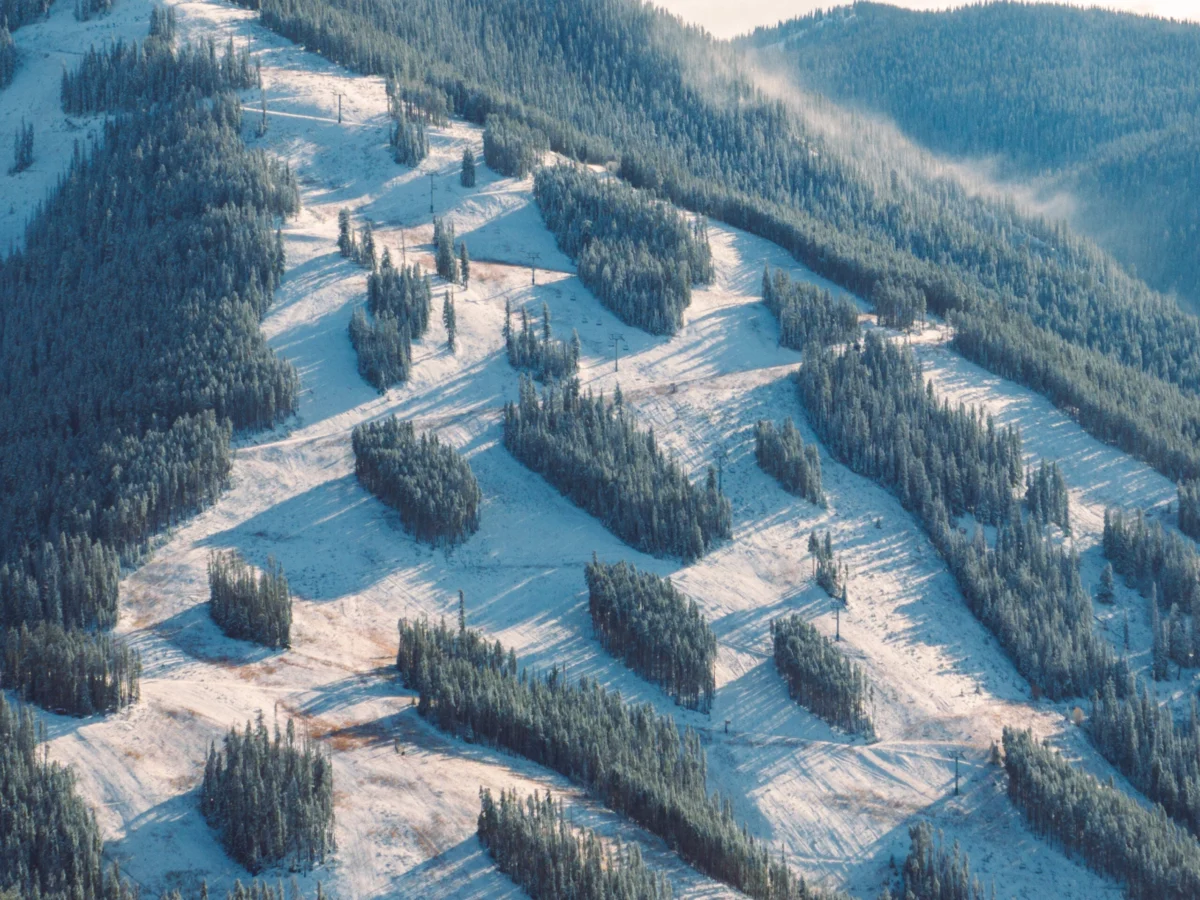
 Azzam Bilal Chamdy
 Neng Nana
 Nana Wu
 Lina Hope
 Sagoh
Sagoh