
 Suro Senen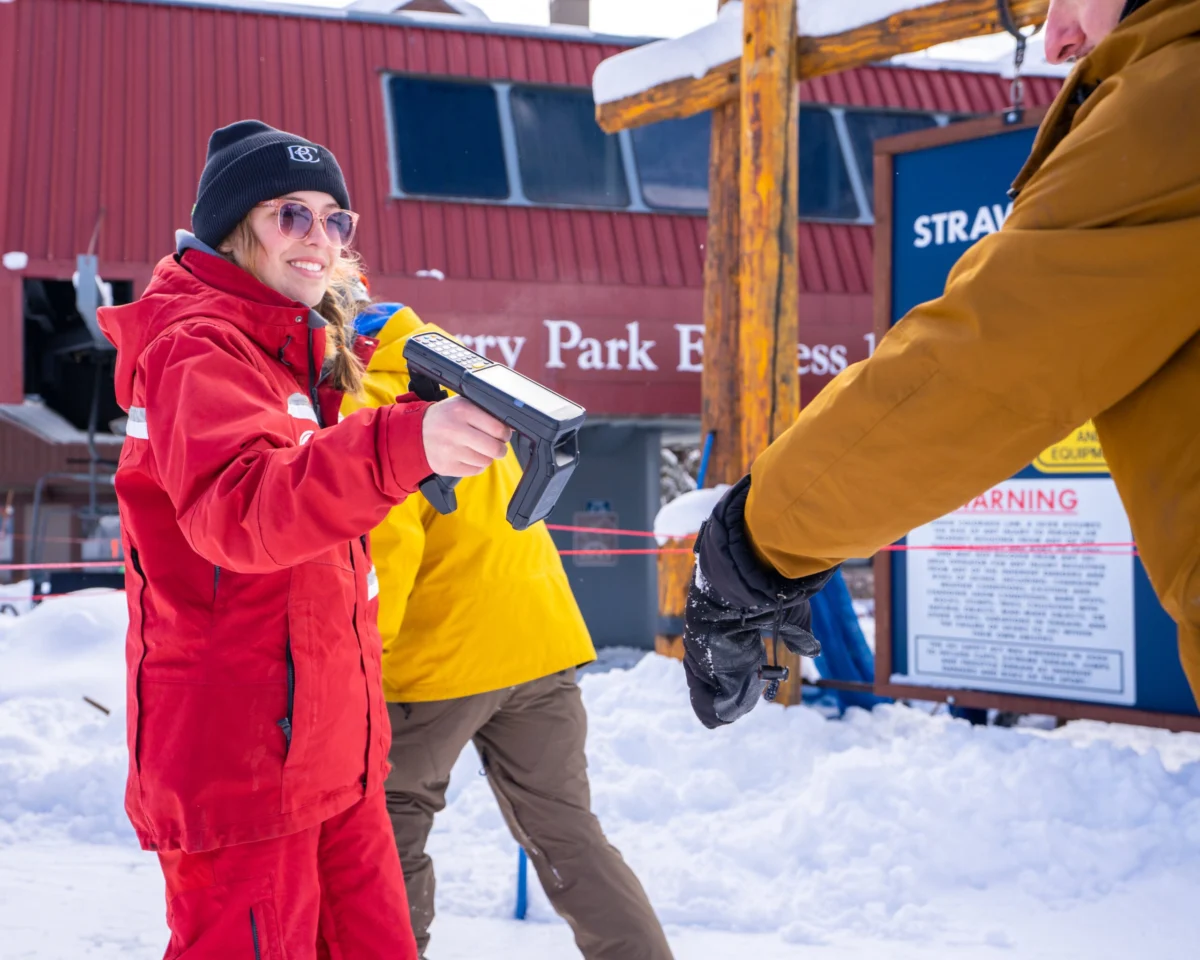
For decades, the “ski day” has been defined by a series of logistical hurdles: hauling heavy equipment, standing in winding rental queues, settling for mediocre cafeteria food, and navigating fragmented communication from resort staff. For the casual skier and the enthusiast alike, these friction points have long been accepted as the inevitable “cost of doing business” for a day on the mountain.
However, as of the 2026–27 season, Vail Resorts is signaling a definitive end to this era of friction. CEO Rob Katz, overseeing a portfolio of 42 owned and operated resorts, has identified the guest experience as the final frontier in mountain operations. Having spent the last decade pouring capital into high-speed lifts, expansive snowmaking infrastructure, and base area developments, the company is now pivoting toward a more granular, tech-enabled, and service-oriented future.
The Main Facts: A Holistic Overhaul
The initiative, dubbed by industry observers as a “frictionless mountain” strategy, aims to reclaim the hours skiers typically lose to bureaucracy. The plan is multifaceted, focusing on three core pillars: equipment personalization, culinary elevation, and digital integration.
By allowing guests to select specific ski and boot models before they ever set foot in a lodge, and by introducing “pre-tech” capabilities that save personal specifications (DIN settings and boot sole lengths) in the cloud, Vail is essentially digitizing the rental experience. Furthermore, the introduction of the Epic Ascent program for private lessons—offering concierge-level service and private staging areas—marks a significant shift toward a luxury, bespoke model of hospitality.
Chronology: The Roadmap to 2028
Vail Resorts has structured these changes into a staggered rollout, ensuring that systems are tested and refined before becoming standard across their global portfolio.
-
2026–27 Season (The Launch):
- Demo Rentals: Guests can now select exact ski and boot models online, eliminating the “surprise” factor at the rental shop.
- Epic Ascent: A high-touch private lesson program debuts at Vail Mountain and Beaver Creek.
- Culinary Revamp: The new “Elevated Classics” menu rolls out across 15 flagship resorts, including Whistler Blackcomb, Park City, and Stowe.
- Digital Integration: My Epic app receives updates to include native support for Apple Pay and Google Wallet for seamless in-resort transactions.
-
2027–28 Season (The Expansion):
- Rental Tier Expansion: The ability to choose specific gear models will be extended to the “Sport” and “Performance” rental tiers, covering the vast majority of rental customers.
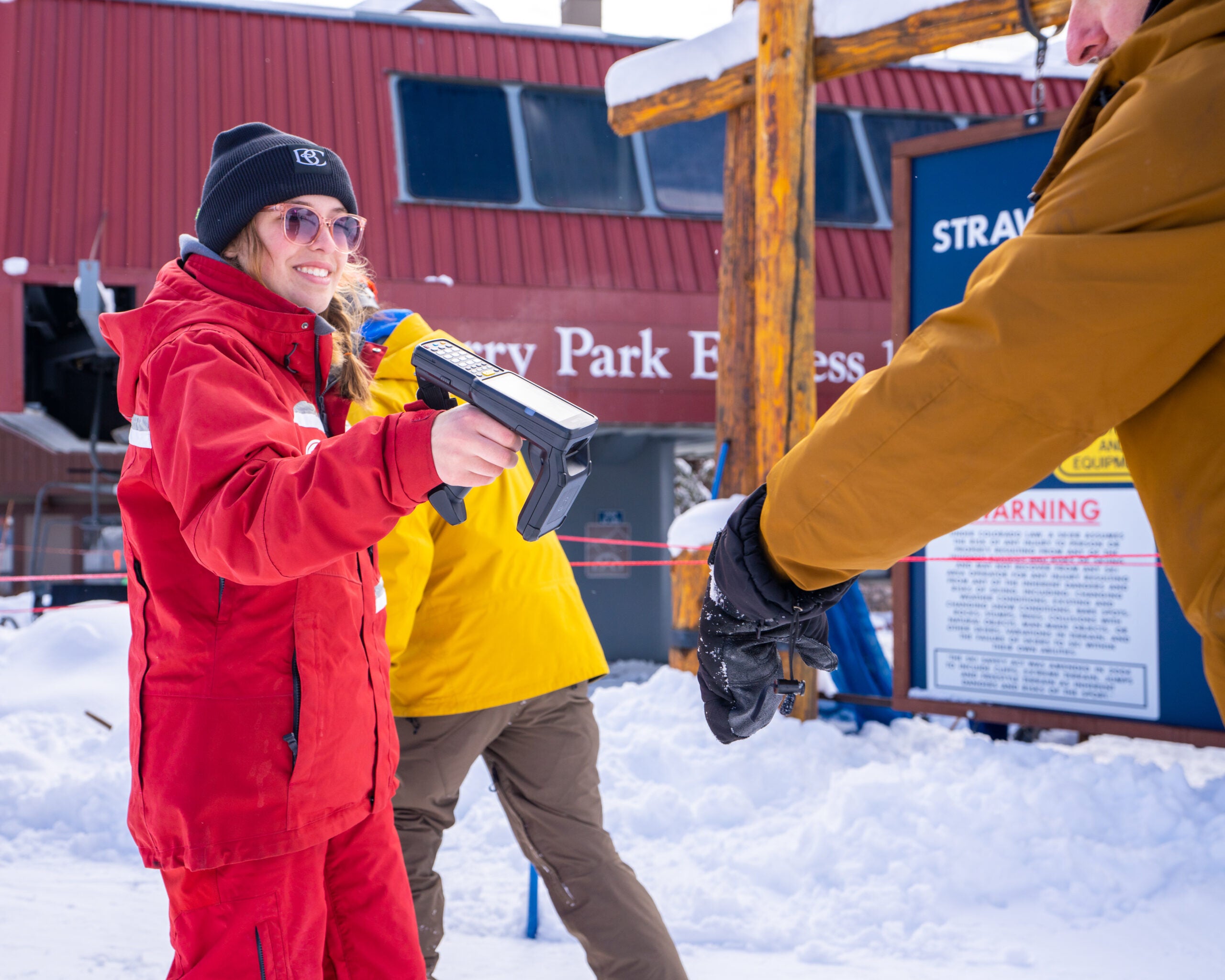
- Full “Pre-Tech” Integration: Returning skiers will be able to bypass the in-store fitting process entirely, with their settings automatically applied to pre-reserved gear.
Supporting Data: Why "Gear" Was the Target
When asked to pinpoint the most significant frustration in the modern ski experience, Rob Katz was unequivocal. “Gear. To me, that is by far the biggest challenge,” he stated.
The logistical burden of gear is two-fold. For owners, the challenge is maintenance, transportation, and the uncertainty of whether one’s personal equipment is perfectly tuned for the current day’s conditions. For renters, the process is often a bottleneck: lengthy paperwork, ill-fitting gear, and a lack of transparency regarding the quality of the equipment provided.
Vail’s data suggests that by removing these barriers, the company can increase the "on-snow time" of the average guest by a significant margin. By shifting the rental process from a reactive, in-store interaction to a proactive, digital reservation, the resort creates a "concierge" feel that encourages higher customer retention and brand loyalty.
Official Responses: Elevating the Menu and the Lesson
A common criticism of large-scale resort dining has been the reliance on high-volume, low-quality “fast food” staples. Katz acknowledges this trade-off but argues that scale does not have to be the enemy of quality.
“We’re elevating all of the core items that we sell,” Katz noted. “We are investing in the ingredients and the presentation of those items, while still being able to serve high-volume food.” The revamped menu is not a complete departure from tradition; instead, it is an upgrade. A standard burger is being replaced by a butcher’s blend patty on a brioche bun with premium toppings; fries are being replaced by seasoned waffle cuts. Importantly, Vail has committed to maintaining these upgrades without price hikes beyond standard annual inflation, a move aimed at preserving the value proposition for season pass holders.
The educational aspect of the mountain experience is also receiving a data-driven makeover. Beyond the luxury Epic Ascent program, the company is democratizing feedback for group lessons. By providing an in-app digital report card, instructors can provide parents and students with a clear understanding of their progress, accompanied by photographic evidence of their day. This shift mirrors the airline industry’s approach to travel, where digital updates and transparent communication have become the gold standard for consumer expectations.
Implications: The Digitization of the Mountainside
The most profound implication of this strategy is the subtle, yet pervasive, role of the My Epic app. Katz is walking a tightrope: he wants to leverage AI and mobile technology to streamline operations, but he is acutely aware of the risk of “over-digitizing” the outdoor experience.
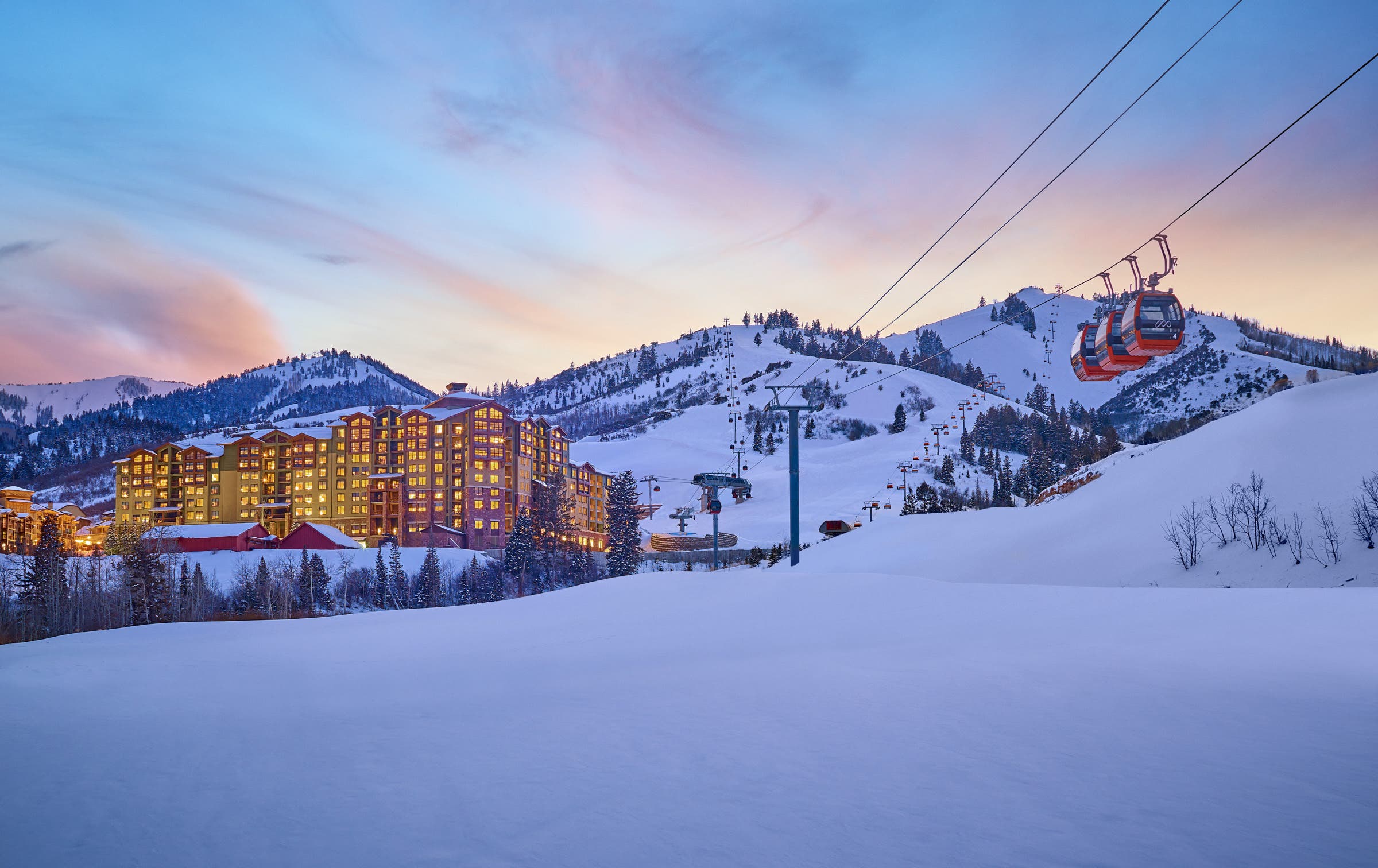
“We feel like our company is uniquely positioned to do that because of our size, scale, and the technology and the solutions that we can bring,” Katz says. The goal is not to have skiers staring at screens, but to have technology working in the background to provide real-time information—such as lift wait times and dining capacity—allowing the guest to focus on the terrain rather than the logistics.
The Human Element
Critics have occasionally argued that technology can strip the “soul” from the ski experience, replacing human interaction with automated kiosks. However, Vail’s strategy suggests the opposite. By automating the mundane tasks—signing waivers, fitting boots, checking in—the company hopes to free up their staff to provide more meaningful, high-value interactions. The Epic Ascent concierge service is the clearest example of this: by offloading the clerical work to the app, the staff can focus on guiding, teaching, and hospitality.
Looking Ahead: A New Standard for the Industry
As Vail Resorts moves into the latter half of the decade, the pressure to maintain its market dominance is high. Competitors are watching these developments closely. If the 2026–28 initiatives prove successful, it is likely that the entire industry will be forced to follow suit.
The traditional “ski day” has long been an exercise in patience. By investing in the intersection of high-quality ingredients, customized equipment, and intuitive digital tools, Vail is betting that the modern skier is looking for a seamless, premium experience that respects their time as much as it respects their passion for the sport.
Whether this creates a more inclusive environment or further deepens the divide between premium experiences and standard access remains to be seen. However, one thing is clear: the era of the “rental shop bottleneck” and the “standard cafeteria burger” is drawing to a close. For the millions of skiers who traverse Vail-operated terrain, the future of the mountain is no longer just about the vertical drop—it’s about the frictionless ease of getting there.
Summary of Key Upgrades
| Service Area | 2026–27 Update | 2027–28 Update |
|---|---|---|
| Rental Gear | Specific model selection for Demos | Specific model selection for all tiers |
| Fitting | In-store fitting | Remote "Pre-Tech" for returners |
| Ski School | Digital report cards (14 resorts) | Continued expansion of tracking |
| Dining | Elevated menu at 15 resorts | Continued expansion of culinary quality |
| Technology | Apple/Google Pay in-app | Integrated, AI-assisted guest flow |
As the company looks to the next three to five years, the focus remains clear: leveraging scale to solve the small, nagging frustrations that have hindered the ski industry for decades. The mountain is evolving, and for the guest, the path to the chairlift is about to get a whole lot shorter.

 Iffa Jayyana
 Azzam Bilal Chamdy
 Neng Nana
 Nana Wu
 Lina Hope

 Sagoh
Sagoh