
 Reynand Wu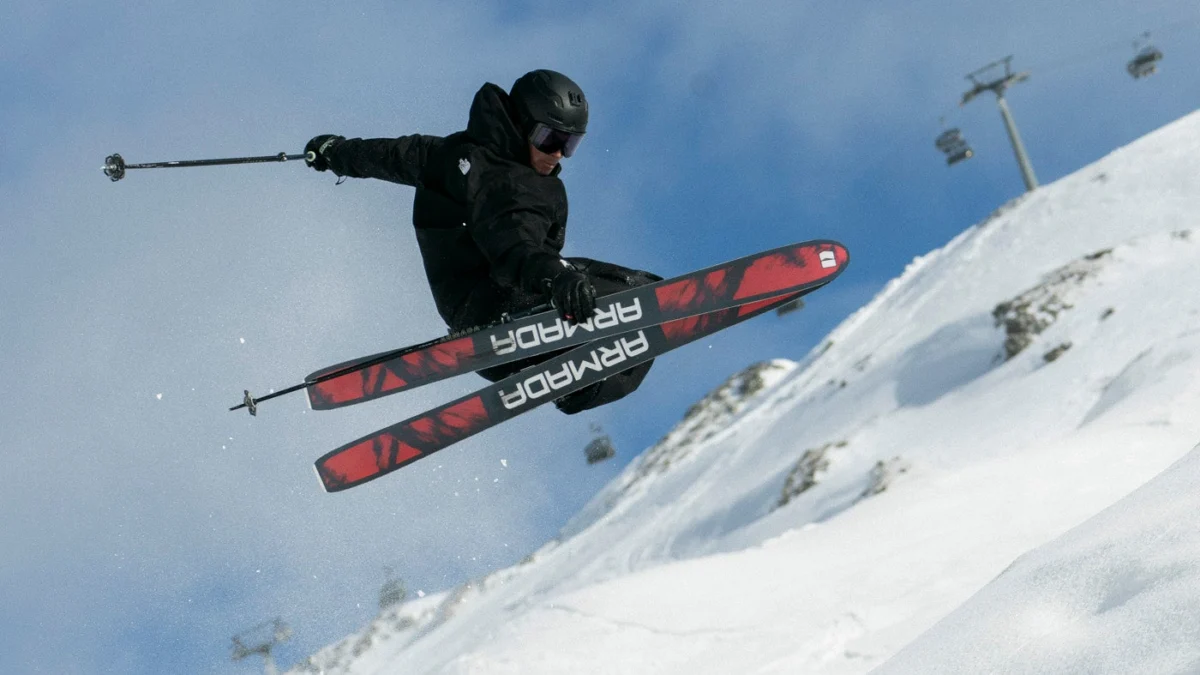
Published July 14, 2026
On July 7, 2026, the trajectory of competitive skiing shifted on its axis. In a move that had been whispered about in the hallways of the International Olympic Committee (IOC) for nearly a decade, officials officially confirmed that freeride skiing will make its Olympic debut at the 2030 Winter Games in the French Alps. For the core community of big-mountain enthusiasts, the news felt less like a surprise and more like a long-overdue validation of a discipline that has pushed the boundaries of human performance for years.
The integration of freeride into the Olympic program is the ultimate culmination of a corporate and athletic evolution that began in earnest in 2022, when the International Ski and Snowboard Federation (FIS) acquired the Freeride World Tour (FWT). This merger provided the structural framework necessary to bridge the gap between "extreme" mountain culture and the rigid, high-stakes governance of Olympic sport.
A Chronology of the Rise of Freeride
To understand the significance of this 2030 announcement, one must look back at the rapid professionalization of the sport.
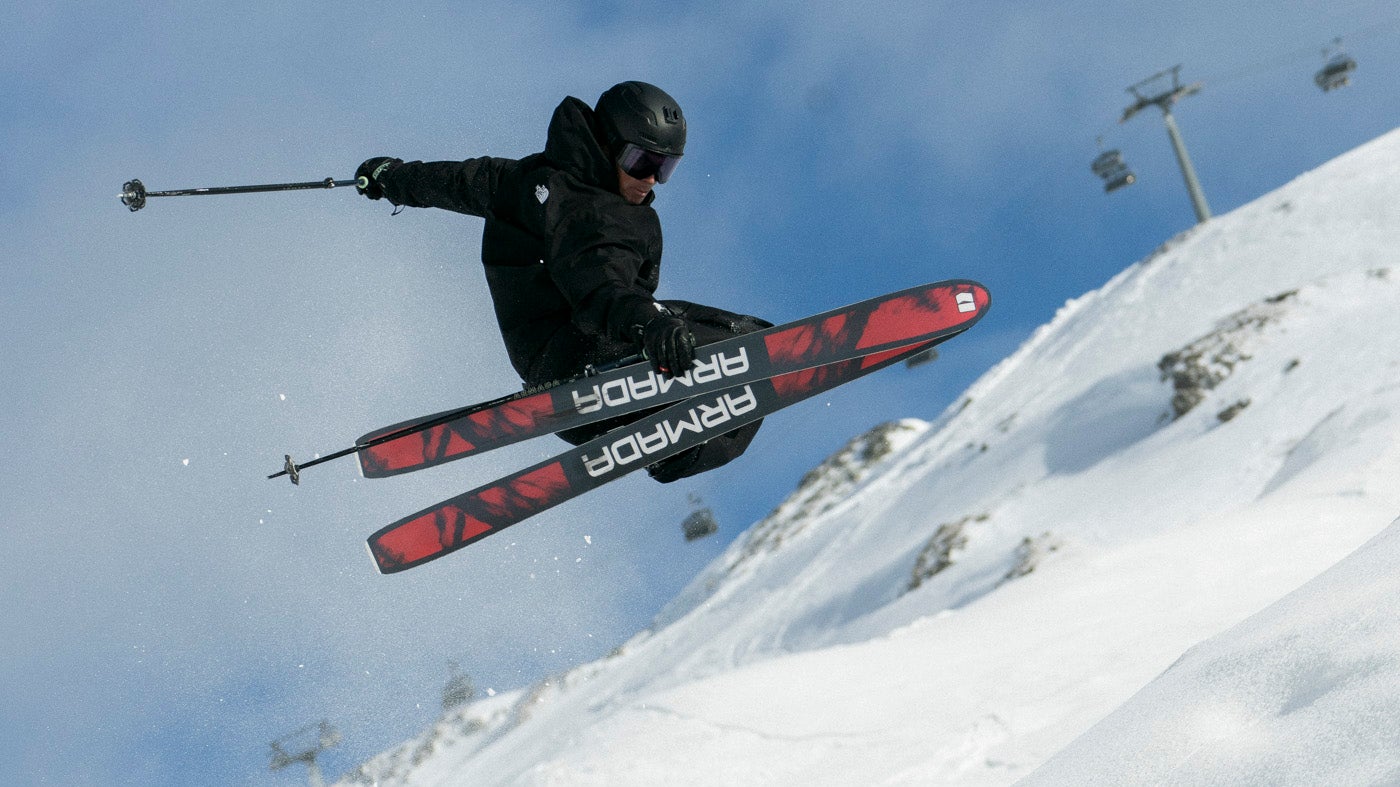
- 2008–2021: The Freeride World Tour operated as an independent, athlete-driven circuit, fostering a culture of innovation where style, line choice, and technical mastery were the primary currencies.
- 2022: The pivotal FIS acquisition. This move introduced standardized judging criteria, rigorous anti-doping protocols, and a clear pathway for global broadcasting, transforming the tour from a niche event into a premier athletic spectacle.
- 2024–2025: The "Age of the Prodigy." Athletes like Marcus Goguen and Ben Richards redefined technical capability, landing tricks previously reserved for terrain parks on 40-foot cliffs in high-alpine, no-fall-zone terrain.
- July 7, 2026: The IOC officially adds "Big Mountain Freeride" to the 2030 program, cementing its place alongside staples like the Downhill and Slalom.
Understanding the "Freeride" Difference
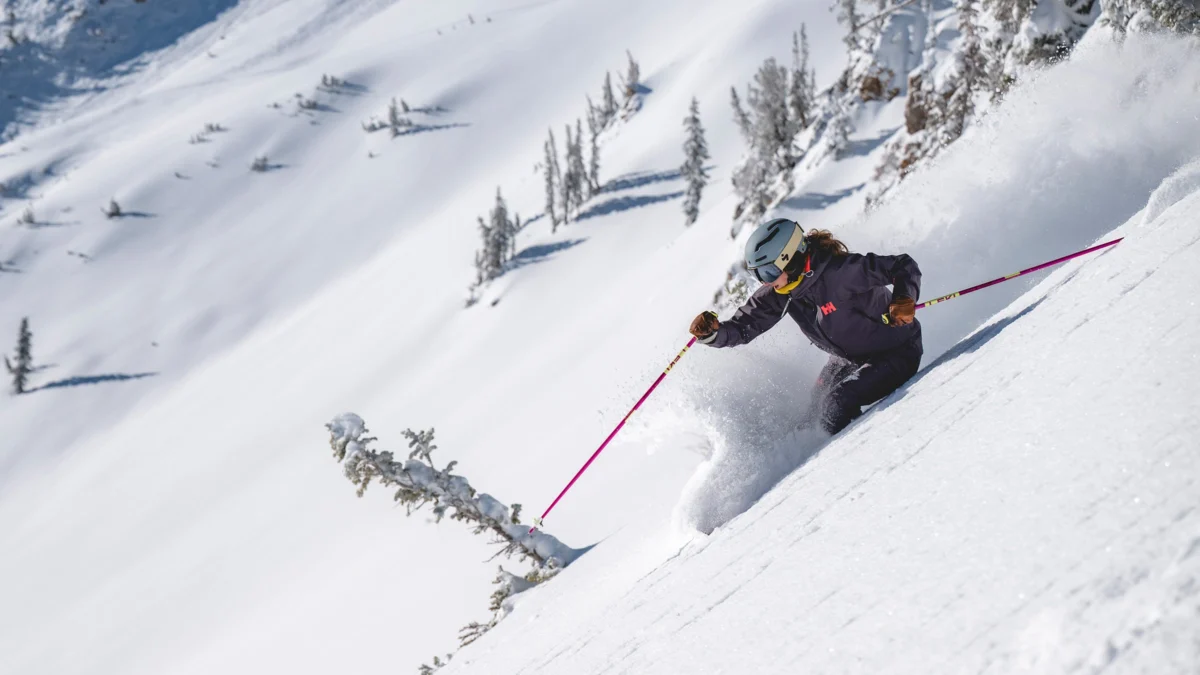
If you are unfamiliar with the discipline, the visual is jarring. Unlike the repetitive, groomed courses of Olympic Alpine events, freeride is about the mountain’s raw, unpredictable nature. Athletes are given a visual inspection of a steep, ungroomed face but are strictly prohibited from skiing it prior to their one-and-only competition run.
If an athlete crashes and loses a ski, they are disqualified. If they take a line that lacks "fluidity" or "creativity," they are penalized. They are essentially navigating high-speed, 50-degree chutes and mandatory air drops, often in snow conditions that range from sun-baked crust to wind-scoured ice.
Stability Over Float: The Gear Evolution
The gear that makes this possible is a marvel of modern engineering. For years, the industry leaned toward narrower, carving-oriented skis. However, the Olympic announcement is already signaling a market shift back toward the "mid-fat" freeride ski.
A freeride ski is fundamentally different from an all-mountain or powder-specific ski. While a powder ski prioritizes float—the ability to stay on top of deep, light snow—a freeride ski prioritizes stability. At 110–115mm underfoot, these skis utilize a combination of rocker and heavy-duty metal laminates to ensure that when a rider hits a high-speed, frozen landing, the ski doesn’t "hook up" or chatter.
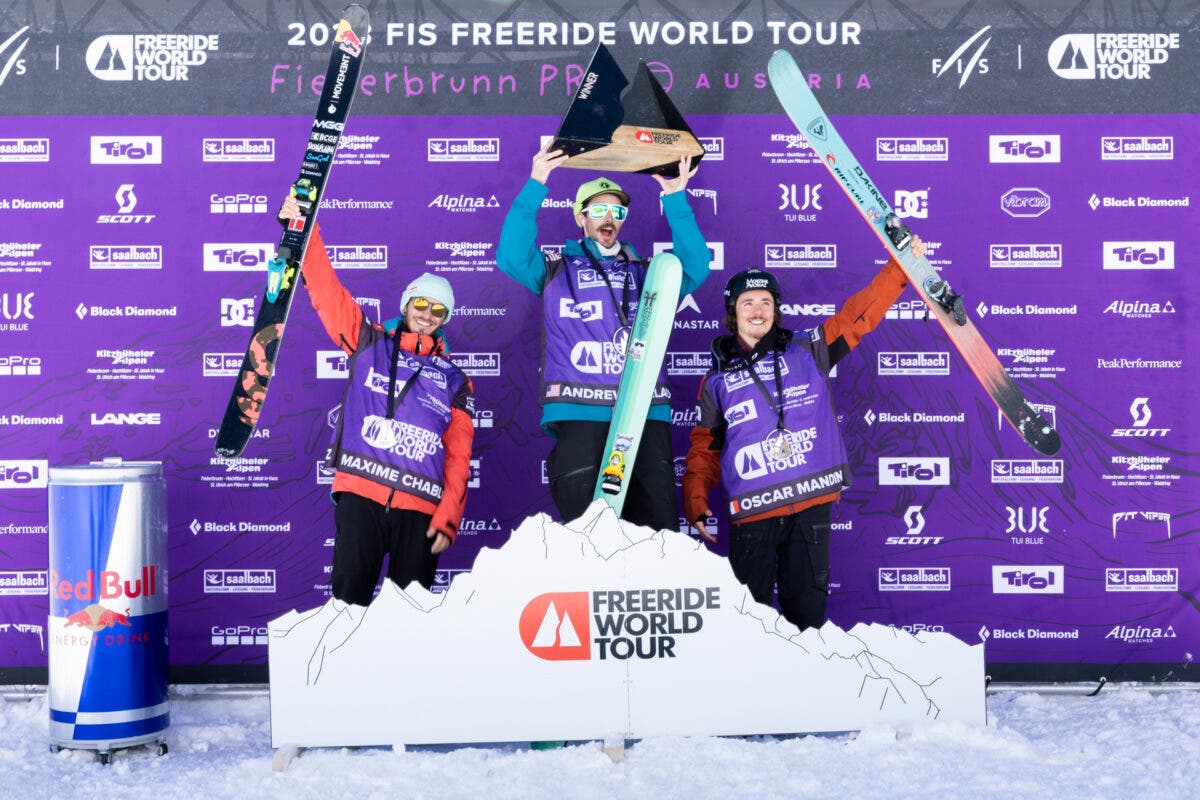
In the early 2010s, these skis were "iron beams"—long, heavy, and difficult to turn. Today, thanks to the demands of FWT athletes who need to spin off cliffs, the technology has evolved. Modern podium-winning skis are lighter, balanced for mid-air maneuvers, and equipped with sophisticated tail rocker that allows for "switch" (backward) landings on variable, treacherous terrain.
Supporting Data: The Equipment of Champions
The dominance of specific equipment over the last two years provides a blueprint for what we will likely see on the podium in 2030.
The Atomic Maverick 115 CTi
Justine Dufour-Lapointe, a two-time World Champion (2023, 2025), has been a primary advocate for this model. The Maverick is a masterclass in versatility; it is burly enough to handle the 40-foot drops required at the Verbier Xtreme, yet nimble enough to allow Dufour-Lapointe to throw her signature backflips with precision.
The Rossignol Sender Free 110
Marcus Goguen, the 2025 World Champion, proved that a "flickable" ski with a stout Titanal backbone is the key to victory. His winning run at the 2025 finale featured a massive, unprecedented cliff drop that has since been named in his honor. The Sender Free 110 allowed him to navigate tight, technical couloirs at speeds that would intimidate even seasoned racers.
The Armada Antimatter 114
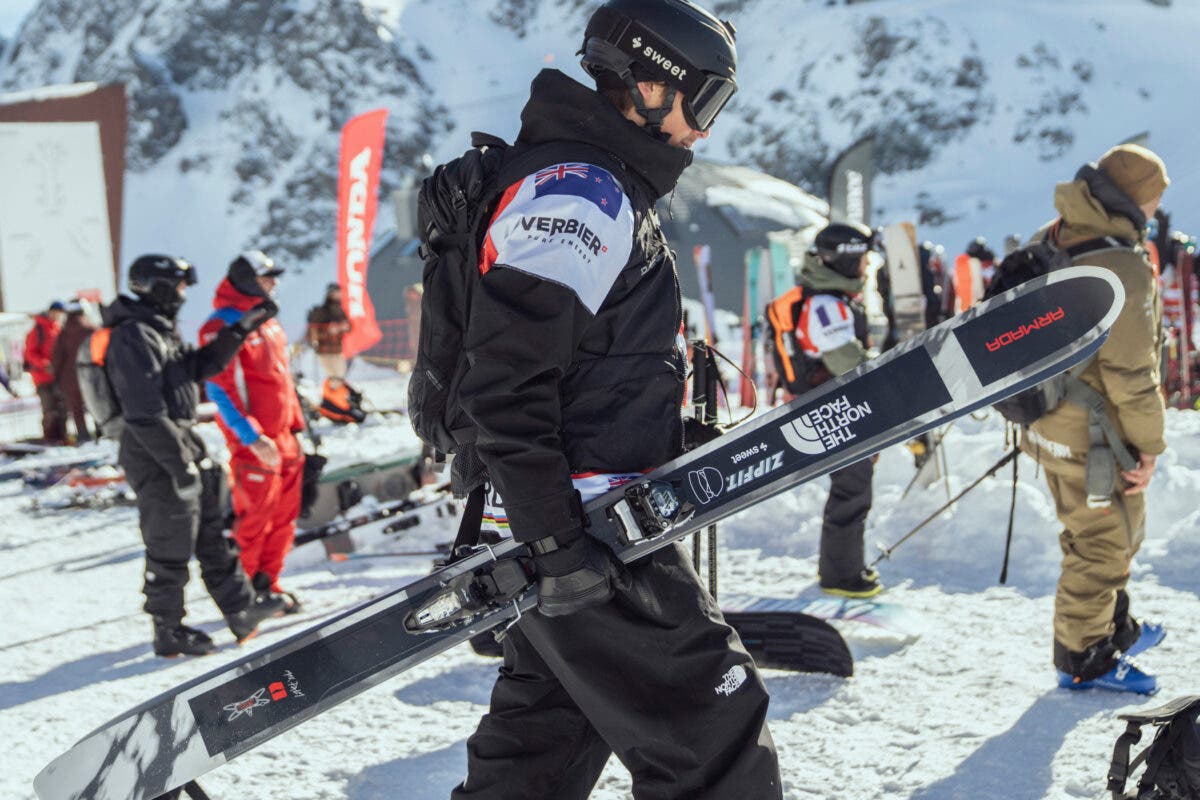
The most significant technological leap came this past season with the Antimatter 114, developed by FWT icon Max Palm. Palm, who made history as the first to land a double backflip in a competition, wanted a directional ski that could handle aggressive, fall-line charging while remaining playful enough for creative freestyle maneuvers. Ben Richards used this ski to achieve a historic four-win season in 2026, marking it as the current gold standard in the sport.
Official Responses and Industry Outlook
The IOC’s decision has sent a ripple effect through the manufacturing sector. "We are seeing a total pivot in R&D," says one industry lead. "For the last five years, everyone was chasing the narrow, piste-performance trend. Now, every major brand is looking at their ‘Freeride’ category and pouring in the R&D budget that used to go into Slalom skis."
FIS President Johan Eliasch noted in a press conference, "Freeride represents the spirit of skiing. It brings the sport back to the mountains, back to the wild. By incorporating this into the Olympics, we are showing the world that skiing is not just about gates and clocks—it’s about terrain, creativity, and the mastery of the elements."
Implications for the Average Skier
The most exciting implication of this move is the "trickle-down" effect of technology. Unlike Olympic Alpine racing skis, which are highly specialized and often impossible for the public to purchase or control, the skis used on the Freeride World Tour are commercially available.
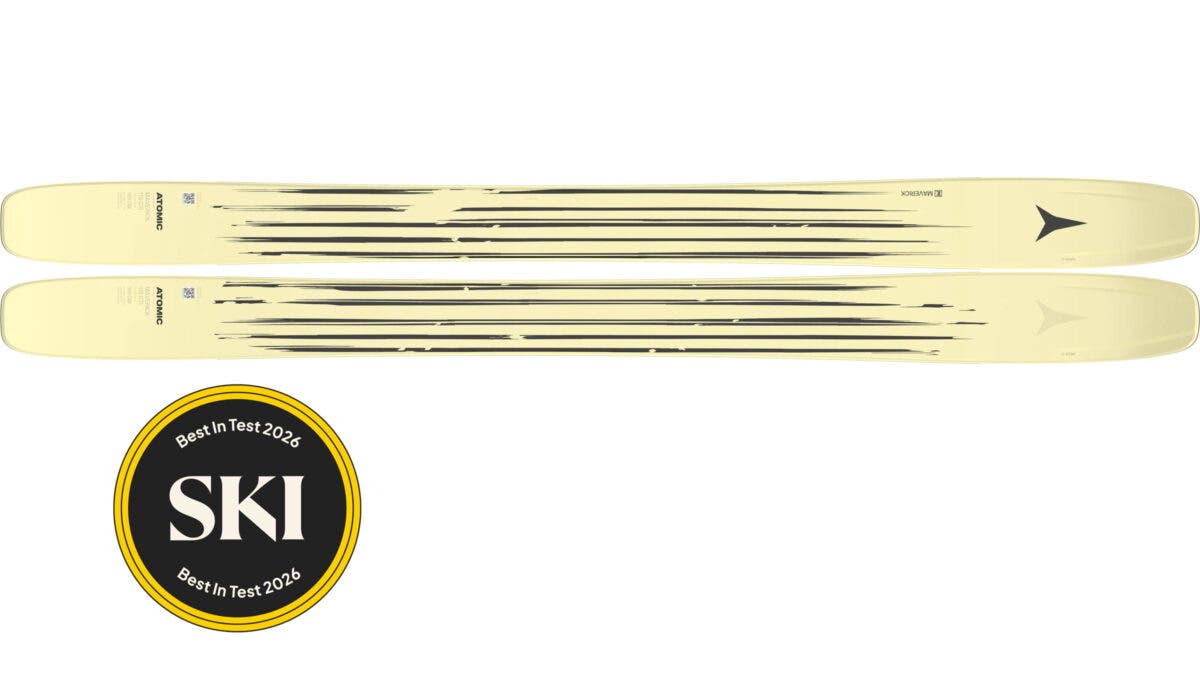
Because the competitive trend now favors lighter, more agile, and more forgiving freeride skis, the average resort skier stands to benefit. Modern freeride skis are actually becoming easier for non-pros to pilot. The rocker profiles that help Ben Richards slash through a 50-degree couloir also help the intermediate skier navigate an afternoon of "chopped-up" crud at their local resort.
The 2030 Forecast
As we look toward the 2030 Games, expect to see the following:
- Massive Growth in Amateur Participation: Just as the X-Games spurred a boom in park skiing, the Olympic debut will likely drive record-breaking sales for 105mm+ waisted skis.
- Technological Innovation: We are on the precipice of a "materials revolution," where companies will race to create skis that are lighter than air yet stronger than steel to meet the ever-increasing height of competition cliff drops.
- Cultural Shift: The distinction between "Alpine" and "Freeride" will blur. We will see more Olympic hopefuls training in the backcountry, focusing on versatility rather than the narrow, specialized training regimens of the past.
The next time you find yourself standing at the top of a lift, look at your gear. If you are still relying on a thin, 90mm ski, you might be missing out on the evolution of the sport. The kids at the resort are already testing the boundaries on wide, rockered skis, and by the time the Olympic torch is lit in the French Alps in 2030, the entire world will be watching to see exactly how these athletes turn a wild, unforgiving mountain face into a canvas for athletic genius. The era of the freeride athlete has officially arrived.

 Iffa Jayyana
 Azzam Bilal Chamdy
 Neng Nana
 Nana Wu
 Lina Hope
 Sagoh
Sagoh