
 Nana
Nana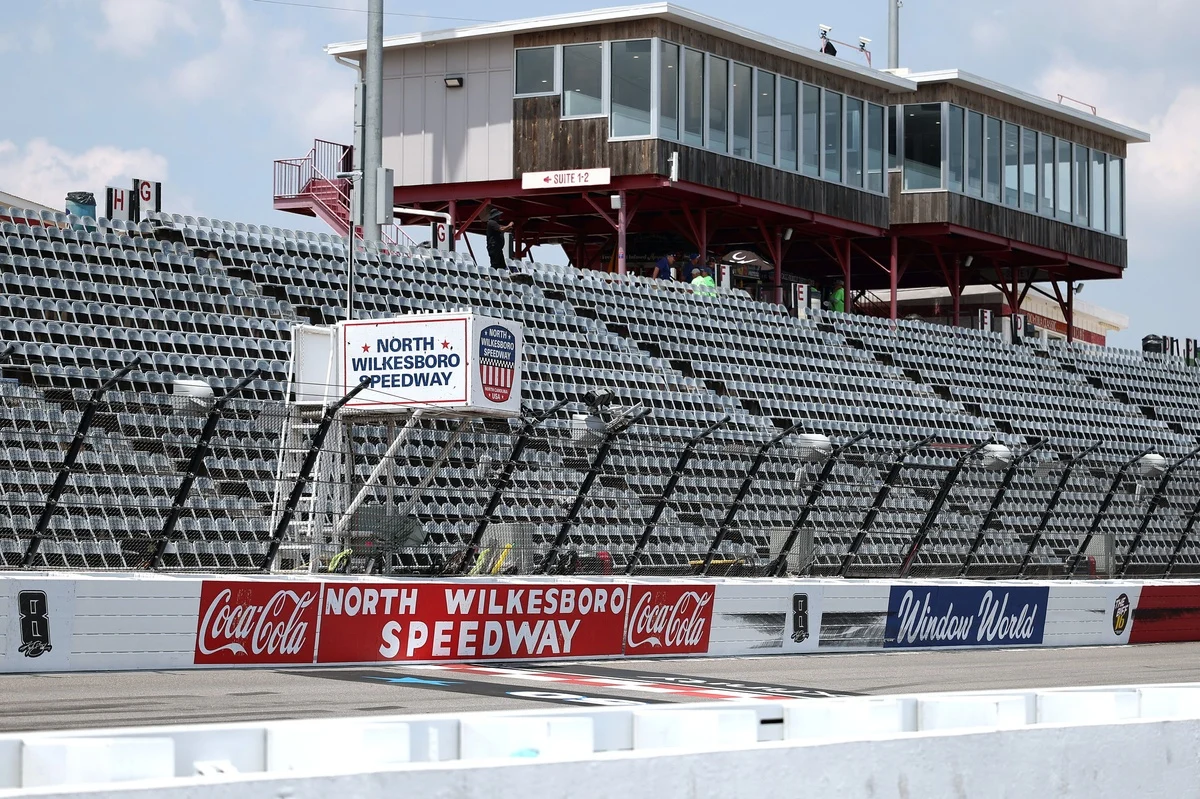
NORTH WILKESBORO, N.C. – The historic and much-anticipated return to the legendary North Wilkesboro Speedway hit a significant weather-related roadblock on Friday afternoon. As heavy storms swept across the Piedmont region of North Carolina, NASCAR officials were forced to make the difficult but inevitable decision to cancel the scheduled Cup Series qualifying session.
The cancellation, necessitated by safety concerns and track conditions, has fundamentally altered the weekend’s trajectory. Without a traditional qualifying run to set the field, the starting grid for the upcoming Cup Series race has been determined by NASCAR’s established competition-based formula. Consequently, Team Penske’s Ryan Blaney will lead the field to the green flag, spearheading a lineup that reflects both recent performance metrics and overall owner standings.
The Formula: How the Field Was Set
In the absence of on-track qualifying, NASCAR utilized its mathematical metric system to determine the starting order. This formula, which became a standard protocol during the pandemic-era scheduling adjustments, relies on a weighted average of three specific performance indicators:
- Owner Standings (30%): A reflection of the car’s consistency throughout the season to date.
- Most Recent Race Finish (70%): A heavy emphasis on momentum and current form.
By prioritizing the most recent race finish, the formula ensures that drivers who are currently running well are rewarded with better track position, while maintaining a degree of long-term accountability through the owner standings. While the paddock remains split on the merits of a formulaic grid versus the excitement of a high-stakes qualifying session, the system provides a objective, transparent method for setting the stage when Mother Nature intervenes.
The Starting Grid: Blaney Leads the Charge
Ryan Blaney, piloting the No. 12 Team Penske Ford, finds himself in the coveted pole position. Blaney’s performance throughout the early stages of the 2024 season has been characterized by steady improvement and technical precision, making him a logical—if circumstantial—leader for Sunday’s event.
Sharing the front row is Joe Gibbs Racing’s rising star, Ty Gibbs. The driver of the No. 54 Toyota has demonstrated remarkable poise this year, consistently fighting near the front of the pack. His second-place start is a testament to his recent finishes, which have vaulted him into a position to challenge the veteran leaders of the garage.
The remainder of the top five features a blend of established champions and young talent:
- Christopher Bell (No. 20 Toyota): Starting third, Bell remains a formidable threat on short tracks, a specialty for the JGR driver.
- Carson Hocevar (No. 77 Chevrolet): The rookie’s fourth-place start is perhaps the most notable headline of the day, highlighting the impressive gains made by his team in recent weeks.
- Tyler Reddick (No. 45 Toyota): Rounding out the top five, Reddick’s aggression and speed make him a natural contender for the win from the second row.
The top ten is completed by Erik Jones, Denny Hamlin, the international sensation Shane van Gisbergen, Chris Buescher, and former champion Chase Elliott.
Navigating the Mid-Pack and Beyond
The formulaic distribution has left several heavy hitters buried in the field, setting up a potentially chaotic race as drivers look to navigate traffic early. Notable names such as Brad Keselowski (23rd) and Bubba Wallace (26th) will have their work cut out for them, as will Kyle Larson (27th) and Chase Briscoe (30th).

For drivers like Larson, starting near the back of the pack at a track like North Wilkesboro—where passing can be notoriously difficult due to the track’s unique surface and tight configuration—presents a significant tactical challenge. The race, which will emphasize tire management and short-track discipline, will likely see these drivers employing aggressive pit strategies to claw their way toward the front.
Chronology of the Cancellation
The day began with high hopes as teams prepared their machines for the technical inspection process. However, as the afternoon progressed, meteorological reports indicated a severe weather cell moving directly toward the Wilkes County area.
- 12:00 PM: NASCAR officials hold a briefing with team crew chiefs regarding the potential for inclement weather.
- 2:15 PM: Light rain begins to fall, forcing a halt to all track activity.
- 3:00 PM: Track drying efforts commence, but subsequent heavy rain and lightning in the vicinity of the speedway lead to an extended delay.
- 4:30 PM: With the track surface saturated and further storms forecast for the evening, NASCAR officially cancels the Cup Series qualifying session to protect the integrity of the remaining schedule.
- 5:00 PM: NASCAR announces the starting grid based on the established metric, while simultaneously expressing hope that a shortened practice session might be salvaged later in the weekend to allow drivers to feel out the track conditions.
Official Responses and Implications
NASCAR officials have maintained that the decision to cancel was made with the safety of both the participants and the fans in mind. "The weather simply gave us no window to operate safely," a league spokesperson noted. "Our priority is to get the cars on the track for the race, and we had to protect the integrity of the surface and ensure that our teams could focus their energy on the main event."
For the teams, the cancellation is a double-edged sword. While it saves the wear and tear on engines and tires that usually accompany qualifying runs, it deprives the crew chiefs of valuable data. Without a qualifying session, there is no opportunity to test one-lap speed or see how the cars behave on a cold track surface.
"It’s frustrating to lose the track time," said one crew chief, speaking on condition of anonymity. "We came here with a specific plan for the qualifying trim. Now, we have to look at our notes from previous years and rely on our simulation data to guess where the balance will be when the green flag drops."
Strategic Implications for Sunday
The absence of a qualifying session shifts the pressure entirely onto the opening laps of the race. Teams that were confident in their qualifying speed must now pivot to a race-trim mindset. Strategy will likely hinge on:
- Tire Degradation: North Wilkesboro is famous for its abrasive surface. Managing the drop-off in tire performance will be the primary factor in determining the winner.
- Pit Road Efficiency: With limited practice, teams that can execute mistake-free pit stops will have a distinct advantage.
- Track Position: Because the field is set by a metric, the "clean air" at the front is a premium commodity. Blaney and Gibbs will have the advantage of setting the pace, while those starting deep in the pack will need to be opportunistic on restarts.
A Legacy Restored
Despite the rain, the atmosphere at North Wilkesboro remains electric. The track, which was famously dormant for decades before its recent revitalization, continues to be a favorite among both fans and drivers. The return to this historic venue symbolizes the sport’s deep respect for its roots, even as it navigates the modern challenges of weather and technology.
As the garage looks toward the race, the narrative has shifted from who is fastest over a single lap to who can master the technical nuances of the track over the course of a long, grueling event. Sunday promises to be a test of endurance, patience, and adaptability—the very traits that defined the legends who raced here in years past.
The weekend’s events at North Wilkesboro serve as a reminder of the inherent unpredictability of NASCAR. Whether through mechanical failure, a last-lap pass, or the whims of a thunderstorm, the sport remains as much about overcoming adversity as it is about crossing the finish line first. For Ryan Blaney and the rest of the field, the work has only just begun. The storm may have washed away the qualifying session, but it has only cleared the path for an intense and unpredictable showdown on one of racing’s most storied stages.


 Pevita Pearce
 Evan Lee Salim
 Neng Nana
 Nana Wu
 Lina Hope
 Sagoh
Sagoh
 Iffa Jayyana