
 Ammar Sabilarrohman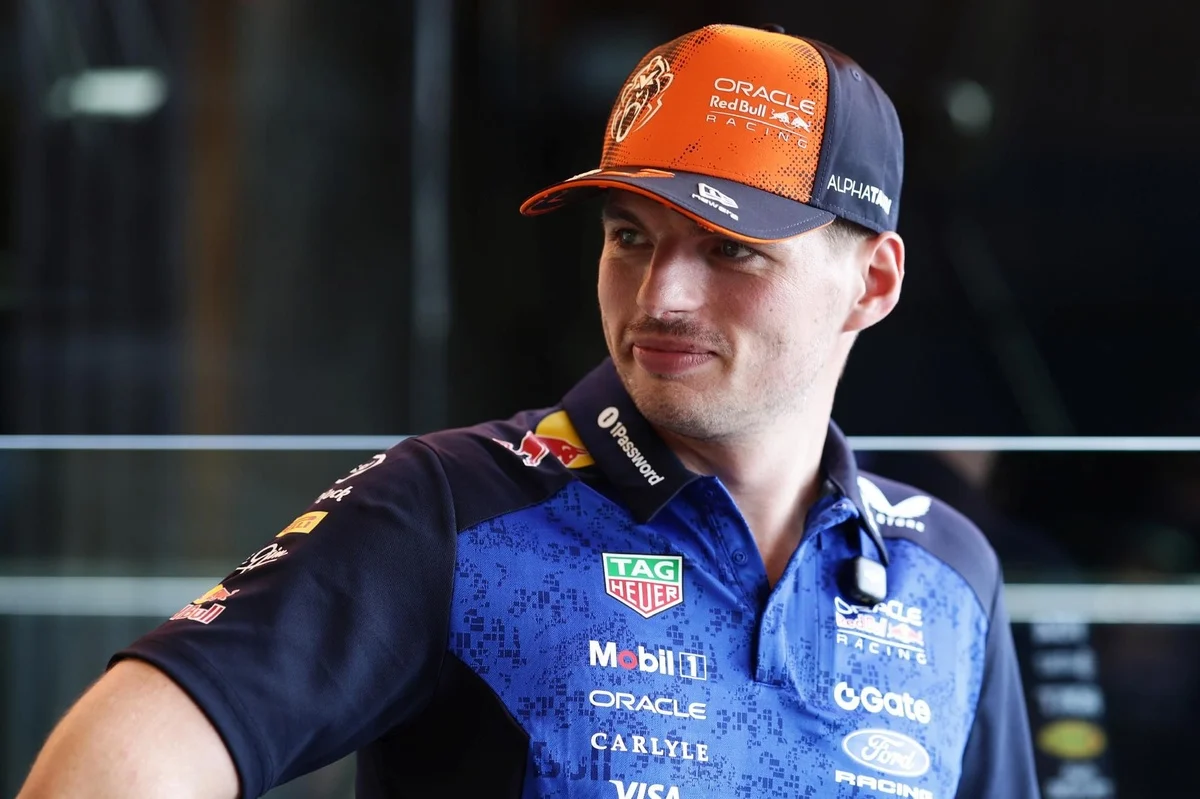
The paddock at the Belgian Grand Prix has been dominated by a singular, persistent narrative that transcends the usual technical discussions regarding tire degradation and aerodynamic efficiency: the future of Max Verstappen. As the 28-year-old Dutchman navigates a challenging mid-season slump, questions regarding his tenure at Red Bull Racing have shifted from speculative whispers to a central theme of the 2025 campaign.
According to Sky Sports F1 analyst and former racing driver Naomi Schiff, Verstappen is not only justified in exploring his options but would be remiss not to, given the current competitive trajectory of the Milton Keynes-based team. As the sport moves toward a critical juncture, the four-time world champion finds himself at a career crossroads, balancing loyalty to the team that propelled him to superstardom against the cold, hard reality of fading performance.
The Catalyst for Change: A Performance Plateau
The friction currently defining the relationship between Verstappen and Red Bull is not born of interpersonal animosity, but of a widening gap between ambition and reality. After years of clinical dominance, Red Bull has struggled to maintain the developmental momentum that characterized their 2022-2023 peak.
“Why wouldn’t he be looking around?” Schiff remarked during the broadcast from Spa-Francorchamps. “There was a real sense that he was looking around last season, but he made the right decision to stick with Red Bull and see what these regulations provide. Red Bull has the best engine on paper, but they simply do not have a competitive package right now—or at least, not one that is consistently quick.”
The statistics paint a grim picture for the reigning champion. Following the first nine rounds of the current season, Verstappen languishes in seventh place in the Drivers’ Championship with 76 points. To put this in perspective, he sits 103 points adrift of the current championship leader, Kimi Antonelli. For a driver of Verstappen’s caliber, who has grown accustomed to managing the field from the front, this drop-off is not merely an inconvenience; it is a fundamental threat to his career legacy.
Chronology of a Relationship Under Strain
To understand the current tension, one must look back at the trajectory of the Verstappen-Red Bull partnership.
- 2016-2020: The Formative Years: Verstappen transitioned from Toro Rosso to the senior Red Bull team, establishing himself as a generational talent capable of disrupting the Mercedes hegemony.
- 2021-2023: The Era of Dominance: This period saw the fruition of the Honda-powered partnership, resulting in four consecutive world titles and a level of statistical dominance rarely seen in the history of Formula 1.
- Early 2024: The First Cracks: Internal power struggles within the Red Bull hierarchy began to bleed into the public eye. While the team officially presented a united front, the instability suggested that the organizational foundation was not as secure as previously believed.
- Mid-2025: The Current Crisis: With the new 2026 regulations looming, Verstappen has publicly committed to staying through that transition. However, the performance gap on track has triggered the activation of potential exit clauses, leading to intense speculation regarding a move to rivals such as Mercedes or McLaren.
The Exit Clause: A Strategic Safety Net
Central to the ongoing drama is an understood exit clause in Verstappen’s contract. Industry reports suggest that this clause allows the Dutchman to terminate his agreement if he is not within the top two positions in the drivers’ standings by the summer break.
With only two races remaining before the mandatory August shutdown, the window for Red Bull to rectify their championship position is rapidly closing. While Verstappen has remained characteristically tight-lipped regarding the specifics of his legal standing, the mere existence of such a clause signals that the driver is unwilling to be tethered to a failing project.

Schiff highlighted that Verstappen’s perspective is colored by his own long-term career planning. “He’s always said he won’t spend another 10 years in Formula 1—he wants to go on and do other things,” she noted. “He wants to make the most of the time that he’s here. If he feels that time is being wasted in a car that cannot fight for wins, it is only logical that he looks elsewhere.”
The Bottleneck of the Driver Market
While the desire for a change of scenery is clear, the practical execution of a move is far more complex. The modern Formula 1 driver market is a game of musical chairs, and currently, the music has stopped with the chairs already occupied.
Mercedes, often cited as the primary destination for a disenchanted Verstappen, has invested heavily in their current driver lineup and the development of future stars like Kimi Antonelli. Similarly, McLaren has cemented their status as the current performance benchmark, with a young, settled duo that is delivering consistent podiums and victories.
“Unfortunately, there are not a lot of open doors in this paddock,” Schiff admitted. The reality is that the top teams are either fiscally committed to their current roster or unwilling to disrupt the chemistry of a team that is currently beating Red Bull. This leaves Verstappen in a unique, albeit frustrating, position: he is the most sought-after asset in the sport, yet he finds himself potentially trapped by the success of his rivals and the lack of vacancies at the top of the grid.
Implications for the Future of Formula 1
The implications of a potential Verstappen departure—or his decision to stay—extend far beyond Red Bull Racing.
- The 2026 Regulation Shift: Teams are currently pouring resources into the 2026 technical reset. If Red Bull fails to prove they can build a championship-winning car for the next era, they risk losing the one person who has been the face of their franchise for nearly a decade.
- The "Antonelli Effect": The rise of Kimi Antonelli as a championship contender has shifted the power dynamic in the sport. The emergence of a new "young gun" puts immense pressure on established veterans to prove that their performance is not merely a product of their equipment.
- Team Stability: For Red Bull, the departure of Verstappen would be an existential blow. The team has been built entirely around his specific driving style and requirements. Replacing him would not just involve finding a fast driver; it would require a total restructuring of the team’s identity.
Conclusion: The Clock is Ticking
As the paddock prepares for the final two races before the summer break, the pressure on Red Bull Racing is reaching a fever pitch. The team must demonstrate that they can reclaim their status as the sport’s pace-setters, or they risk the departure of their greatest asset.
Max Verstappen is at the peak of his powers. His urgency is not born of impatience, but of a professional recognition that his time at the pinnacle of motorsport is finite. Whether he stays to fight through the current technical malaise or seeks a new challenge at Mercedes, McLaren, or elsewhere, the decision will define the next chapter of Formula 1 history.
For now, the world waits to see if the summer break brings a resolution or simply intensifies the uncertainty. One thing remains clear: in a sport defined by margins of milliseconds, the margin for error for Red Bull has never been thinner. The decision, ultimately, remains in the hands of the man behind the wheel of the #1 car.


 Pevita Pearce
 Evan Lee Salim
 Neng Nana
 Nana Wu
 Lina Hope

 Sagoh
Sagoh
 Iffa Jayyana