
 Muslim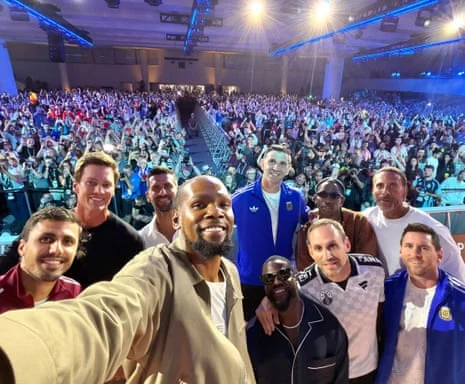
NEW YORK/MIAMI – July 18, 2026 – The 2026 FIFA World Cup, hosted across North America, is hurtling towards its climax this weekend, but not without a whirlwind of controversies, political interventions, and environmental concerns. As Spain and Argentina prepare for a highly anticipated final in New York/New Jersey, and England and France vie for a bronze medal in Miami, the tournament’s narrative has been shaped by more than just on-field heroics.
Former US President Donald Trump unexpectedly thrust himself into the footballing discourse, launching a scathing critique of England manager Thomas Tuchel’s defensive strategy following the Three Lions’ semi-final exit. His comments, made during a World Cup event at Trump Tower, added a unique political flavour to the already intense post-mortem of England’s campaign, drawing reactions from FIFA’s highest office and a visibly vexed Tuchel. Meanwhile, concerns over wildfire smoke blanketing parts of the Eastern Seaboard threaten to cast a literal pall over Sunday’s grand finale, adding another layer of complexity to a tournament already under scrutiny for its hosting logistics and exorbitant costs.
A Political Pundit and a Puzzled Coach: Trump’s Intervention
The immediate aftermath of England’s dramatic 2-1 semi-final collapse to Argentina in Atlanta on Wednesday saw widespread condemnation of Thomas Tuchel’s tactics. Fans and pundits alike questioned the German coach’s conservative approach and substitutions, which many believed squandered an early lead. However, few anticipated the intervention of a former head of state.
Donald Trump, known for his outspoken nature, seized the opportunity at a World Cup-themed press conference in New York to voice his disapproval. His criticism centred particularly on Tuchel’s utilization of England captain Harry Kane, with whom Trump revealed he had played a round of golf approximately 18 months prior in Florida.

"You have a great player in England, who I played golf with," Trump declared, referring to Kane. "He is Harry, who’s been fantastic. I think they perhaps made a mistake when they made him a defensive player. What do I know about soccer? They took the lead, and they took their best player and put him on defence."
The remarks, delivered with Trump’s characteristic flair, elicited a curious reaction from FIFA President Gianni Infantino, who was present at the event. Infantino was observed laughing, shrugging, and then applauding Trump’s commentary, a gesture that raised eyebrows given the perceived impartiality of football’s global governing body. Trump continued, "We have got to be a little offensive, right? But, no, I am not going to call it. Look, what do I know about coaching? But that was a little unusual, but Harry is a great guy, actually."
Chronology of a Controversial Week
The final week of the 2026 World Cup has been anything but sedate, unfolding with a series of events that have kept the football world talking:
Wednesday, July 16: England’s semi-final hopes are dashed in a dramatic 2-1 defeat to Argentina in Atlanta. The loss, coming after England held a lead, ignites a fierce debate over manager Thomas Tuchel’s defensive tactical choices and substitutions.
Thursday, July 17: Wildfires in Canada intensify, spreading thick smoke southwards across major US eastern cities, including New York and New Jersey. Air quality advisories escalate to "very unhealthy," raising significant concerns about the viability of Sunday’s final. Concurrently, Lionel Messi, Lamine Yamal, and other stars participate in a fanfest in New York, a stark contrast to the unfolding environmental concerns.
Friday, July 18:
- Morning (CEST): News breaks of Donald Trump’s criticism of Thomas Tuchel’s tactics, delivered at a World Cup event at Trump Tower. His comments about Harry Kane’s defensive role quickly dominate headlines. FIFA President Gianni Infantino’s reaction during Trump’s press conference draws attention.
- Mid-day (CEST): Thomas Tuchel holds a pre-match press conference in Miami ahead of England’s third-place playoff against France. When confronted with Trump’s remarks, Tuchel responds defiantly, questioning the validity of Trump as a "witness" and defending his team’s collective defensive strategy and spirit.
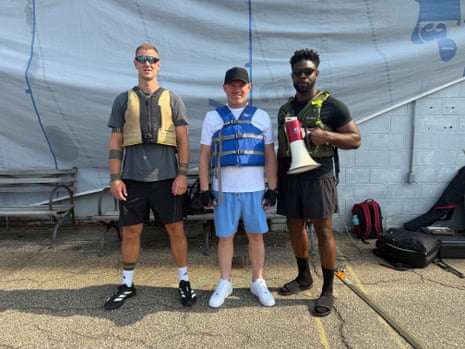
- Afternoon (CEST): Wayne Rooney, alongside fellow BBC pundits Micah Richards and Joe Hart, fulfills a pledge made earlier in the tournament. Following Norway’s impressive run to the quarter-finals, Rooney takes to the Hudson River in New York for a "Viking row" celebration, honouring the Norwegian fans’ iconic gesture.
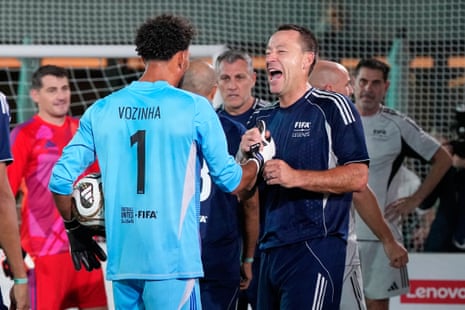
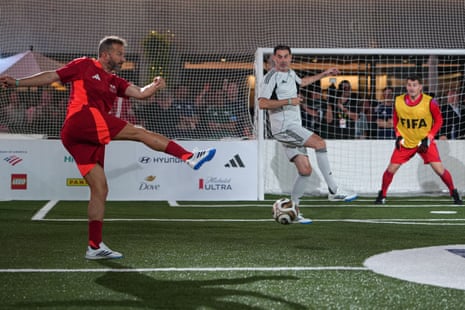
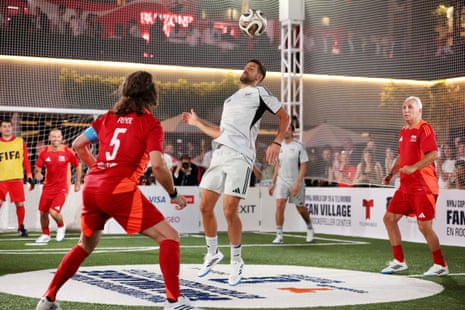
- Throughout the day: Pundits and journalists continue to dissect England’s semi-final performance, with Jonathan Liew publishing a particularly cutting column questioning Tuchel’s shift away from the "thrilling football" seen earlier in the tournament. Discussions intensify around the host nation’s performance, with analyses grading America’s World Cup hosting duties, citing "Atmosphere B-, Affordability F." Ticket prices for the final are revealed to be astronomically high, ranging from $7,000 to over $40,000. FIFA also hosts a Legends match in New York, featuring an eclectic mix of footballing greats like Del Piero, Hierro, Casillas, and even tennis star Novak Djokovic, alongside cult figures like Vozinha and John Terry.
Saturday, July 19: France and England compete in the bronze medal match in Miami, a contest seen by many as an "unwanted" fixture. The focus shifts to player rotations and opportunities for young talents like France’s Cherki, Zaïre-Emery, and Akliouche.
Sunday, July 20: The grand final between Spain and Argentina is scheduled to take place in New York/New Jersey, with ongoing concerns about air quality and the potential for disruptions from wildfire smoke. Lionel Scaloni of Argentina praises Lionel Messi’s longevity and legend status ahead of what could be his final World Cup appearance.
Supporting Data and Deeper Narratives
The criticisms levelled at Tuchel are not isolated. Many within the footballing community felt England’s tactical shift after taking the lead against Argentina was overly cautious. Jonathan Liew’s column succinctly captured this sentiment, lamenting the apparent abandonment of the "fearless football" England displayed in earlier matches. "Where did that go, Thomas? Or: where did that Thomas go?" Liew wrote, suggesting Tuchel may have "lost the simple faith" that brought England to this point. This reflects a broader debate among fans, as expressed by one Leeds fan’s comment, arguing that football is "so much more than that, we want to see life on the pitch, it’s theatre, and we want to see a team who represents the best of us, what we aspire to be… we want to see fearless, beautiful football."
The host nation’s performance has also come under scrutiny. Jeff Rueter’s "World Cup report card" for America delivered a mixed verdict: an "A" for atmosphere in some venues, but a resounding "F" for affordability. This is underscored by the truly eye-watering prices for final tickets, with standard seats commanding around $7,000 and premium experiences soaring past $40,000. These figures highlight the commercialization of the sport and the financial barriers faced by many ordinary fans.
Adding to the logistical challenges, the pervasive wildfire smoke from Canada has created an unprecedented environmental hurdle. Air quality in New York and New Jersey reached "very unhealthy" levels, prompting emergency management officials to issue a citywide "code red," advising residents to stay indoors and avoid strenuous activity. The iconic Statue of Liberty was temporarily obscured, and numerous flights from Newark Airport were cancelled, casting a shadow of uncertainty over the final’s smooth execution.
Beyond the field, the tournament has unveiled fascinating cultural and political dynamics. The fervent anti-Argentina sentiment across much of Latin America is a striking phenomenon. Traditionally, regional solidarity sees nations rally behind their continental counterparts, but a "flood of memes, jokes and criticism" has targeted Lionel Messi’s Albiceleste. Colombian sociologist Germán Gómez suggests this "dynamic of solidarity… has been broken" by narratives fuelled by social media, alleging FIFA favoritism towards Argentina. Fans in Brazil, Colombia, and Mexico openly expressed their support for Spain, with some citing perceived refereeing assistance for Argentina. Mexican President Claudia Sheinbaum playfully noted her journalists’ overwhelming support for Spain, while a Chilean agricultural operator explicitly linked his opposition to Argentina with the politics of its president, Javier Milei. Messi himself acknowledged the strong feelings, stating defiantly, "Let it hurt whoever it hurts."
The tournament’s broadcast coverage has also received its share of feedback. In the UK, the BBC’s punditry team, despite the presence of established figures like Alan Shearer and Wayne Rooney, struggled to find a consistent rhythm post-Gary Lineker, with former England No. 1 Joe Hart and the energetic Micah Richards singled out for praise. Across the Atlantic, US coverage by Fox was characterized by "wild mispronunciations," "Corden’s sad beers," and the "reforestation of Landon Donovan’s head" as its "most impressive single feat of terraforming," highlighting a mix of earnest efforts and peculiar moments.
Amidst these broader narratives, individual player stories continue to captivate. Spain’s Mikel Merino, a late-goal-getter, articulated the importance of collective spirit in a star-studded team. "It’s important to have ego as a footballer… But you also need the humility," he told Sid Lowe, emphasizing the squad’s focus on being "a good human first and then being a good footballer." For France, the bronze medal match offers a valuable stage for emerging talents like Rayan Cherki, Warren Zaïre-Emery, and Maghnes Akliouche, players who have had limited minutes but are highly rated.
And, in a moment of whimsical reflection, the discovery of a 2007 UNICEF calendar photo depicting a then 19-year-old Lionel Messi bathing a four-month-old Lamine Yamal (who now plays for Spain and is poised to face Messi in the final) has become a viral sensation, adding a touch of serendipitous narrative to the tournament’s climax.
Official Responses and Defiance
Thomas Tuchel, usually composed, showed a rare flash of irritation when questioned about Donald Trump’s critique. "Do you use Donald Trump as your witness for the case or…?" Tuchel retorted to the journalist, firmly dismissing the validity of the former president’s footballing analysis. He then reiterated his tactical philosophy, stating, "We defended in a deep block. That’s what you do if you defend in a block. You defend in a block. We were not active enough. We could not escape the deep block. That is what teams build: togetherness and mentality is translated to in football terms. We defend as a 10 and as an 11. Together as a team, the team spirit, the togetherness, the mentality that this team built in the last six and a half weeks, is not to be questioned." His defiance underscores the pressure on managers in the high-stakes environment of a World Cup.

FIFA President Gianni Infantino’s response to Trump’s comments was less confrontational, almost deferential. While his initial reaction included a laugh and shrug, he ultimately applauded Trump’s remarks and later thanked him for putting on "the greatest human social and cultural event that mankind has ever witnessed," a sweeping statement that reflects FIFA’s desire to portray the tournament as an unmitigated success, despite the various criticisms and challenges.
Argentina’s head coach, Lionel Scaloni, maintained a focus on the sporting narrative, particularly praising his talisman. Ahead of the final, Scaloni lauded Messi: "He is pure history. A legend. Reaching a final at 39 years of age is unbelievable. We must enjoy him as it happens. With Diego [Maradona], we miss him. But Messi is still with us. He is the history, he is the legend, and together with this group of people who have brought us these wonderful years, we’ll always remember him." This official reverence for Messi stands in stark contrast to the political and regional animosity directed at the Argentine team.
Implications and the Road Ahead
The fallout from England’s semi-final exit and Tuchel’s tactical decisions will undoubtedly shape the future of the national team. The debate over defensive vs. offensive football, particularly in critical moments, is likely to persist, influencing both public perception and potentially Tuchel’s long-term tenure. The bronze medal match against France, while "unwanted," offers a chance for redemption or further scrutiny, especially if Tuchel opts for another cautious approach.
The political commentary from figures like Donald Trump and the strong reactions from Latin American nations against Argentina highlight the increasing intertwining of sport, politics, and national identity. The World Cup, far from being a purely sporting event, has become a stage for geopolitical statements and expressions of broader societal sentiments. The "narratives" of FIFA favoritism towards Argentina, whether substantiated or not, demonstrate the power of social media in shaping public opinion and potentially influencing allegiances. The fact that political leaders like Mexico’s Claudia Sheinbaum are drawn into the discussion underscores this growing trend.
For the host nations, the 2026 World Cup’s legacy will be complex. While the sheer scale and global reach are undeniable, issues of affordability, logistical challenges, and environmental concerns (like the wildfire smoke) present a nuanced picture. The astronomical ticket prices, in particular, raise questions about accessibility and the tournament’s ability to truly engage a diverse local fanbase beyond the affluent. The success of the final, both in terms of sporting spectacle and logistical execution, will be crucial in defining the overall perception of the tournament’s hosting.
Finally, the final itself – Spain vs. Argentina – represents a clash of footballing philosophies and generations. Spain, emphasizing collective strength and humility as articulated by Mikel Merino, faces an Argentine side driven by the enduring brilliance of Lionel Messi, potentially in his last World Cup dance. The outcome will not only crown a new world champion but also write another chapter in the rich, often controversial, and always compelling history of the beautiful game.

 Azzam Bilal Chamdy
 Sagoh
Sagoh
 Neng Nana
 Nana Wu
 Lina Hope
 Iffa Jayyana