
 Ali Ikhwan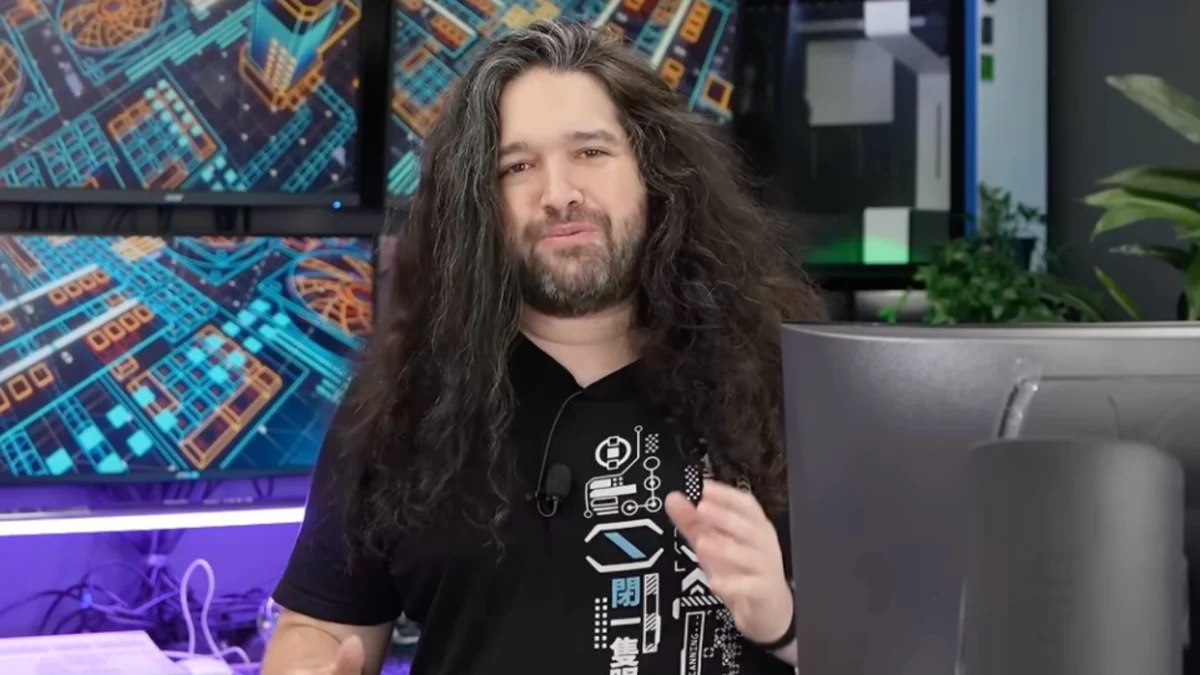
In an era where the boundary between hardware utility and intrusive marketing is increasingly blurred, a recent controversy involving LG, Microsoft, and the Windows Update service has sparked a significant debate regarding user autonomy. Following a high-profile investigation by tech hardware outlet Gamers Nexus, it has been revealed that LG’s "Monitor App Installer"—software pushed automatically to Windows PCs via the Windows Update framework—was actively serving persistent, unsolicited antivirus advertisements to users.
The incident, which gained traction in late July 2026, highlights the risks associated with the Hardware Support App (HSA) framework. While Microsoft has since intervened, securing a commitment from LG to disable the offending advertisements, the situation has left many power users questioning the transparency of the Windows ecosystem and the unchecked nature of OEM software distribution.
The Chronology of the Discovery
The issue first came to light when users of LG’s popular UltraGear gaming monitor line began reporting an unfamiliar piece of software appearing on their machines. Unlike traditional driver updates, which are necessary for hardware functionality, this software—the "LG Monitor App Installer"—appeared to arrive unbidden, piggybacking on the Windows Update process.
The Gamers Nexus Investigation
The tech channel Gamers Nexus took a deep dive into the reports, successfully reproducing the behavior across multiple Windows 11 test benches. Their findings were damning: once the installer was pushed to a system, it did not merely act as a driver repository. Instead, it became a persistent background process that triggered aggressive, recurring pop-ups.
According to their investigation, these advertisements were primarily for McAfee antivirus trials. Users reported that the pop-ups would appear upon nearly every boot cycle, effectively turning a high-end display’s companion software into an adware delivery vehicle. The Gamers Nexus team further noted that the installer also promoted other LG proprietary utilities, such as LG Switch, LG Calibration Studio, and LG Dual Controller, blurring the lines between legitimate support tools and marketing clutter.
The Intervention
By mid-July 2026, the situation reached a breaking point as public frustration on platforms like X (formerly Twitter) and Reddit mounted. Pavan Davuluri, Microsoft’s Executive Vice President of Windows and Devices, publicly addressed the situation on July 22, 2026.
Davuluri confirmed that Microsoft had initiated a dialogue with LG. "We’ve connected with the team at LG and as an immediate next step, they have agreed to disable the McAfee pop-up from their app," Davuluri stated. This move marked a rare public admission by Microsoft that its distribution channels were being utilized in a manner detrimental to the user experience.
Understanding the Mechanism: The Hardware Support App (HSA) Framework
To understand why this happened, one must look at how Microsoft handles hardware drivers. The "Hardware Support App" (HSA) framework was designed to simplify the user experience. It allows manufacturers to package a companion app alongside the core driver, ensuring that features like screen calibration, lighting control, or display settings are automatically configured the moment a device is plugged in.
The Loophole in the System
The intent behind HSA is convenience. For a professional who buys a high-end LG monitor, having the calibration software ready to go without hunting for it on a website is a boon. However, the system relies on the assumption that OEMs (Original Equipment Manufacturers) will use this channel exclusively for software that enhances the hardware experience.
In this instance, LG utilized the framework to deploy a marketing engine. Because these apps are distributed via Windows Update, they often carry a level of "implicit trust" from the end user. When a notification appears from the Windows Update environment, the average consumer assumes it is a critical security or performance patch, not a gateway for third-party affiliate marketing.
Official Responses and Corporate Stances
The response from both companies has been a study in corporate damage control.
Microsoft’s Position
Microsoft, while acknowledging the need for a better experience, has framed the incident as a collaborative fix rather than a systemic failure of their update platform. By stating, "We appreciate LG working with us toward a shared goal of a better experience," Microsoft is attempting to maintain its relationship with its OEM partners while simultaneously distancing itself from the specific marketing tactics employed by those partners. However, industry analysts suggest that Microsoft may need to implement stricter guidelines for what constitutes an "approved" Hardware Support App to prevent future occurrences of "bloatware by update."
LG’s Clarification
For its part, LG has maintained that the installer itself does not unilaterally install antivirus software. The company clarified that while the app may promote the software, the final installation of an antivirus suite requires explicit user consent. This distinction is crucial from a legal standpoint, as it separates "advertising" from "malicious installation." Nevertheless, the company conceded that the persistent, intrusive nature of the pop-ups was a poor design choice and agreed to remove the promotional triggers entirely.
Broader Implications for the Windows Ecosystem
This event is not an isolated incident but rather a symptom of a larger trend in the PC industry. As hardware margins tighten, OEMs are increasingly looking to software partnerships—often referred to as "crapware" or "bloatware"—to recoup costs or generate secondary revenue through affiliate links.
The Erosion of User Trust
When a brand like LG, known for premium display technology, resorts to pop-up ads for antivirus software, it erodes the premium perception of the hardware. For Windows users, the incident has reignited calls for a "clean" Windows experience. There is a growing sentiment that Microsoft’s Windows Update should be a walled garden, restricted strictly to drivers and security patches, with no allowance for promotional materials.
The Future of OEM Software
Industry observers are now questioning whether the current HSA framework is sustainable. If OEMs continue to prioritize ad revenue over system performance and user experience, it is likely that Microsoft will face mounting pressure to either:
- Curate the Store More Aggressively: Implement a strict review process for all HSAs similar to the vetting process for the Microsoft Store.
- Increase Transparency: Provide users with a clear, granular list of what is being installed during a Windows Update, distinguishing between "Essential Drivers" and "Optional Companion Software."
Conclusion
The controversy surrounding the LG Monitor App Installer serves as a cautionary tale for both hardware manufacturers and operating system developers. While the technical issue of the McAfee pop-ups is now resolved, the philosophical questions remain. Users invest significant capital into hardware with the expectation of a streamlined, professional experience. When that hardware begins to mimic the behavior of "adware," it undermines the trust that keeps customers loyal to specific brands and platforms.
Moving forward, the industry must decide if the short-term gains of affiliate marketing are worth the long-term risk of alienating their core user base. For now, LG’s decision to remove the ads is a victory for the community, but the incident stands as a reminder that in the modern digital age, the user must remain vigilant about the software that arrives on their machine—even when it comes with the seal of a trusted update service.
As Microsoft continues to refine the Windows experience, the balance between supporting its ecosystem partners and protecting its users will be one of the most critical challenges the company faces. Consumers, meanwhile, will likely continue to look toward independent watchdogs like Gamers Nexus to hold these tech giants accountable when the lines between utility and intrusion begin to blur.

 Siti Muinah
 Nana Wu
 Neng Nana
 Lina Hope

 Sagoh
Sagoh
 Iffa Jayyana