
 rifanmuazin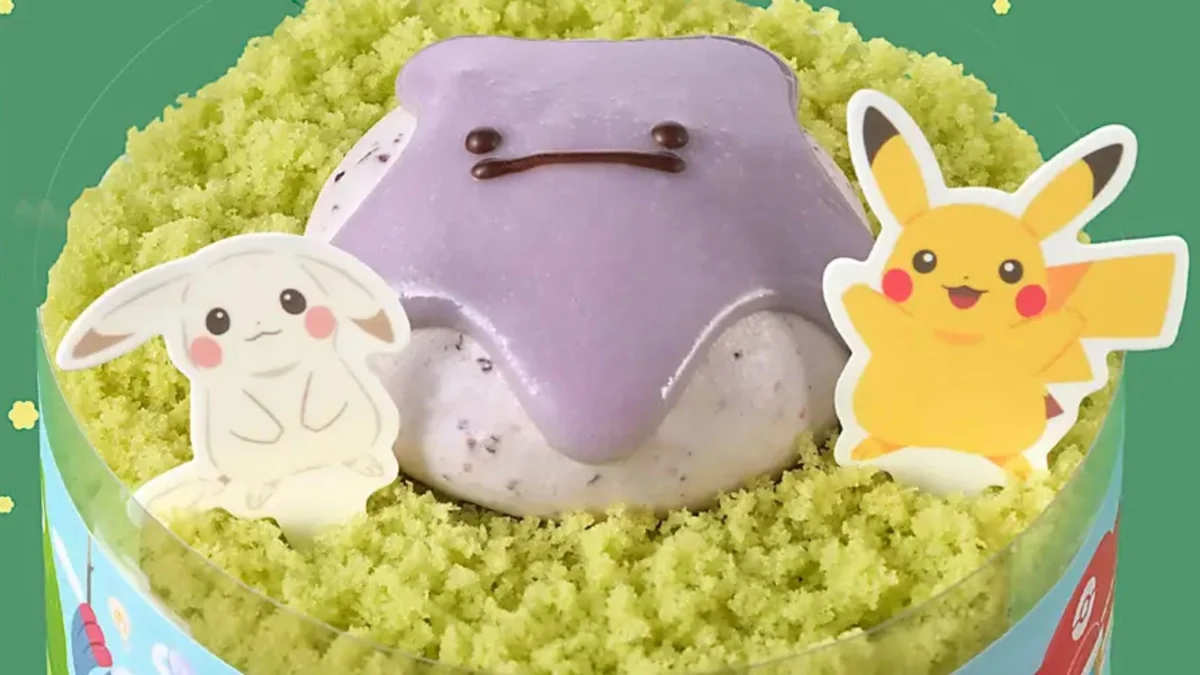
The intersection of Japanese pop culture and haute pâtisserie has long been a fertile ground for innovation, but few collaborations capture the whimsical essence of the Pokémon franchise quite like the latest venture from Ginza Cozy Corner. Beginning July 31, 2024, the renowned Japanese bakery chain is set to launch an expansive, limited-edition menu inspired by the Pokopia universe, placing the franchise’s most iconic shape-shifting entity—Ditto—at the center of a dessert-led cultural phenomenon.
As the Pokémon brand continues to evolve beyond its roots in video games and trading cards, its expansion into the culinary sector serves as a testament to the enduring appeal of its roster. While Pikachu has traditionally served as the face of the brand, this year has seen a calculated pivot toward the versatile, purple-hued Ditto, cementing its status as the year’s unexpected mascot.
Main Facts: The Intersection of Gastronomy and Gaming
The centerpiece of this collaboration is a meticulously crafted, single-serving Ditto cake. Eschewing the standard chocolate-and-vanilla paradigm, Ginza Cozy Corner has opted for a sophisticated flavor profile: a blueberry-yogurt fusion. The exterior features a high-gloss glaze that mimics the soft, malleable appearance of the Pokémon, concealing a structural base of blueberry-flavored sponge, a jam-infused core, and a light, airy yogurt-flavored cream.
The collection, which runs through August 26, is not merely a singular offering but a comprehensive suite of products. The "Petit Cake Collection"—a nine-piece boxed set—serves as the anchor of the promotion. It features a curated selection of bite-sized delicacies, including:
- The Ditto Tart: A blueberry-cream interpretation of the fan-favorite.
- The Squirtle Delicacy: An orange-whipped cream creation finished with a vibrant soda glaze.
- The Bulbasaur Specialty: A sophisticated pistachio-whipped cream cake.
- The Pikachu Roll: A classic banana-infused roll cake.
- The Ditto-as-Lapras Creation: A whimsical interpretation featuring the shapeshifter masquerading as the water-type Pokémon, set upon a translucent bed of soda-flavored jelly.
The pricing structure reflects the premium nature of the artisanal ingredients, with the individual Ditto cake retailing at ¥777 (approximately $4.74 USD) and the nine-piece Petit Cake Collection priced at ¥3,564 (approximately $21.76 USD).
Chronological Trajectory: The Year of the Ditto
The decision to feature Ditto so prominently in this collaboration is the culmination of a broader strategic marketing push observed throughout 2024. The transformation of the Pokémon brand’s narrative has been deliberate and highly visual.
Early in the year, the Pokémon Company initiated a series of urban activations, most notably the Tokyo Metro "Pokopia" campaign. This saw entire train carriages wrapped in the signature vibrant pinks and purples of Ditto, effectively turning public transit into a mobile exhibition of the franchise’s aesthetic shift. This was followed by the release of tactile, squishy "stress-relief" toys, which allowed consumers to physically engage with the "shapeshifting" aspect of the character.
By mid-year, the momentum had built enough for Ginza Cozy Corner to finalize their "Delicious in Dungeon" style approach—a nod to the popular anime trope of treating fantasy creatures as culinary components. The announcement on July 31 marks the transition from purely aesthetic merchandise to experiential consumption, proving that the brand’s reach is as much about the palate as it is about the screen.
Supporting Data: The Economics of Themed Food
The strategy behind the Ginza Cozy Corner collaboration is rooted in the "Experience Economy." In Japan, themed cafes and bakeries are not merely novelty shops; they are high-traffic destinations that generate significant footfall and social media amplification.
Market analysts suggest that the "collectibility" of such food items drives consumer behavior in ways that traditional retail cannot. By offering the Petit Cake Collection in a nine-piece format, Ginza Cozy Corner incentivizes higher transaction values. Customers are not just buying a dessert; they are purchasing a visual asset that is highly shareable on platforms like Instagram and X (formerly Twitter).
Furthermore, the integration of interactive elements—such as the "Party Box" with moving parts that reveal hidden Pokémon or the "Eevee Friends Box" with surprise artwork—transforms the act of eating into an unboxing experience. This strategy mirrors the success seen in other major industry collaborations, such as the recent Baskin-Robbins and Animal Crossing partnership, which utilized island-themed flavor palettes to drive summer sales.
Official Responses and Strategic Vision
While the Pokémon Company rarely comments on specific local marketing initiatives, the frequency of these collaborations signals a clear strategic intent: to maintain "top-of-mind" awareness in the Japanese domestic market.
Ginza Cozy Corner, for its part, has framed the campaign as a celebration of the Pokopia world—a relaxing, pastoral spin-off of the core Pokémon experience. A spokesperson for the bakery noted that the goal was to "replicate the joy of discovery" found in the games. By using ingredients that align with the color palettes of the characters—such as blueberry for Ditto and pistachio for Bulbasaur—the bakery aims to ensure that the visual brand identity remains intact, even when the product is meant to be consumed.
The choice of Ginza Cozy Corner as a partner is also strategic. As a well-established chain with a reputation for consistency, they provide the Pokémon brand with a level of domestic credibility that a smaller, niche cafe might lack. This partnership allows for mass production without sacrificing the intricate design work required to make the cakes recognizable to the average fan.
Implications: Beyond the Summer Season
The success of the Pokémon x Ginza Cozy Corner collaboration has broader implications for the future of licensed food merchandise. First, it highlights the move toward "hyper-theming." It is no longer enough to print a logo on a package; the food itself must become the character.
Second, the success of this campaign reinforces the power of the "limited-time offer" (LTO). By restricting the window of availability to less than a month (July 31 to August 26), the brand creates artificial scarcity, encouraging fans to visit multiple locations to secure the collection before it disappears.
Finally, the focus on "Ditto" as a mascot for 2024 offers a masterclass in brand refreshment. By taking a character that is defined by its ability to become anything, the Pokémon Company has allowed itself the creative freedom to explore a wider range of aesthetics, flavors, and mediums. This "shapeshifting" philosophy is likely to influence future marketing campaigns, as the brand seeks to distance itself from the potential fatigue of relying solely on the franchise’s "first-generation" mascots.
As summer continues, these Ditto-themed treats serve as a literal cool-down for fans in Japan, but they also serve as a blueprint for global licensing. Should this model continue to prove profitable, it is highly probable that we will see similar "culinary evolutions" in international markets, bringing the taste of the Pokémon world to a global audience. For now, however, the experience remains a localized, artisanal treasure—a fleeting, sugary reminder that in the world of Pokémon, even the most humble shapeshifter can become the star of the show.

 Siti Muinah
 Nana Wu
 Neng Nana

 Lina Hope

 Sagoh
Sagoh
 Iffa Jayyana