
 Asro
Asro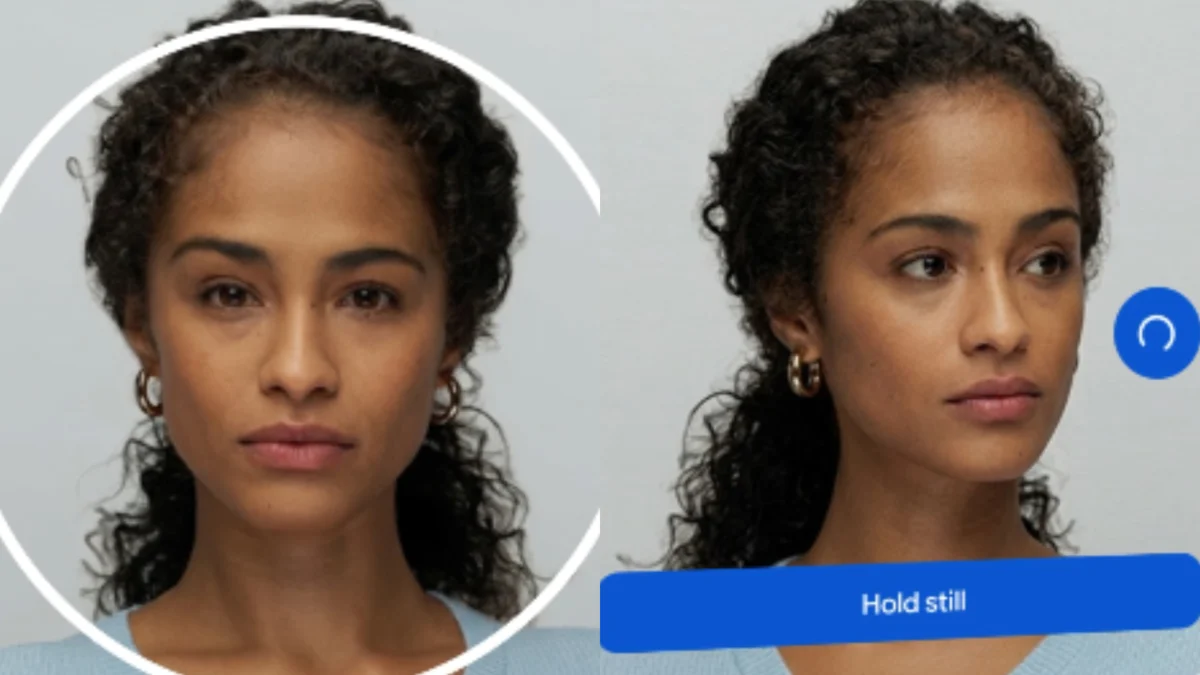
In an era where digital identity is the bedrock of modern life, the nightmare of being locked out of a primary account—whether due to a forgotten password, a stolen device, or a compromised security key—has become a significant point of friction for billions of users. Google, the gatekeeper to a vast ecosystem of email, cloud storage, and productivity tools, has officially unveiled a novel solution to this persistent problem: identity verification via selfie video.
This rollout marks a significant shift in how tech giants approach account security, moving beyond traditional knowledge-based recovery methods like security questions or secondary email addresses toward active biometric verification. By requiring users to record a brief, dynamic video of their face, Google aims to provide a robust, reliable, and user-friendly fallback for when conventional access methods fail.
The Mechanics of the New Feature
The core of Google’s new recovery method relies on a process known as "liveness detection." Unlike static facial recognition, which can sometimes be fooled by high-resolution photographs or even well-crafted 3D masks, Google’s system requires a dynamic interaction.
When a user opts into this security layer, they are prompted to follow a series of simple, randomized head movements—such as turning the head slightly left or right or looking upward. This action does more than just capture the user’s features; it generates a temporal, multi-dimensional data set. This reference video is then encrypted and stored within the user’s Google Account infrastructure.
When a user later attempts to recover an account, they are asked to repeat this process. The system then performs a comparative analysis, matching the live video stream against the pre-recorded reference. If the movements and facial architecture align with the stored biometric data, the account recovery process is initiated.
Chronology: A Shift Toward Biometric Security
The introduction of this feature is not an isolated event but rather the latest milestone in Google’s long-term strategy to phase out traditional, weaker security measures.
- 2020–2022: The Push for MFA. Google aggressively pushed for Multi-Factor Authentication (MFA), making it the default for millions of accounts to combat the rising tide of phishing attacks.
- 2023: Passkey Integration. Google became one of the first major companies to fully integrate "Passkeys," allowing users to sign in using their device’s built-in biometric hardware (like TouchID or FaceID) instead of alphanumeric passwords.
- 2024: AI-Driven Recovery. YouTube launched an AI-assisted recovery tool specifically designed for creators, marking the first time the company utilized generative AI to navigate the complex process of identifying legitimate account owners during a hack.
- July 2026: The Selfie Rollout. Building on the foundation of AI-driven recovery and passkey adoption, Google officially introduced the selfie video sign-in/recovery feature as a universal fallback for eligible accounts.
This trajectory illustrates a clear industry trend: moving away from "something you know" (passwords) toward "something you are" (biometrics).
Behind the Scenes: Combatting Deepfakes and Impersonation
One of the most immediate concerns surrounding any facial recognition technology is the threat of deepfakes and generative AI. With the rapid evolution of video synthesis, attackers can now create hyper-realistic, real-time "puppet" videos that mimic human expressions.
Google has anticipated these threats by implementing what it calls "multi-layered security." The company asserts that their system does not simply look for a static likeness. Instead, it analyzes the physics of the video—checking for lighting inconsistencies, subtle motion artifacts, and the "liveness" of the skin texture.
"When you use a selfie to sign in, we use multiple layers of security to help prevent impersonation attempts like fake photos and videos," a Google spokesperson stated during the official announcement. These systems run in the background, cross-referencing the video input against known attack vectors that attempt to spoof biometric sensors. By requiring randomized head movements, Google forces potential attackers to generate a real-time, high-fidelity deepfake, which remains a computationally expensive and technically difficult task to execute against a live validation server.
Official Responses and Privacy Safeguards
The privacy implications of storing biometric data cannot be overstated. Since the announcement, privacy advocates have questioned whether this move creates a "honeypot" for malicious actors—a central database of facial templates that, if breached, would be catastrophic.
Google has been quick to address these concerns. According to their updated privacy policy, the reference video is:
- Encrypted at Rest: The data is protected by industry-standard encryption, making it unreadable even if the physical storage medium were compromised.
- Purpose-Limited: The company maintains that the video is strictly reserved for identity verification. Google explicitly stated, "Your selfie video is yours, and you’re in control." It is not intended to be used for training broader AI models or for advertising purposes.
- User-Controlled: Users have the absolute right to revoke this consent at any time. Through the account security dashboard, users can delete their reference video, effectively disabling the feature and returning to traditional recovery methods.
However, despite these reassurances, the company acknowledged that for users with deep-seated concerns regarding biometric surveillance, this feature is strictly optional. It is positioned as an "eligible" feature, meaning not every account will have it enabled by default, and users must opt-in to initiate the biometric enrollment.
Implications for Global Security and User Experience
The implications of this feature are twofold: it drastically reduces the "support burden" on Google’s human review teams, while simultaneously raising the barrier to entry for account takeover (ATO) attacks.
Reducing Support Costs
Historically, the account recovery process involved human agents or complex, error-prone automated forms that often required users to remember specific dates of account creation or secondary email addresses. By automating this through biometrics, Google can provide a near-instantaneous resolution for users who are currently locked out, saving millions of hours of administrative overhead annually.
The New Standard for Identity
This feature effectively signals the beginning of the end for the "Forgot Password" link. As biometrics become more reliable, the need for static, knowledge-based recovery methods diminishes. However, this also forces a societal conversation about the portability of our digital identity. If our face becomes the key to our digital lives, how do we handle situations where facial features change, or in cases of identity theft where the attacker might gain access to the user’s physical likeness through video?
A Balanced Path Forward
As Google continues to roll out this feature to a wider array of accounts, the company is likely to encounter edge cases—such as users with changing physical appearances, accessibility concerns for those with physical impairments, and users living in jurisdictions with strict biometric data protection laws (like the EU’s GDPR or Illinois’ BIPA).
For now, the feature stands as a sophisticated compromise between convenience and security. It is a powerful tool for the average user who finds themselves in the frustrating position of being locked out of their digital existence. Yet, it also serves as a reminder that as we invite tech giants to hold our biometric keys, the burden of trust remains firmly on the provider.
The success of this initiative will be measured not just by the number of successful account recoveries, but by the public’s willingness to embrace the trade-off between privacy and the ease of access. As of July 2026, the technology is live, the safeguards are in place, and the gate to your digital identity has officially become a mirror. Whether that mirror is a gateway to seamless security or a new vector of vulnerability remains to be seen in the coming months of implementation.


 Siti Muinah
 Nana Wu
 Neng Nana

 Lina Hope

 Sagoh
Sagoh
 Iffa Jayyana