
 Asro
Asro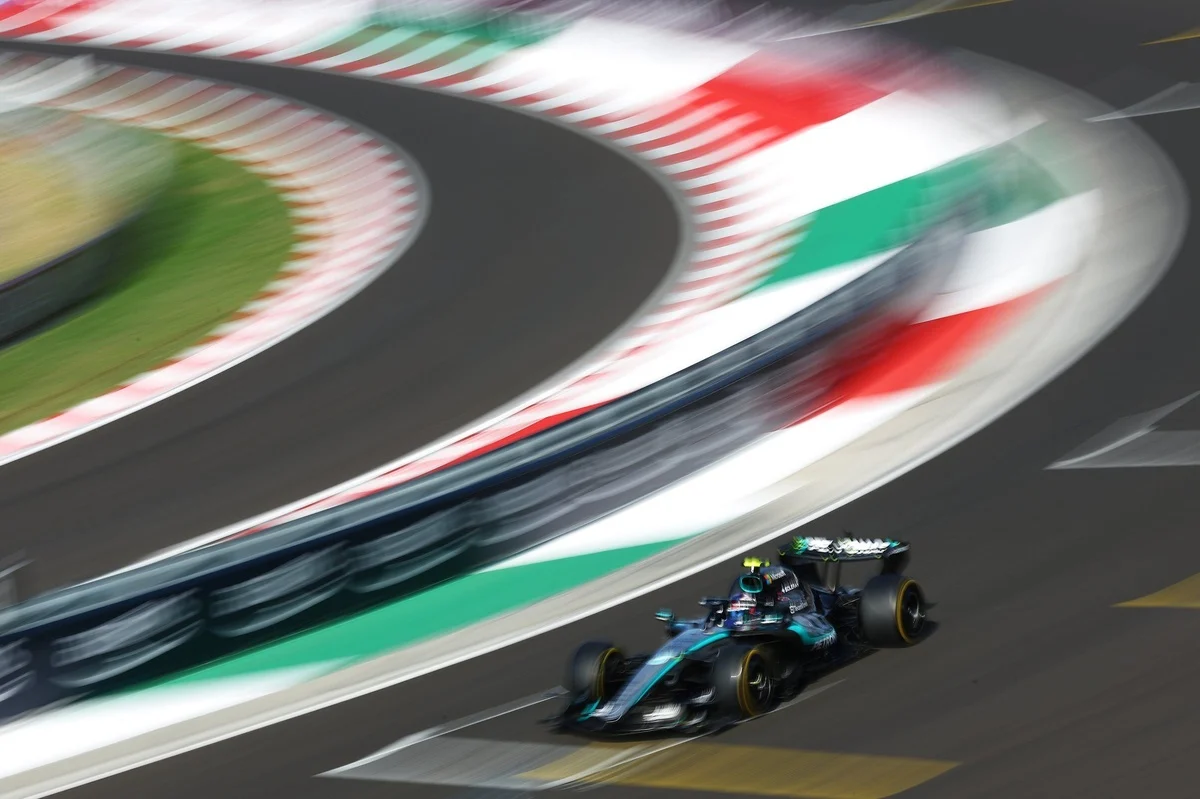
The Hungaroring, a tight and twisty circuit often described as "Monaco without the walls," usually provides a clear picture of an F1 car’s aerodynamic efficiency and mechanical grip. Friday at the Hungarian Grand Prix appeared, on the surface, to be a coronation for Ferrari. The Scuderia topped both practice sessions, leaving the rest of the grid scrambling in their wake with a performance advantage that appeared to hover around the half-second mark.
However, in the high-stakes world of Formula 1, timing screens can be deceptive. As the sun set over Mogyoród, the data from the long-run simulations painted a drastically different—and far more concerning—portrait for the Italian outfit. While Ferrari may have conquered the single-lap pace, the race simulation data suggests they are currently trailing the championship leader in both consistency and raw endurance.
The Tale of Two Sessions: Qualifying Speed vs. Race Reality
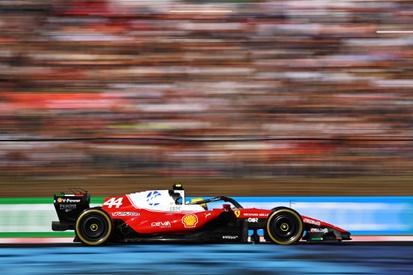
The opening day in Budapest was characterized by a distinct split in performance profiles. Ferrari’s command of the qualifying simulations was undeniable; their car looked planted, responsive, and capable of extracting maximum grip from the soft compound tires over a single push lap. Charles Leclerc and his teammate were visibly the class of the field when fuel loads were light.

Yet, the "long-run" metrics—the bread and butter of Sunday’s Grand Prix—reveal a chasm. Championship leader Kimi Antonelli, despite a compromised afternoon session due to a red flag and a minor driving error on his second soft-tire run, emerged as the man to beat. When the telemetry is normalized for stint lengths and tire degradation, Antonelli’s pace was a staggering 0.46 seconds per lap faster than that of Charles Leclerc.
The concern for Ferrari isn’t just the raw gap; it is the volatility. Leclerc’s race simulation was characterized by inconsistent laptimes, suggesting the SF-24 is struggling to manage tire temperatures or balance shifts as the fuel load burns off. If Ferrari cannot stabilize this degradation, their qualifying speed will prove to be nothing more than a strategic trap, forcing them into defensive driving before the first pit stop window even opens.
Chronology of a Shifting Competitive Order
The trajectory of Friday’s sessions suggests a grid that is tightening rather than pulling apart.
FP1: The Morning Setup Phase
In the first practice session, the focus was largely on baseline validation. Mercedes saw Lewis Hamilton put in a respectable showing, out-pacing his teammate George Russell by roughly four-tenths of a second. However, Mercedes was operating with a variable in the cockpit; Frederik Vesti was behind the wheel of Antonelli’s car, meaning the team lacked a direct data comparison for their championship leader until the afternoon.
FP2: The Reality Check
The second session, held under conditions more representative of Sunday’s race, saw the mask slip. With the track temperature fluctuating and fuel loads increased, the "Ferrari dominance" evaporated. McLaren’s Lando Norris and Mercedes’ George Russell both displayed superior long-run pace compared to the Scuderia, with Norris clocking in 0.52s faster than the Ferrari benchmark and Russell showing a 0.61s advantage.
Red Bull, meanwhile, found themselves in a similar predicament. Max Verstappen, usually the benchmark for race consistency, struggled to maintain his rhythm. When compared to the blistering pace set by Antonelli, both Isack Hadjar and Verstappen were lagging by nearly eight-tenths of a second. Unlike Ferrari, who at least had the solace of single-lap glory, Red Bull’s lack of pace appeared across all fuel scenarios, signaling a potential structural issue with their current setup.

Data Analysis: The Midfield Battleground
While the championship contenders fight for the podium, the midfield is currently undergoing a violent reshuffling.
The Aston Martin Dilemma
Aston Martin arrived in Hungary with a massive, highly anticipated update package. The narrative was clear: shed the "slowest of the pack" label and claw back into the midfield fight. Unfortunately, the data from Friday suggests the upgrade has yet to yield a performance dividend. Fernando Alonso, the veteran who thrives on extracting the impossible from a car, was the second-slowest driver on the track, trailing the leaders by a massive 3.42 seconds per lap.
Their fundamental issue remains a lack of top-end speed. Sector one, which contains the longest straight, saw the Aston Martin lose significant time to the competition, suggesting that the new aero package may be creating too much drag without providing the necessary downforce in the technical middle sector.

The "Nico Hulkenberg" Phenomenon
Nico Hulkenberg continues to be the anomaly of the 2024 season. Once again, he showcased stellar long-run pace, maintaining a competitive delta of +1.25s. However, the recurring theme of the season remains: can the team translate this practice speed into Sunday points?
The Racing Bulls are nipping at their heels with a gap of +1.46s, while Alpine has drifted further into the background, now trailing by +2.16s. Williams, once a beacon of efficiency, had a disastrous Friday, finding themselves +3.01s off the pace—a performance level that currently places them in a worrying bracket with the bottom-tier constructors.
Official Responses and Tactical Implications
The paddock buzz suggests that teams will be pulling all-nighters to address these discrepancies. Ferrari’s team principal and engineers face the unenviable task of balancing a car that is "on rails" for qualifying but "unstable" for the race.

"We clearly have the pace for one lap," a Ferrari spokesperson noted during the post-session media briefing. "The challenge is that the Hungaroring doesn’t allow for easy overtaking. If we start on pole but drop back in the opening stint, we negate our qualifying advantage. The focus tonight is purely on tire management and race-trim consistency."
Mercedes, conversely, remains buoyed by the data from Antonelli. The team’s ability to find performance in the long runs suggests their aerodynamic platform is more robust in race conditions. For Red Bull, the message from the garage was one of caution. "We are looking at the telemetry and we know where we are losing the time," said a senior Red Bull engineer. "It’s not just a balance issue; it’s a fundamental interaction between the floor and the surface that we need to rectify before qualifying."
Looking Ahead: The Importance of Saturday
In Hungary, the adage "Saturday is for show, Sunday is for dough" holds less weight than almost anywhere else on the calendar. Because the Hungaroring is notoriously narrow and twisty, track position is paramount. A car that is 0.5s faster in a race simulation but starts in P5 will almost certainly be stuck behind a slower car that qualified on the front row.

This leaves the teams with a classic tactical dilemma:
- The Qualifying Gamble: Maximize the setup for Saturday’s grid position, hoping that "dirty air" will prevent faster cars from passing.
- The Race Pace Compromise: Adjust the suspension and wing levels to prioritize tire longevity, potentially sacrificing 2–3 spots in qualifying to ensure a stronger finish.
Given the current data, Ferrari seems trapped between these two worlds. Their one-lap pace is so superior that they will likely be tempted to lean into a qualifying-heavy setup. However, the long-run consistency shown by Antonelli and Norris suggests that if the race becomes a multi-stop tactical affair, the Scuderia may find their tires hitting the "cliff" long before their rivals.
As the paddock prepares for the final practice session and qualifying, the narrative has shifted from a walkover for the Prancing Horse to a tactical chess match. The fans in Budapest are set for a spectacle, not just in terms of raw speed, but in the engineering battle to solve the mystery of the Hungarian tarmac. Whether Ferrari can bridge the gap between their qualifying heroics and their race-day struggles will ultimately decide who lifts the trophy on Sunday afternoon.


 Neng Nana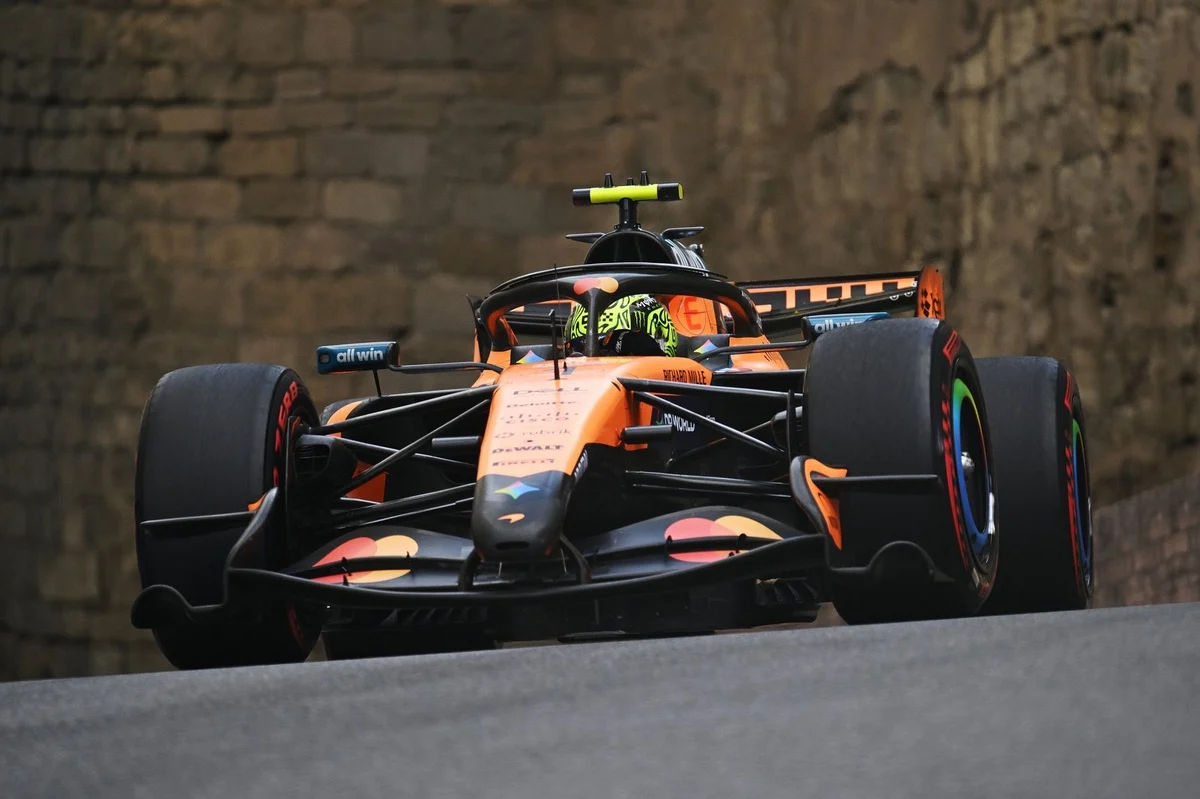
 Nana Wu

 Lina Hope

 Sagoh
Sagoh
 Iffa Jayyana