
 Azzam Bilal Chamdy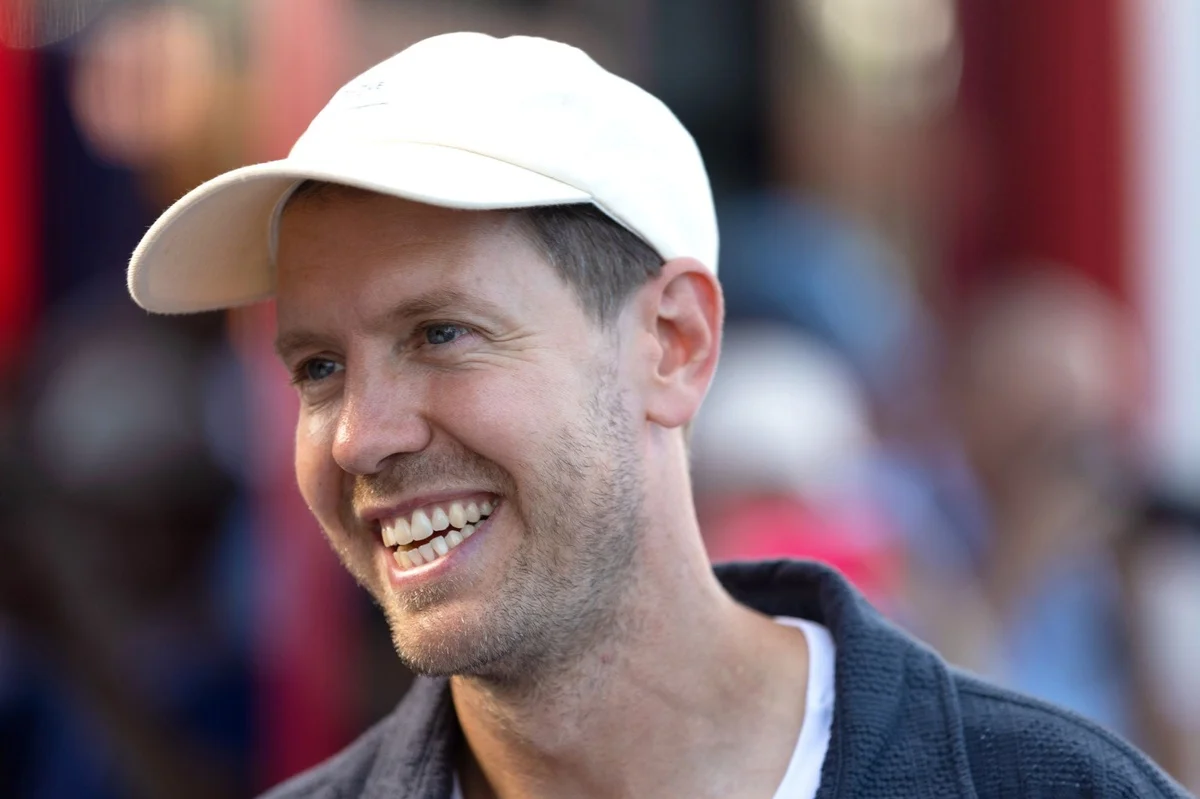
By Motorsport News Desk
Published following the Azerbaijan Grand Prix
Main Facts: The Evolution of Vettel’s Post-Racing Journey
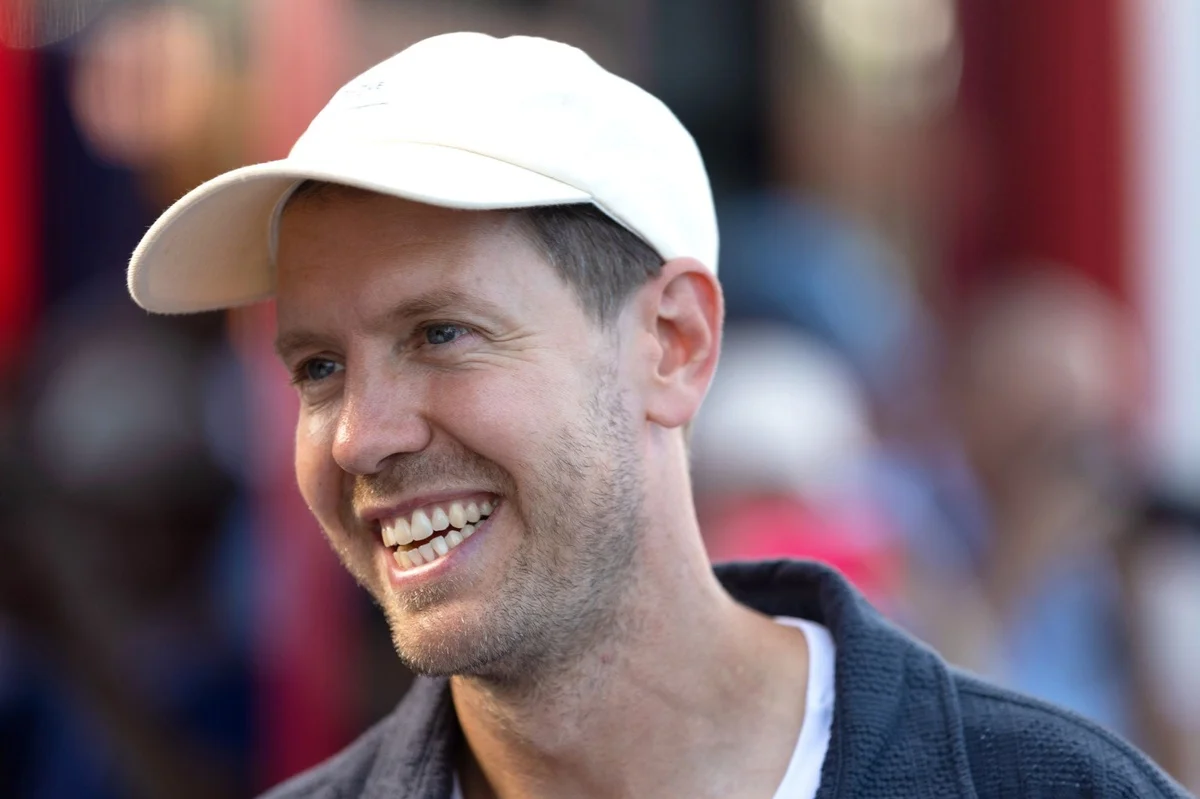
Four-time Formula 1 World Champion Sebastian Vettel has opened the door to a potential future role within the upper echelons of motorsport, though he insists he is in no rush to secure a paddock pass just yet. Speaking candidly on the BBC’s Chequered Flag Podcast following the drama of the Azerbaijan Grand Prix at the Baku City Circuit—where Mercedes’ George Russell took a brilliant victory ahead of the Red Bull duo of Max Verstappen and Isack Hadjar—Vettel reflected on his life away from the high-octane spotlight.
While his days of fighting wheel-to-wheel for world championships with Red Bull and Ferrari are behind him, the German icon remains deeply engaged with the sport’s trajectory. Balancing a quiet life managing a family farm with broader global advocacy, Vettel is keeping a watchful eye on the horizon, specifically monitoring the sweeping technical regulation changes slated for 2026 and Formula 1’s ambitious target of achieving a net-zero carbon footprint by 2030.
However, despite lingering speculation from fans and pundits regarding a potential management, advisory, or ambassadorial role within an F1 team or the FIA, Vettel was quick to clarify his current stance:
- No Active Pursuit: The 37-year-old is not knocking on team principals’ doors or distributing his curriculum vitae across the paddock.
- Content in Retirement: He is thoroughly enjoying his time away from the grid, prioritizing his family and agricultural pursuits.
- Aligned Passions: His core post-retirement drivers remain sustainability, ecological responsibility, and shaping a future-proof motorsport industry.
Chronology: From Grid Icon to Paddock Observer
To understand Sebastian Vettel’s current mindset, it is helpful to trace the evolution of his final years in Formula 1 and his transition into retirement.
2022: The Emotional Farewell Tour
After securing 53 Grand Prix victories, 122 podiums, and four consecutive world titles between 2010 and 2013, Sebastian Vettel announced ahead of the 2022 Hungarian Grand Prix that he would retire from Formula 1 at the end of the season. His final year with Aston Martin was characterized not just by racing, but by a powerful advocacy campaign. Vettel used his platform to highlight environmental issues, biodiversity, and human rights, famously racing with a modified helmet design celebrating bees and environmental conservation, and running demonstrations in historic F1 cars utilizing sustainable fuels.
2023–2024: Finding Balance on the Farm
Upon hanging up his helmet, Vettel stepped away from the intense travel schedule of the 24-race F1 calendar. He retreated largely to a private life centered around his family and a newly acquired farm in Europe. During this period, occasional paddock appearances—such as his tribute to Michael Schumacher at Suzuka involving the construction of "bee hotels," or organizing commemorative runs for racing legends—kept him connected to the sport without the burden of competition.
2025–Present: The 2026 Horizon and Media Insights
With Formula 1 on the cusp of its next major regulatory revolution in 2026—featuring completely revamped power units running on 100% sustainable fuels and active aerodynamic components—Vettel’s commentary has grown more frequent. His recent appearance on the Chequered Flag Podcast following the Baku race underlined a man who is comfortable in his own skin, observing the sport with a critical yet affectionate eye, while quietly pondering where he might best apply his expertise next.
Supporting Data & Context: The Changing Landscape of Formula 1
Vettel’s reflections arrive at a critical juncture in Formula 1’s history. The sport is undergoing profound structural shifts, both technically and culturally.
The 2026 Regulatory Shift
The upcoming 2026 season represents one of the most radical technical resets in modern F1 history. Key elements include:
- Power Unit Overhaul: A roughly 50-50 power split between internal combustion engines and electrical energy, dramatically increasing battery output.
- Sustainable Fuels: The introduction of advanced, drop-in sustainable fuels designed to eliminate fossil-derived carbon emissions from the combustion process.
- Agility and Size: Chassis regulations are set to yield smaller, lighter cars to improve racing spectacles and efficiency.
F1’s Net-Zero 2030 Target
Vettel’s continued emphasis on sustainability aligns directly with Formula 1’s corporate roadmap. F1 has committed to being Net Zero Carbon by 2030. Key milestones include:
- Transitioning paddock operations to 100% renewable energy.
- Rationalizing the race calendar to reduce logistical freight emissions.
- Pioneering sustainable logistics and travel practices across all ten teams.
Given Vettel’s vocal activism during the twilight of his career—where he frequently challenged the sport to do more for climate change—his perspective on these initiatives carries significant weight among stakeholders and fans alike.

Official Responses and Paddock Perspectives
Vettel’s measured approach has resonated across the F1 community. While team bosses have frequently praised his intelligence, leadership qualities, and technical feedback, the German remains deliberate about how—and if—he wishes to re-enter the ecosystem.
"Obviously, I enjoy the time that I have. I think it’s a privilege to be in that position with family, but also I run a little farm at home, so looking after that," Vettel remarked on the Chequered Flag Podcast.
"I’m still very much involved in the sport. Obviously, I don’t have an active role at the moment, but very much following what’s going on and caring about the sport’s future. Especially [F1’s net-zero goal in] 2030 or the new regulations, what might change."
Addressing the rumors of potential management or advisory roles, he added:
"I’m always open for what comes around the corner in terms of maybe a role in the future, but I’m not actively pursuing it. I’m not speaking to teams or individuals and dropping my CV here and there, but following from the outside with great joy and pleasure."
Paddock insiders have frequently speculated that an executive or ambassadorial role within Formula Management, the FIA, or an environmentally forward-thinking constructor would be a natural fit for the German. However, Vettel’s insistence on organic opportunities rather than forced career moves demonstrates his desire to protect the peace and balance he has cultivated since stepping away from the cockpit.
Implications: What a Future Vettel Return Means for F1
The prospect of Sebastian Vettel returning to Formula 1 in a non-driving capacity holds profound implications for the sport’s governance, cultural messaging, and technical direction.
1. Elevating Environmental and Social Standards
Formula 1 has worked diligently to project a greener image, but criticism regarding its global logistics remains persistent. Having a figure of Vettel’s stature—a four-time world champion with unquestioned credibility—involved in shaping or auditing sustainability practices would lend immense legitimacy to the sport’s 2030 net-zero targets. Unlike corporate ambassadors, Vettel has consistently backed his rhetoric with personal action, making him an invaluable voice for ecological accountability.
2. Mentorship and Driver Welfare
Modern F1 drivers face unprecedented psychological and physical pressures across a grueling 24-race calendar. Vettel was known during his career for being a supportive colleague, a confidant to younger drivers, and an active member of the Grand Prix Drivers’ Association (GPDA). A formal role within the FIA or team management could see him step into a mentorship capacity, helping navigate the complexities of a modern racing career for the next generation of talent, such as Max Verstappen, George Russell, and rising stars like Isack Hadjar.
3. A Legacy Beyond Statistics
While Vettel’s name is permanently etched into the history books alongside legends like Juan Manuel Fangio, Michael Schumacher, and Lewis Hamilton, his post-retirement trajectory suggests his greatest impact may extend far beyond race wins and championship trophies. By taking his time, tending to his farm, and carefully evaluating how he can contribute to the future of mobility and motorsport, Vettel ensures that when and if he does return to the paddock, it will be on his own terms—with purpose, conviction, and a clear vision for the road ahead.
Stay tuned to Motorsport.com for ongoing coverage, analysis, and exclusive interviews as Formula 1 edges closer to the 2026 regulatory era.

 Reynand Wu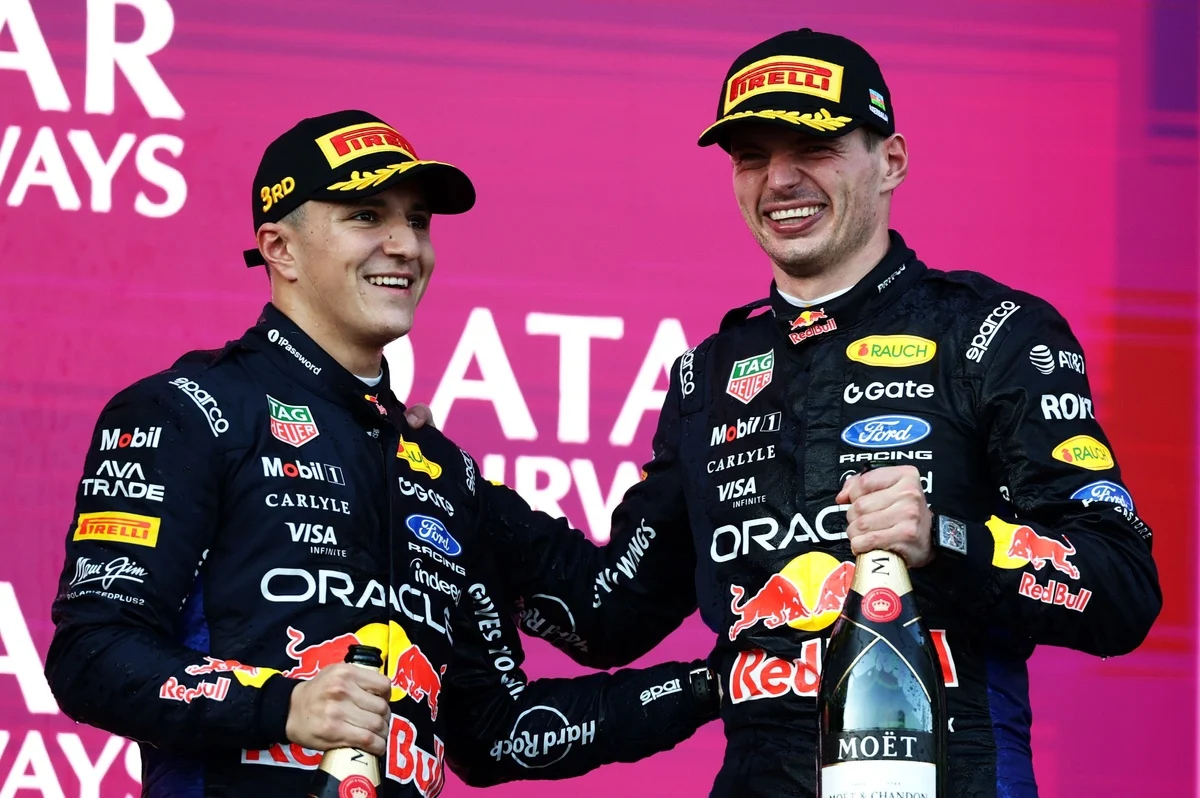
 Ammar Sabilarrohman
 Suro Senen
 Laily UPN
 Siti Muinah
 Lina Hope