Trending News:From IndyCar Prodigy to F1 Aspirant: Colton Herta’s Arduous European Odyssey and the Quest for a Cadillac FutureWorld Cup Survival: England’s Desperate Bid for Redemption Against FranceFrom Host-Housing Hero to PGA Tour Member: The Remarkable Rise of Davis LambElisa Longo Borghini Dominates Piasco to Claim Eighth Italian Time Trial TitleRunning Safely in the Dark: How Open-Ear Technology Keeps Athletes Connected and Aware as Clocks Go BackRising Star Briana Mingmuang Commits to University of Illinois: A New Chapter for Fighting Illini SwimmingTracks in the Snow: How Bigfoot Became the Undisputed Mascot of Pacific Northwest Ski CultureThe Long and Winding Road: Colton Herta’s Formula 1 Quest, F2 Struggles, and Cadillac AmbitionsSteiner Dismisses "Dream" Pairing: Why Christian Horner and Fred Vasseur Will Never Coexist at FerrariThe United Rugby Championship 2026/27: A Comprehensive Guide to the Global Rugby ShowcaseThe Psychedelic Fairway: Inside the High-Stakes World of Ayahuasca-Infused Golf RetreatsRock, Paper, Scissors Settles Elite Race Order for Historic Two-Day TCS London MarathonBeyond the Goggles: Redefining Aquatic Ear Health for the Year-Round AthleteChasing the Deep: The Definitive Guide to the Best Powder Skis of 2027Steiner Debunks Ferrari "Dream Team" Speculation: Why Horner and Vasseur Coexisting in Maranello is a Formula 1 ImpossibilityThe Global Stage: Your Comprehensive Guide to the 2026-27 United Rugby ChampionshipBreakthrough in Baku: Cadillac F1 Cures Major Cooling Achilles’ Heel as High-Profile Engineering Signings Bolster Long-Term AmbitionsThe End of a Breakfast Cocktail: Mars Terminates BuzzBallz Partnership Amid Public Health BacklashThe Endless Odyssey: Viktor Hovland’s Struggle to Reclaim His Golfing IdentityClash of Styles: How Jim Hiller’s Analytical Approach and Defensive Pedigree Will Shape the Toronto Maple Leafs’ Star-Studded OffenseA Championship to Forget: Visa Hurdles, Roster Depletion, and UCI Penalties Plague Eritrea at the Road World ChampionshipsCal Swimming Scores Massive Recruiting Coup: Top-Ranked Class of 2028 Prospect Kai Joyner Commits to BerkeleyWeather Woes and Balance Sheets: Vail Resorts Navigates a Historic Low-Snow Season and Prepares for What’s NextThe Perth Crucible: Les Kiss and the Wallabies Face Their Ultimate 2026 Reckoning Against the SpringboksResilience and Tactics: How Mads Pedersen Fought Through Adversity to Secure Sixth at the World ChampionshipsThe Nordica Santa Ana 102: Why Last Season’s Discounted All-Mountain Charger is the Smartest Buy in SkiingA Mixed Bag in Baku: How Williams’ Long-Awaited B-Spec Upgrade Sparked Hope Amid Familiar Growing PainsMcLaren Racing on Track to Shatter F1 Financial Records with Projected $1 Billion Revenue MilestoneThe Dragon’s Call: LEGO Finally Unveils First-Ever Dragon Ball Set in Leaked RevealThe Twilight Chase: Adam Scott and the Weight of Unfinished BusinessTampa Bay Rays Outright Veteran Pitcher Jake Woodford to Triple-A DurhamA Titan of the Pool: Remembering Legendary Coach Frank Busch (1951–2026)The Smartest Move on Snow: Why the Unchanged Nordica Santa Ana 102 is the Ultimate Gear HackDenny Hamlin Demands Severe Penalties Following Ugly Post-Race Brawl at Martinsville SpeedwayWSL Weekly Roundup: Tactical Struggles, Emerging Stars, and the Shifting Power DynamicsSebastian Vettel Reflects on Post-Retirement Life, F1’s Future, and the Door to a Potential ReturnThe Weight of Gold: Tom Kim’s Relentless Week at Medinah and the High-Stakes Path to ExemptionAthletics General Manager Search: Jon Daniels Declines Candidacy as Oakland Continues High-Stakes Front Office HuntTriumphs on Welsh Soil: Courtney-Bryant and Kavanagh Claim Crowns at the SportsShoes Podium Home Nations 5kmRising Star Maggie Wanezek Extends Partnership with A3 Performance on Road to 2028 OlympicsSebastian Vettel Weighs Future F1 Role: Life After the Cockpit, Sustainability Goals, and the 2026 RegulationsRacing Bulls Rookie Arvid Lindblad Issues Public Apology to Teammate Liam Lawson After Dramatic Baku CollisionFrom Browser Staple to Steam Success: The Phenomenal Resurgence of Happy WheelsThe Crucible in Perth: Les Kiss’s Wallabies Face the Ultimate Springbok TestEnd of an Era: Dan Wilson Out as Mariners Manager Following Disappointing 2026 CampaignRising Star Jack Miceli Commits to UC Santa Barbara: A Strategic Addition for the GauchosMasterclass at Kansas: Kyle Larson Dominates with Historic Maximum-Points Performance in 2026 NASCAR Cup ThrillerAlexander Isak Returns to Liverpool Following Injury on International DutyMastering the Chaos: How Isack Hadjar’s Stunning Baku Comeback Proved His Red Bull ReadinessThe Foursomes Fiasco: Is the American Golf Machine Breaking Down?Phillies Turn to Zack Wheeler in Desperate Finale as Jesús Luzardo Returns to Bolster BullpenSt. Louis Blues Face Early Season Uncertainty as Young Defenceman Logan Mailloux Suffers Upper-Body Injury in Preseason ActionDrexel Swimming Bolsters Future: Emily Black-Wright and Maddie Inman Commit to Class of 2031Beyond the Giants: Why the Power Pass Is Quietly Rewriting the Southwest Ski SeasonMastering the Chaos: How Isack Hadjar’s Baku Masterclass Proved He is Red Bull’s FutureMaine’s Culinary Icon Evolves: W.A. Bean Replaces Red Dye 3 with Insect-Based PigmentA New Era at Welford Road: Leicester Tigers vs. Saracens Set to Define the Opening Weekend of the Gallagher PremiershipThe Final Push: Presidents Cup Sunday at Medinah Reaches a Boiling PointA Rainbow in Montreal: Demi Vollering Claims Historic Elite Women’s Road Race World Title in Thrilling FinaleRedefining Aging: A Comprehensive Review of British Masters Track Records Following a Historic Weekend in DerbyLegacy of Speed: Anders Koschmann Commits to Northwestern’s Class of 2032Red Bull’s Resurgence: Isack Hadjar’s Stunning Comeback Podium in Baku Highlights Team SynergyThe Manchester City Reckoning: A Watershed Moment for English FootballOff-Track Bonding and On-Track Upgrades: Inside Williams’ High-Stakes Azerbaijan Grand Prix WeekendThe Unsettling Mirror: Chris Hansen Breaks Silence on Robert Pattinson’s Portrayal in A24’s PrimetimeOttawa Senators Bolster Goalie Depth, Acquiring Jonas Johansson from Tampa Bay Lightning Following Waiver LossThe Battle for the Rainbow Jersey: Your Ultimate Guide to the 2026 UCI Road World Championships in MontréalVirginia Dominates Match #2 of the College Swimming League: A Masterclass in Depth and VersatilityBeyond the Giants: Why the Power Pass Is Quietly Reshaping Southwest Ski CultureA Night of Nations League Drama: Mbappé Injury Overshadows French Victory as Italy StumblesSteiner Slams Williams’ "Crocodile Tears" Over F1 Cap Ex Limits and Vowles’ Shifting TimelinesThe "Torture" of Productivity: Why Alarmy is Turning Morning Routines into Digital BootcampsZebre Parma 2026-27: A Franchise at the Crossroads of Survival and DevelopmentDéjà Vu at Medinah: International Team Stuns Americans with Historic Foursomes SweepCalgary Flames Sign Forward Alex Nylander to a One-Year, Two-Way Contract After Successful Training Camp TryoutAlejandra Neira Clinches Historic Junior Women’s Road Race Victory for Spain at the UCI Road World Championships in MontrealInside the Puma 418 Relay and the Grand Opening of the Berlin Nitro Lab: A Masterclass in Endurance, Community, and Brand InnovationThe Global Pool: A Comprehensive Guide to International Swimming’s High-Stakes October 2026Beyond the Megapass: Why the Regional Power Pass is Quietly Reshaping Ski CultureFrom Bristol Blowups to Paddock Camaraderie: Inside the Carson Hocevar and Ryan Blaney AftermathVerstappen Stuns Mercedes with Late Charge to Top Baku FP2, Setting Up Thrilling Azerbaijan GP QualifyingThe Art of the Anonymous: How Instagram’s New AI Blur Tool is Redefining Digital Privacy and DatingThe NHL’s New Fashion Police: Trevor Zegras Draws Penalty as League Revives Crackdown on Tucked JerseysLotte Kopecky Set for High-Stakes Showdown at the Montreal Elite Women’s Road RaceMelissa Courtney-Bryant Ready to Headline Women’s Field at SportsShoes Podium Home Nations 5K in CardiffA Historic Conclusion: The Final Night of the 2026 Asian Games Swimming ProgramBeyond the Giants: Why the Regional Power Pass is Reshaping Southwest Ski CultureMotoGP Unveils Its Most Ambitious Schedule Yet: 22 Rounds, New Global Hubs, and a Bold 2027 VisionA New Dawn or a Familiar Dusk? Klopp’s Chaotic Germany Debut Ends in StalemateHigh Stakes in Baku: David Coulthard Warns "Heads Will Roll" if Williams’s Major B-Spec Upgrade Fails to DeliverBeyond the Rainbow Bridge: BARK and Liquid Death Launch "The Most Forever Home" CasketU.S. Team Grinds Out Narrow Lead as Presidents Cup Opens at MedinahAstros Shuffle Roster as Playoff Push Intensifies: Daulton Varsho Lands on Injured ListFrench Alps 2030 Winter Olympics: Ice Hockey Shifts from Nice to Lyon Amid Infrastructure and Funding OverhaulBreakthrough Performance: 20-Year-Old Mara Winter Shines in U23 World Championships Road RaceThe Unorthodox Champion and the Record Chasers: A Deep Dive into the 2026 BMW Berlin MarathonKristina Paegle Returns to Indiana: A Pivotal Development Amidst Ongoing NCAA LitigationBeyond the Giants: Why the Regional Power Pass is Reshaping Southwest Ski CultureHigh Stakes on the Plains: The Complete Guide to the 2026 NASCAR Cup Series Playoff Showdown at Kansas SpeedwayA Season of Transition: Reds Designate TJ Friedl, Place Chase Burns on Injured List
Trending News:From IndyCar Prodigy to F1 Aspirant: Colton Herta’s Arduous European Odyssey and the Quest for a Cadillac FutureWorld Cup Survival: England’s Desperate Bid for Redemption Against FranceFrom Host-Housing Hero to PGA Tour Member: The Remarkable Rise of Davis LambElisa Longo Borghini Dominates Piasco to Claim Eighth Italian Time Trial TitleRunning Safely in the Dark: How Open-Ear Technology Keeps Athletes Connected and Aware as Clocks Go BackRising Star Briana Mingmuang Commits to University of Illinois: A New Chapter for Fighting Illini SwimmingTracks in the Snow: How Bigfoot Became the Undisputed Mascot of Pacific Northwest Ski CultureThe Long and Winding Road: Colton Herta’s Formula 1 Quest, F2 Struggles, and Cadillac AmbitionsSteiner Dismisses "Dream" Pairing: Why Christian Horner and Fred Vasseur Will Never Coexist at FerrariThe United Rugby Championship 2026/27: A Comprehensive Guide to the Global Rugby ShowcaseThe Psychedelic Fairway: Inside the High-Stakes World of Ayahuasca-Infused Golf RetreatsRock, Paper, Scissors Settles Elite Race Order for Historic Two-Day TCS London MarathonBeyond the Goggles: Redefining Aquatic Ear Health for the Year-Round AthleteChasing the Deep: The Definitive Guide to the Best Powder Skis of 2027Steiner Debunks Ferrari "Dream Team" Speculation: Why Horner and Vasseur Coexisting in Maranello is a Formula 1 ImpossibilityThe Global Stage: Your Comprehensive Guide to the 2026-27 United Rugby ChampionshipBreakthrough in Baku: Cadillac F1 Cures Major Cooling Achilles’ Heel as High-Profile Engineering Signings Bolster Long-Term AmbitionsThe End of a Breakfast Cocktail: Mars Terminates BuzzBallz Partnership Amid Public Health BacklashThe Endless Odyssey: Viktor Hovland’s Struggle to Reclaim His Golfing IdentityClash of Styles: How Jim Hiller’s Analytical Approach and Defensive Pedigree Will Shape the Toronto Maple Leafs’ Star-Studded OffenseA Championship to Forget: Visa Hurdles, Roster Depletion, and UCI Penalties Plague Eritrea at the Road World ChampionshipsCal Swimming Scores Massive Recruiting Coup: Top-Ranked Class of 2028 Prospect Kai Joyner Commits to BerkeleyWeather Woes and Balance Sheets: Vail Resorts Navigates a Historic Low-Snow Season and Prepares for What’s NextThe Perth Crucible: Les Kiss and the Wallabies Face Their Ultimate 2026 Reckoning Against the SpringboksResilience and Tactics: How Mads Pedersen Fought Through Adversity to Secure Sixth at the World ChampionshipsThe Nordica Santa Ana 102: Why Last Season’s Discounted All-Mountain Charger is the Smartest Buy in SkiingA Mixed Bag in Baku: How Williams’ Long-Awaited B-Spec Upgrade Sparked Hope Amid Familiar Growing PainsMcLaren Racing on Track to Shatter F1 Financial Records with Projected $1 Billion Revenue MilestoneThe Dragon’s Call: LEGO Finally Unveils First-Ever Dragon Ball Set in Leaked RevealThe Twilight Chase: Adam Scott and the Weight of Unfinished BusinessTampa Bay Rays Outright Veteran Pitcher Jake Woodford to Triple-A DurhamA Titan of the Pool: Remembering Legendary Coach Frank Busch (1951–2026)The Smartest Move on Snow: Why the Unchanged Nordica Santa Ana 102 is the Ultimate Gear HackDenny Hamlin Demands Severe Penalties Following Ugly Post-Race Brawl at Martinsville SpeedwayWSL Weekly Roundup: Tactical Struggles, Emerging Stars, and the Shifting Power DynamicsSebastian Vettel Reflects on Post-Retirement Life, F1’s Future, and the Door to a Potential ReturnThe Weight of Gold: Tom Kim’s Relentless Week at Medinah and the High-Stakes Path to ExemptionAthletics General Manager Search: Jon Daniels Declines Candidacy as Oakland Continues High-Stakes Front Office HuntTriumphs on Welsh Soil: Courtney-Bryant and Kavanagh Claim Crowns at the SportsShoes Podium Home Nations 5kmRising Star Maggie Wanezek Extends Partnership with A3 Performance on Road to 2028 OlympicsSebastian Vettel Weighs Future F1 Role: Life After the Cockpit, Sustainability Goals, and the 2026 RegulationsRacing Bulls Rookie Arvid Lindblad Issues Public Apology to Teammate Liam Lawson After Dramatic Baku CollisionFrom Browser Staple to Steam Success: The Phenomenal Resurgence of Happy WheelsThe Crucible in Perth: Les Kiss’s Wallabies Face the Ultimate Springbok TestEnd of an Era: Dan Wilson Out as Mariners Manager Following Disappointing 2026 CampaignRising Star Jack Miceli Commits to UC Santa Barbara: A Strategic Addition for the GauchosMasterclass at Kansas: Kyle Larson Dominates with Historic Maximum-Points Performance in 2026 NASCAR Cup ThrillerAlexander Isak Returns to Liverpool Following Injury on International DutyMastering the Chaos: How Isack Hadjar’s Stunning Baku Comeback Proved His Red Bull ReadinessThe Foursomes Fiasco: Is the American Golf Machine Breaking Down?Phillies Turn to Zack Wheeler in Desperate Finale as Jesús Luzardo Returns to Bolster BullpenSt. Louis Blues Face Early Season Uncertainty as Young Defenceman Logan Mailloux Suffers Upper-Body Injury in Preseason ActionDrexel Swimming Bolsters Future: Emily Black-Wright and Maddie Inman Commit to Class of 2031Beyond the Giants: Why the Power Pass Is Quietly Rewriting the Southwest Ski SeasonMastering the Chaos: How Isack Hadjar’s Baku Masterclass Proved He is Red Bull’s FutureMaine’s Culinary Icon Evolves: W.A. Bean Replaces Red Dye 3 with Insect-Based PigmentA New Era at Welford Road: Leicester Tigers vs. Saracens Set to Define the Opening Weekend of the Gallagher PremiershipThe Final Push: Presidents Cup Sunday at Medinah Reaches a Boiling PointA Rainbow in Montreal: Demi Vollering Claims Historic Elite Women’s Road Race World Title in Thrilling FinaleRedefining Aging: A Comprehensive Review of British Masters Track Records Following a Historic Weekend in DerbyLegacy of Speed: Anders Koschmann Commits to Northwestern’s Class of 2032Red Bull’s Resurgence: Isack Hadjar’s Stunning Comeback Podium in Baku Highlights Team SynergyThe Manchester City Reckoning: A Watershed Moment for English FootballOff-Track Bonding and On-Track Upgrades: Inside Williams’ High-Stakes Azerbaijan Grand Prix WeekendThe Unsettling Mirror: Chris Hansen Breaks Silence on Robert Pattinson’s Portrayal in A24’s PrimetimeOttawa Senators Bolster Goalie Depth, Acquiring Jonas Johansson from Tampa Bay Lightning Following Waiver LossThe Battle for the Rainbow Jersey: Your Ultimate Guide to the 2026 UCI Road World Championships in MontréalVirginia Dominates Match #2 of the College Swimming League: A Masterclass in Depth and VersatilityBeyond the Giants: Why the Power Pass Is Quietly Reshaping Southwest Ski CultureA Night of Nations League Drama: Mbappé Injury Overshadows French Victory as Italy StumblesSteiner Slams Williams’ "Crocodile Tears" Over F1 Cap Ex Limits and Vowles’ Shifting TimelinesThe "Torture" of Productivity: Why Alarmy is Turning Morning Routines into Digital BootcampsZebre Parma 2026-27: A Franchise at the Crossroads of Survival and DevelopmentDéjà Vu at Medinah: International Team Stuns Americans with Historic Foursomes SweepCalgary Flames Sign Forward Alex Nylander to a One-Year, Two-Way Contract After Successful Training Camp TryoutAlejandra Neira Clinches Historic Junior Women’s Road Race Victory for Spain at the UCI Road World Championships in MontrealInside the Puma 418 Relay and the Grand Opening of the Berlin Nitro Lab: A Masterclass in Endurance, Community, and Brand InnovationThe Global Pool: A Comprehensive Guide to International Swimming’s High-Stakes October 2026Beyond the Megapass: Why the Regional Power Pass is Quietly Reshaping Ski CultureFrom Bristol Blowups to Paddock Camaraderie: Inside the Carson Hocevar and Ryan Blaney AftermathVerstappen Stuns Mercedes with Late Charge to Top Baku FP2, Setting Up Thrilling Azerbaijan GP QualifyingThe Art of the Anonymous: How Instagram’s New AI Blur Tool is Redefining Digital Privacy and DatingThe NHL’s New Fashion Police: Trevor Zegras Draws Penalty as League Revives Crackdown on Tucked JerseysLotte Kopecky Set for High-Stakes Showdown at the Montreal Elite Women’s Road RaceMelissa Courtney-Bryant Ready to Headline Women’s Field at SportsShoes Podium Home Nations 5K in CardiffA Historic Conclusion: The Final Night of the 2026 Asian Games Swimming ProgramBeyond the Giants: Why the Regional Power Pass is Reshaping Southwest Ski CultureMotoGP Unveils Its Most Ambitious Schedule Yet: 22 Rounds, New Global Hubs, and a Bold 2027 VisionA New Dawn or a Familiar Dusk? Klopp’s Chaotic Germany Debut Ends in StalemateHigh Stakes in Baku: David Coulthard Warns "Heads Will Roll" if Williams’s Major B-Spec Upgrade Fails to DeliverBeyond the Rainbow Bridge: BARK and Liquid Death Launch "The Most Forever Home" CasketU.S. Team Grinds Out Narrow Lead as Presidents Cup Opens at MedinahAstros Shuffle Roster as Playoff Push Intensifies: Daulton Varsho Lands on Injured ListFrench Alps 2030 Winter Olympics: Ice Hockey Shifts from Nice to Lyon Amid Infrastructure and Funding OverhaulBreakthrough Performance: 20-Year-Old Mara Winter Shines in U23 World Championships Road RaceThe Unorthodox Champion and the Record Chasers: A Deep Dive into the 2026 BMW Berlin MarathonKristina Paegle Returns to Indiana: A Pivotal Development Amidst Ongoing NCAA LitigationBeyond the Giants: Why the Regional Power Pass is Reshaping Southwest Ski CultureHigh Stakes on the Plains: The Complete Guide to the 2026 NASCAR Cup Series Playoff Showdown at Kansas SpeedwayA Season of Transition: Reds Designate TJ Friedl, Place Chase Burns on Injured List
For motorsport fans, few tracks evoke the sheer unpredictability of modern open-wheel racing quite like the Circuit of the Americas (COTA). On March 24, 2019, the Austin asphalt played host to a piece of history. Driving for the modest Harding Steinbrenner Racing outfit, an 18-year-old Colton Herta capitalized on a chaotic race to become the youngest-ever winner in IndyCar history, locking down the top step at just 18 years and 359 days old.
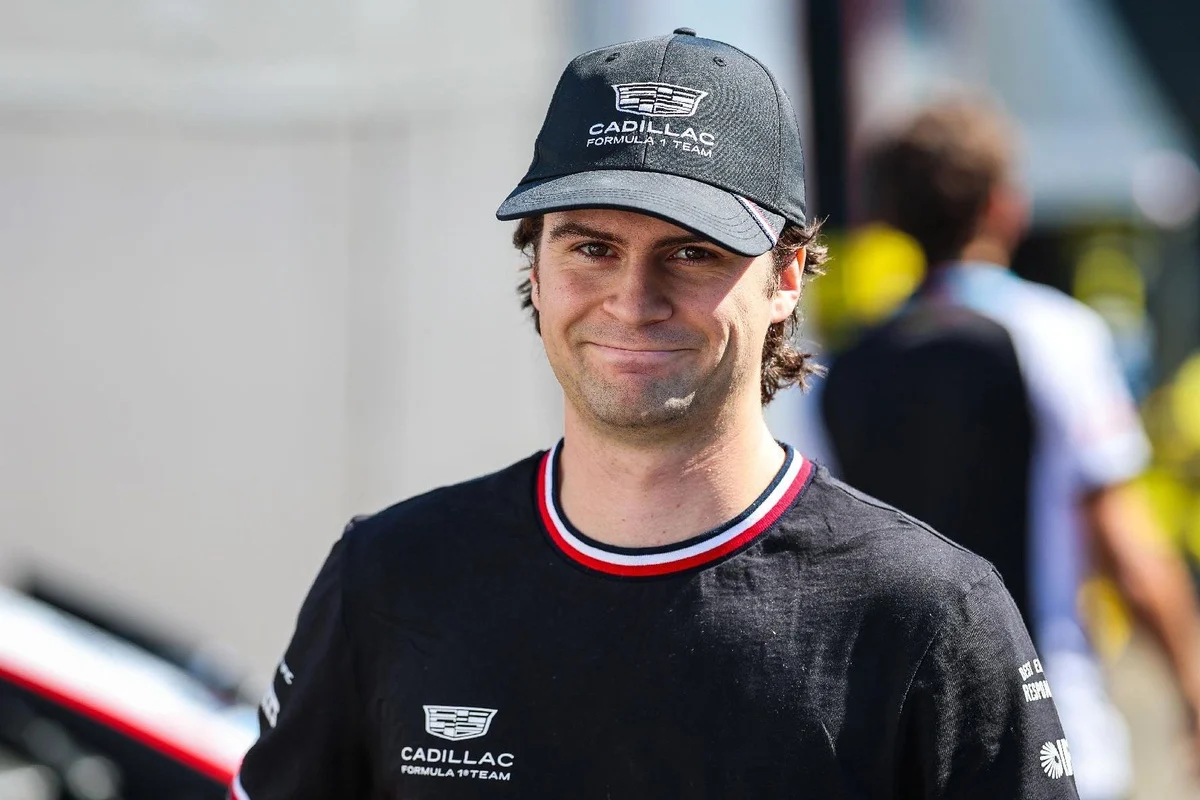
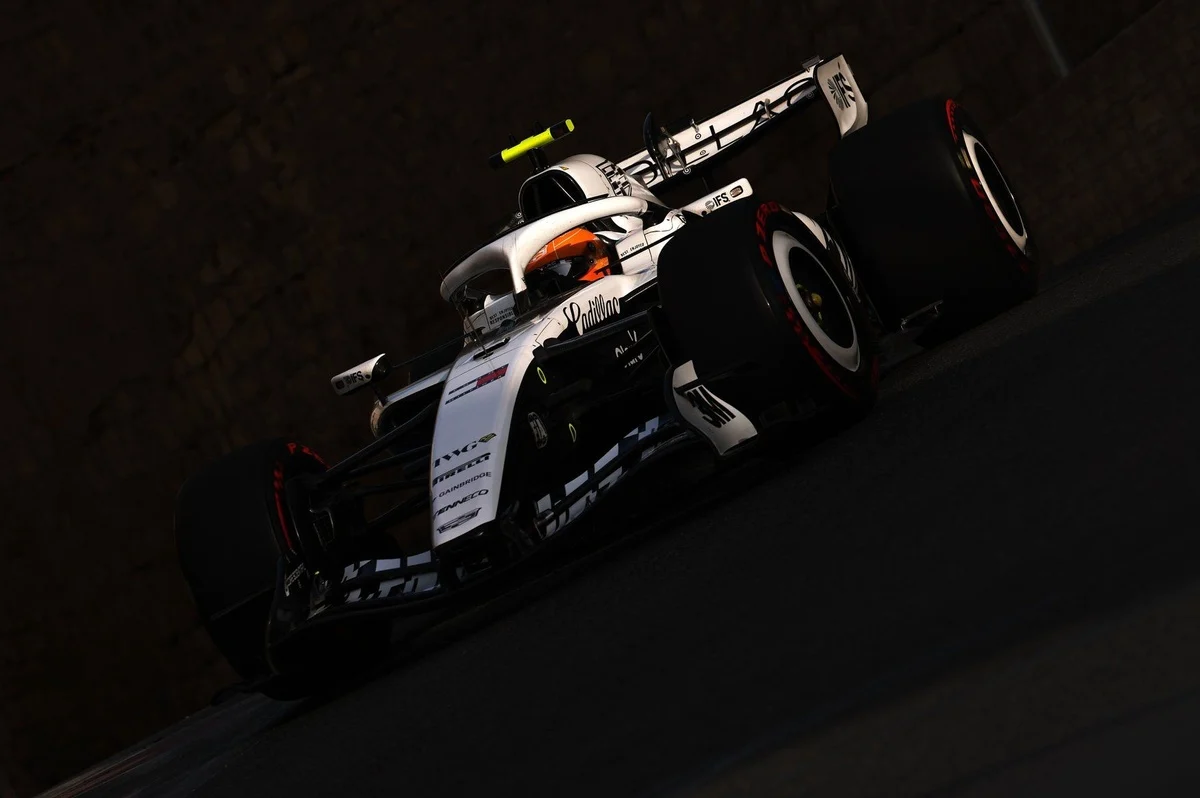
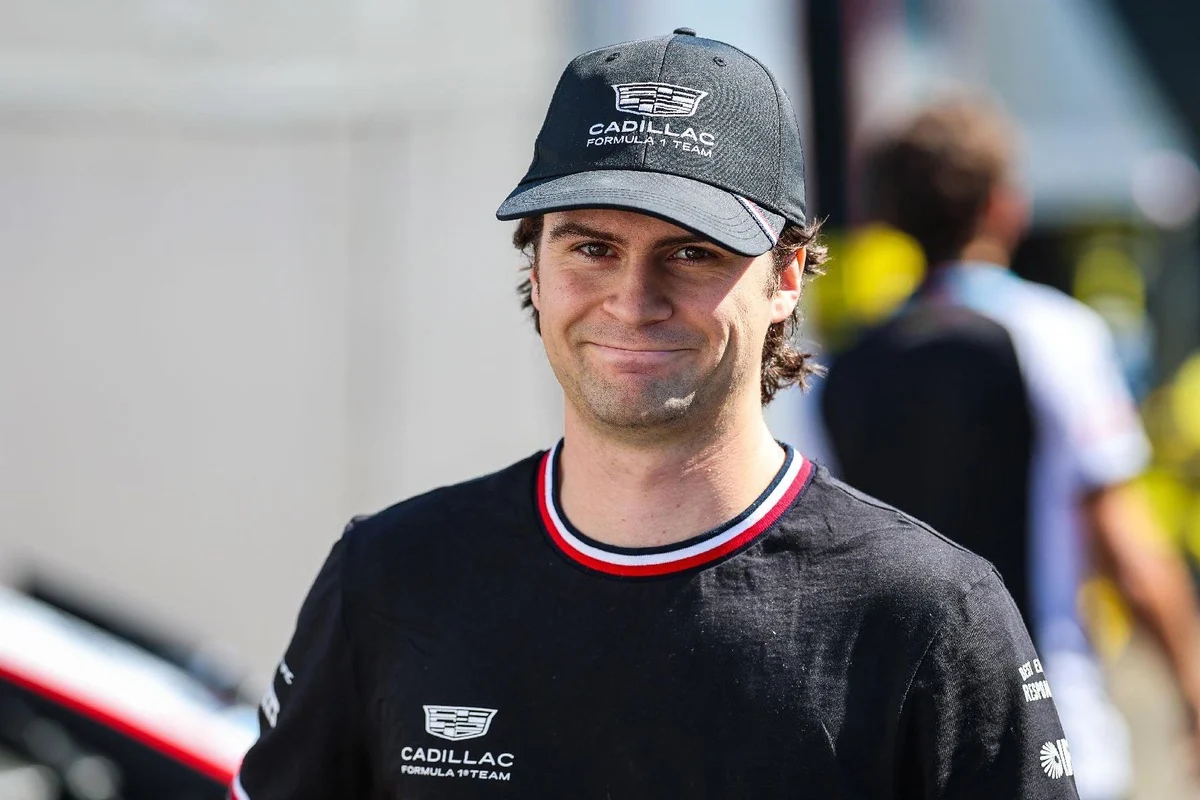
Fast forward nearly seven years, and the Southern California native found himself back in Austin. This time, however, the roaring V6 IndyCar engine had been replaced by the high-pitched, cutting-edge hybrid power unit of a modern Formula 1 machine. Stepping into the cockpit of the Cadillac F1 car for a Friday morning Free Practice 1 (FP1) session, Herta was granted a poignant, full-circle moment on the very tarmac where his professional single-seater stardom was born.
Yet, the journey to get to this FP1 session was far from straightforward. Swapping a comfortable, race-winning career in IndyCar with Andretti for a grueling European expedition with Cadillac, Herta entered a high-stakes gamble. His objective? To accumulate the necessary FIA superlicence points and secure an elusive Formula 1 race seat. But as the 2026 season enters its final stretch, the reality of that transition has proven to be a sobering baptism of fire.
The Main Facts: The Gamble on Cadillac and the Superlicence Quest
Colton Herta’s pivot toward Formula 1 represents one of the most intriguing cross-code driver movements of the decade. Having firmly established himself as a marquee talent in the NTT IndyCar Series—amassing multiple victories and pole positions—the second-generation racer made the bold decision to walk away from a secure seat in America to chase his ultimate motorsport ambition.
The catalyst for this leap was the arrival of Cadillac on the Formula 1 grid. Recognizing an opportunity to embed himself within a rising American-backed manufacturing powerhouse, Herta signed on to bridge the gap between American open-wheel racing and the pinnacle of global motorsport.
However, the primary hurdle standing between Herta and an F1 race start has always been the FIA superlicence system. Requiring a mandatory accumulation of 40 points over a three-year window, drivers coming from non-FIA-graded feeder series or domestic championships often find themselves locked out of the F1 paddock unless they can navigate the European junior formula ladder.
To bridge this gap, Cadillac orchestrated a dual-pronged campaign for Herta: a supporting role in Formula 2 with Hitech to secure championship points, complemented by private testing and mandatory FP1 outings to build F1 mileage and secure additional license exemptions. Unfortunately, while the vision was clear, execution on the track has hit a massive roadblock.
Chronology: From IndyCar Prodigy to F2 Purgatory
March 2019: The Breakthrough
Herta’s open-wheel trajectory skyrocketed on that warm March afternoon in Austin. Driving the No. 88 machine for Harding Steinbrenner Racing, Herta started third, utilized a masterclass in strategy to execute crucial undercuts, capitalized on late-race caution periods, and inherited the lead with 10 laps remaining. He drove defensively and brilliantly to hold off the chasing pack, cementing his name in the record books as IndyCar’s youngest winner.
The Andretti Years and the Red Bull Near-Miss
Subsequent seasons saw Herta transition into a powerhouse role within the Andretti Global stable. While an elusive IndyCar championship and a coveted Indianapolis 500 victory remained just out of reach, his raw speed turned heads across the Atlantic.
As early as 2022, Red Bull’s motorsport advisor Helmut Marko targeted Herta for an AlphaTauri (now Racing Bulls) seat. The deal ultimately collapsed not due to a lack of pace, but because of the strict FIA superlicence regulations, which denied him an exemption despite his stellar IndyCar resume. The episode left a bitter pill for Herta, illustrating the systemic divide between American open-seaters and European superlicence math.
The European Exile: 2026 Season Struggles
Determined not to let bureaucratic red tape close the door permanently, Herta accepted a drive in Formula 2 with Hitech for the 2026 season—a move he openly describes as a journey into "purgatory."
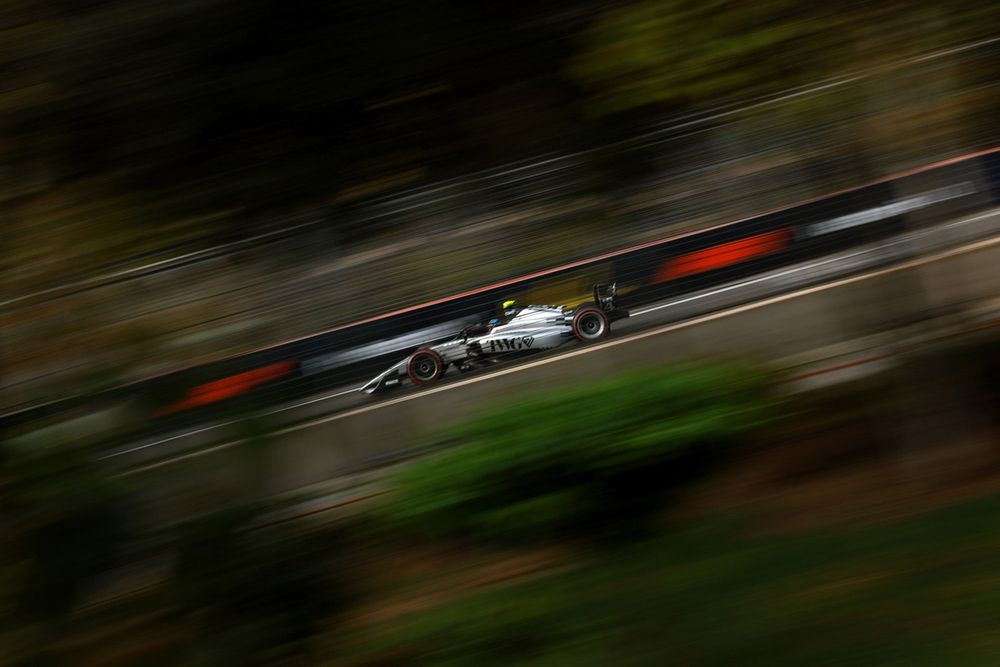
Rather than dominating the junior series as many anticipated, Herta has struggled to adapt to the idiosyncratic Pirellis, heavy chassis, and intensely aggressive junior grid dynamics. Languishing 19th in the F2 drivers’ standings with a meager 26 points, his last scoring appearance dates back to the gritty rounds at Spa-Francorchamps prior to the summer break.
Reflecting on his grueling campaign, a visibly candid Herta admitted:
"I’m just disappointed with how the year’s gone. It’s not been good at all… It left me with a few more questions than answers."
Supporting Data and Technical Realities: Adapting to the MAC-26
Despite his struggles in F2, Herta’s outing in Cadillac’s MAC-26 during FP1 at COTA provided a much-needed morale boost and valuable developmental data for the team. Completing 21 laps, Herta finished 21st, roughly 3.9 seconds off the pace-setting benchmark—though raw lap time was far down the list of priorities for the American driver.
Instead, Herta served as a high-speed test mule, executing complex aerodynamic evaluations designed to shape Cadillac’s technical trajectory for the 2027 regulations.
Discussing the grueling test program, Herta noted:
"Whatever they tell me to do, I do it. We did some aero runs that ate up half of the session, and then from there I did one short run and then one long run. Whenever you’re in the car, it always feels like it goes way too fast, and everything’s over too quick, but everything went to plan."
Bridging the technical gap between an IndyCar DW12 chassis and a modern ground-effect Formula 1 hybrid required a steep mental recalibration. When asked how long it took to rewire his brain for the transition, Herta explained the nuances of driving style and data processing:
"In IndyCar, we use feet for brake markers, too, so it’s a little bit different in that aspect, and you’re arriving at quite different speeds, to be honest. But generally, the lines are very similar. How you approach the track and attack it is very similar, but the car feels different. I think driving-wise, at least in the low-speed sections, it’s pretty close to what you need to do and how you need to maximise it."
Official Responses and Driver Market Speculation
The burning question within the paddock remains: what does Herta’s future hold? With his F2 championship hopes effectively evaporated, his path to an F1 seat now hinges entirely on securing the remaining superlicence points via remaining FP1 outings before the conclusion of the 2026 season.
Cadillac’s driver lineup currently features veteran stability alongside established champions, but long-term planning remains fluid. Team Principal Marcin Budkowski has done little to quell paddock whispers regarding the security of Valtteri Bottas’s seat alongside Sergio Pérez for the upcoming seasons, leaving the door wide open for emerging talent.
Herta remains resolute about his ultimate career destination:
"My goal is still to be in Formula 1 as soon as possible with Cadillac, with GM, with TWG, and this is where I want to be. I’m focused on trying to get here as soon as possible."
However, the reality of modern motorsport dictates that a driver cannot afford to sit idle. Spending a year on the sidelines exclusively as a simulator or reserve driver holds zero appeal for a racer entering his athletic prime.
"One hundred percent, I want to have some sort of programme where I can get in a race car a few times a year at the very least," Herta stated firmly. "We all know you can’t race professionally forever, even though Fernando [Alonso, at 45 years old] is putting up a good argument for it. These years are crucial to me, and I don’t want to spend a year not doing something. So, I want to race in something, whether that looks like a partial or full-time deal or whatever it is."
Implications: A Critical Crossroads for American Open-Wheel Talent
Colton Herta’s journey serves as a fascinating case study on the complexities of cross-disciplinary driver transitions in the modern motorsport landscape. It highlights both the immense structural barriers preventing top-tier American open-wheel drivers from seamlessly transitioning into Formula 1, and the fierce dedication required to break through those barriers.
If Herta successfully secures his superlicence points through upcoming FP1 sessions and convinces the Cadillac hierarchy to hand him a race seat for the upcoming seasons, his arduous European trial—marked by the bitter trials of F2 and relentless media scrutiny—will be viewed as a necessary crucible that forged a hardened, adaptable Grand Prix driver.
Conversely, should the doors of Formula 1 remain firmly shut, Herta’s detour stands as a stark warning about the risks associated with stepping away from established greatness in domestic championships to chase the elusive, bureaucratic dream of the FIA Formula 1 World Championship.
For now, the Californian remains caught in the crosshairs of ambition and adversity. As the 2026 season races toward its final rounds in the Middle East, every lap completed, every telemetry channel analyzed, and every word spoken in the paddock brings Colton Herta one step closer to his ultimate verdict.
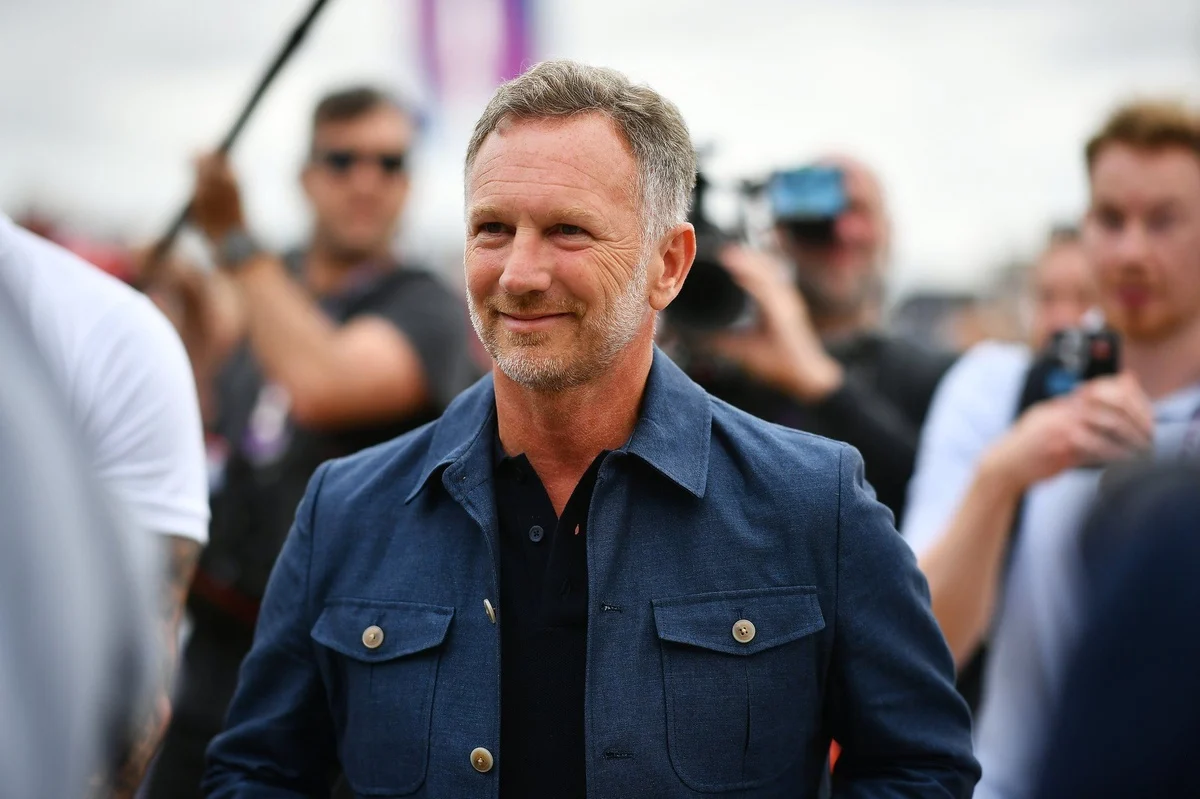
Steiner Debunks Ferrari "Dream Team" Speculation: Why Horner and Vasseur Coexisting in Maranello is a Formula 1 Impossibility
LONDON — Formula 1’s rumor mill has once again gone into overdrive following explosive comments from former Red Bull Racing team principal Christian Horner regarding his potential future in the…
Breakthrough in Baku: Cadillac F1 Cures Major Cooling Achilles’ Heel as High-Profile Engineering Signings Bolster Long-Term Ambitions
By Motorsport Reporting Desk In the fast-paced, relentlessly demanding world of Formula 1, finding a competitive edge often starts with simply keeping your car alive. For the nascent Cadillac F1…

 Asro


 Pevita Pearce
 Evan Lee Salim
 Iffa Jayyana
 Dwi Wanna
 Jia Lissa
 Azzam Bilal Chamdy