
 Nana Wu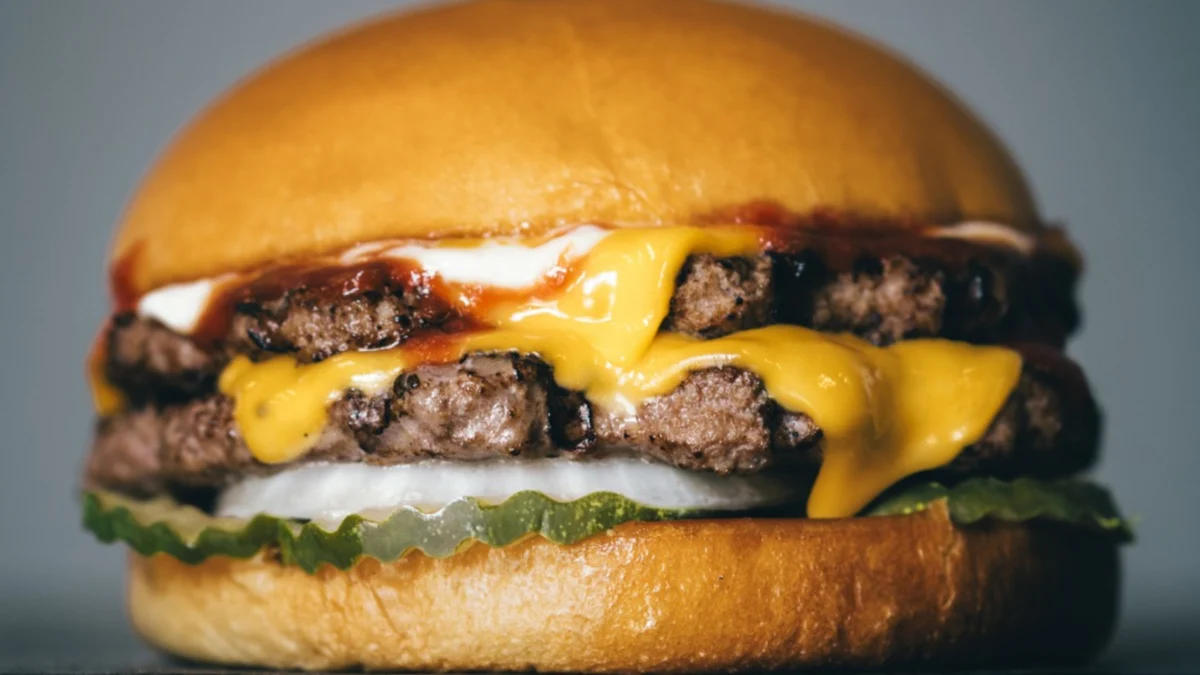
In the hyper-competitive arena of the American fast-food industry, marketing strategies have evolved from simple discounts to full-scale corporate "shade." Carl’s Jr. has taken the latest step in this escalating arms race with the launch of its "Stealing the Crown" promotion. The campaign, which explicitly targets those feeling “royally disappointed” by market rivals, invites diners to trade in symbols of their dissatisfaction for a premium upgrade: the Angus Maximus burger.
While Carl’s Jr. remains diplomatically silent on naming its rival directly, the linguistic parallels—frequent references to “crowns,” “the King,” and “royalty”—leave little room for ambiguity. This calculated marketing maneuver is not merely a coupon giveaway; it is a direct challenge to the market share and brand reputation of Burger King, framed within a narrative of culinary excellence versus mass-produced mediocrity.
The Mechanics of the Giveaway: How to Participate
The "Stealing the Crown" initiative is a high-engagement digital campaign that requires active participation from the consumer. To qualify for a complimentary Angus Maximus burger, participants must navigate a specific set of requirements designed to maximize social media visibility and app acquisition.
Eligibility and Requirements
The promotion is open exclusively to legal residents of the 50 United States and the District of Columbia who are at least 18 years of age. Crucially, participants must have an active "My Rewards" account with Carl’s Jr. This is a strategic move by the brand to drive long-term engagement; by requiring app registration, Carl’s Jr. ensures that even those who come for a free burger remain within their digital ecosystem for future marketing touchpoints.
The Submission Process
The process of "trading in" the competition is intentionally performative. Customers are instructed to send a direct message via Instagram to the official Carl’s Jr. account. The message must contain one of two things:
- Proof of Purchase: A receipt from a competing fast-food chain dated between January 1, 2026, and September 7, 2026.
- Visual Evidence: A photograph of a discarded, competitor-branded paper crown.
This second requirement is a masterstroke of brand warfare, encouraging consumers to publicly reject the iconography of the rival brand, effectively turning customers into brand ambassadors for the "revolution."
The "Catch" and Scarcity
Despite the excitement, the campaign is strictly limited. Only the first 100 eligible entries will receive the digital offer. Once verified, the reward is loaded into the user’s My Rewards account. The offer is valid at participating locations through October 27, 2026. The fine print is rigorous: the voucher cannot be applied to combo meals, cannot be stacked with other promotions, and is ineligible for use via third-party delivery services like UberEats or DoorDash. This forces the customer to visit the restaurant directly, increasing foot traffic—a metric highly valued in the post-pandemic retail landscape.

Chronology of the Burger Revolution
The "Stealing the Crown" campaign did not emerge in a vacuum. It represents the culmination of a broader shift in how Carl’s Jr. is positioning its brand identity.
- Early 2026: Carl’s Jr. begins internal shifts toward emphasizing "fresh-off-the-grill" quality over convenience-focused assembly lines.
- August 2026: Market trends show a fatigue toward traditional fast-food offerings, with competitors like Domino’s making headlines by giving away pizzas to those who purchased burgers from major chains like McDonald’s and Burger King. This created a template for "cross-brand" marketing.
- September 18, 2026: The official launch of "Stealing the Crown." The campaign begins accepting submissions via Instagram, signaling the start of the week-long blitz.
- September 25, 2026: The cutoff date for new submissions.
- October 27, 2026: The final day for customers to redeem their earned Angus Maximus burgers.
Supporting Data: The Anatomy of the Angus Maximus
At the center of this campaign is the product itself: the Angus Maximus. In an industry where "value menus" often equate to smaller portions, Carl’s Jr. is leaning into the "premium fast food" category.
The burger features a dual-patty configuration of charbroiled Angus beef, totaling 5.7 ounces. The assembly is designed to emphasize texture and flavor contrast:
- The Protein: Two thick, charbroiled Angus beef patties.
- The Toppings: American cheese, crisp sliced onions, and tangy dill pickles.
- The Foundation: A toasted brioche bun, which has become the industry standard for "premium" positioning.
- The Differentiator: A specialized house sauce designed to cut through the richness of the beef.
Priced at $5.99, the burger sits at a higher price point than standard entry-level items, reinforcing the narrative that customers are receiving a significantly higher-value product by "defecting" from the competition.
Official Perspectives: The "Grill-to-Order" Philosophy
The rhetoric from Carl’s Jr. leadership suggests that the "Stealing the Crown" campaign is about more than just free food—it is a critique of the industry’s reliance on "holding cabinets."
"A burger worth fighting for shouldn’t be waiting for you in a holding cabinet—it should hit the grill when you order it," stated Burge Diemer, Chief Marketing Officer at Carl’s Jr. This statement highlights a fundamental rift in fast-food operations: the speed-obsessed model of pre-cooked, heated-lamp storage versus the "made-to-order" approach. By framing their competition as "waiting in a cabinet," Diemer is attempting to reposition Carl’s Jr. as the superior choice for the quality-conscious consumer who is tired of the staleness associated with mass-market production.
Implications for the Fast Food Landscape
The "Stealing the Crown" campaign is symptomatic of a larger trend in corporate marketing: the weaponization of consumer loyalty.

The Rise of Competitive Defection
Historically, brands avoided mentioning competitors by name to avoid giving them free advertising. Today, the strategy has flipped. By inviting customers to "trash" the competition, brands create a "us vs. them" narrative that fosters intense brand tribalism. When a customer snaps a photo of a discarded crown, they are signaling a change in their own lifestyle choices—a powerful psychological reinforcement.
The Role of Social Media in Guerilla Marketing
By utilizing Instagram DMs as the primary portal for the giveaway, Carl’s Jr. is essentially crowd-sourcing its marketing content. The company is not just giving away burgers; it is building a database of consumers who have actively expressed a desire to switch brands. The data harvested during this week-long event will be invaluable for future retargeting campaigns.
The "Domino Effect" of Giveaways
The success of this campaign will likely be measured by how many new users register for the My Rewards app. Following the precedent set by Domino’s earlier this year, it is clear that major chains have realized that the cost of a free burger or pizza is significantly lower than the cost of acquiring a new, active app user through traditional advertising.
Potential Backlash and Future Outlook
While the campaign is clever, it carries risks. Alienating the customer base of a competitor can sometimes lead to a "tit-for-tat" response. If the brand being targeted (Burger King) chooses to respond with a counter-promotion, it could trigger a "burger war" that benefits the consumer through more free food, but it also risks diluting the premium positioning of the Angus Maximus.
Furthermore, as consumers become increasingly savvy about marketing tactics, the "gimmick" factor could wear thin. If the logistics of the giveaway—such as the limited 100-person cap—lead to widespread customer frustration or failed app logins, the brand may face a "royally disappointing" backlash of its own.
Conclusion
The "Stealing the Crown" campaign is a masterclass in modern, aggressive marketing. By leveraging the physical symbols of its competitor, forcing digital engagement through its app, and positioning its product as a "premium" alternative to "stale" competitors, Carl’s Jr. is attempting to reclaim the narrative of what a fast-food burger should be.
Whether this effort leads to a long-term shift in market share remains to be seen. However, one thing is certain: the fast-food industry is no longer just selling food. It is selling the experience of choosing the "winner" in a battle for the crown. As the deadline for the promotion approaches, all eyes will be on the participation numbers—and whether the consumers who "stole the crown" will stay for the next course.


 Neng Nana
 Evan Lee Salim
 Iffa Jayyana
 Ali Ikhwan
 Jia Lissa
 Dwi Wanna