
 Nana Muazin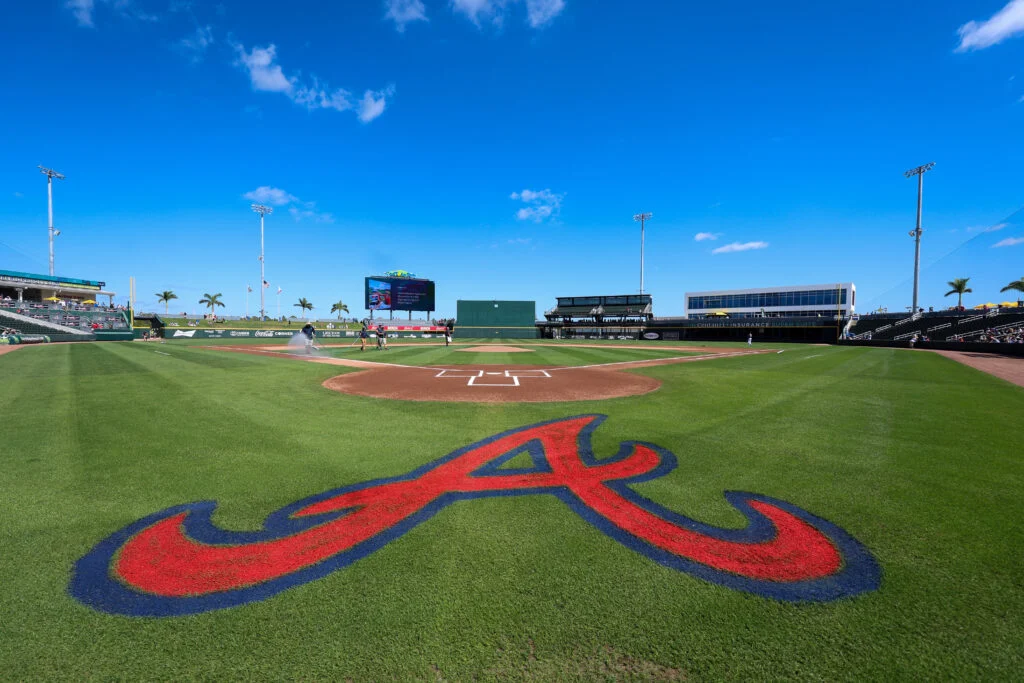
The Atlanta Braves signaled a loud, emphatic return to form as the Major League Baseball season transitioned into its second half. With a staggering 15-1 demolition of the Texas Rangers, the Braves not only secured one of their most dominant victories of the 2026 campaign but also reaffirmed their position atop the National League East. The victory pushed their division lead over the Philadelphia Phillies to three games, a vital cushion as the club navigates a summer defined by both injury hurdles and a critical need for offensive consistency.
A Tale of Two Months: From June Slump to July Surge
The narrative surrounding the Braves this summer has been one of extreme volatility. To understand the significance of their current surge, one must look back at a disastrous June. During that month, the Atlanta offense—a unit that had been arguably the most feared in the league through May—collapsed entirely. By the time the calendar turned to July, the Braves were dead last in the league in runs scored, home runs, and all three primary slash categories (batting average, on-base percentage, and slugging percentage).
For a team that had trailed only the Washington Nationals in scoring through the first two months, the June offensive drought was nothing short of baffling. However, the recent outburst against the Rangers suggests the team has effectively recalibrated. The lineup is beginning to show the discipline and power-hitting prowess that defined their early-season success, providing a much-needed morale boost as the trade deadline approaches.
The Deadline Strategy: Prioritizing the Bat Over the Arm
Despite the recent offensive explosion, the front office is not resting on its laurels. According to Ken Rosenthal of The Athletic, the Braves’ primary focus leading up to the July 30 trade deadline is directed squarely at the lineup rather than the starting rotation.
While this may surprise fans worried about the depth behind ace Chris Sale, the organization’s strategy is calculated. The Braves intend to spend the next two weeks aggressively evaluating their internal options while monitoring the injury progressions of Spencer Strider and Spencer Schwellenbach. If these arms can provide a boost from within, the front office can funnel its remaining capital toward addressing the gaps in the field.
Injury Updates and Internal Replenishment
The cavalry is coming, albeit in stages. The most significant development is the imminent return of Ronald Acuña Jr. After a five-week absence due to a left hamstring strain, the five-time All-Star is currently navigating a rehab assignment with Triple-A Gwinnett. Skipper Walt Weiss, speaking with Mark Bowman of MLB.com, expressed optimism that the cornerstone outfielder could be back in the everyday lineup within the next week.
While Acuña has not performed at his typical MVP-caliber level this season, his return to right field is a non-negotiable boost for an offense that has lacked a true spark plug.
The injury report remains crowded, however. The team is currently missing:
- Mike Yastrzemski: Battling elbow inflammation, though his return is expected to be relatively swift.
- Ha-Seong Kim: Dealing with inflammation in his surgically repaired right middle finger.
- Sean Murphy: Still sidelined since May with a broken finger.
The absence of these players has forced the Braves to rely on depth pieces like Mauricio Dubón, Jim Jarvis, and Jorge Mateo. While Dubón has performed admirably in left field, the shortstop position remains a revolving door of uncertainty.
Analyzing the Positional Gaps
The Braves’ roster is currently facing a "positional crisis" that extends beyond just the injury report.
The Shortstop and Left Field Dilemma
Ha-Seong Kim’s struggles—evidenced by a .068 batting average with zero extra-base hits in 27 games—have made the shortstop position a primary concern. Even when healthy, there is legitimate internal doubt as to whether he can provide the production required of a contender. Consequently, the Braves are actively exploring external upgrades.
In left field, Mike Yastrzemski’s season has been underwhelming, with a .230/.321/.365 slash line across 262 plate appearances. Even when healthy, Yastrzemski is viewed as a player who requires a right-handed platoon partner to be truly effective. If the Braves acquire a high-impact outfielder, Yastrzemski could shift into a utility role or provide depth at designated hitter, especially given the declining output of veteran Dominic Smith.
The Third Base Conundrum: The Austin Riley Factor
Perhaps the most concerning aspect of the Braves’ offense is the regression of third baseman Austin Riley. Signed through 2032, Riley has become the subject of intense scrutiny as he struggles to produce with a .210/.290/.339 line and a concerning 29% strikeout rate over 390 plate appearances.
While Riley still possesses elite bat speed, his plate discipline has cratered. He is chasing pitches outside the zone at an unsustainable rate and failing to barrel the ball with his trademark frequency. Given that he struggled with a core injury late last season, there is lingering concern about his long-term health and current mechanical adjustments.
Because of the "underwater" nature of his current contract, trading for a high-salary replacement like Matt Chapman or Bo Bichette is fiscally and strategically unlikely. Instead, the front office is reportedly looking for more flexible, multi-positional assets—players who could play third base while maintaining the ability to slide into other roles if Riley’s form stabilizes or if further injuries occur.
Potential Trade Targets and Market Dynamics
With the trade deadline looming, the Braves are casting a wide net. Names being circulated as potential targets include:
- Isaac Paredes (Houston): A versatile infielder who can handle third base and provide a steady, contact-oriented bat.
- Casey Schmitt (San Francisco): Another multi-positional player who fits the Braves’ desire for roster flexibility.
- Anthony Volpe (New York Yankees): An ambitious target that would require significant capital but would provide a long-term solution at shortstop.
- Brooks Lee (Minnesota) and Ezequiel Duran (Texas): Both players represent the type of "utility-plus" talent the Braves covet.
The primary hurdle in these negotiations is the current state of the AL playoff picture. Most of these teams are currently in the hunt for postseason berths themselves. To pry talent away from these organizations, the Braves will likely need to offer high-quality bullpen depth—a commodity the Braves currently possess but may be hesitant to trade given their own pitching fragility.
Implications: A High-Stakes Second Half
The upcoming weeks will define the Braves’ season. The front office is walking a tightrope: balancing the immediate need for offensive output with the long-term reality of their payroll and prospect capital.
If the internal options—specifically the return of Acuña and the potential for a rebound from a healthy Riley—fail to materialize, the Braves will be forced to be more aggressive on the trade market than they might prefer. Conversely, if the offense continues to produce as it did against the Rangers, they may be able to be more surgical in their acquisitions, focusing on incremental upgrades that bolster the bench rather than overhauling the core.
Ultimately, the goal remains the same: a deep postseason run. With a three-game lead in the NL East, Atlanta remains in the driver’s seat. However, in a division as competitive as the East, complacency is the enemy. The next 14 days of evaluation will dictate whether the 2026 Braves are a team built for a deep October run or one that will be remembered for its missed opportunities and a frustrating summer of "what-ifs."
As the front office continues to monitor the injury reports of their star pitchers and the progress of their rehab-bound hitters, the pressure will only mount. The Braves have the pedigree to turn this around, but the clock is ticking. The 15-1 victory over Texas was a message; now, the organization must ensure that message is backed by the personnel necessary to sustain it through the heat of August and into the intensity of the playoffs.

 Nana Wu
 Siti Muinah
 Neng Nana

 Lina Hope
 Sagoh
Sagoh
 Iffa Jayyana