Trending News:Steiner Dismisses "Dream" Pairing: Why Christian Horner and Fred Vasseur Will Never Coexist at FerrariThe United Rugby Championship 2026/27: A Comprehensive Guide to the Global Rugby ShowcaseThe Psychedelic Fairway: Inside the High-Stakes World of Ayahuasca-Infused Golf RetreatsRock, Paper, Scissors Settles Elite Race Order for Historic Two-Day TCS London MarathonBeyond the Goggles: Redefining Aquatic Ear Health for the Year-Round AthleteChasing the Deep: The Definitive Guide to the Best Powder Skis of 2027Steiner Debunks Ferrari "Dream Team" Speculation: Why Horner and Vasseur Coexisting in Maranello is a Formula 1 ImpossibilityThe Global Stage: Your Comprehensive Guide to the 2026-27 United Rugby ChampionshipBreakthrough in Baku: Cadillac F1 Cures Major Cooling Achilles’ Heel as High-Profile Engineering Signings Bolster Long-Term AmbitionsThe End of a Breakfast Cocktail: Mars Terminates BuzzBallz Partnership Amid Public Health BacklashThe Endless Odyssey: Viktor Hovland’s Struggle to Reclaim His Golfing IdentityClash of Styles: How Jim Hiller’s Analytical Approach and Defensive Pedigree Will Shape the Toronto Maple Leafs’ Star-Studded OffenseA Championship to Forget: Visa Hurdles, Roster Depletion, and UCI Penalties Plague Eritrea at the Road World ChampionshipsCal Swimming Scores Massive Recruiting Coup: Top-Ranked Class of 2028 Prospect Kai Joyner Commits to BerkeleyWeather Woes and Balance Sheets: Vail Resorts Navigates a Historic Low-Snow Season and Prepares for What’s NextThe Perth Crucible: Les Kiss and the Wallabies Face Their Ultimate 2026 Reckoning Against the SpringboksResilience and Tactics: How Mads Pedersen Fought Through Adversity to Secure Sixth at the World ChampionshipsThe Nordica Santa Ana 102: Why Last Season’s Discounted All-Mountain Charger is the Smartest Buy in SkiingA Mixed Bag in Baku: How Williams’ Long-Awaited B-Spec Upgrade Sparked Hope Amid Familiar Growing PainsMcLaren Racing on Track to Shatter F1 Financial Records with Projected $1 Billion Revenue MilestoneThe Dragon’s Call: LEGO Finally Unveils First-Ever Dragon Ball Set in Leaked RevealThe Twilight Chase: Adam Scott and the Weight of Unfinished BusinessTampa Bay Rays Outright Veteran Pitcher Jake Woodford to Triple-A DurhamA Titan of the Pool: Remembering Legendary Coach Frank Busch (1951–2026)The Smartest Move on Snow: Why the Unchanged Nordica Santa Ana 102 is the Ultimate Gear HackDenny Hamlin Demands Severe Penalties Following Ugly Post-Race Brawl at Martinsville SpeedwayWSL Weekly Roundup: Tactical Struggles, Emerging Stars, and the Shifting Power DynamicsSebastian Vettel Reflects on Post-Retirement Life, F1’s Future, and the Door to a Potential ReturnThe Weight of Gold: Tom Kim’s Relentless Week at Medinah and the High-Stakes Path to ExemptionAthletics General Manager Search: Jon Daniels Declines Candidacy as Oakland Continues High-Stakes Front Office HuntTriumphs on Welsh Soil: Courtney-Bryant and Kavanagh Claim Crowns at the SportsShoes Podium Home Nations 5kmRising Star Maggie Wanezek Extends Partnership with A3 Performance on Road to 2028 OlympicsSebastian Vettel Weighs Future F1 Role: Life After the Cockpit, Sustainability Goals, and the 2026 RegulationsRacing Bulls Rookie Arvid Lindblad Issues Public Apology to Teammate Liam Lawson After Dramatic Baku CollisionFrom Browser Staple to Steam Success: The Phenomenal Resurgence of Happy WheelsThe Crucible in Perth: Les Kiss’s Wallabies Face the Ultimate Springbok TestEnd of an Era: Dan Wilson Out as Mariners Manager Following Disappointing 2026 CampaignRising Star Jack Miceli Commits to UC Santa Barbara: A Strategic Addition for the GauchosMasterclass at Kansas: Kyle Larson Dominates with Historic Maximum-Points Performance in 2026 NASCAR Cup ThrillerAlexander Isak Returns to Liverpool Following Injury on International DutyMastering the Chaos: How Isack Hadjar’s Stunning Baku Comeback Proved His Red Bull ReadinessThe Foursomes Fiasco: Is the American Golf Machine Breaking Down?Phillies Turn to Zack Wheeler in Desperate Finale as Jesús Luzardo Returns to Bolster BullpenSt. Louis Blues Face Early Season Uncertainty as Young Defenceman Logan Mailloux Suffers Upper-Body Injury in Preseason ActionDrexel Swimming Bolsters Future: Emily Black-Wright and Maddie Inman Commit to Class of 2031Beyond the Giants: Why the Power Pass Is Quietly Rewriting the Southwest Ski SeasonMastering the Chaos: How Isack Hadjar’s Baku Masterclass Proved He is Red Bull’s FutureMaine’s Culinary Icon Evolves: W.A. Bean Replaces Red Dye 3 with Insect-Based PigmentA New Era at Welford Road: Leicester Tigers vs. Saracens Set to Define the Opening Weekend of the Gallagher PremiershipThe Final Push: Presidents Cup Sunday at Medinah Reaches a Boiling PointA Rainbow in Montreal: Demi Vollering Claims Historic Elite Women’s Road Race World Title in Thrilling FinaleRedefining Aging: A Comprehensive Review of British Masters Track Records Following a Historic Weekend in DerbyLegacy of Speed: Anders Koschmann Commits to Northwestern’s Class of 2032Red Bull’s Resurgence: Isack Hadjar’s Stunning Comeback Podium in Baku Highlights Team SynergyThe Manchester City Reckoning: A Watershed Moment for English FootballOff-Track Bonding and On-Track Upgrades: Inside Williams’ High-Stakes Azerbaijan Grand Prix WeekendThe Unsettling Mirror: Chris Hansen Breaks Silence on Robert Pattinson’s Portrayal in A24’s PrimetimeOttawa Senators Bolster Goalie Depth, Acquiring Jonas Johansson from Tampa Bay Lightning Following Waiver LossThe Battle for the Rainbow Jersey: Your Ultimate Guide to the 2026 UCI Road World Championships in MontréalVirginia Dominates Match #2 of the College Swimming League: A Masterclass in Depth and VersatilityBeyond the Giants: Why the Power Pass Is Quietly Reshaping Southwest Ski CultureA Night of Nations League Drama: Mbappé Injury Overshadows French Victory as Italy StumblesSteiner Slams Williams’ "Crocodile Tears" Over F1 Cap Ex Limits and Vowles’ Shifting TimelinesThe "Torture" of Productivity: Why Alarmy is Turning Morning Routines into Digital BootcampsZebre Parma 2026-27: A Franchise at the Crossroads of Survival and DevelopmentDéjà Vu at Medinah: International Team Stuns Americans with Historic Foursomes SweepCalgary Flames Sign Forward Alex Nylander to a One-Year, Two-Way Contract After Successful Training Camp TryoutAlejandra Neira Clinches Historic Junior Women’s Road Race Victory for Spain at the UCI Road World Championships in MontrealInside the Puma 418 Relay and the Grand Opening of the Berlin Nitro Lab: A Masterclass in Endurance, Community, and Brand InnovationThe Global Pool: A Comprehensive Guide to International Swimming’s High-Stakes October 2026Beyond the Megapass: Why the Regional Power Pass is Quietly Reshaping Ski CultureFrom Bristol Blowups to Paddock Camaraderie: Inside the Carson Hocevar and Ryan Blaney AftermathVerstappen Stuns Mercedes with Late Charge to Top Baku FP2, Setting Up Thrilling Azerbaijan GP QualifyingThe Art of the Anonymous: How Instagram’s New AI Blur Tool is Redefining Digital Privacy and DatingThe NHL’s New Fashion Police: Trevor Zegras Draws Penalty as League Revives Crackdown on Tucked JerseysLotte Kopecky Set for High-Stakes Showdown at the Montreal Elite Women’s Road RaceMelissa Courtney-Bryant Ready to Headline Women’s Field at SportsShoes Podium Home Nations 5K in CardiffA Historic Conclusion: The Final Night of the 2026 Asian Games Swimming ProgramBeyond the Giants: Why the Regional Power Pass is Reshaping Southwest Ski CultureMotoGP Unveils Its Most Ambitious Schedule Yet: 22 Rounds, New Global Hubs, and a Bold 2027 VisionA New Dawn or a Familiar Dusk? Klopp’s Chaotic Germany Debut Ends in StalemateHigh Stakes in Baku: David Coulthard Warns "Heads Will Roll" if Williams’s Major B-Spec Upgrade Fails to DeliverBeyond the Rainbow Bridge: BARK and Liquid Death Launch "The Most Forever Home" CasketU.S. Team Grinds Out Narrow Lead as Presidents Cup Opens at MedinahAstros Shuffle Roster as Playoff Push Intensifies: Daulton Varsho Lands on Injured ListFrench Alps 2030 Winter Olympics: Ice Hockey Shifts from Nice to Lyon Amid Infrastructure and Funding OverhaulBreakthrough Performance: 20-Year-Old Mara Winter Shines in U23 World Championships Road RaceThe Unorthodox Champion and the Record Chasers: A Deep Dive into the 2026 BMW Berlin MarathonKristina Paegle Returns to Indiana: A Pivotal Development Amidst Ongoing NCAA LitigationBeyond the Giants: Why the Regional Power Pass is Reshaping Southwest Ski CultureHigh Stakes on the Plains: The Complete Guide to the 2026 NASCAR Cup Series Playoff Showdown at Kansas SpeedwayA Season of Transition: Reds Designate TJ Friedl, Place Chase Burns on Injured ListA Narrow Escape: Arsenal’s Champions League Opener Masks Deeper Offensive WoesInside the Golden Prison: The Complex Web Behind Charles Leclerc’s Loyalty to FerrariDiscord’s New Era: Inside the Platform’s Automated Global Age-Verification RolloutA New Dawn in Treviso: Can Wayne Pivac Restore the Benetton Roar?The Pressure Cooker at Medinah: Five Players Carrying the Weight of the 2026 Presidents CupOakland Athletics Shake Up Roster: Kuroda-Grauer Returns as Injury Woes Mount for Muncy and GinnTriumph in Montreal: Maria Okrucińska Dominates Junior Women’s Time Trial at the 2026 UCI Road World ChampionshipsRising to New Heights: Otis Poole’s Rapid Ascent, Historic World Bronze, and the Bold Leap to Texas A&M
Trending News:Steiner Dismisses "Dream" Pairing: Why Christian Horner and Fred Vasseur Will Never Coexist at FerrariThe United Rugby Championship 2026/27: A Comprehensive Guide to the Global Rugby ShowcaseThe Psychedelic Fairway: Inside the High-Stakes World of Ayahuasca-Infused Golf RetreatsRock, Paper, Scissors Settles Elite Race Order for Historic Two-Day TCS London MarathonBeyond the Goggles: Redefining Aquatic Ear Health for the Year-Round AthleteChasing the Deep: The Definitive Guide to the Best Powder Skis of 2027Steiner Debunks Ferrari "Dream Team" Speculation: Why Horner and Vasseur Coexisting in Maranello is a Formula 1 ImpossibilityThe Global Stage: Your Comprehensive Guide to the 2026-27 United Rugby ChampionshipBreakthrough in Baku: Cadillac F1 Cures Major Cooling Achilles’ Heel as High-Profile Engineering Signings Bolster Long-Term AmbitionsThe End of a Breakfast Cocktail: Mars Terminates BuzzBallz Partnership Amid Public Health BacklashThe Endless Odyssey: Viktor Hovland’s Struggle to Reclaim His Golfing IdentityClash of Styles: How Jim Hiller’s Analytical Approach and Defensive Pedigree Will Shape the Toronto Maple Leafs’ Star-Studded OffenseA Championship to Forget: Visa Hurdles, Roster Depletion, and UCI Penalties Plague Eritrea at the Road World ChampionshipsCal Swimming Scores Massive Recruiting Coup: Top-Ranked Class of 2028 Prospect Kai Joyner Commits to BerkeleyWeather Woes and Balance Sheets: Vail Resorts Navigates a Historic Low-Snow Season and Prepares for What’s NextThe Perth Crucible: Les Kiss and the Wallabies Face Their Ultimate 2026 Reckoning Against the SpringboksResilience and Tactics: How Mads Pedersen Fought Through Adversity to Secure Sixth at the World ChampionshipsThe Nordica Santa Ana 102: Why Last Season’s Discounted All-Mountain Charger is the Smartest Buy in SkiingA Mixed Bag in Baku: How Williams’ Long-Awaited B-Spec Upgrade Sparked Hope Amid Familiar Growing PainsMcLaren Racing on Track to Shatter F1 Financial Records with Projected $1 Billion Revenue MilestoneThe Dragon’s Call: LEGO Finally Unveils First-Ever Dragon Ball Set in Leaked RevealThe Twilight Chase: Adam Scott and the Weight of Unfinished BusinessTampa Bay Rays Outright Veteran Pitcher Jake Woodford to Triple-A DurhamA Titan of the Pool: Remembering Legendary Coach Frank Busch (1951–2026)The Smartest Move on Snow: Why the Unchanged Nordica Santa Ana 102 is the Ultimate Gear HackDenny Hamlin Demands Severe Penalties Following Ugly Post-Race Brawl at Martinsville SpeedwayWSL Weekly Roundup: Tactical Struggles, Emerging Stars, and the Shifting Power DynamicsSebastian Vettel Reflects on Post-Retirement Life, F1’s Future, and the Door to a Potential ReturnThe Weight of Gold: Tom Kim’s Relentless Week at Medinah and the High-Stakes Path to ExemptionAthletics General Manager Search: Jon Daniels Declines Candidacy as Oakland Continues High-Stakes Front Office HuntTriumphs on Welsh Soil: Courtney-Bryant and Kavanagh Claim Crowns at the SportsShoes Podium Home Nations 5kmRising Star Maggie Wanezek Extends Partnership with A3 Performance on Road to 2028 OlympicsSebastian Vettel Weighs Future F1 Role: Life After the Cockpit, Sustainability Goals, and the 2026 RegulationsRacing Bulls Rookie Arvid Lindblad Issues Public Apology to Teammate Liam Lawson After Dramatic Baku CollisionFrom Browser Staple to Steam Success: The Phenomenal Resurgence of Happy WheelsThe Crucible in Perth: Les Kiss’s Wallabies Face the Ultimate Springbok TestEnd of an Era: Dan Wilson Out as Mariners Manager Following Disappointing 2026 CampaignRising Star Jack Miceli Commits to UC Santa Barbara: A Strategic Addition for the GauchosMasterclass at Kansas: Kyle Larson Dominates with Historic Maximum-Points Performance in 2026 NASCAR Cup ThrillerAlexander Isak Returns to Liverpool Following Injury on International DutyMastering the Chaos: How Isack Hadjar’s Stunning Baku Comeback Proved His Red Bull ReadinessThe Foursomes Fiasco: Is the American Golf Machine Breaking Down?Phillies Turn to Zack Wheeler in Desperate Finale as Jesús Luzardo Returns to Bolster BullpenSt. Louis Blues Face Early Season Uncertainty as Young Defenceman Logan Mailloux Suffers Upper-Body Injury in Preseason ActionDrexel Swimming Bolsters Future: Emily Black-Wright and Maddie Inman Commit to Class of 2031Beyond the Giants: Why the Power Pass Is Quietly Rewriting the Southwest Ski SeasonMastering the Chaos: How Isack Hadjar’s Baku Masterclass Proved He is Red Bull’s FutureMaine’s Culinary Icon Evolves: W.A. Bean Replaces Red Dye 3 with Insect-Based PigmentA New Era at Welford Road: Leicester Tigers vs. Saracens Set to Define the Opening Weekend of the Gallagher PremiershipThe Final Push: Presidents Cup Sunday at Medinah Reaches a Boiling PointA Rainbow in Montreal: Demi Vollering Claims Historic Elite Women’s Road Race World Title in Thrilling FinaleRedefining Aging: A Comprehensive Review of British Masters Track Records Following a Historic Weekend in DerbyLegacy of Speed: Anders Koschmann Commits to Northwestern’s Class of 2032Red Bull’s Resurgence: Isack Hadjar’s Stunning Comeback Podium in Baku Highlights Team SynergyThe Manchester City Reckoning: A Watershed Moment for English FootballOff-Track Bonding and On-Track Upgrades: Inside Williams’ High-Stakes Azerbaijan Grand Prix WeekendThe Unsettling Mirror: Chris Hansen Breaks Silence on Robert Pattinson’s Portrayal in A24’s PrimetimeOttawa Senators Bolster Goalie Depth, Acquiring Jonas Johansson from Tampa Bay Lightning Following Waiver LossThe Battle for the Rainbow Jersey: Your Ultimate Guide to the 2026 UCI Road World Championships in MontréalVirginia Dominates Match #2 of the College Swimming League: A Masterclass in Depth and VersatilityBeyond the Giants: Why the Power Pass Is Quietly Reshaping Southwest Ski CultureA Night of Nations League Drama: Mbappé Injury Overshadows French Victory as Italy StumblesSteiner Slams Williams’ "Crocodile Tears" Over F1 Cap Ex Limits and Vowles’ Shifting TimelinesThe "Torture" of Productivity: Why Alarmy is Turning Morning Routines into Digital BootcampsZebre Parma 2026-27: A Franchise at the Crossroads of Survival and DevelopmentDéjà Vu at Medinah: International Team Stuns Americans with Historic Foursomes SweepCalgary Flames Sign Forward Alex Nylander to a One-Year, Two-Way Contract After Successful Training Camp TryoutAlejandra Neira Clinches Historic Junior Women’s Road Race Victory for Spain at the UCI Road World Championships in MontrealInside the Puma 418 Relay and the Grand Opening of the Berlin Nitro Lab: A Masterclass in Endurance, Community, and Brand InnovationThe Global Pool: A Comprehensive Guide to International Swimming’s High-Stakes October 2026Beyond the Megapass: Why the Regional Power Pass is Quietly Reshaping Ski CultureFrom Bristol Blowups to Paddock Camaraderie: Inside the Carson Hocevar and Ryan Blaney AftermathVerstappen Stuns Mercedes with Late Charge to Top Baku FP2, Setting Up Thrilling Azerbaijan GP QualifyingThe Art of the Anonymous: How Instagram’s New AI Blur Tool is Redefining Digital Privacy and DatingThe NHL’s New Fashion Police: Trevor Zegras Draws Penalty as League Revives Crackdown on Tucked JerseysLotte Kopecky Set for High-Stakes Showdown at the Montreal Elite Women’s Road RaceMelissa Courtney-Bryant Ready to Headline Women’s Field at SportsShoes Podium Home Nations 5K in CardiffA Historic Conclusion: The Final Night of the 2026 Asian Games Swimming ProgramBeyond the Giants: Why the Regional Power Pass is Reshaping Southwest Ski CultureMotoGP Unveils Its Most Ambitious Schedule Yet: 22 Rounds, New Global Hubs, and a Bold 2027 VisionA New Dawn or a Familiar Dusk? Klopp’s Chaotic Germany Debut Ends in StalemateHigh Stakes in Baku: David Coulthard Warns "Heads Will Roll" if Williams’s Major B-Spec Upgrade Fails to DeliverBeyond the Rainbow Bridge: BARK and Liquid Death Launch "The Most Forever Home" CasketU.S. Team Grinds Out Narrow Lead as Presidents Cup Opens at MedinahAstros Shuffle Roster as Playoff Push Intensifies: Daulton Varsho Lands on Injured ListFrench Alps 2030 Winter Olympics: Ice Hockey Shifts from Nice to Lyon Amid Infrastructure and Funding OverhaulBreakthrough Performance: 20-Year-Old Mara Winter Shines in U23 World Championships Road RaceThe Unorthodox Champion and the Record Chasers: A Deep Dive into the 2026 BMW Berlin MarathonKristina Paegle Returns to Indiana: A Pivotal Development Amidst Ongoing NCAA LitigationBeyond the Giants: Why the Regional Power Pass is Reshaping Southwest Ski CultureHigh Stakes on the Plains: The Complete Guide to the 2026 NASCAR Cup Series Playoff Showdown at Kansas SpeedwayA Season of Transition: Reds Designate TJ Friedl, Place Chase Burns on Injured ListA Narrow Escape: Arsenal’s Champions League Opener Masks Deeper Offensive WoesInside the Golden Prison: The Complex Web Behind Charles Leclerc’s Loyalty to FerrariDiscord’s New Era: Inside the Platform’s Automated Global Age-Verification RolloutA New Dawn in Treviso: Can Wayne Pivac Restore the Benetton Roar?The Pressure Cooker at Medinah: Five Players Carrying the Weight of the 2026 Presidents CupOakland Athletics Shake Up Roster: Kuroda-Grauer Returns as Injury Woes Mount for Muncy and GinnTriumph in Montreal: Maria Okrucińska Dominates Junior Women’s Time Trial at the 2026 UCI Road World ChampionshipsRising to New Heights: Otis Poole’s Rapid Ascent, Historic World Bronze, and the Bold Leap to Texas A&M
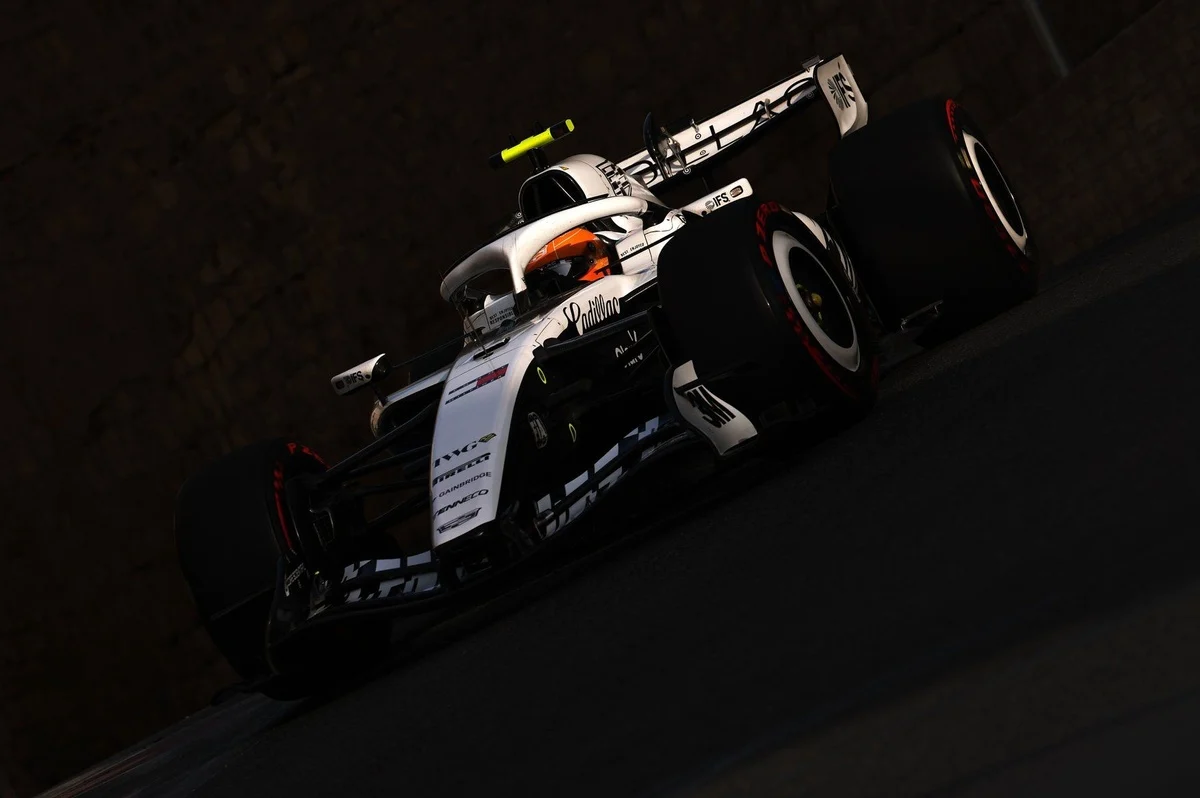
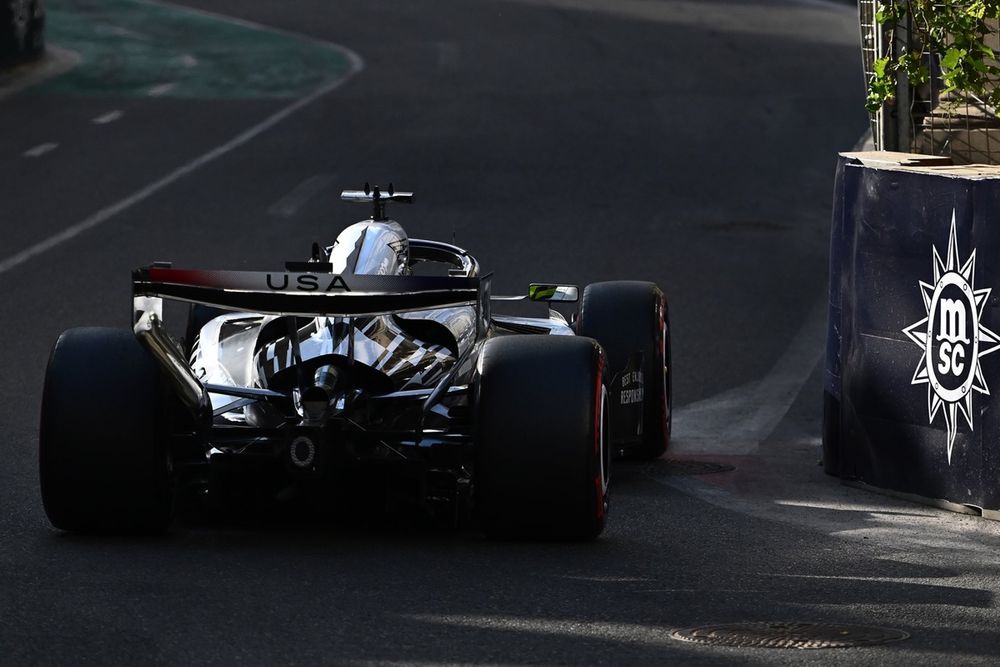
In the fast-paced, relentlessly demanding world of Formula 1, finding a competitive edge often starts with simply keeping your car alive. For the nascent Cadillac F1 team, their inaugural campaign has been a masterclass in baptism by fire—highlighted by blistering pace spikes undercut by crippling reliability hurdles. Chief among these was a severe brake overheating issue that threatened to derail their debut season.
However, a sweeping aerodynamic overhaul introduced at the Azerbaijan Grand Prix has finally broken the curse. According to veteran driver Valtteri Bottas, Cadillac has successfully slashed its front brake temperatures by a remarkable 100°C. This critical technical breakthrough eliminates one of the MAC-26’s most glaring weaknesses, offering the team much-needed breathing room as they navigate the grueling back half of the championship.
While the cooling fix represents a massive short-term win, Cadillac is simultaneously laying the groundwork for a much more competitive future. Bolstered by a trio of heavyweight engineering acquisitions from rival championship-winning outfits, the American-backed constructor is signaling its long-term commitment to becoming a front-running force on the grid.
Main Facts: Conquering the MAC-26’s Thermal Crisis
The core narrative of Cadillac’s maiden Formula 1 season has been defined by extreme thermal management struggles. The MAC-26 chassis has wrestled with chronic front-brake overheating, a flaw that transformed routine race weekends into high-stakes preservation exercises.
The Problem: Excessive front brake temperatures plagued the car, leading to high-profile race retirements for Valtteri Bottas in Hungary, Monaco, and Austria. The issue also knocked Sergio Perez out of contention during the Red Bull Ring weekend, while forcing both drivers to constantly nurse their machinery at the Spanish Grand Prix.
The Solution: Following a failed attempt to mitigate the problem with minor inlet scoop and aperture updates at the Hungaroring, Cadillac introduced thoroughly redesigned cooling inlet and exit duct profiles in Baku.
The Impact: The Azerbaijani upgrade package yielded an immediate, quantifiable dividend. Bottas confirmed that telemetry shows a 100°C reduction in front-brake operating temperatures compared to previous specifications, vastly expanding the team’s operational margin.
Chronology of a Cure: From Early-Season Disasters to Baku Breakthrough
Cadillac’s battle against thermal degradation has been a season-long ordeal, demanding intensive R&D and rapid-response engineering from a team still finding its footing in the F1 paddock.
The Spring Struggles: Monaco, Austria, and Spain
From the opening rounds of the European leg, it was clear that the MAC-26 had a design bottleneck regarding thermal dissipation. Tight, twisty circuits like Monaco and high-energy tracks like the Red Bull Ring exposed the car’s inability to bleed heat effectively from the front axle. Bottas suffered consecutive DNFs (Did Not Finish) due to brake failure or enforced precautionary retirements, while Perez was similarly sidelined in Austria. Even when the cars managed to see the checkered flag—such as in Spain—the drivers were forced into heavy "lift-and-coast" and brake-saving protocols, completely compromising their race pace.
The Hungaroring Half-Measure
Desperate for a fix ahead of the Hungarian Grand Prix, Cadillac rushed a localized update package to the track, modifying the inlet scoops and aperture surfaces. However, CFD and wind tunnel expectations failed to translate to the track; the changes offered negligible relief, leaving the team vulnerable through the scorching summer months.
The Baku Turning Point
Recognizing that superficial tweaks were insufficient, Cadillac’s aerodynamic and mechanical departments went back to the drawing board. They engineered a comprehensive revision to the cooling inlet and exit duct profiles, deployed at the Baku City Circuit. The results exceeded expectations, effectively neutralizing the thermal gremlins that had plagued the car for months.
Supporting Data & Technical Analysis
To understand the magnitude of Cadillac’s Baku upgrade, one must look at the physics of modern Formula 1 braking systems. Carbon-carbon brake discs operate at optimal windows typically between 400°C and 1,000°C. When temperatures exceed these parameters, pad glazing, dramatic friction coefficient loss, and catastrophic structural failure of the caliper seals can occur.
[Previous Spec Peak Temperatures] ---> High Risk of Glazing & Failures (DNFs in Monaco, Austria, Hungary)
                  │
                  ▼ (Baku Aerodynamic Redesign: New Inlet/Exit Ducts)
[Current Operating Window]       ---> 100°C Cooler (Stable Margins & Reliable Race Distance)
By dropping front-brake temperatures by 100°C, Cadillac has not only removed the specter of sudden mechanical retirement but has also unlocked a more aggressive driving style for Bottas and Perez. Drivers can now attack heavy braking zones—such as Baku’s notorious Turn 1 or Montreal’s hairpin—without fear of cooking their systems.
However, the engineering department’s work does not stop in Europe. This weekend’s race at the high-ambient-temperature Sepang circuit in Malaysia will serve as the ultimate litmus test for the new cooling package. The humid, tropical climate and abrasive asphalt will stress-test the MAC-26’s thermal limits under the most punishing conditions imaginable.
Official Responses and Driver Insights
Following the qualifying sessions in Baku, Motorsport.com caught up with Valtteri Bottas to gauge the effectiveness of the cooling modifications.
"Good, we’ve reduced about 100 degrees of brake temperature, based on numbers from the previous spec, so that gives us more margin, for sure,"Bottas stated.
While Bottas was relieved by the chassis durability, teammate Sergio Perez was busy evaluating the power unit side of the equation. Perez offered a pragmatic assessment of Ferrari’s latest ADUO 2 power unit upgrade, which was recently integrated into the Cadillac package.
"It’s just a tenth and a half. Not quite the step we needed, but everything counts,"Perez remarked, underscoring the relentless developmental arms race in the midfield.
Looking Past Sepang: A Realistic Outlook
Despite the positive momentum generated by the Baku brake fix, Perez remains grounded regarding Cadillac’s immediate prospects at the upcoming Malaysian Grand Prix. Given the sweeping, high-speed, high-energy corners of Sepang, the Mexican veteran expects a sobering weekend.
"I’m not looking forward to Malaysia," Perez admitted candidly. "I think we will be back to our reality."
Implications: Heavyweight Signings and Future Ambitions
While the 2026 season represents a foundational learning year for Cadillac, the team’s leadership is aggressively building for the future. Last week, the outfit announced three blockbuster engineering acquisitions that sent ripples through the paddock:
Craig Skinner (Former Red Bull Chief Development Engineer) joins as Cadillac’s Chief Development Engineer.
Eric Blandin (Former Aston Martin Deputy Technical Chief) assumes the role of Head of Aerodynamics.
Tim Lean (Veteran Aerodynamicist with stints at McLaren, Red Bull, and Ferrari) steps in as Chief Engineer for Aerodynamics Modelling and Simulation.
Perez Backs Skinner’s Impact
Perez, who has worked closely with Skinner during his time at Red Bull, believes these hires are undeniable proof of Cadillac’s serious, long-term intent in Formula 1. Furthermore, Perez highlighted a specific historical example of Skinner’s brilliance that gives him immense confidence for next year’s car.
"The team is showing how serious they are and how committed they are into Formula 1,"Perez said. "They are great hires, they are people that are really going to push our team forward. Don’t forget that it’s just our first season, so this car is very basic, so I have a big hope on next year that we will definitely be moving forward."
Recalling Skinner’s problem-solving acumen, Perez shared an anecdote from their time together at Milton Keynes:
"With Craig I’ve worked and he was really good in the Red Bull organisation, he was very important there. Actually, he made a very big difference with my floor; I remember coming into Baku when we were struggling with the entry stability, he figured out a packer into the floor, and it transformed my balance and my car. Unfortunately, the floor was destroyed after the race with the crash of Carlos [Sainz], and I never got to race it again, but it was a really good step, so he’s someone that is really good and understands what are my needs."
Conclusion
Cadillac’s debut Formula 1 campaign has undoubtedly been a trial by fire. Yet, the resolution of their thermal crisis in Baku proves that the team possesses the engineering agility to diagnose and solve complex aerodynamic and mechanical puzzles. Combined with an influx of elite technical talent from top-tier teams, Cadillac is quietly constructing the infrastructure required to evolve from a midfield survivalist into a competitive force when the regulation landscapes shift in the seasons to come.
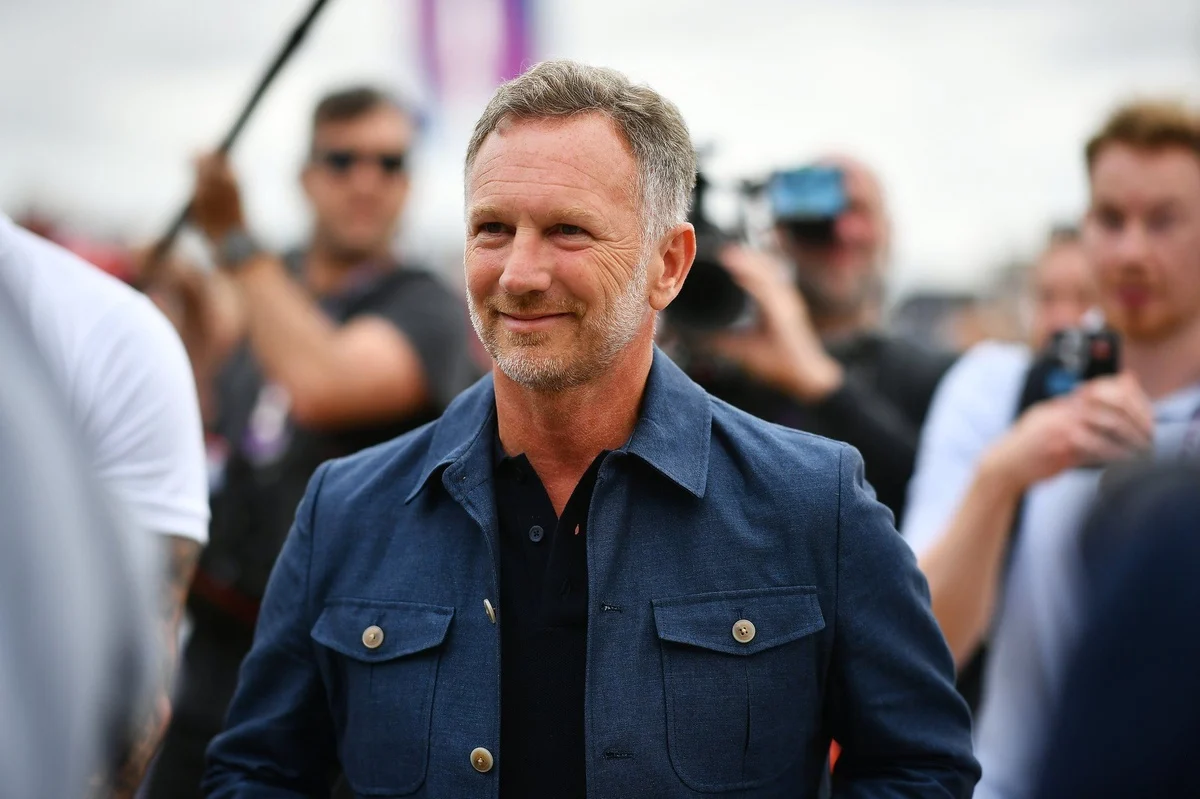
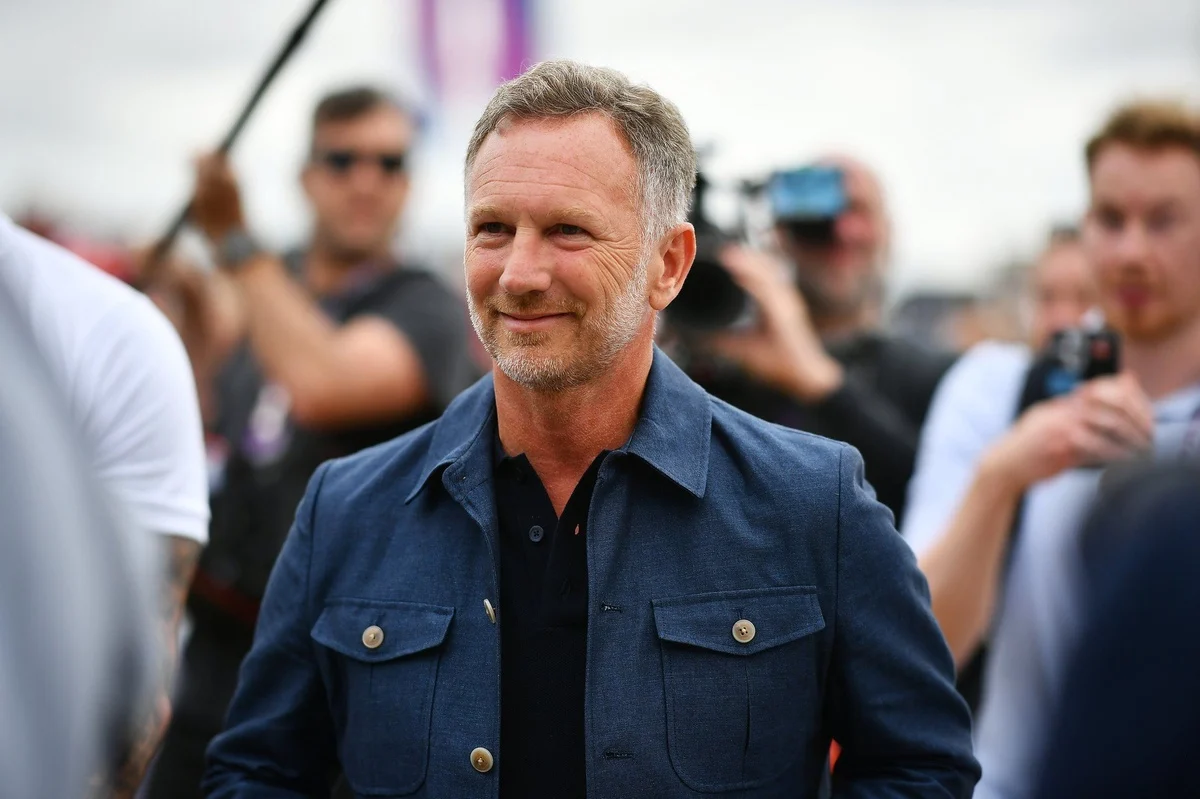
Steiner Debunks Ferrari "Dream Team" Speculation: Why Horner and Vasseur Coexisting in Maranello is a Formula 1 Impossibility
LONDON — Formula 1’s rumor mill has once again gone into overdrive following explosive comments from former Red Bull Racing team principal Christian Horner regarding his potential future in the…
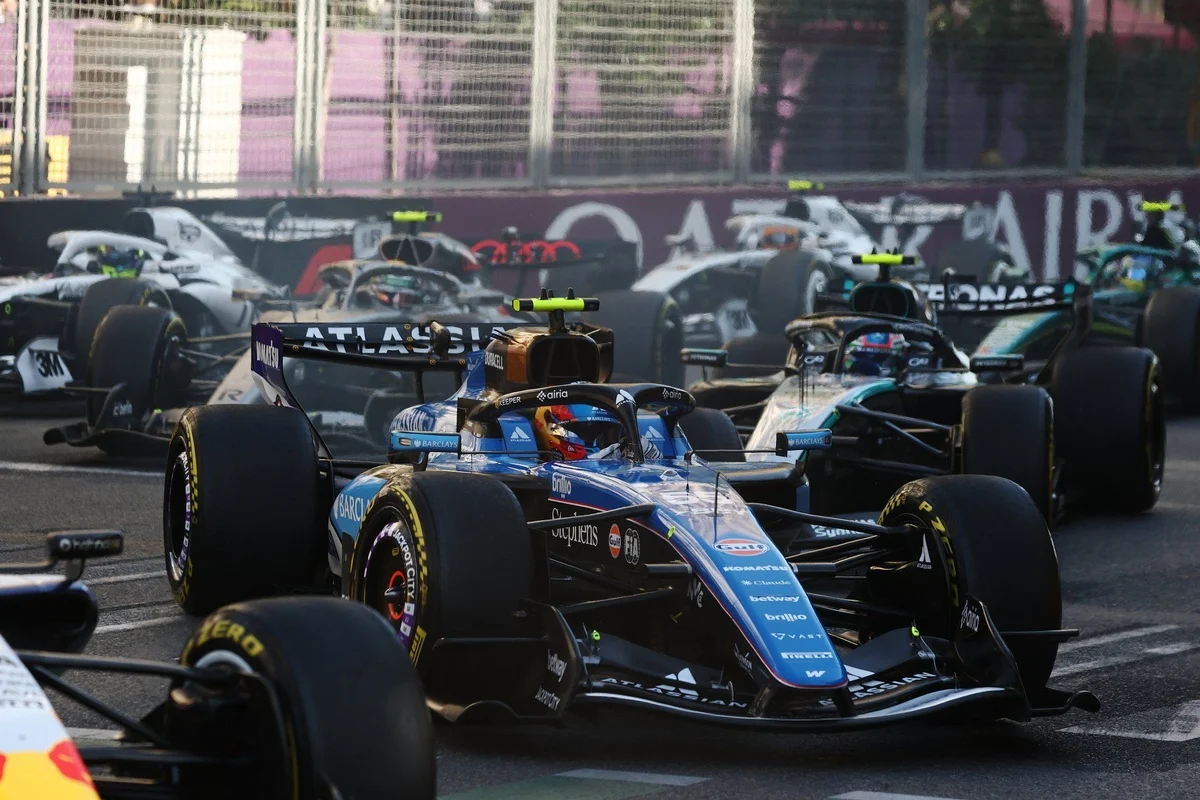
A Mixed Bag in Baku: How Williams’ Long-Awaited B-Spec Upgrade Sparked Hope Amid Familiar Growing Pains
The 2026 Formula 1 Azerbaijan Grand Prix delivered a quintessential "mixed bag" weekend for Williams. For a team that has endured months of drought regarding significant developmental updates to the…

 Evan Lee Salim


 Pevita Pearce
 Asro
 Neng Nana
 Nana Wu

 Lina Hope
 Sagoh
 Iffa Jayyana