
 Nana
Nana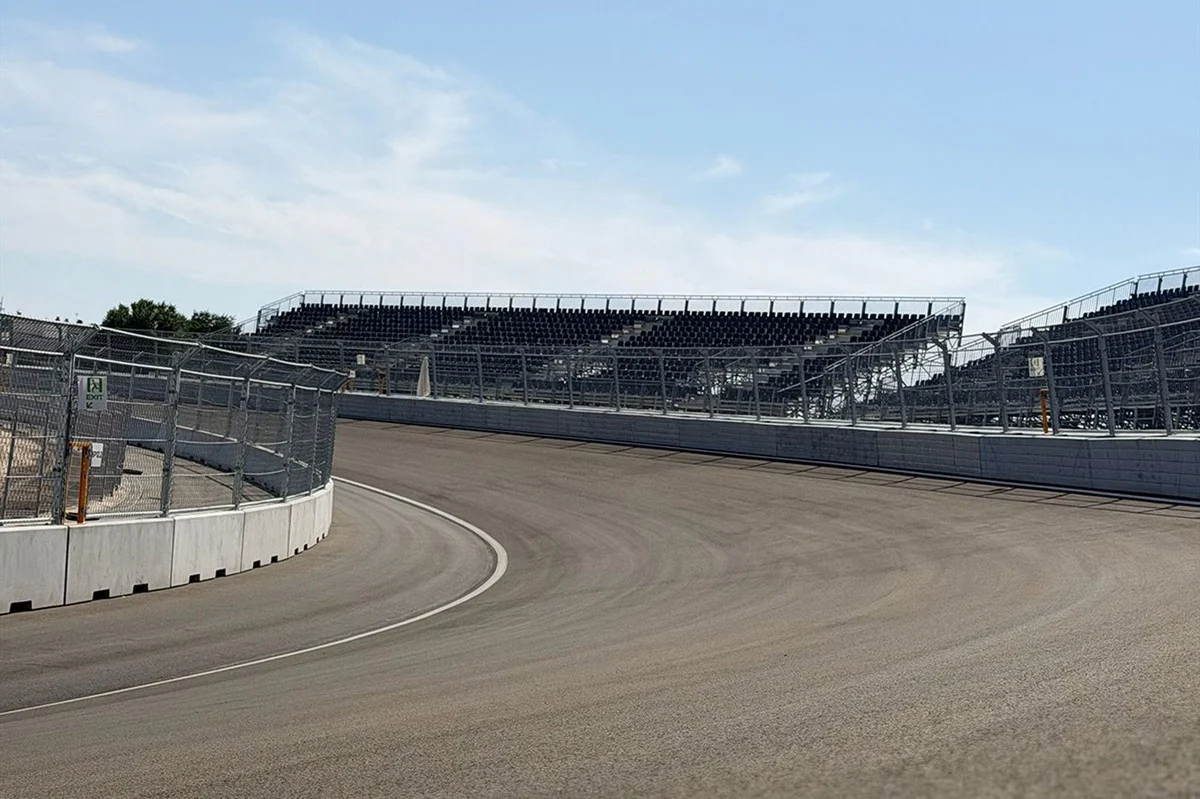
MADRID — Formula 1 touches down in the heart of Spain this weekend for a landmark event, as the newly minted "Madring" makes its long-awaited World Championship debut on the outskirts of the nation’s vibrant capital.
Replacing Barcelona as the host of the traditional Spanish Grand Prix—though the historic Catalan circuit remains on the calendar under a different moniker following Lewis Hamilton’s victory there in June—Madrid represents a massive shift for the sport. This weekend marks the first time F1 has raced in the Madrid region since the old-school Jarama circuit last hosted a Grand Prix in 1981.
As teams, media, and fans descend upon the brand-new hybrid circuit—which blends public roadways with bespoke high-speed sections—paddock chatter is reaching a fever pitch. With championship battles intensifying, driver market shuffles, and infrastructural question marks looming large, here is an in-depth look at the five major storylines defining the inaugural Madrid Grand Prix weekend.
1. Paddock Logistics and Circuit Readiness: Will It Be All Right on the Night?
With any brand-new Grand Prix venue, a certain degree of initial operational turbulence is expected. F1 history is littered with early growing pains, from the catering layout issues that plagued the inaugural Miami Grand Prix, to the perennial traffic nightmares at Monza—a venue that has hosted races since before the World Championship even existed—and the gate congestion that still haunts Abu Dhabi despite its annual presence since 2009.
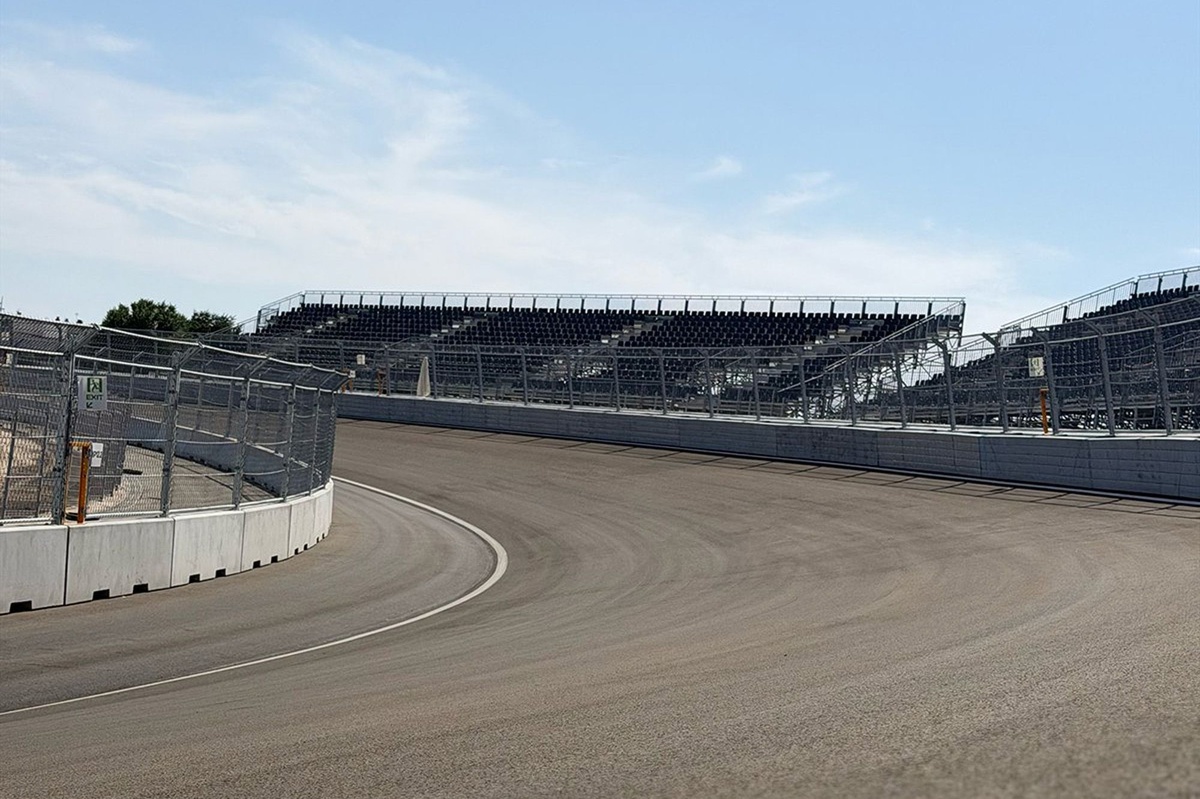
True to form, the arrival of the F1 media and paddock personnel in Madrid was met with a touch of chaos. Navigating the brand-new facilities proved to be an introductory puzzle, with staff members—alongside familiar faces like Pedro de la Rosa and Kimi Antonelli—initially scratching their heads trying to find direct routes from the media center to the paddock.
This logistical disarray arrives at the worst possible time, compounding the stress of a demanding European double-header. Teams must set up their garages under immense time pressure. Once the cars finally find their way onto the tarmac, however, the real test begins.
The circuit’s newly laid asphalt has a history of misbehaving, though organizers have pressure-washed the surface to clear away residual oils. Meanwhile, local authorities and teams will be crossing their fingers that crucial track infrastructure remains fully functional, following an unfortunate recent incident involving stolen wiring that temporarily threatened trackside signage and systems.
2. The Championship Picture: Kimi Antonelli in the Driver’s Seat
Last weekend’s Italian Grand Prix at Monza marked a psychological turning point in the 2026 World Championship. For the first time, George Russell publicly conceded that his title aspirations are all but mathematically over.

Finishing as the runner-up to his teammate at Monza, Russell watched helplessly as 20-year-old phenom Andrea Kimi Antonelli extended his commanding championship lead to 66 points with just 10 rounds remaining.
"Yeah, Kimi’s definitely in control of it and he’s deserving to be in control of it," Russell admitted candidly in the Monza media pen. "I’m not even thinking about a fight or a comeback or anything. I’m just focused on taking it race by race and trying to maximise every single weekend. He’s performing incredibly well. It’s going to be exceptionally challenging to overcome that gap."
This is a stark departure from the narrative anticipated at the start of the 2026 campaign. Russell entered the year as the heavy championship favorite, immediately validating that status by converting pole position into a victory at the Melbourne season opener. However, subsequent misfortune—such as an untimely safety car intervention in Japan—derailed his momentum.
Monza served as the ultimate proof of Antonelli’s championship mettle. The young Italian sensation charged through the field to secure victory despite starting down in 19th place due to a grid penalty. If Russell could not capitalize on a weekend where his sophomore teammate was heavily penalized, it is difficult to envision where the Briton can reclaim the upper hand.

As the paddock rolls into Madrid, the weekend serves as another stepping stone toward what feels like Antonelli’s inevitable coronation. Few would bet against the Mercedes prodigy claiming his eighth victory of the 2026 season on Spanish soil.
3. The Super-Sub Saga: Yuki Tsunoda’s Extended Red Bull Group Audition
What was initially billed by the motorsport media as a one-off substitute appearance at Zandvoort has quietly evolved into a three-race stint. Japanese driver Yuki Tsunoda will once again line up for Racing Bulls this weekend in Madrid, mirroring Liam Lawson’s continued tenure alongside Max Verstappen at the senior Red Bull Racing squad.
This extended deployment is the result of ongoing injury complications for regular Red Bull driver Isack Hadjar, who continues to recover from a wrist injury sustained during a gym session over the August summer break. Having already missed Zandvoort and Monza, Hadjar’s continued absence leaves the door open for Tsunoda and Lawson through Madrid.
While disappointing for Hadjar, the situation presents a golden opportunity for Tsunoda and Lawson, neither of whom has a fully confirmed seat for the 2026 season.

- Liam Lawson: The New Zealander can breathe relatively easy regarding his future. His stellar performances for Racing Bulls earlier this year, combined with valiant points-scoring efforts in his two recent outings with Red Bull, have solidified his stock in the driver market.
- Yuki Tsunoda: Tsunoda’s path is more precarious. Without a full-time F1 race seat for 2026, he has been heavily linked with a move to the IndyCar paddock for next year. While a permanent F1 return in 2027 remains an uphill battle, Tsunoda is determined to make every session count.
Having performed solidly at Zandvoort and secured a championship point at Monza, Tsunoda is eager to further distance himself from the reputational damage suffered during his turbulent stint at Red Bull. With Racing Bulls currently leading the fierce midfield pack, another top-ten finish is entirely within reach.
4. Red Flag Warnings: Navigating the Hazards of the "Madring"
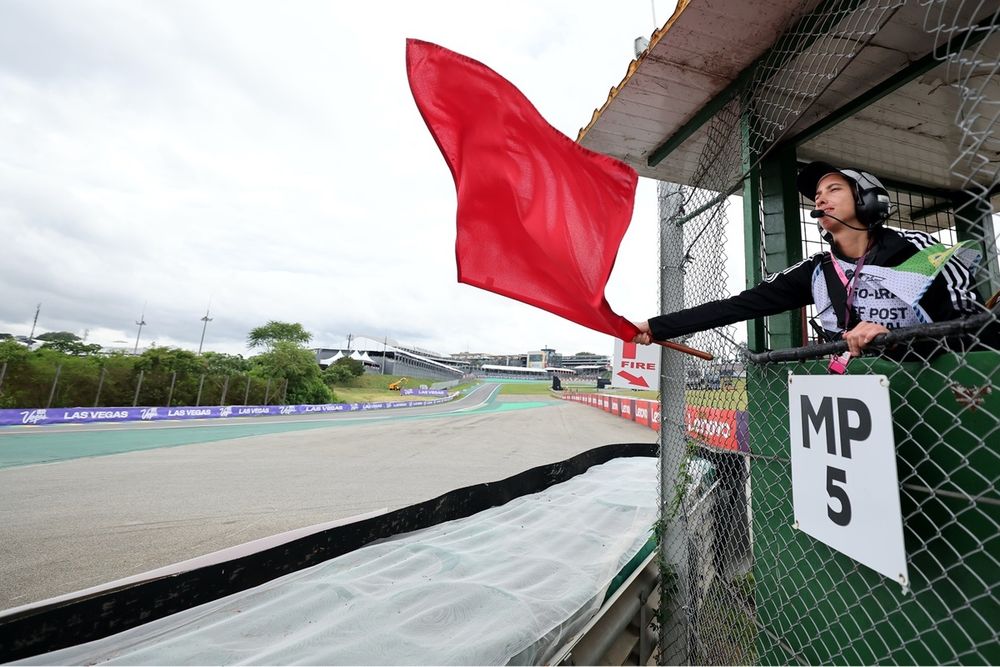
When the FIA Formula 3 championship held an official test at the Madring last month, team principals and safety delegates left with plenty to ponder. The test session culminated in a staggering 19 red flags, featuring multiple heavy accidents that inflated repair bills across the grid.
As is typical with newly paved street-hybrid circuits, grip levels during the opening weekend are expected to be exceptionally low. However, the Madring’s unique architecture—combining public roadway segments with bespoke high-speed layouts and remarkably tight runoff areas—has raised eyebrows.
The circuit’s headline-grabbing feature is La Monumental, a steeply banked curve that is far more complex than it appears, characterized by constantly shifting radii and abrupt elevation changes. Compounding the danger are the entry and exit zones surrounding Turn 12, where unforgiving concrete barriers jut back into the racing line rather than tapering away safely.
"I think definitely with the way they’ve put the barriers and the design of the track, it’s going to be one of the biggest challenges in Formula 1 recently," said Ferrari ambassador and local hero Carlos Sainz.
Sainz draws direct comparisons between the Madring and some of the calendar’s most punishing venues: "The track reminds me a lot of Jeddah, reminds me a lot of Baku, and even reminds me a bit of Macau in some ways. So having that in an F1 car with 1,000 horsepower is going to be quite an interesting challenge."
Given the carnage witnessed during the F3 test, drivers and team strategists are bracing for high safety car and red flag frequencies—particularly during qualifying sessions, where drivers will inevitably flirt with millimeter-thin margins against the concrete walls.
5. Intra-Team Tensions: Ferrari Under the Microscope After Monza Clash
All eyes within the paddock will be fixed on the Scuderia garage this weekend following a fiery intra-team collision between Lewis Hamilton and Charles Leclerc at the Italian Grand Prix.

As the lights went out at Monza, Leclerc and Hamilton went wheel-to-wheel into the opening chicane. Hamilton lunged down the inside at Turn 1, but Leclerc held his ground, claiming the inside line for Turn 2 and squeezing his teammate out. Forced off track into the gravel trap, Hamilton tumbled down the order, sparking visible fury over team radio.
Post-race, Hamilton made no effort to hide his frustration. Arguing that he should have been given strategic priority given his closer proximity to the Mercedes drivers in the World Championship standings, the seven-time world champion took a thinly veiled swipe at his new employers. He contrasted Maranello’s current operational philosophy with his former home at Brackley, pointedly claiming that "there are no rules" at Ferrari.
Interestingly, Ferrari enters this uncharted territory with a minor logistical advantage: the team completed a promotional filming day at the Madring back in July. Whether that brief prior running translates into a competitive edge remains to be seen.
More urgently, however, team principal Fred Vasseur must ensure that Hamilton and Leclerc arrive in Madrid with a unified understanding of the rules of engagement. As the championship enters its final stretch, internal friction is a luxury the Scuderia cannot afford.

 Iffa Jayyana
 Neng Nana
 Suro Senen
 Nana Muazin
 Asro
Asro
 Dwi Wanna