
 Nana Wu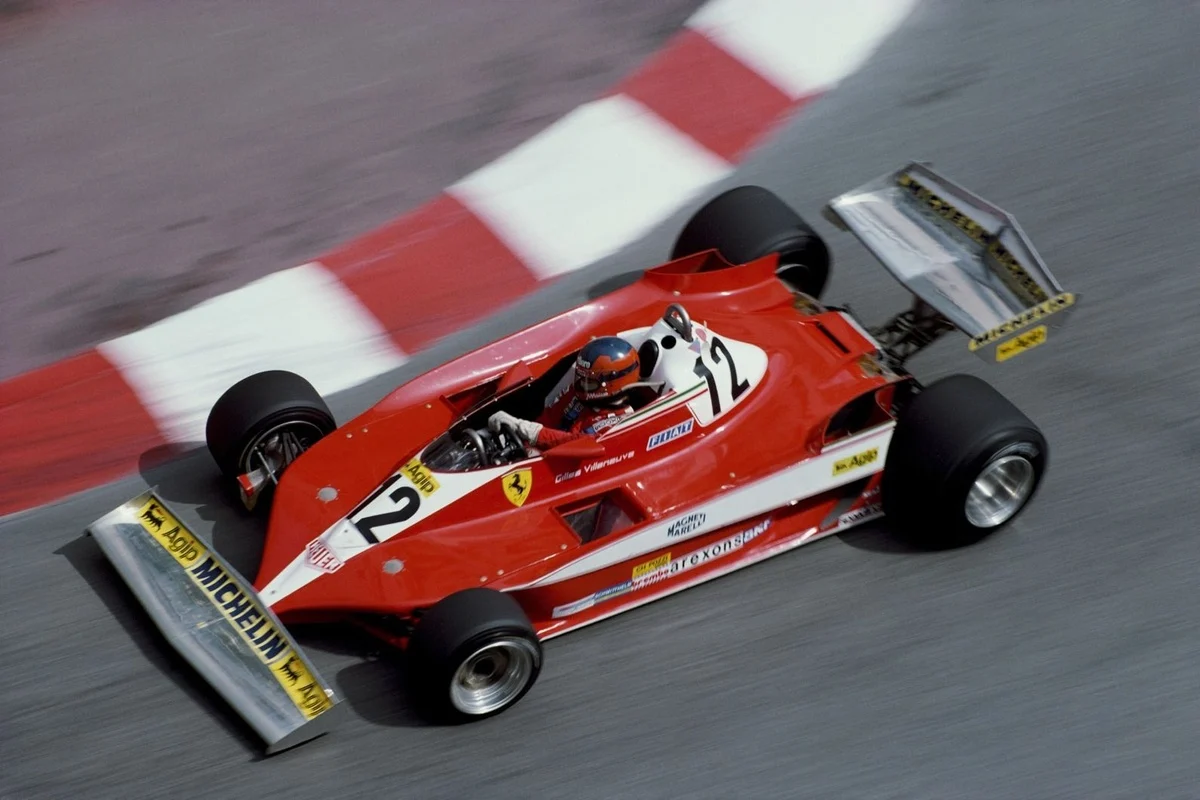
When racing drivers die young, motorsport history tends to freeze them in a state of eternal, romanticised youth. They are elevated to the status of tragic heroes, embodying the ultimate notions of fearless nobility and relentless sacrifice. For generations of Formula 1 fans, Gilles Villeneuve represents the absolute epitome of this archetype.
Characterised by his ferocious, spectacular, and uncompromising driving style, Gilles captured the imagination of the racing world long before his tragic death at the age of 32. That fatal accident during the dying moments of qualifying for the 1982 Belgian Grand Prix at Zolder cemented his status as a legendary, fallen icon. Yet, the myth has long overshadowed the man—the internal political frictions, the bitter fallout with teammate Didier Pironi, and the complex human reality behind the visor.
Now, more than four decades after his passing, a new cinematic project aims to strip away the hagiography. Villeneuve: Rise of a Legend is set to premiere at the Toronto International Film Festival, offering an untold look at the formative years that preceded Gilles’ ascent to Ferrari immortality. For his son, 1997 F1 World Champion Jacques Villeneuve, the film represents both a long-overdue reconciliation with the past and a chance to finally separate his own racing identity from the monolithic shadow of his father.
Main Facts: Unmasking the Legend
The upcoming biographical film, Villeneuve: Rise of a Legend, is slated for a world premiere on 19 September at the Toronto International Film Festival. Executive-produced by Jacques’ sister, Melanie Villeneuve, the feature focuses on the turbulent years before Gilles became a household name and a Ferrari icon—an arduous journey marked by intense personal struggles, professional rejection, and relentless ambition. Following its festival debut, the movie will secure a theatrical release in Quebec this November, with a broader global rollout scheduled for next year. The international release window conveniently aligns with the 50th anniversary of Gilles making his F1 debut, when he stepped into a McLaren at the 1987 British Grand Prix.
At the same time, the Formula 1 circus returns to Madrid for the first time since 1981. That historic year saw the Spanish Grand Prix hosted at the Jarama circuit, which served as the backdrop for Gilles Villeneuve’s final career victory—a masterclass in gritty, defensive driving behind the wheel of an ill-handling, notoriously difficult Ferrari.

Despite the enduring fascination with Gilles’ life and death, his son Jacques has spent decades pushing back against the media narrative that he was simply a vessel tasked with completing his father’s unfinished business on the racetrack.
"Talking about my dad was never an issue," Jacques revealed in an exclusive interview with Motorsport.com. "The issue was those people [journalists] were not interested in my answer, or my way of thinking. They could not care less. All they were wanting to hear is, ‘I’m carrying on the flame because of what my dad did not finish, and that’s why I’m doing it.’ No, I’m racing because I love racing. Simple."
Chronology: A Childhood Defined by Absence and Ambition
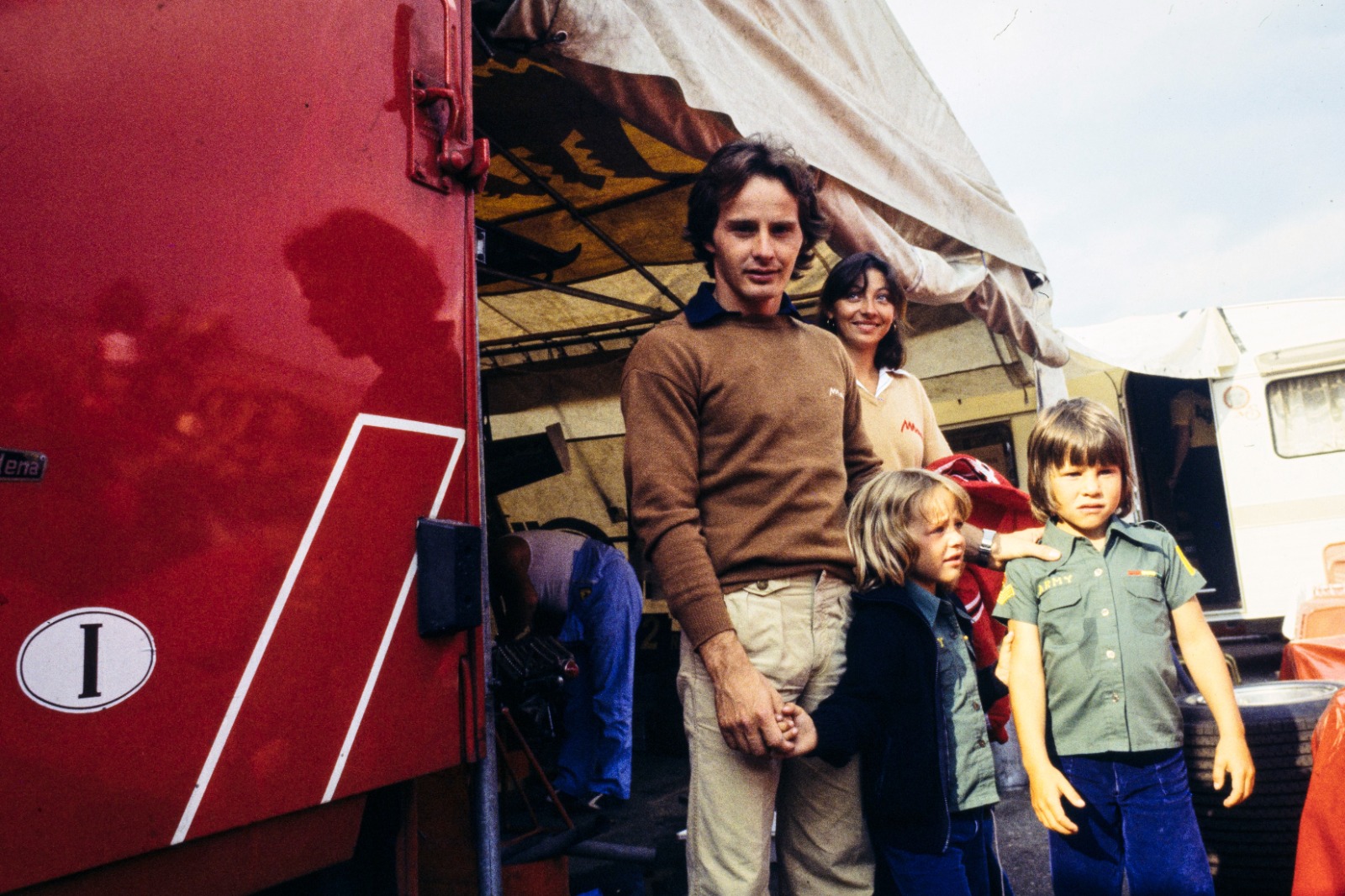
To understand Jacques Villeneuve’s complicated relationship with his father’s legacy, one must look back at the timeline of his upbringing. Jacques had just turned 11 years old when Gilles was killed at Zolder in May 1982.
By that point in time, the young Jacques had spent many of his formative years away from his father, living in boarding schools as his parents’ marriage buckled under the immense, obsessive pressure of Gilles’ burgeoning motorsport career.
"When he passed, I hadn’t seen him for a year or two, really," Jacques reflects. "He wasn’t really living with us. It was really an odd situation. So I never know if it’s a real memory, or a memory I was told growing up, mainly by my mother at the time. So that’s very confusing. Right now, it’s nice to be able to put some dots on the thing. And I think that the movie is quite accurate on those formative years."
The Anatomy of a Racing Dynasty
Villeneuve is one of a rare, exclusive triad in Formula 1 history: world champions who were the biological sons of legendary F1 drivers. Alongside Damon Hill and Nico Rosberg, Jacques shared the unique and suffocating burden of a famous surname. However, each of these drivers forged entirely different paths to the top tier of motorsport, managing their fathers’ formidable legacies in starkly contrasting ways.
- Damon Hill: Following the tragic death of his father, two-time world champion Graham Hill, in a 1975 plane crash, crippling financial litigation plunged the family into ruin. Damon was forced to graft as a motorcycle courier just to make ends meet before clawing his way up the single-seater ladder to win the 1996 world title.
- Nico Rosberg: Keke Rosberg, the fiercely independent 1982 world champion, kept an intentionally arms-length approach to his son Nico’s karting career, maintaining a remarkably low profile. Nico, who showed immense academic promise and nearly opted for a career in engineering—declining an offer from Imperial College London—ultimately carved out his own path to the 2016 crown.
- Jacques Villeneuve: Refusing to lean on his father’s name for emotional validation, Jacques left North America to hone his craft in European junior formulae, eventually conquering CART, the Indy 500, and the 1997 F1 World Championship on his own uncompromising terms.
Supporting Data: Surviving the Crucible of Junior Formulae
For children of successful racing drivers, the psychological crucible of junior motorsport is unforgiving. Expectations are stratospheric, and the margin for error is non-existent.
"If you’re doing this sport for the wrong reason, you’ll never achieve it," Jacques notes bluntly. "You have to really, personally, yourself, deep down, love it. Willing to take the punches because you get a lot of punches. You get put back in place very easily on the clock. It’s very simple. How will you react to that?"
According to Villeneuve, the filtering process happens early. "Mostly in your formative years, when you start in Formula 3. That’s when you take the biggest beatings. So you need to build some kind of carapace around you. That’s why it happened like that. But then that gave me the freedom to just be me and not really carry it."
That emotional armor, Jacques believes, was something he inherited from Gilles—not necessarily through tactical driving lessons, but through observing his father’s authentic character away from the circuits.
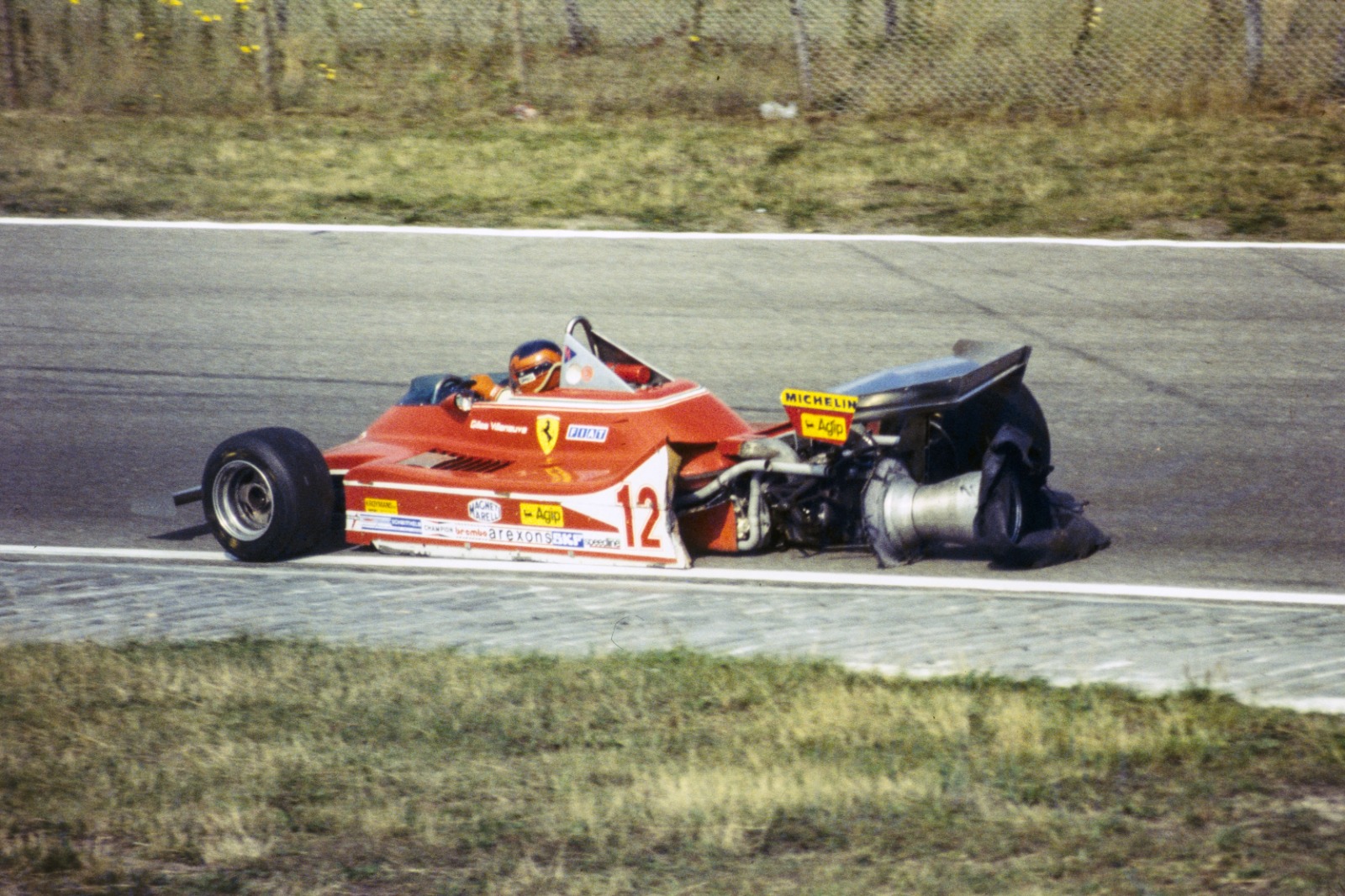
"He was at home exactly the same way as he was at the racetrack in the race car," Jacques recalls. "Whatever he was doing was always very selfish in what he was wanting to do. He did love his family and so on, but he was very selfish in the fact that he’s the only one who wants to play on his pickup truck when he wants to climb a mountain. And that’s all that mattered."
Official Responses and Perspectives: Seeing the Man Behind the Myth
For decades, Jacques’ understanding of his father was filtered through the lens of a grieving family, primarily shaped by his mother’s recollections. But as the decades have rolled on, a broader, more human picture has begun to emerge through the testimonies of Gilles’ former peers and rivals.
"What’s amazing is how over the last few years, people have opened up about their time with my dad," Jacques says. "Even [Alain] Prost, or other people that used to race with him, that never dared before, I guess. And the picture I’m getting is so different than the one I got from my mother."
Gilles was a man who tested limits in every facet of his life. Whether he was pushing a fragile Ferrari past its absolute mechanical threshold, attempting loop-the-loops in a newly purchased helicopter simply because he was told it couldn’t be done, or proving to his rivals "I can do this, you can’t," Gilles operated at a frequency entirely his own.
Jacques acknowledges that he absorbed that fearless approach to calculated risk, albeit with a different, more grounded education. "I took a lot from him on that aspect. But with a different education. So I think it allowed me to calculate the risk just a little bit better."
Implications: The Legacy Moving Forward
The arrival of Villeneuve: Rise of a Legend signifies a cultural shift in how motorsport history is consumed. Instead of relying on the flat, two-dimensional caricature of a doomed speed merchant, contemporary audiences are increasingly hungry for psychological depth, historical accuracy, and the messy human realities behind the helmet.
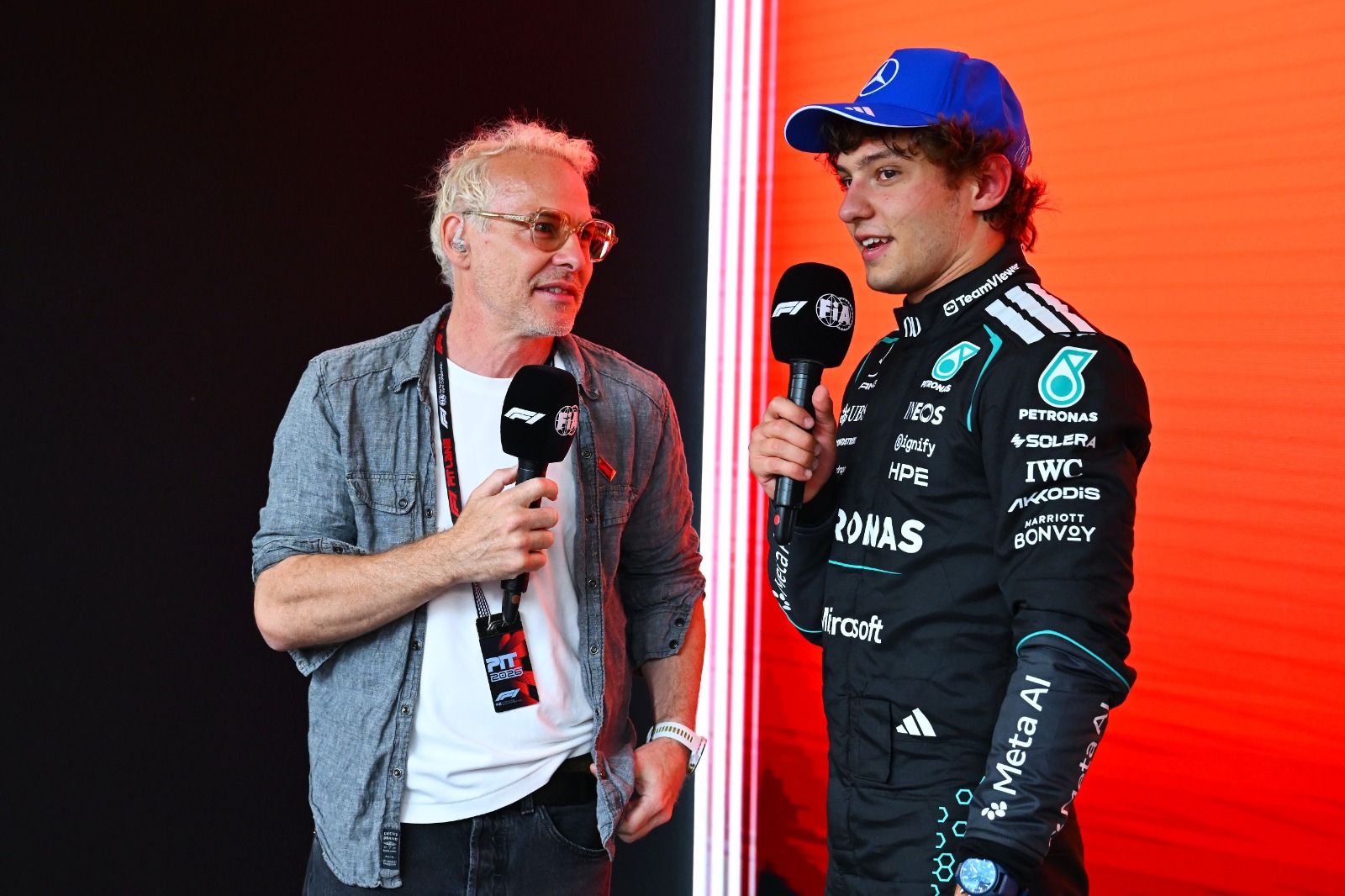
For Jacques Villeneuve, who now shares his razor-sharp insights as a respected broadcaster and pundit for F1 TV and Canal+, the film does not unearth old wounds—it heals them. By allowing Gilles to be portrayed as he truly was—flawed, brilliant, deeply selfish in his passions, yet utterly captivating—the project grants both father and son a measure of peace.
As the global cinematic release approaches next year, the narrative around the Villeneuve name is finally evolving. No longer chained exclusively to the tragedy of Zolder in 1982, Gilles Villeneuve is being remembered for the vibrant, untamable force of nature he was during life. And in breaking free from that overwhelming narrative gravity, Jacques has ensured that his own hard-won legacy stands proudly, independently, alongside his father’s.

 Iffa Jayyana
 Neng Nana
 Suro Senen
 Nana Muazin
 Asro
Asro
 Dwi Wanna