
 Laily UPN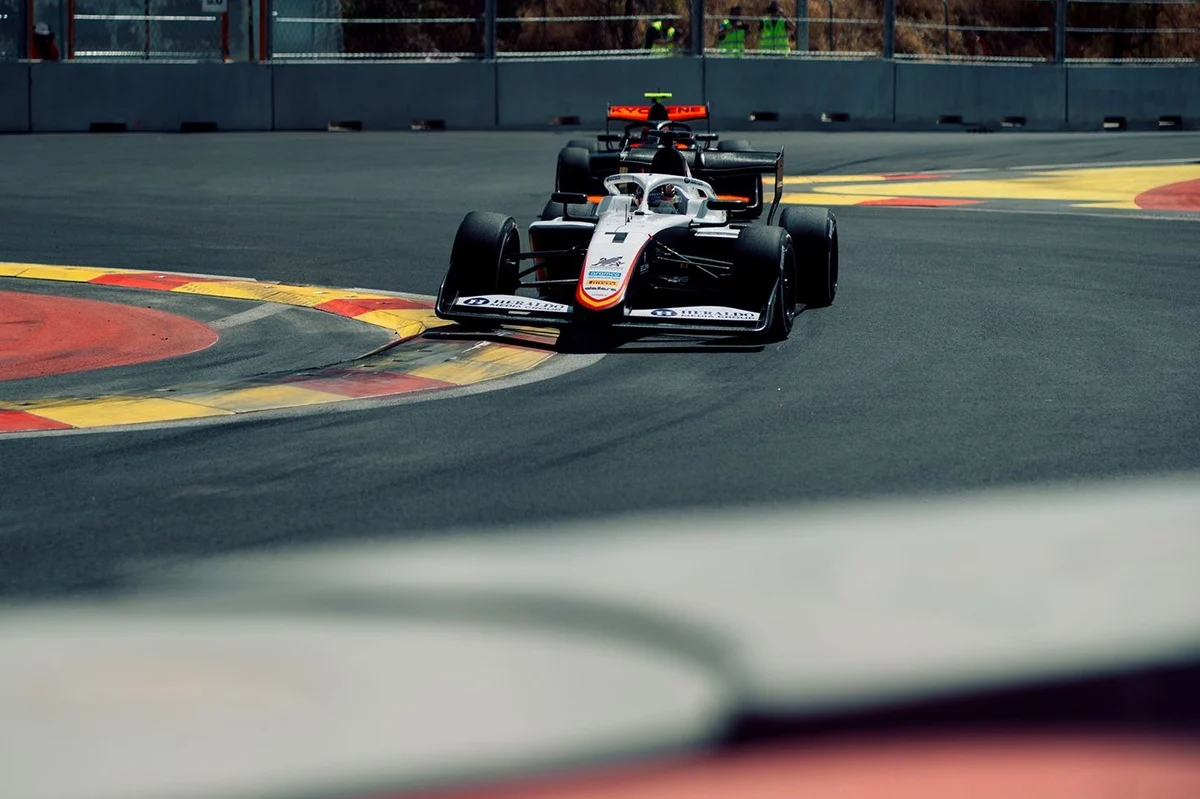
MADRID — Formula 1 racing is entering a thrilling new era with the introduction of fresh venues designed to test the absolute limits of man and machine. Among the most anticipated and fiercely debated additions to the global motorsport calendar is Madrid’s brand-new layout, colloquially and increasingly known in the paddock as the "Madring."
As drivers and engineers race to understand the nuances of this Spanish asphalt monster, Ferrari Formula 1 junior Tuukka Taponen has pulled back the curtain on what it is truly like to tame it. Fresh off a grueling two-day Formula 3 collective test session held on August 24–25, the young Finnish charger has delivered a stark warning to the entire motorsport community, including F1 superstars like Charles Leclerc and Lewis Hamilton: the Madring is relentlessly physical, unforgivingly tight, and demands absolute perfection where the slightest misjudgment carries a heavy price.
Main Facts: The Anatomy of a High-Stakes Test
The recent two-day F3 test at the Madring circuit was meant to give rising single-seater stars valuable mileage on Europe’s newest racing facility. Instead, it served as a brutal baptism of fire. The true scale and hostility of the track quickly became apparent as successive, high-speed driver errors triggered an astonishing five red flags during a single afternoon session.
Taponen, competing for MP Motorsport, found himself navigating a layout packed with technical challenges. The circuit features a staggering 22 corners packed into its envelope, creating a labyrinth where maintaining rhythm is extraordinarily difficult.
"It’s a very difficult track," Taponen remarked candidly after climbing out of his car. "There are a lot of corners — 22 in total — so it’s not easy to put together a clean lap. It’s also quite physical over long runs and race stints, and very demanding because you need to stay focused all the time. The walls are quite close, so even a small mistake can cost you a lot."
Unlike traditional aerodrome-style circuits with vast asphalt run-off areas, the Madring embraces a street-circuit DNA. Concrete barriers line the racing line, offering zero margin for error. Taponen highlighted the treacherous nature of the circuit’s kerbs, which possess the nasty habit of launching cars violently toward the retaining walls if clipped at the wrong angle or approached with excessive velocity.
Chronology: Two Days of Discovery and Carnage
Day 1: Entering the Unknown
As the pit lane lights flickered green for the start of the August test, teams rolled out their machinery with high hopes and meticulously prepared simulator data. For months, engineers in simulator rooms across Europe had attempted to model the Madring’s asphalt, elevation changes, and corner profiles.
However, reality struck almost immediately. Out on track, drivers discovered that theory and digital simulation can only take a team so far. The physical toll of the layout quickly set in. With 22 turns coming thick and fast, drivers had virtually no breathing room down the straights to reset their heart rates.
Day 2: The Red Flag Afternoon
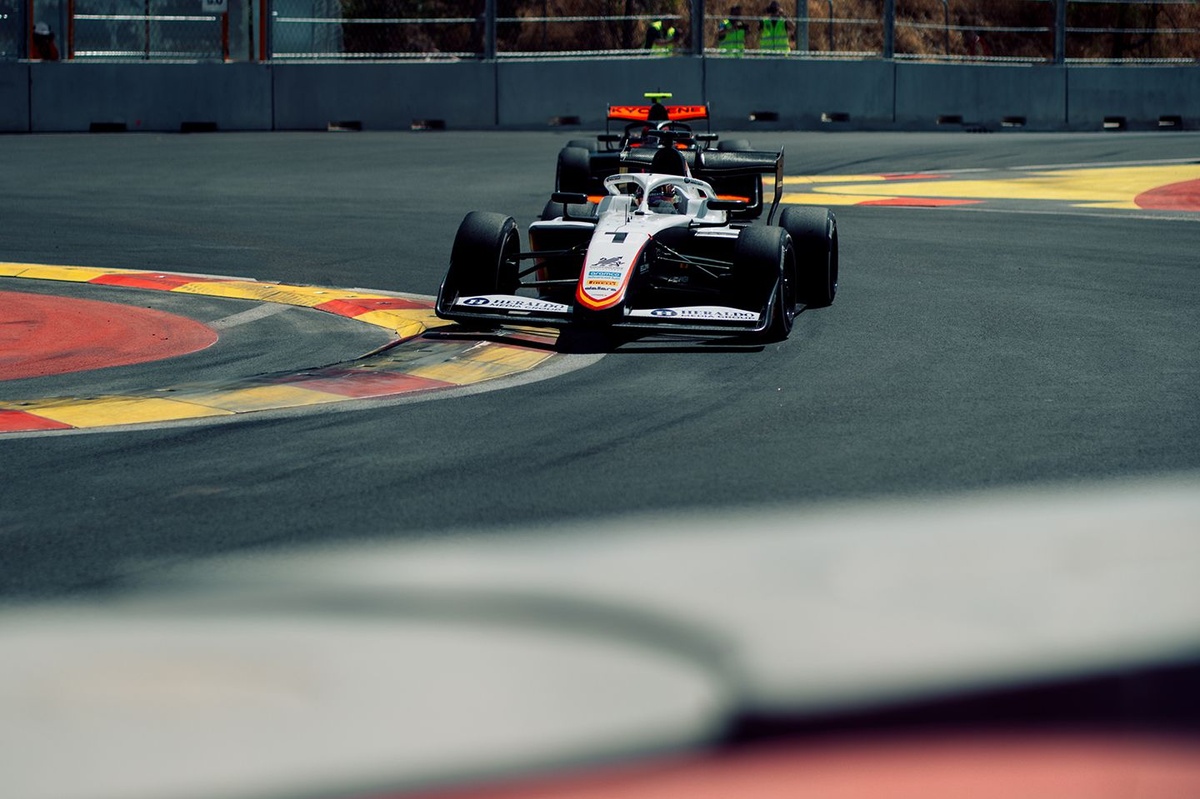
By the second day, drivers began pushing closer to the absolute limit of adhesion, and the circuit bit back. The afternoon session, in particular, descended into a stop-start affair. Consecutive crashes and spin-outs triggered five separate red flags within a matter of hours.
The carnage underscored Taponen’s pre-test concerns regarding the fine line between bravery and recklessness. While the F3 cars do not possess the earth-shattering horsepower of a modern Formula 1 hybrid power unit, their lightweight agility allowed drivers to extract massive time differentials through every sector—provided they survived the attempt.
Supporting Data: Sector Breakdown and Grip Inconsistencies
To truly understand why the Madring is catching seasoned professionals off guard, one must examine its micro-sectors. Taponen specifically drew attention to the first sector, identifying it as the ultimate proving ground—and the most hazardous part of the lap.
The Menace of Sector 1
"I would say the first sector is probably the most difficult, especially the second chicane," Taponen explained. "Everyone rides the kerbs there, and if you take one at a slightly wrong angle or carry a little too much speed, you can end up in the wall."
This creates a high-stakes psychological tug-of-war for the driver. To be competitive, a driver must lean heavily on the limit, clipping the apex kerbs with millimeter precision.
- If you push too far: The kerb unbalances the car, sending it spinning directly into the unforgiving barrier.
- If you back off: The lap time bleeds away instantly, destroying any hopes of a competitive qualifying run.
Compounding the problem is the layout’s flow into high-speed directional changes toward the end of the opening sector. By the time drivers reach this sequence, the Pirelli rubber is already enduring severe thermal degradation. "The tyres are already starting to overheat a little," Taponen noted. "That makes it quite difficult to be quick and consistent throughout the lap."
The Simulator vs. Reality Gap
One of the most compelling insights from Taponen’s debriefing is the disparity between virtual preparation and physical execution. While Formula 1 veterans and junior ranks alike spend hundreds of hours in high-tech simulators, real-world variables always introduce chaos.
"Once you get there, the reality can be quite different [from the sim]," Taponen said. "The grip level isn’t the same in every corner: some feel a little less grippy, others a little more."
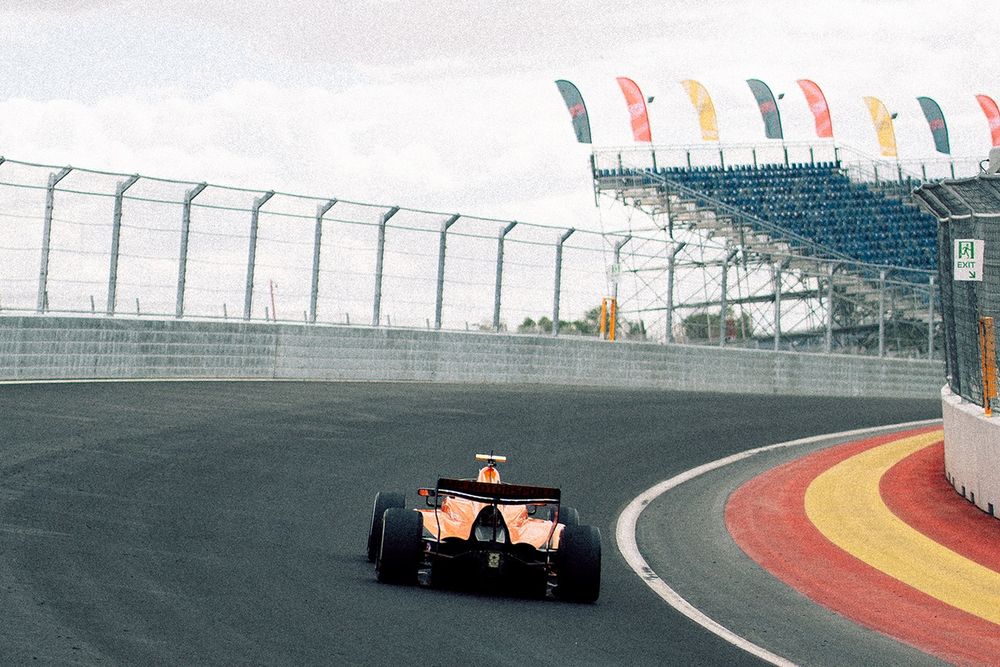
This localized grip inconsistency is a nightmare for setup engineers. A car balanced for a high-grip sweeping turn might suddenly snap through a low-grip, medium-speed redirection, punishing any driver who isn’t fully attuned to the track’s evolving personality.
Official Responses and F1 Implications: Warnings for Hamilton and Leclerc
While Taponen’s immediate focus remains firmly anchored in junior single-seaters, his feedback has sent ripples upward through the motorsport pyramid. Formula 1’s elite—including Ferrari’s marquee lineup of Charles Leclerc and Lewis Hamilton—will eventually have to conquer this very asphalt.
Taponen did not mince words when considering how F1 machinery will handle the Madring. "That is going to be one of the big challenges for Charles and Lewis," he stated. "They will also be travelling at very high speeds, with the walls close and very small margins for error. Putting together a clean lap while still pushing to the limit is going to be difficult."
The sheer speed of an F1 car, combined with the downforce-induced g-forces, will multiply the physical demands Taponen experienced in F3. Where junior drivers felt fatigued over race stints, F1 drivers will face violent lateral loads while wrestling cars with nearly double the horsepower and immense aerodynamic sensitivity. The proximity of the walls means that dirty air, sudden balance shifts, or a locked brake could transform a Grand Prix weekend into a demolition derby.
Season Implications: Taponen’s F3 Finale Beckons
As the dust settles on the Madrid test, Taponen must quickly pivot his attention back to the present. His sophomore campaign in the FIA Formula 3 Championship is drawing to a close, and the season finale is fast approaching.
While the championship crown itself is out of reach—set to be contested in a fierce duel between consistent frontrunners Freddie Slater and Ugo Ugochukwu—Taponen has plenty left to fight for. The Ferrari Academy protege is riding a wave of positive momentum following a stellar performance at Monza, where he secured his maiden podium finish of the 2025 season.
Incredibly, despite enduring a roller-coaster campaign, Taponen sits just 12 points adrift of third-placed Ernesto Rivera in the standings, though he occupies a spot six positions lower in the densely packed mid-field. A strong final weekend could see the young Finn vault up the championship table, capping off a developmental year that has tested his resilience, adaptability, and raw speed.
Looking Ahead
The Madring circuit has made its violent, chaotic, and fascinating introduction to the junior racing world. As civil engineers finalize facility upgrades and F1 teams pore over the telemetry gathered by drivers like Taponen, one thing is certain: when the circus officially arrives at Madrid’s newest racing cathedral, it will reward only the bravest, test the physical limits of the world’s best drivers, and forgive absolutely no mistakes.

 Iffa Jayyana
 Neng Nana
 Suro Senen
 Nana Muazin
 Asro
Asro

 Dwi Wanna