
 Nana Wu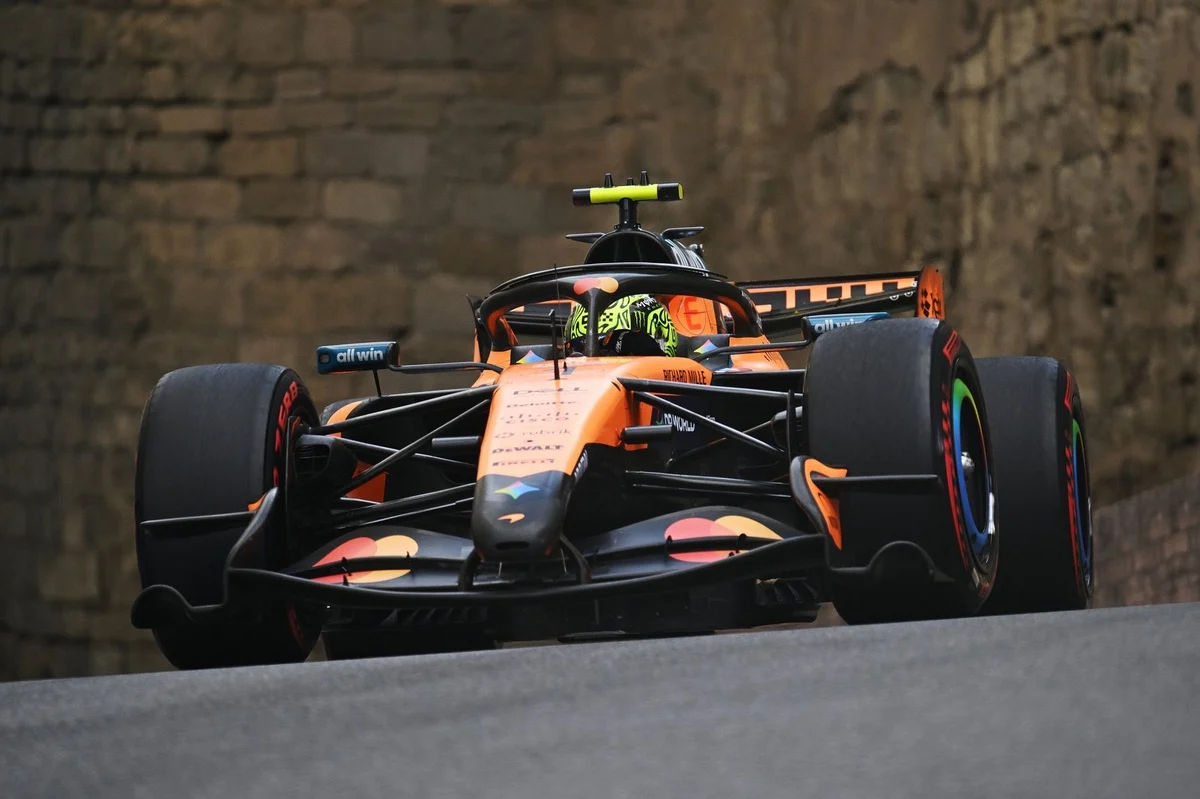
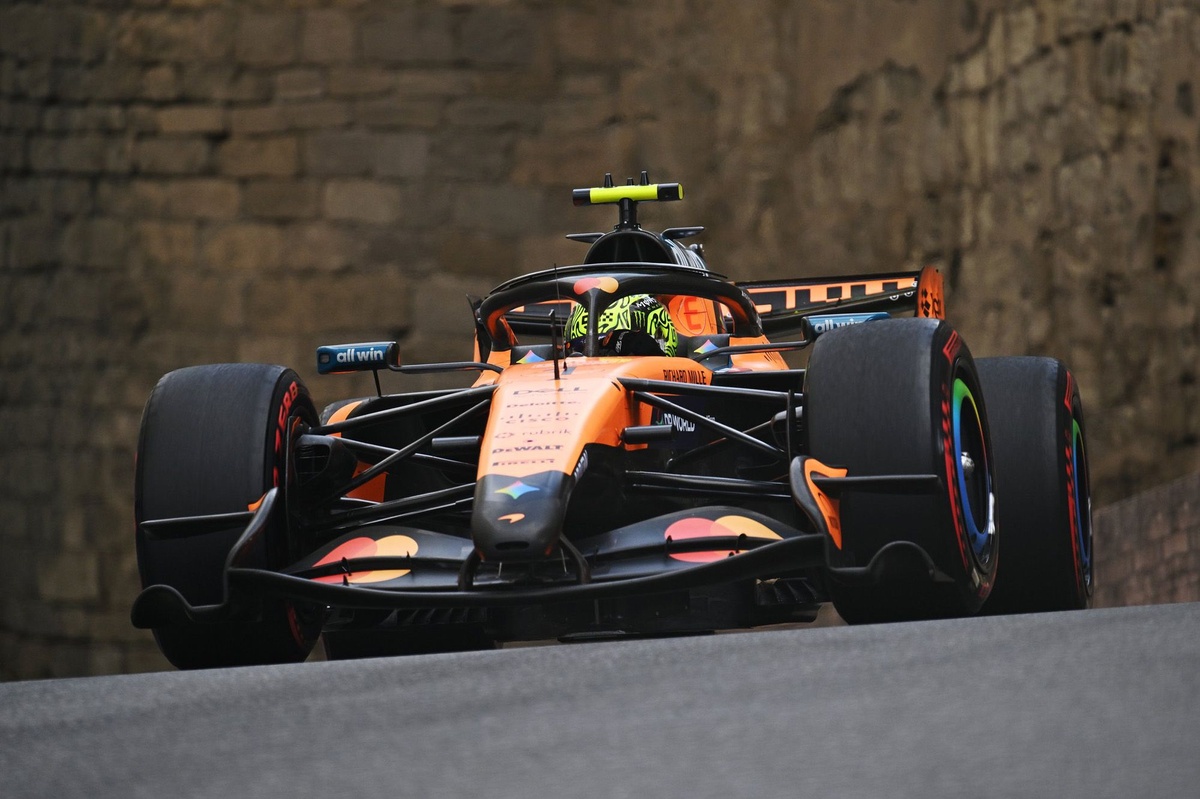
LONDON — McLaren Racing is hurtling toward a historic financial milestone that would have seemed unimaginable just a decade ago. According to a comprehensive financial report by Sky News, the legendary Woking-based outfit is projected to become the first Formula 1 team in history to surpass $1 billion in annual revenue.
While the organization continues to maintain a diverse motorsport footprint—most notably through its successful IndyCar operations—Formula 1 remains the undisputed engine of McLaren’s economic dominance, accounting for more than 90% of the team’s total financial intake. This unprecedented surge underscores not only McLaren’s meteoric rise under its current leadership but also the broader, explosive commercial boom sweeping through the pinnacle of motorsport.
Main Facts: The Numbers Behind the Milestone
The forthcoming financial filings for McLaren Racing Ltd, set to be published this week, cover the 2025 calendar year and lay bare an empire operating at the absolute zenith of modern sports business.
- Projected Annual Revenue: Sources indicate McLaren will declare a staggering revenue of £588 million (approximately $779.6 million USD) for the period, positioning the team comfortably within striking distance of the elusive $1 billion benchmark.
- CEO Compensation: The forthcoming disclosures are expected to confirm a record payout of over £75.4 million ($100 million) for McLaren Racing CEO Zak Brown. This monumental figure contrasts starkly with his previous compensation packages, which included a £6 million base salary and a £31 million long-term incentive plan in 2024.
- The Valuation Surge: The massive payout tied to Brown is the direct result of a lucrative share award triggered by a major corporate buyout. Bahrain’s Mumtalakat sovereign wealth fund and Abu Dhabi’s CYVN Holdings acquired the remaining 30% of external shares in McLaren Racing, pegging the team’s overall corporate valuation at an eye-watering £3.5 billion ($4.1 billion).
Chronology: From Near-Bankruptcy to Global Financial Titan
To understand the magnitude of McLaren’s current financial standing, one must look back at the harrowing trajectory the team navigated over the last ten years.
The Struggles of the Hybrid Era (2015–2018)
Just a few years ago, McLaren was battling severe financial headwinds. Plagued by an uncompetitive and unreliable power unit partnership with Honda, the team saw its on-track performance plummet. This competitive slump triggered a domino effect: prize money dwindled, key sponsors departed, and the broader McLaren Group was forced to seek emergency cash infusions, cut jobs, and mortgage its iconic, Norman Foster-designed Technology Centre in Woking simply to stay afloat.
The Turnaround and the Arrival of Zak Brown (2016–2020)
Recognizing the need for a cultural and commercial reset, McLaren brought in American marketing guru and motorsport executive Zak Brown. Tasked with modernizing the team’s commercial operations, Brown immediately set about rebuilding McLaren’s brand equity. Even as the team grappled with financial constraints, Brown adopted an aggressive, forward-thinking sponsorship strategy that prioritized blue-chip partnerships and digital engagement.
The Liberty Media Catalyst and Cost Cap Era (2021–2023)
The landscape of Formula 1 shifted dramatically following Liberty Media’s acquisition of the sport. The introduction of the cost cap—a financial regulation designed to limit team spending—fundamentally altered the economic paradigm of F1. Suddenly, participating in the sport ceased to be a bottomless money pit for billionaire owners. Financial stability bred on-track competitiveness, and franchise valuations skyrocketed. McLaren, having stabilized its racing division, was perfectly positioned to capitalize on this renaissance.
The Mega-Buyout and the Road to $1 Billion (2024–2025)
With the financial security guaranteed by Mumtalakat and CYVN Holdings completing their full acquisition of McLaren Racing at a £3.5 billion valuation, the team shed its remaining external vulnerabilities. Bolstered by stellar on-track performances—clinching wins and fighting at the front of the grid—revenue skyrocketed, setting the stage for the historic financial disclosures of 2025.
Supporting Data: An Industry "On Fire"
The financial trajectory of McLaren Racing cannot be viewed in a vacuum; it is the crowning achievement of an industry-wide commercial explosion. In an interview with Bloomberg following the completion of the stake sale, Zak Brown elaborated on the metrics driving this unprecedented growth.
"The sport is on fire, you know, every metric, demand for teams," Brown stated. "It wasn’t long ago that Liberty [Media] acquired the sport and put a cost cap in place, which kind of ensured everyone’s financial stability and on-track stability and competitiveness."
The numbers bear this out. Formula 1 has successfully transitioned from an exclusive, European-centric motorsport into a global lifestyle and entertainment juggernaut.
- Global Audiences: F1 races now regularly draw tens and hundreds of millions of viewers globally, fueled in no small part by the cultural phenomenon of Netflix’s Drive to Survive.
- Sponsorship Value: Long gone are the days of patchworked liveries reliant on short-term, speculative backers. Today, McLaren’s cars feature some of the most recognizable and prestigious brands in the world, including tech giants like Google and financial institutions like Mastercard.
- Unprecedented Parity: The competitive landscape has never been fiercer or more engaging. Formula 1 recently witnessed a season where four different teams and seven different drivers secured multiple race wins—a statistical anomaly in the modern era of the sport that has kept global audiences glued to their screens.
Official Responses and Industry Outlook
Despite valuations reaching historic heights, industry leaders believe the ceiling is still a long way off. When pressed on whether F1 team valuations had peaked, Brown offered an optimistic and expansive perspective.
"I don’t think so," Brown told Bloomberg. "I think if you look at sports in general, and I wouldn’t say I’m an expert at all sports by any means, but they’ve only been going north forever. Every time there’s a record deal and whatever sport it is, everyone goes, ‘Oh, that was crazy.’ And then you look back and in five years, they’ve still gone up."
Brown pointed to the undeniable imbalance between supply and demand as a primary driver for future financial expansion. While the F1 calendar currently features 24 grueling rounds across the globe, commercial demand from promoters easily scales to 30 Grands Prix. This artificial scarcity of slots on the calendar ensures that existing team franchises retain immense, appreciating value.
Furthermore, the off-track narrative strength—amplified by digital media, streaming platforms, and youthful demographic shifts—has expanded the total addressable market for sponsors and investors alike.
Implications: What This Means for Formula 1
McLaren’s impending coronation as the first billion-dollar F1 team carries profound implications for the rest of the paddock and the future of global motorsport:
- Raising the Financial Bar: Competitors such as Ferrari, Mercedes, and Red Bull Racing will inevitably analyze McLaren’s revenue models closely. As the commercial ceiling rises, the baseline cost of running a competitive, self-sustaining F1 enterprise will shift upward, potentially widening the gap between legacy operations and smaller independent entities.
- Validation of Private Equity and Sovereign Investment: The massive valuations commanded by Mumtalakat and CYVN Holdings prove that F1 teams are no longer viewed merely as expensive vanity projects for wealthy enthusiasts. They are now certified, high-yield global media franchises capable of generating corporate returns comparable to major American sports leagues (NFL, NBA, Premier League).
- Talent Retention and Infrastructure: With revenues surging and CEO Zak Brown securing historic long-term incentives, McLaren has the financial firepower to aggressively recruit and retain elite engineering talent, upgrade its Woking infrastructure, and continue investing heavily in its state-of-the-art wind tunnel and simulation tools.
As McLaren Racing prepares to officially file its landmark 2025 accounts, the message to the sporting world is crystal clear: the papaya army is not just winning on the track—it is rewriting the business playbook of global sport.


 Suro Senen
 Lina Hope


 Siti Muinah
 Evan Lee Salim