
 Lina Irawan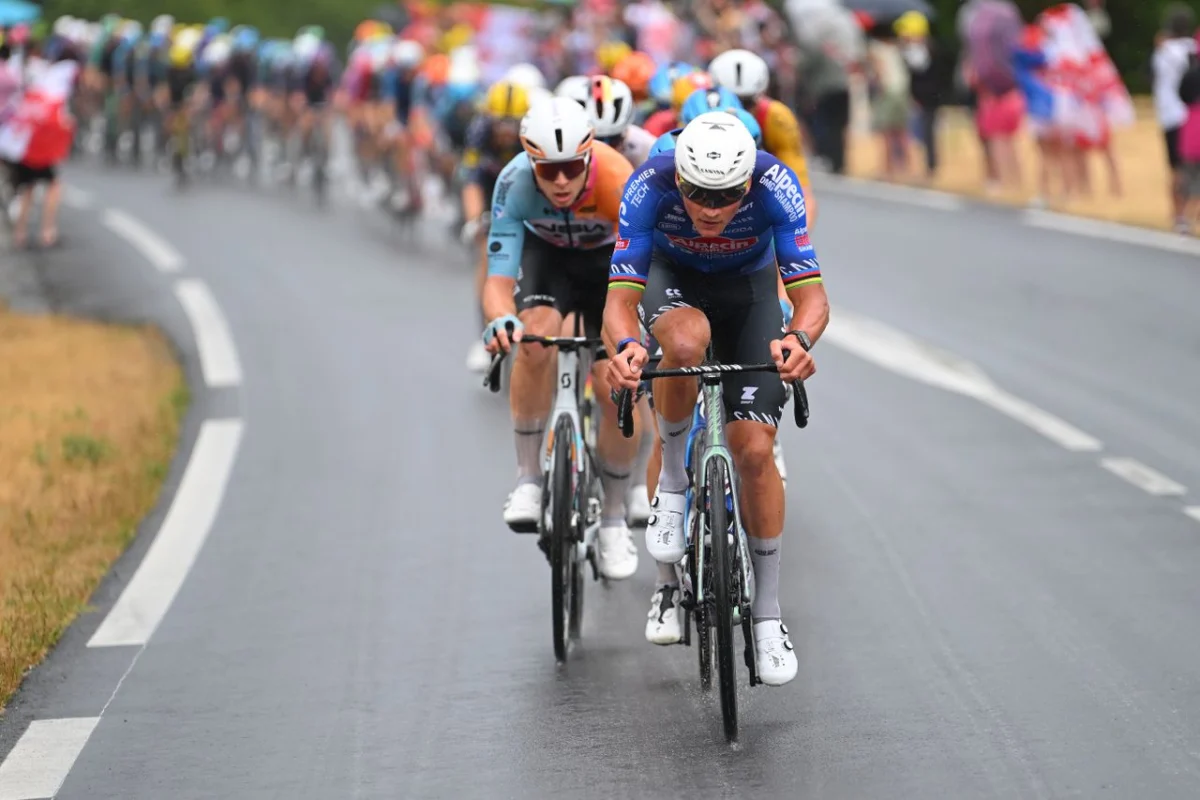
July 22, 2026 – Chambéry to Voiron
Welcome to Cyclingnews’ comprehensive live coverage of the 2026 Tour de France. As we enter the third week of racing, the intensity is palpable. Today’s 17th stage, running from the historic city of Chambéry to the commune of Voiron, is officially classified by the ASO as a "flat" stage. However, seasoned observers and the riders themselves know that labels in the Tour de France are often mere suggestions. With the shadow of the brutal mountain stages looming and the final procession to Paris drawing near, this stage represents a tactical crossroads for the peloton.
Main Facts: The Anatomy of Stage 17
At first glance, the route profile suggests a standard sprint day—a relief for the weary legs of the general classification (GC) contenders. Yet, the initial 60 kilometers tell a different story. The stage features four categorized climbs that serve as a jagged introduction to the day’s racing.
For the breakaway specialists, this is arguably the final genuine opportunity to secure a stage win before the race hits the high mountains and, eventually, the Champs-Élysées. The transition from the rugged terrain near Chambéry to the more manageable roads toward Voiron creates a unique dynamic: a high-octane start followed by a potentially nervous, high-speed tactical finish.
Key Stage Details:
- Start: Chambéry
- Finish: Voiron
- Categorized Climbs: Four within the first 60km
- Intermediate Sprint: Located in Colombe
- Flag Drop: 13:30 CEST
Chronology: A Day of Two Halves
The racing today is expected to unfold in two distinct acts. The first act will be an explosion of energy. With four categorized climbs packed into the opening quarter of the stage, we anticipate a fierce battle to form the day’s breakaway. Teams looking to disrupt the status quo—specifically those with strong climbers who also possess a fast finish—will be burning matches early to establish a gap.
The Opening 60km: The Selection
As the flag drops at 13:30 CEST, expect an immediate flurry of attacks. The categorised climbs are not just obstacles; they are tactical launchpads. If a group of strong rouleurs or "puncheurs" can crest these climbs with a two-minute gap, the peloton may find it difficult to organize a cohesive chase, especially if the sprint teams are unwilling to burn their domestiques on the early gradients.
The Mid-Stage Calm and the Colombe Sprint
Once the peloton crests the final climb of the opening sequence, the route levels out. This is where the intermediate sprint in Colombe becomes the focal point. Currently, the green jersey standings are in a state of flux. Mads Pedersen (Lidl-Trek) holds the lead, but he is under constant pressure from Alpecin-Premier Tech’s Jasper Philipsen.
The positioning of the sprint in Colombe is strategic. If the break has been caught or if the peloton is within reach, this sprint could determine who takes the maximum points, potentially swinging the green jersey narrative for the final week.
The Run-in to Voiron
The final stretch into Voiron is expected to be a high-speed pursuit. If a breakaway has survived, they will be battling to keep the gap above the 30-second mark. If they are caught, the final 10 kilometers will see the "sprint trains" form. With the exhaustion of two weeks of racing beginning to manifest, positioning will be everything. The team that manages to keep their lead-out train intact through the twists of the final approach will hold the keys to victory.
Supporting Data: The Green Jersey Battle
The rivalry between Mads Pedersen and Jasper Philipsen has been one of the defining subplots of this year’s Tour. Pedersen, a rider of immense versatility, thrives on days like today where the climbs might shed the pure sprinters. His ability to crest hills and maintain high speeds on the descent makes him a formidable favorite.
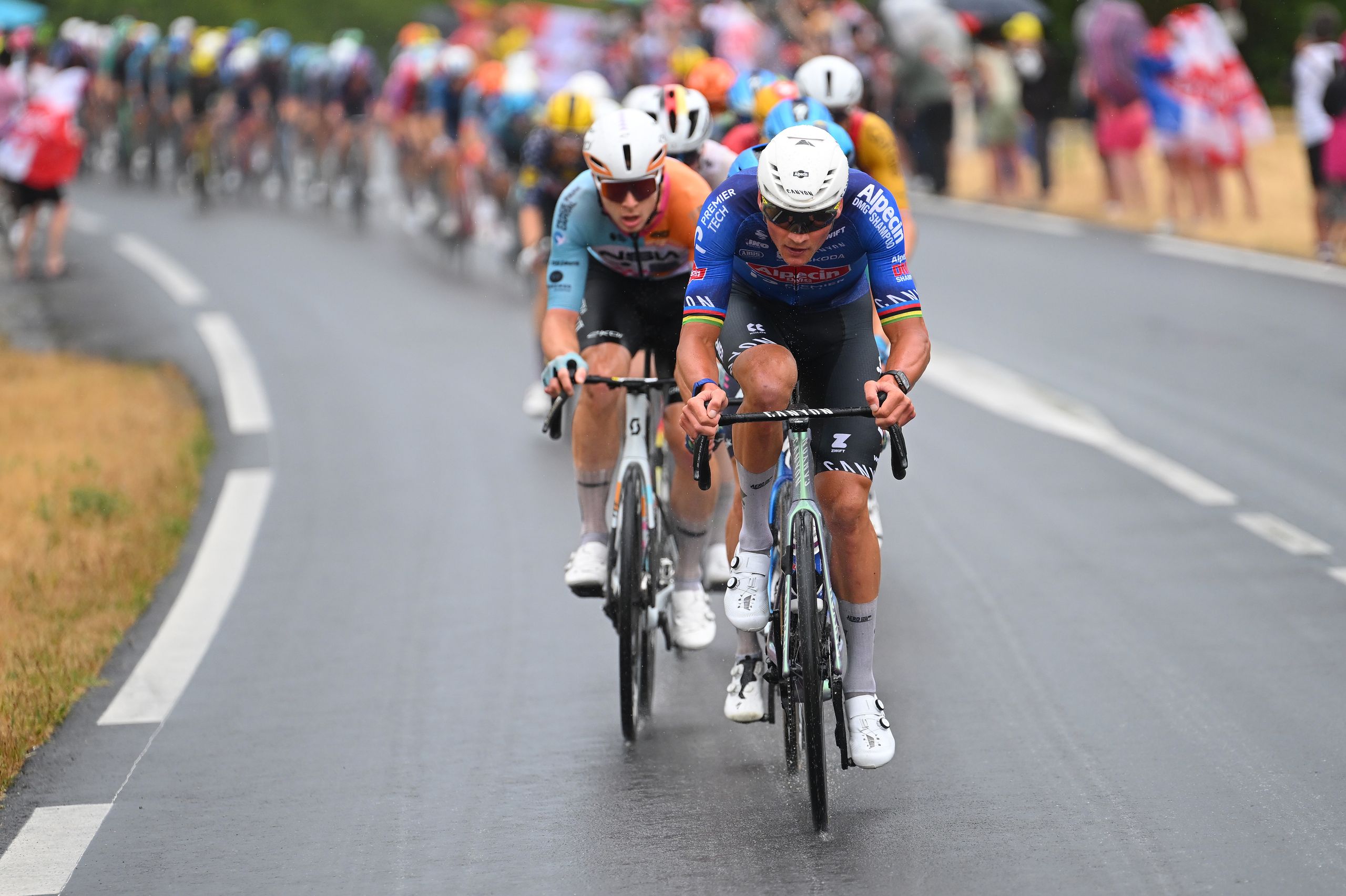
Lidl-Trek has played their cards masterfully, utilizing Pedersen’s climbing prowess to put distance between him and his rivals. Conversely, Alpecin-Premier Tech has adopted a more varied approach. By keeping Mathieu van der Poel in the mix, they have a dual-threat strategy. If the race becomes too attritional for a standard sprint, Van der Poel has the tactical acumen and the explosive power to bridge gaps and challenge for the win, ensuring that Alpecin remains a constant threat regardless of how the road tilts.
Official Responses and Tactical Outlook
Team directors have remained characteristically cagey in the pre-stage interviews. The consensus among the sports directors is that "nothing can be taken for granted."
"The profile looks straightforward on paper," remarked a spokesperson for a major sprint team, "but the start is anything but. If you miss the move in the first 60km, you are essentially out of the game. We have to be active from the moment the flag drops."
Lidl-Trek’s management has expressed confidence in Pedersen, noting that he has already proven his ability to win from a breakaway earlier in the race. This versatility is their ace in the hole. If the stage becomes a war of attrition, they are arguably the best-equipped team to control the tempo.
Alpecin-Premier Tech, meanwhile, is focusing on the "multi-option" approach. By keeping their tactics fluid, they prevent the peloton from focusing entirely on one leader. Their reliance on Van der Poel as a contingency for a breakaway or a chaotic finish highlights the team’s adaptability in what is becoming a very unpredictable 2026 Tour.
Implications: The Final Week Looming
While today’s stage is vital for the sprinters and stage-hunters, it carries heavy implications for the GC contenders as well. With three brutal mountain stages awaiting the riders in the coming days, the goal for the Yellow Jersey favorites today is simple: survival.
Energy Management
A day of "active recovery" is the goal for the GC leaders. They will look to hide in the wheels of their teammates, avoid any crashes in the high-speed finale, and keep their hydration and nutrition levels topped up for the impending mountain tests. However, the four early climbs will force them to remain alert. A split in the peloton on a climb, even a small one, can cause unnecessary stress and force them to burn energy they will desperately need in the Alps or Pyrenees.
The Psychological Game
Psychologically, this stage serves as the calm before the final, violent storm of the race. The fatigue of the 2026 Tour is now cumulative. Every kilometer ridden today is a kilometer that will be felt in the legs on the final ascents toward Paris. The teams that can navigate today with the least amount of "red-lining" will be the ones best positioned for the final push.
Conclusion
As we look toward the finish line in Voiron, the stage is set for a classic battle between the tactical brilliance of the breakaway specialists and the relentless discipline of the sprint trains. Whether it is a day for a daring long-range attack or a high-speed drag race into the finish, one thing is certain: the 2026 Tour de France continues to demand everything from its participants. Stay tuned to Cyclingnews throughout the afternoon as we track every attack, every sprint, and every tactical shift on the road to Voiron.

 Reynand Wu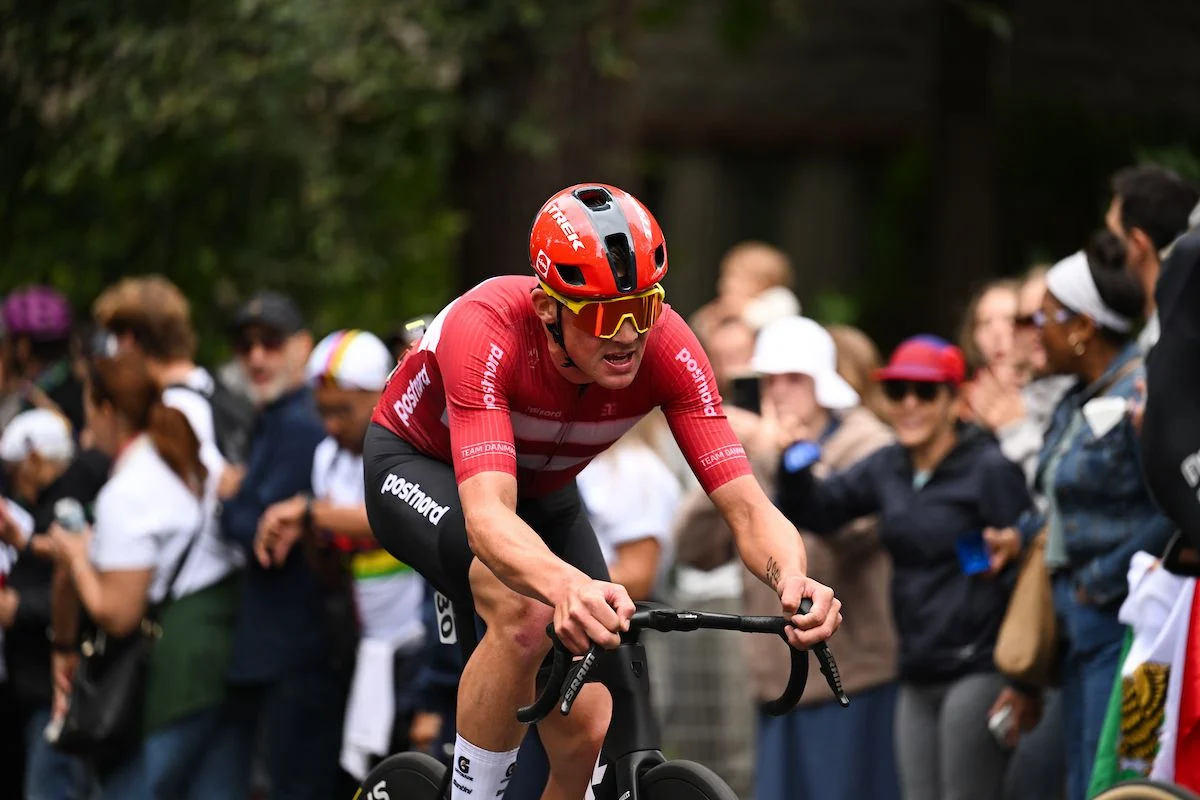
 Nana
Nana
 Neng Nana
 Nana Wu
 Lina Hope

 Sagoh
Sagoh
 Iffa Jayyana