 Suro Senen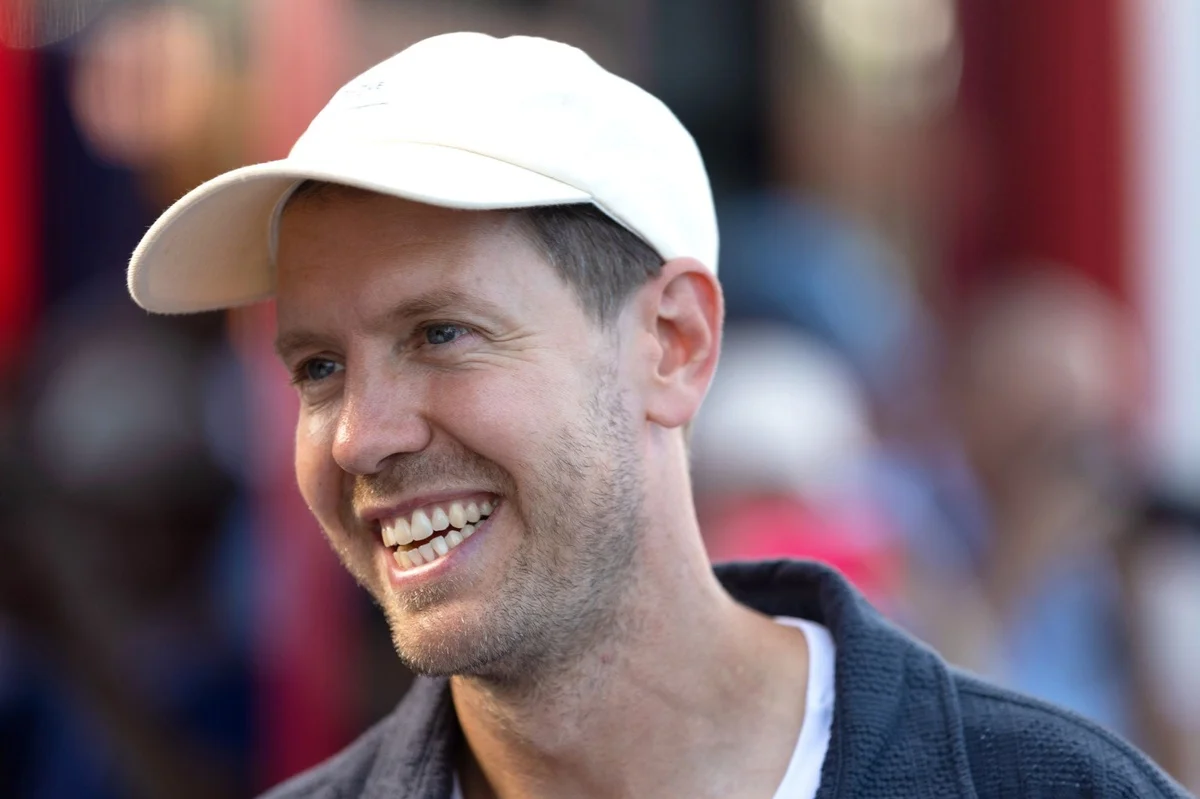
By Motorsport News Desk
Main Facts: Life After the Helmet and the Call of the Paddock
Four-time Formula 1 World Champion Sebastian Vettel has opened the door to a potential future role within the upper echelons of motorsport, though he insists he is in no rush to trade his peaceful farm life for the high-octane chaos of the paddock.
Speaking candidly on the BBC’s Chequered Flag Podcast following the drama of the Azerbaijan Grand Prix at the Baku City Circuit—where Mercedes’ George Russell took a stunning victory ahead of Red Bull’s Max Verstappen and Isack Hadjar—the German icon offered a rare glimpse into his life away from the racing grid. While his days are now predominantly occupied by family commitments and tending to his own land, Vettel admitted that his passion for Formula 1 remains undiminished.
The 35-lap-plus veteran, who walked away from the sport at the end of the 2022 season, made it clear that while he is keeping a close eye on the revolutionary 2026 technical regulations and F1’s ambitious net-zero carbon goals for 2030, he is not aggressively chasing employment opportunities. He has no plans to hand out résumés to team principals or lobby for paddock credentials. Instead, Vettel is letting life unfold organically, leaving the door cracked open for the right challenge to find him.
Chronology: From Grid Glory to Rural Tranquility
To understand Sebastian Vettel’s current stance on a Formula 1 return, it is essential to trace the trajectory of his departure from the sport and his transition into activism and private life.
1. The Twilight Years at Aston Martin (2021–2022)
As his glittering career entered its final chapter with Aston Martin, Vettel’s public persona shifted noticeably. While he remained fiercely competitive on the track, his voice became the most prominent moral compass in the paddock. He used his platform to champion environmental causes, biodiversity, LGBTQ+ rights, and climate change awareness. He famously constructed bee hotels in Austria, cleaned up grandstands after British Grands Prix, and wore customized race boots highlighting rising sea levels.
2. The Emotional Farewell in Abu Dhabi (November 2022)
Vettel officially hung up his racing gloves at the conclusion of the 2022 Abu Dhabi Grand Prix. Accompanied by emotional tributes from his peers, he spent his final race weekend executing donuts on the Yas Marina straight alongside Lewis Hamilton and Max Verstappen. At the time, the German was resolute: he wanted to step away to dedicate time to his young family and explore how he could make a broader, more systemic impact on the world outside of motorsport.
3. The Sabbatical and Agricultural Pursuits (2023–Present)
Since stepping away, Vettel has largely shunned the limelight. He traded the deafening roar of V6 hybrid turbo engines for the quiet hum of a tractor, investing his time in running a private farm. However, he has occasionally reappeared in the F1 ecosystem for specific passion projects—such as driving his former championship-winning Williams and McLaren cars using sustainable fuels at Goodwood, or installing miniature bee-hives at circuit corners to promote ecological mindfulness.
4. The Baku Check-In (Recent)
During his appearance on the Chequered Flag Podcast, recorded in the wake of the Baku City Circuit thriller, Vettel demonstrated that despite his physical distance from the pitlane, his intellectual engagement with the sport is as sharp as ever.
Supporting Data: Vettel’s Legacy and the Evolution of F1
To contextualize Vettel’s weight within any future F1 governance or advisory role, one must look at the sheer scale of his achievements and the current crossroads facing the sport.
Sebastian Vettel’s Career Statistics
- World Championships: 4 (2010, 2011, 2012, 2013 with Red Bull Racing)
- Grand Prix Victories: 53 (3rd all-time behind Lewis Hamilton and Michael Schumacher)
- Podium Finishes: 122
- Pole Positions: 57
- Career Points: 3,098
The 2026 Regulatory Paradigm Shift
Formula 1 is hurtling toward a massive technical overhaul in 2026, featuring:
- Power Units: A 50/50 split between internal combustion engines and electrical power, producing nearly 1,000 horsepower.
- Sustainable Fuels: 100% drop-in sustainable advanced fuels, a critical pillar of F1’s roadmap to be entirely net-zero carbon by 2030.
- Chassis Redesign: Lighter, more agile cars equipped with active aerodynamics to improve overtaking and racing spectacles.
Given Vettel’s vocal advocacy for environmental sustainability and his deep technical understanding of race car engineering, his perspective on these impending changes carries immense weight within the motorsport community.
Official Responses and Quotations
Vettel’s remarks on the Chequered Flag Podcast provide a direct window into his mindset regarding a potential return to the F1 paddock in an official capacity:

"Obviously, I enjoy the time that I have. I think it’s a privilege to be in that position with family, but also I run a little farm at home, so looking after that," Vettel stated, reflecting on his current domestic routine.
"I’m still very much involved in the sport. Obviously, I don’t have an active role at the moment, but very much following what’s going on and caring about the sport’s future. Especially [F1’s net-zero goal in] 2030 or the new regulations, what might change."
Clarifying his stance on seeking out employment within the sport, the German driver firmly distanced himself from any desperation:
"I’m always open for what comes around the corner in terms of maybe a role in the future, but I’m not actively pursuing it. I’m not speaking to teams or individuals and dropping my CV here and there, but following from the outside with great joy and pleasure."
Crucially, Vettel emphasized that his core philosophies—those that defined the twilight of his racing career—have not faded into the background:
"But obviously, the topics that have been in my head the final years of my active career are still very much there and present. So topics around sustainability, around the future, not just for myself, for my children, but for all of us and the future of the sport."
"That’s where it closes the loop and the projects that I’ve done, some of them visible at the track, others less visible, I’m very much thinking about the ideas that I have for what might come next."
Implications: What a Future Role for Vettel Could Mean for Formula 1
Vettel’s measured openness to a future role begs a fascinating question: What capacity would best suit a four-time world champion turned environmental advocate?
1. FIA and Regulatory Advisory Roles
With Formula 1 pushing aggressively toward its 2030 net-zero carbon target, the FIA and Liberty Media could benefit immensely from an insider who understands both the elite demands of driving a modern grand prix car and the urgency of climate action. A consultancy role focusing on sustainability, alternative fuels, and race weekend logistics would allow Vettel to influence policy without getting bogged down in the grueling 24-race travel calendar.
2. Team Management or Mentorship
While Vettel has shown little inclination to become a traditional team principal—a role demanding relentless travel and political maneuvering—his experience makes him an ideal mentor for young drivers. As seen during his final years at Aston Martin, where he took younger talents under his wing, Vettel possesses a unique ability to bridge the gap between raw speed and emotional intelligence.
3. Media and Advocacy
Should Vettel choose a path outside of direct team or organizational employment, his voice remains one of the most respected in global sport. Whether through occasional broadcasting, environmental campaigns, or global ambassadorial work, his endorsement of F1’s future trajectory lends vital credibility to the sport’s green initiatives.
Conclusion
For now, Sebastian Vettel remains happily grounded—literally tending to his farm and enjoying uninterrupted time with his family. Yet, as Formula 1 navigates its most complex technological and environmental transition in history, the sport knows that a towering intellect and moral compass like Vettel’s is never truly out of the picture. Whether a formal role materializes or not, the German’s legacy of merging elite competition with environmental consciousness has forever altered the DNA of modern motorsport.

 Lina Hope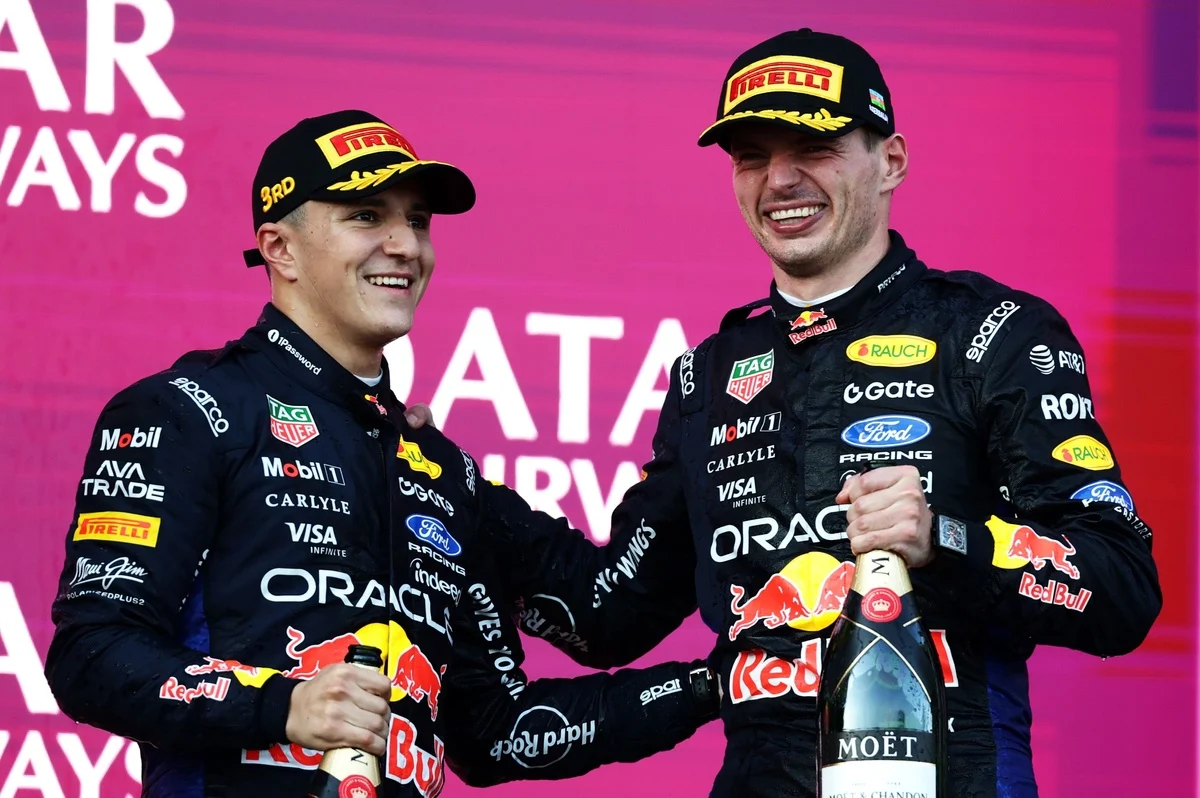
 Raul Delapena Setiawan
 Azzam Bilal Chamdy
 Laily UPN
 Siti Muinah