
 Muslim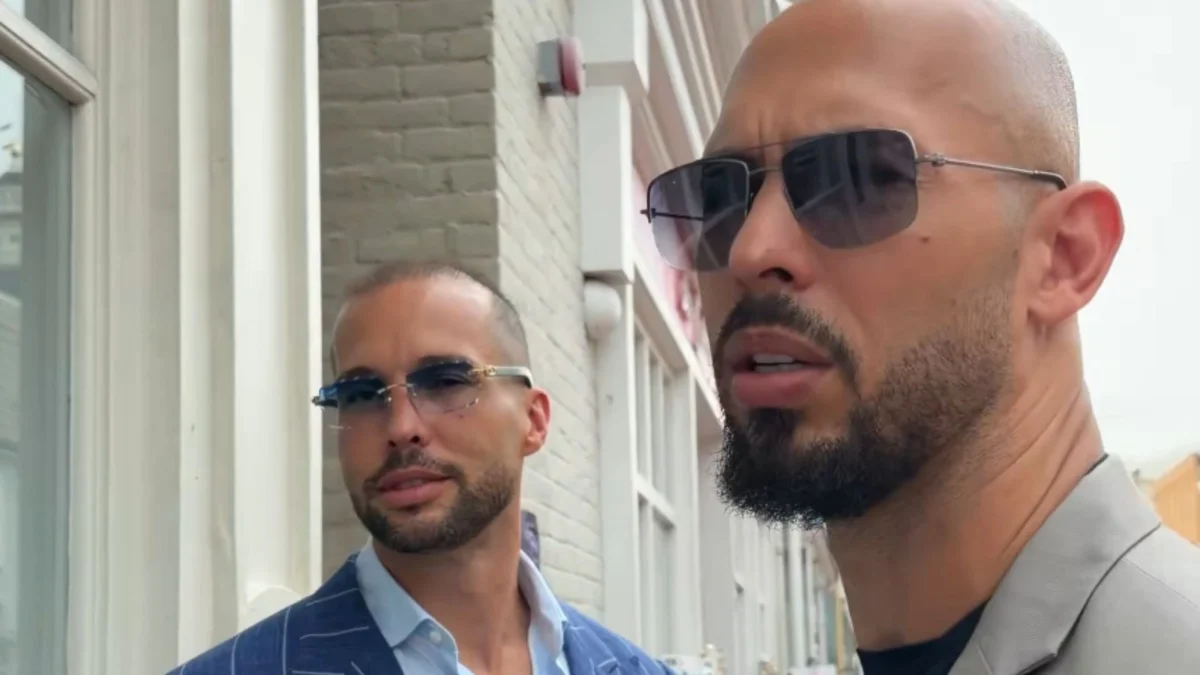
MIAMI, FL – The legal jeopardy surrounding brothers Andrew and Tristan Tate has reached a critical, international inflection point. On July 18, 2026, the United States Marshals Service apprehended the brothers in Miami, Florida, acting on an urgent request linked to a sweeping series of criminal charges authorized by the United Kingdom’s Crown Prosecution Service (CPS). This arrest marks a significant escalation in a long-standing investigation into allegations of sexual offenses, trafficking, and child exploitation, pulling the controversial social media figures into the American judicial system while their ongoing legal battles in Romania continue to unfold.
The Arrest and the New Charges: A Massive Legal Expansion
The apprehension in Miami comes on the heels of the CPS authorizing 38 new criminal charges against the brothers. These charges are the result of an exhaustive, multi-year investigation spearheaded by the Bedfordshire, Cambridgeshire, and Hertfordshire Major Crime Unit. The investigation, which initially focused on allegations dating back to 2012, has since expanded significantly following new testimonies and forensic evidence provided to both the Bedfordshire Police and the Hertfordshire Constabulary.
According to official court documents, these new charges relate to four additional alleged victims, bringing the total count of alleged victims in this specific British case to seven. The timeline of the alleged offending spans from July 2010 to August 2017.
Breakdown of the Charges
The severity and scope of the accusations have grown substantially. The brothers, who have long maintained their innocence, now face a combined total of 59 charges across their British indictments:
- Andrew Tate (39): He now faces seven additional counts of rape, three counts of arranging or facilitating trafficking for sexual exploitation, three counts of assault occasioning actual bodily harm, and a staggering 19 charges relating to the possession and distribution of indecent images of a child, alongside other related offenses. This brings his total count in this case to 42.
- Tristan Tate (38): He is now charged with one count of sexual assault, two counts of rape, and three counts of arranging or facilitating trafficking for sexual exploitation. This brings his total count in this case to 17.
Chronology of a Multi-Jurisdictional Investigation
To understand the gravity of the July 2026 developments, one must look at the timeline that brought the brothers to this point.
2010–2017: The period identified by the CPS as the window in which the alleged crimes took place.
December 2022: The Tates are initially arrested in Romania on separate allegations of human trafficking, rape, and forming an organized criminal gang. That case remains active and is currently moving through the Romanian court system.
2023–2025: As the Romanian trial progressed, British authorities intensified their own investigations. Bedfordshire Police worked to compile evidence from multiple complainants, coordinating with regional crime units to build a robust evidentiary file.
July 2026: The Crown Prosecution Service formally authorizes the 38 new charges. Within hours, US Marshals act in Miami to take the brothers into custody, preventing any potential flight and initiating the extradition process.
The Extradition Process: A Tug-of-War
Following the arrests in Miami, the Crown Prosecution Service has confirmed that it is formally seeking the extradition of both Andrew and Tristan Tate to the United Kingdom. The extradition process is expected to be complex and lengthy, given the brothers’ current legal entanglements in Eastern Europe.
The CPS has signaled that it intends to try the brothers for the original 21 charges alongside the newly authorized 38. The diplomatic and legal logistics of extraditing suspects who are simultaneously under the jurisdiction of a Romanian court and now in the custody of the United States present a unique challenge for international law enforcement.
Official Responses and Judicial Context
The response from British authorities has been resolute, emphasizing that the legal process will be thorough and fair.
CPS Statement
Malcolm McHaffie, Head of the Special Crime Division at the CPS, addressed the public following the filing of the charges. "These charging decisions followed the receipt of a further file of evidence from Bedfordshire Police and bring the total number of alleged victims in this case to seven," McHaffie stated. He explicitly noted the necessity of maintaining the integrity of the judicial process: "The Crown Prosecution Service reminds everyone that criminal proceedings are active, and that these defendants have the right to a fair trial."
Bedfordshire Police Statement
Assistant Chief Constable Karena Thomas, representing the force leading the investigation, reinforced the institution’s commitment to the victims. "There is no place for male violence against women and girls," Thomas said. "We will continue to work tirelessly to support victims and investigate all reports made to us." The police have highlighted that the expansion of the case to include 59 charges was only possible through the cooperation of survivors who felt empowered to come forward in the years following the initial reports.
Implications: A Global Legal Storm
The arrest in Miami has sent shockwaves through the digital and legal spheres. The implications of this event are threefold:
1. The Intersection of International Jurisdictions
The Tates are effectively being pursued by three different judicial systems: the Romanian authorities (regarding the 2022 case), the British Crown Prosecution Service (regarding the 2010–2017 allegations), and the US Federal system (which is currently facilitating the extradition). This creates a "legal bottleneck" where the Tates may find themselves transferred between countries, significantly complicating their defense strategy and potentially keeping them in custody for the foreseeable future.
2. The Impact on the "Tate Brand"
For years, the Tate brothers have utilized their online presence to build a massive global following, often framing their legal troubles as a "matrix-led" conspiracy against them. However, the sheer volume of specific, documented charges—now totaling nearly 60 in the UK alone—makes this narrative increasingly difficult to maintain in a court of law. As legal proceedings move into more formal, evidence-heavy phases, the brothers’ ability to rely on social media rhetoric to sway public opinion is expected to be severely curtailed by the realities of the courtroom.
3. The Future of the Victims’ Pursuit of Justice
For the seven alleged victims in the British case, the arrest in Miami is a milestone. The fact that the CPS felt confident enough to increase the number of charges suggests that the evidence gathered by the Bedfordshire, Cambridgeshire, and Hertfordshire Major Crime Unit is significant. The case serves as a test of the international legal community’s ability to prosecute high-profile figures for historical sexual offenses, regardless of the defendants’ wealth, celebrity, or ability to relocate between continents.
Conclusion
As the legal proceedings in Miami begin, the world watches to see how the extradition process will unfold. For the Tate brothers, the landscape has shifted from a defense against Romanian charges to a multi-front war against the British justice system.
The complexity of the charges—ranging from physical assault to the dissemination of indecent images—reflects a comprehensive investigative effort that has spanned over a decade of activity. Whether or not these charges will lead to a conviction remains for the courts to decide, but the arrest in Florida serves as a clear indication that authorities in the United Kingdom are determined to bring these matters to a definitive conclusion.
As the case continues, the focus will remain on the courtroom, where the legal standards of evidence, the testimony of the seven complainants, and the fundamental rights of the defendants will be weighed. In the wake of these arrests, the Tate saga has entered its most consequential chapter yet, signaling that even those who operate on a global stage are not beyond the reach of the law.


 Siti Muinah
 Nana Wu
 Neng Nana

 Lina Hope

 Sagoh
Sagoh
 Iffa Jayyana