
 Layla Zulfa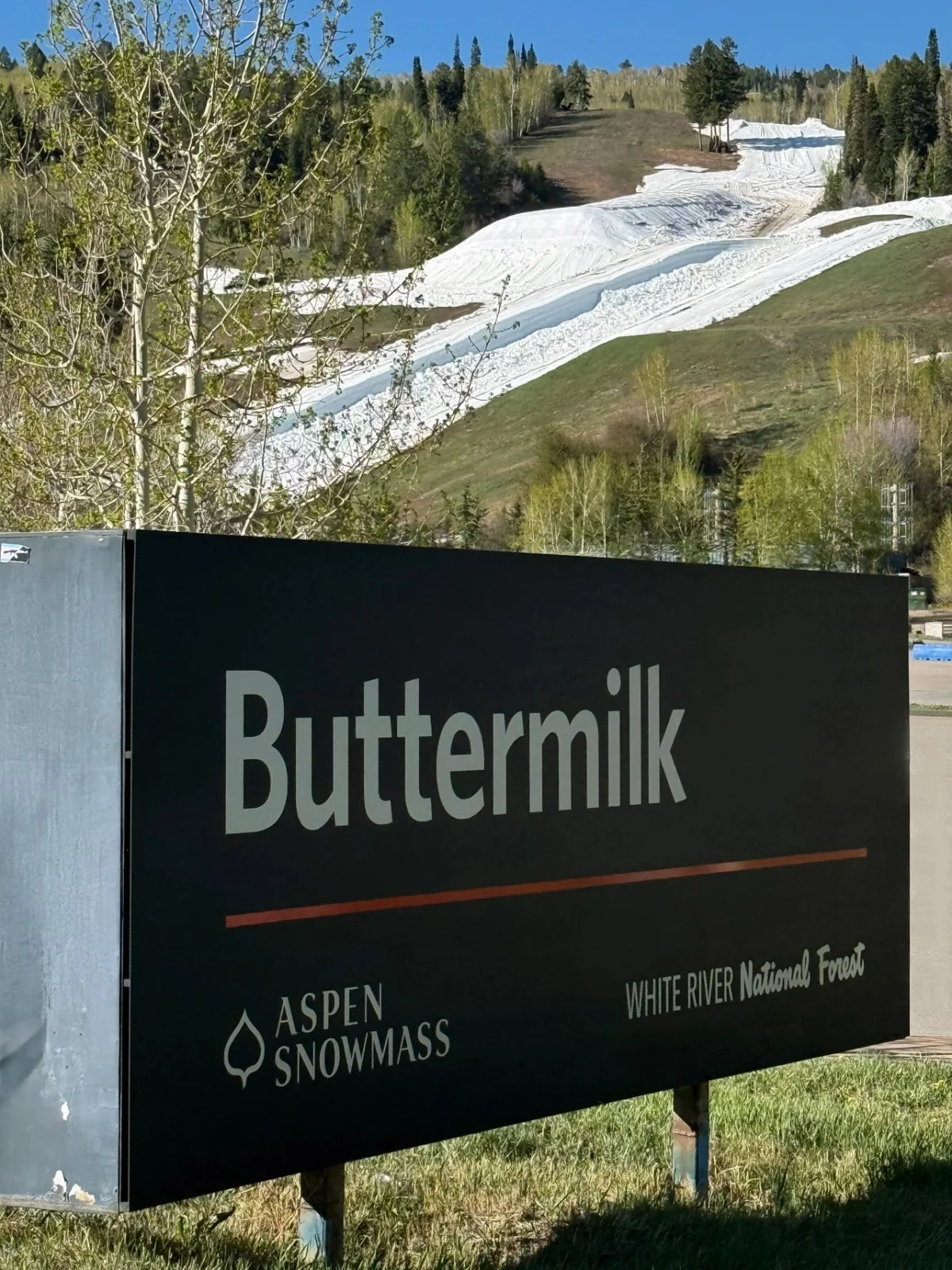
For decades, the rhythm of the ski industry has been dictated by the whims of the atmosphere. Resorts have lived and died by the arrival of the first autumnal cold front and the reliability of mid-winter storms. However, a seismic shift in operational philosophy is taking root across North America, turning the old adage that "you can’t fight Mother Nature" on its head.
As of July 2026, the Finnish innovation firm Snow Secure has expanded its footprint to over 20 major ski areas across the continent. By utilizing high-tech insulation to "farm" snow through the sweltering heat of summer, resorts are no longer merely hoping for a white Christmas—they are manufacturing it months in advance.
The Science of Survival: How Snow Farming Works
At first glance, the technology seems deceptively simple, bordering on the primitive. Yet, the engineering behind Snow Secure is a masterclass in thermal dynamics. The process relies on thick, durable sheets of extruded polystyrene—the same high-grade insulating material utilized in the construction of energy-efficient homes across Scandinavia.
These blankets, ranging from two to three inches in thickness, are draped over massive, meticulously groomed piles of man-made snow at the end of the spring season. Once covered, these piles become isolated ecosystems. The blankets act as a barrier against solar radiation and ambient air temperatures, which, in many North American resort towns, can reach triple digits during the summer months.
Sensors embedded within the snow piles provide real-time data to resort operators. Despite the exterior heat, the internal temperature beneath the insulation rarely climbs above 35 degrees Fahrenheit. This allows the snow to remain in a stable, frozen state throughout the summer, with total volume loss typically held to less than 30 percent—a figure that was once considered impossible by industry standards.
Chronology of an Industry Shift
The practice of "snow farming" is not entirely new, but its widespread adoption in North America marks a significant departure from traditional resort management.
- The Nordic Roots: The technology was pioneered in Finland, where resorts like Levi Ski Resort began experimenting with long-term snow storage to ensure early-season race training and opening dates. Levi’s success, which involved storing over 250,000 cubic meters of snow, served as the proof-of-concept that eventually drew the attention of global stakeholders.
- The Canadian Pilot: In 2025, Sun Peaks Resort in British Columbia became the first Canadian ski area to integrate Snow Secure technology. By preserving snow through the summer of 2025, the resort successfully opened its premier race venue in early November, regardless of the unseasonably warm autumn weather.
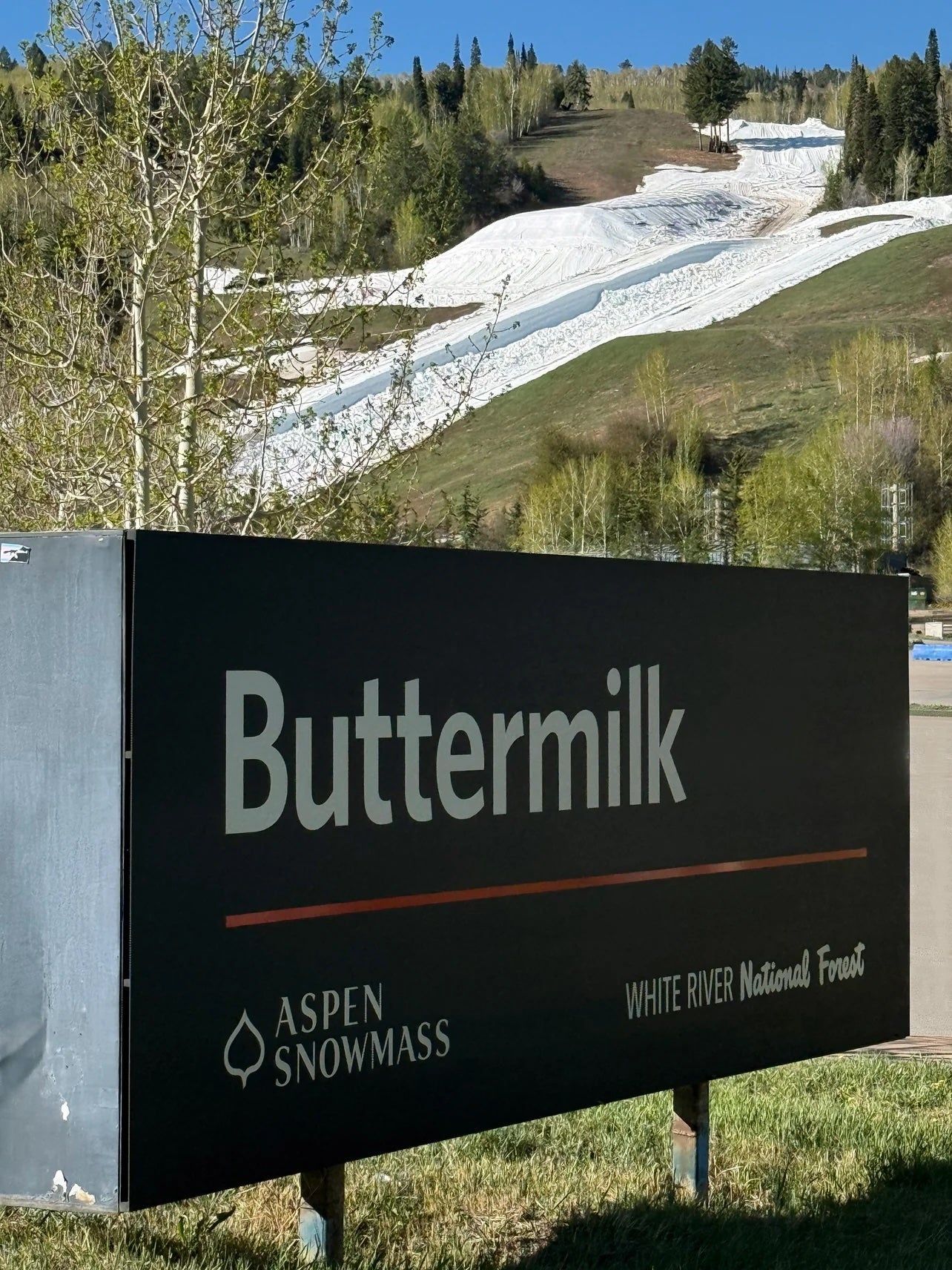
- The Colorado Expansion: As of mid-2026, the trend has migrated south to the heart of the American Rockies. Aspen Snowmass, one of the world’s most prestigious mountain destinations, is currently utilizing Snow Secure blankets to protect its man-made snow reserves, signaling a new era for Colorado’s high-altitude resorts.
Supporting Data: Efficiency and Water Conservation
The implications of this technology extend far beyond the convenience of a scheduled opening day. Sustainability has become the primary driver for many of the resorts adopting these measures.
Reducing the Water Footprint
Traditional snowmaking is an energy and water-intensive process. During the "shoulder season"—the period between late autumn and early winter—resorts often pump millions of gallons of water into snow guns to build a base. This period often coincides with lower water tables and higher energy costs. By preserving snow from the previous season, resorts can significantly reduce their reliance on early-season snowmaking, effectively cutting their water and electricity consumption by a substantial margin.
Mitigating Economic Volatility
The economic data supporting the adoption of snow blankets is compelling. During the 2025-2026 winter season, more than two dozen major resorts across North America were forced to delay their opening dates due to unpredictable weather patterns and "warm spells." For a resort, a two-week delay in opening can result in millions of dollars in lost revenue, not only in lift ticket sales but also in retail, hospitality, and ski school bookings. Snow farming serves as an insurance policy against the unpredictable "start-stop" nature of modern winters.
Official Responses and Industry Outlook
The reception among resort operators has been largely enthusiastic.
"We are moving from a reactive model to a proactive one," said a spokesperson for a participating Colorado resort. "For years, we were at the mercy of the calendar. Now, we are managing our assets with the same precision we apply to lift maintenance or trail grooming. It’s about operational certainty."
However, environmental groups and climate scientists maintain a nuanced perspective. While they acknowledge the efficiency of snow farming, they caution against viewing it as a panacea for the broader issues of global climate change.
"It is a brilliant engineering solution for the short-term preservation of the industry," noted Dr. Elena Vance, a climate researcher specializing in mountain ecosystems. "It helps resorts adapt to a changing climate by buying them time and reducing the stress on local water supplies. However, it does not address the fundamental, long-term trend of rising mean global temperatures. It is a mitigation strategy, not a cure."
Implications for the Future of Skiing
As the 2026-2027 season approaches, the presence of these white, blanketed mounds at the base of mountains is becoming a common sight. The implications of this trend are multifaceted:
The Changing Guest Experience
For the average skier, the source of the snow is irrelevant so long as the quality remains high. However, the use of stored, "aged" snow often results in a base that is denser and more durable than freshly blown snow. This provides a more stable surface for early-season training and terrain park features, potentially leading to higher-quality conditions during the early weeks of the season.
Competitive Advantages
Resorts that adopt snow farming are positioning themselves as reliable destinations for professional athletes and training teams. By guaranteeing a race-ready surface in early November, these resorts can secure early-season tourism revenue that might otherwise be lost to international travel or postponed indefinitely.
A New Standard for Sustainability
The industry is under increasing pressure to demonstrate environmental stewardship. The shift toward snow preservation is a visible, measurable step toward reducing the carbon footprint of mountain tourism. By lowering the demand for massive, late-autumn energy spikes to power snowmaking equipment, resorts are aligning their operations with the growing consumer demand for sustainable practices.
Conclusion: Adapting to an Uncertain Horizon
The arrival of Snow Secure in North America represents a pragmatic response to a changing environment. While the sight of massive, insulated snow piles might seem like a dystopian image of a warming world, it is, in reality, a testament to human ingenuity.
The ski industry is inherently linked to the climate, and as that climate becomes more volatile, the industry must evolve to survive. By "farming" the winter to save it, resorts are ensuring that the sport can continue to thrive, even when the thermometer suggests otherwise. Whether this trend will eventually become a standard operating procedure for every major resort remains to be seen, but for now, the message is clear: in the high-stakes game of modern mountain management, the ability to store the winter is the ultimate competitive advantage.

 Iffa Jayyana
 Azzam Bilal Chamdy
 Neng Nana
 Nana Wu
 Lina Hope

 Sagoh
Sagoh