
 Muslim
Updated September 24, 2026
For decades, the multi-mountain ski pass landscape has been dominated by a duopoly. Mention ski passes to most enthusiasts, and their minds immediately jump to the heavyweight titans: the Epic Pass and the Ikon Pass. These corporate-backed behemoths have redefined destination skiing, allowing travelers to hop from Vail to Whistler, or Steamboat to Jackson Hole, on a single piece of plastic.
Yet, for an avid skier constantly hunting for the intersection of value, lower crowds, and regional accessibility, a compelling alternative exists largely outside the national spotlight: the Power Pass.
While the Epic and Ikon passes target the global destination market, the Power Pass takes a decidedly localized, regional approach. Centered heavily across the American Southwest, it offers a distinct proposition. Whether it represents a bargain or a misfire depends entirely on a skier’s geography, travel style, and appetite for the unpretentious charm of smaller mountain resorts.
Main Facts: What Is the Power Pass and Where Does It Go?
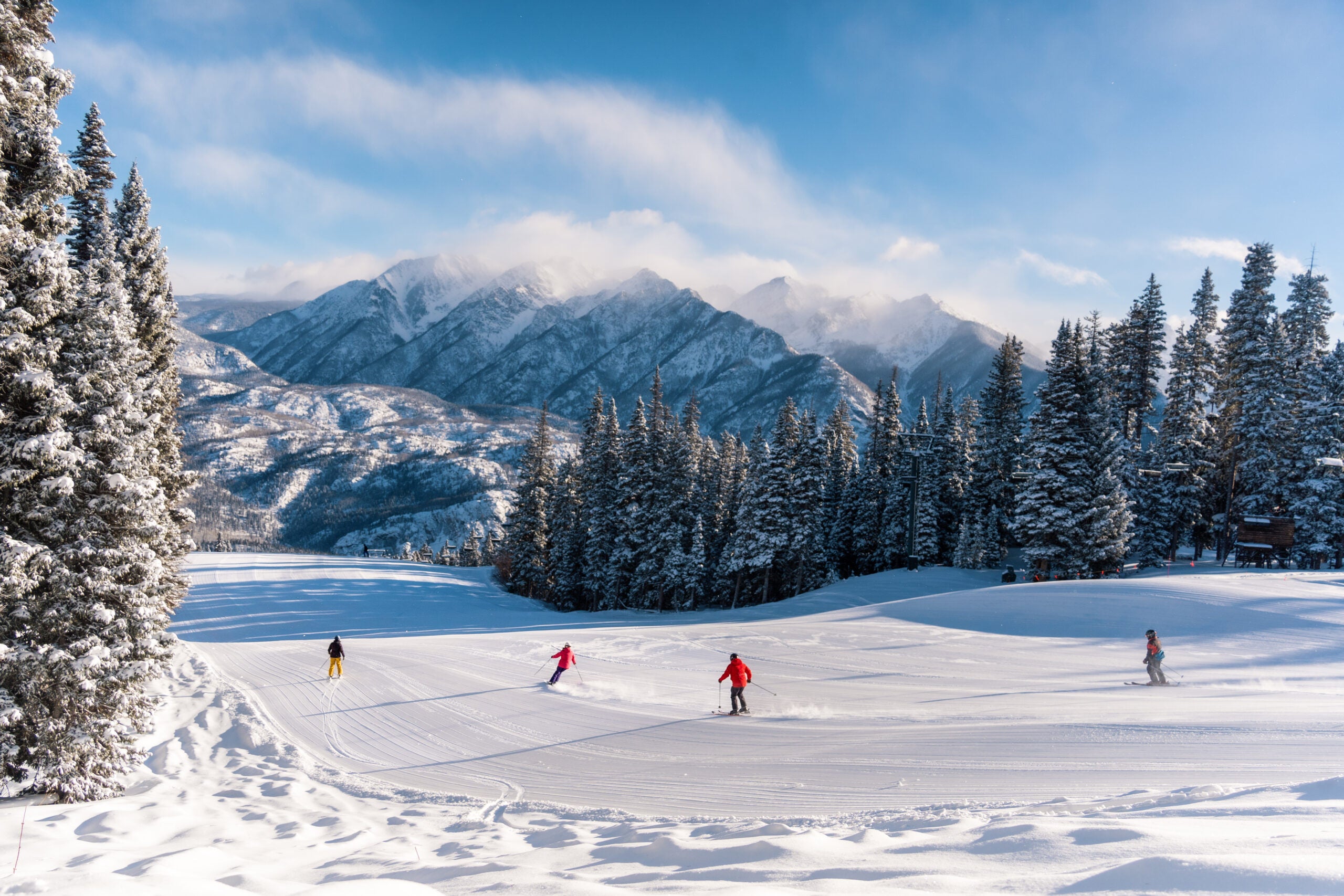
Operated by Mountain Capital Partners (MCP), the Power Pass is a multi-mountain season pass engineered with a strong Southwest footprint. Unlike passes that focus on mega-resorts in the Pacific Northwest, Canada, or the Central Rockies, the Power Pass anchors itself in Colorado, Arizona, Utah, New Mexico, Nevada, and Oregon.
The full-tier Power Pass grants unlimited, blackout-free access to a diverse portfolio of ski areas. The roster includes:
- Colorado: Purgatory Resort
- Arizona: Arizona Snowbowl
- Utah: Brian Head, Nordic Valley
- New Mexico: Sipapu, Pajarito
- Nevada: Lee Canyon
- Oregon: Willamette Pass
- New Mexico/Texas border region: Sandia Peak
The geographic footprint extends well beyond the continental United States. Passholders gain access to Valle Nevado and La Parva in the Chilean Andes—opening up a backdoor to skiing during the Northern Hemisphere’s summer months. Furthermore, the pass scales across seasons, offering warm-weather mountain biking privileges at Spider Mountain Bike Park in Texas.
Chronology: The Evolution of Regional Passes vs. Mega-Corporations
To understand the current positioning of the Power Pass, it is helpful to look at the timeline of how North American skiing consolidated:

- The Pre-2010s Era: Skiing was largely defined by individual resort season passes or expensive regional joint-passes. Sk skiers committed to a single mountain, and road trips required purchasing separate day lift tickets at every stop.
- The Epic and Ikon Disruption: Vail Resorts introduced the Epic Pass in 2008, fundamentally changing consumer expectations. Alterra Mountain Company followed years later with the Ikon Pass. Suddenly, millions of skiers gravitated toward mega-resorts, causing skyrocketing destination crowding.
- The Rise of Independent Cooperatives: As mega-passes consolidated the industry, regional networks like the Powder Alliance and independent operators realized they needed to pool resources.
- Recent Years (2023–2026): Mountain Capital Partners aggressively expanded the Power Pass ecosystem, acquiring and modernizing smaller, overlooked regional ski areas like Willamette Pass in Oregon and Sandia Peak in New Mexico. By investing in snowmaking, infrastructure, and cross-hemisphere partnerships (such as Chile’s Valle Nevado), MCP transformed the Power Pass from a localized Colorado-Arizona ticket into a robust regional contender with international flair.
Supporting Data: Weather Forecasts and Demographics for the 2026–2027 Season
As skiers weigh their pass purchases, seasonal meteorology plays a heavy psychological and financial role. The winter outlook for the upcoming season introduces a fascinating variable for the Power Pass’s primary geography.
According to OpenSnow meteorologist Sam Collentine, who spoke with SKI, this season’s weather patterns are heavily influenced by shifting climatic signals. "The effects of El Niño appear to show a mixed bag for much of the Western United States, with the strongest signal being average to above-average snowfall for the Southwest," Collentine noted.
If this meteorological pattern holds, southern Colorado, New Mexico, and Arizona could experience an active southern storm track. Historically, this dynamic dumps significant moisture on resorts like Arizona Snowbowl, Purgatory, and Sipapu.
However, meteorologists urge caution against buying passes based solely on long-range forecasts. Collentine emphasizes that broad weather patterns do not guarantee localized snow totals at individual mountains, and historical El Niño trends "don’t hold 100 percent of the time."
Beyond weather data, demographic and financial metrics heavily favor families and regional road-trippers on the Power Pass. Notably, children ages 12 and under ski completely free on the full Power Pass. In an era where daily lift tickets at major destination resorts routinely eclipse $250 to $300, the free-child incentive drastically skews the value equation for families.
Official Responses and Industry Perspectives
Ski industry analysts and resort operators point out that the Power Pass is not trying to beat Epic and Ikon at their own game. Instead, it serves a fundamentally different consumer base.
"There are obvious advantages to choosing a major destination mountain: more terrain, extensive amenities, and easier access for travelers flying in for a ski vacation," notes industry commentary. "The Power Pass is built around a different kind of ski trip."
Rather than offering 8,000 acres of interconnected alpine bowls and luxury base villages with high-end boutiques, MCP’s resorts lean into accessibility, community, and affordability. Executives at Mountain Capital Partners have consistently framed their strategy around protecting and revitalizing smaller, community-centric ski areas that might otherwise struggle to survive in an era dominated by corporate ski tourism.

Partner resorts on the pass also benefit from this cross-pollination. Full passholders receive three complimentary days each at independent favorites like Monarch Mountain, Sundance, and Loveland, bridging the gap between MCP-owned properties and other beloved regional ski hubs.
Implications: Who Benefits Most from the Power Pass?
Ultimately, evaluating the Power Pass comes down to a hard, realistic look at logistics and skiing habits.
The Pros of Choosing Regional over Mega
- Reduced Crowds and Shorter Lines: Smaller mountains typically feature significantly shorter lift lines. Even on powder days, fresh snow tends to stick around for hours rather than being tracked out in minutes.
- Navigability and Family Friendliness: For families with young children, compact resorts prevent the exhaustion of navigating massive, sprawling trail maps. It is harder to lose track of family members when the resort layout naturally funnels everyone back to a single base area.
- Local Character: Smaller regional hills retain a distinct, unpretentious ski-town culture that corporate destination resorts often smooth away in favor of homogenized luxury.
The Drawbacks
- Terrain Limitations: Advanced and expert skiers who demand endless steep chutes, multi-thousand-vertical-foot descents, and high-speed express lifts blanketing every ridge may find themselves exhausting a smaller mountain’s terrain catalog within a weekend.
- Infrastructure and Amenities: Dining, lodging, and off-mountain entertainment options are sparse compared to places like Vail, Aspen, or Park City.
- Geographic Constraints: If you do not live within driving distance of the Southwest or Pacific Northwest, or if you aren’t planning a specialized road trip through these regions, the pass loses its financial justification.
The Verdict
The Power Pass is not a secret, budget-friendly loophole designed to replace the Epic or Ikon passes for cross-country destination travelers. If you live on the East Coast and plan to fly out West for one weeklong annual ski vacation, paying for airfare, car rentals, and lodging near a major resort will likely make a national pass a safer bet.
However, for skiers based in Arizona, New Mexico, Utah, Colorado, or southern California who love weekend road trips, value family-friendly pricing, and prefer the soul of a smaller mountain over the corporate hustle of a mega-resort, the Power Pass isn’t just an alternative—it’s an upgrade.

 Evan Lee Salim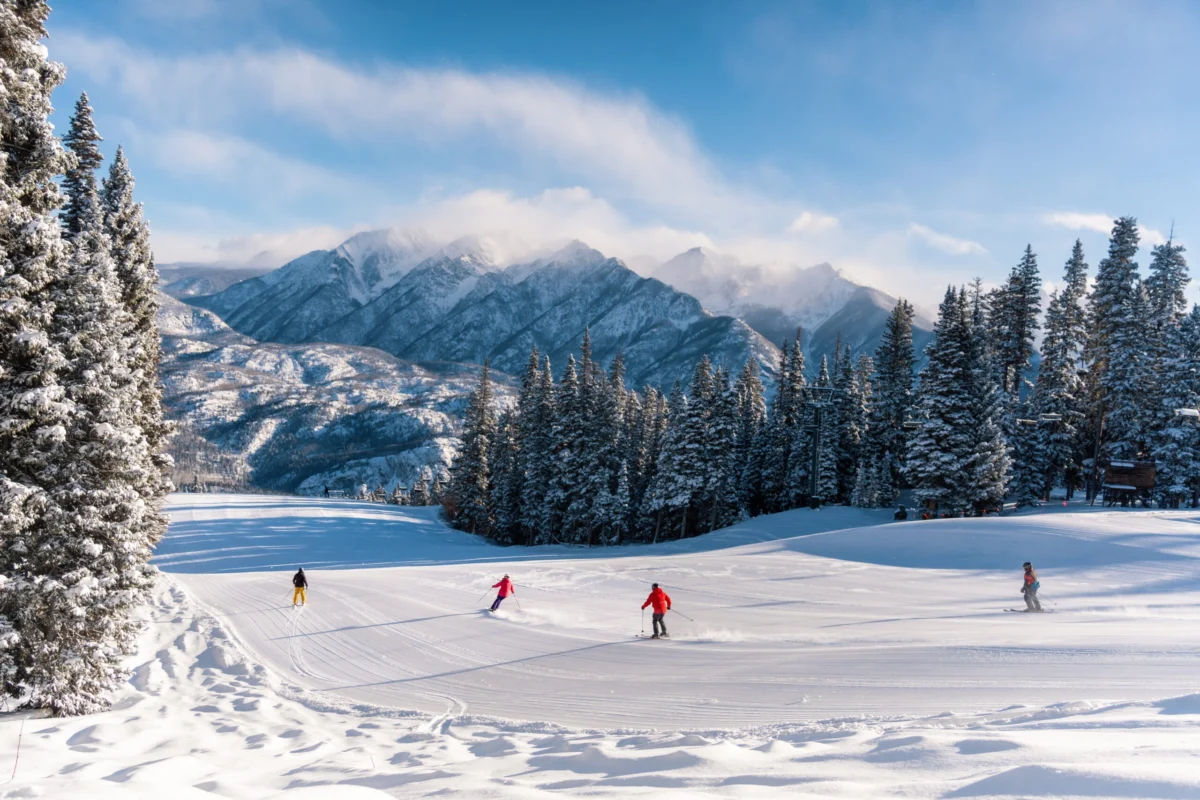
 Reynand Wu


 Pevita Pearce
 Laily UPN

 Siti Muinah