
 Nila Kartika Wati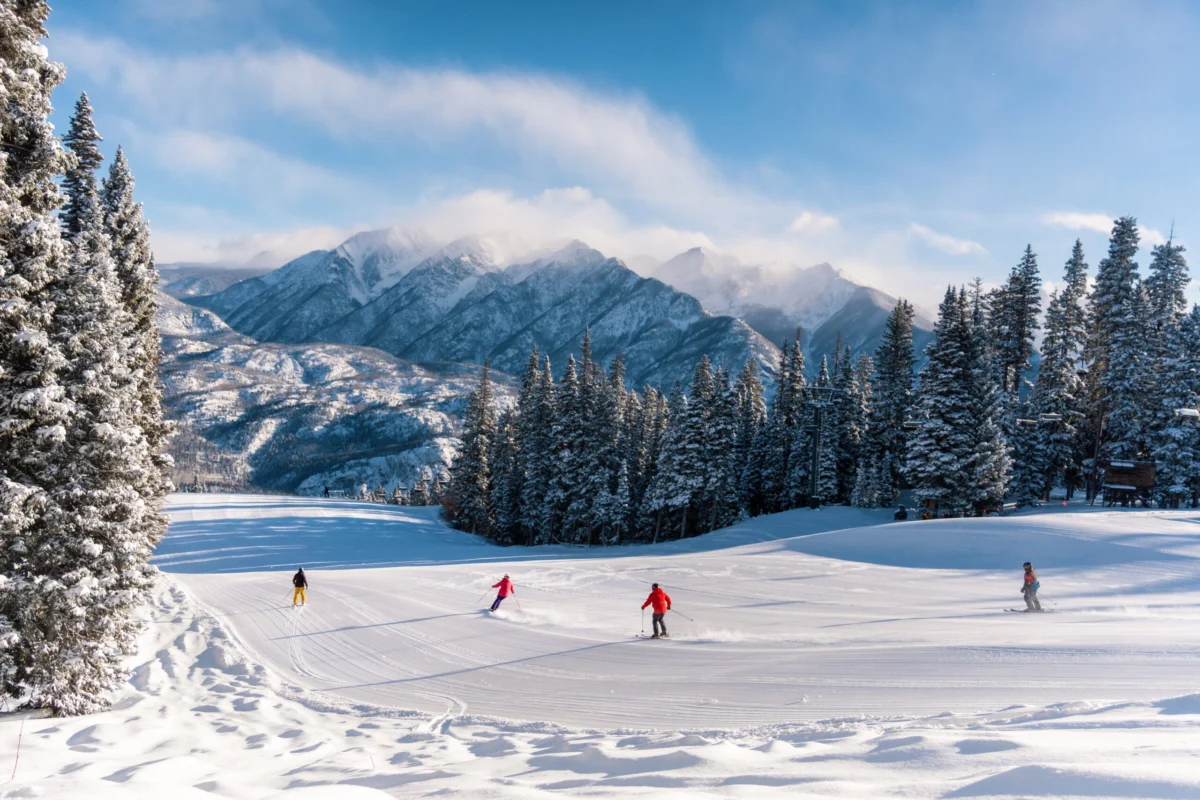
Updated: September 24, 2026
By: Industry Analysis Desk
For the better part of two decades, the global ski pass conversation has been dominated by a hyper-consolidated duopoly. Between the Epic Pass and the Ikon Pass, millions of skiers have grown accustomed to a homogenized menu of mega-resorts, sprawling base villages, high-speed gondolas, and international travel loops. For many, these destination giants represent the gold standard of ski industry value.
Yet, as lift ticket prices continue to scale upward and the crowds at marquee Colorado, Utah, and California resorts swell into gridlock, a growing segment of skiers is casting a wider net. Among the alternatives, one multi-mountain product consistently flies under the national radar while commanding fierce regional loyalty: the Power Pass.
Operated by Mountain Capital Partners (MCP), the Power Pass is engineered around a fundamentally different philosophy than its heavy-hitting competitors. Centered primarily on the American Southwest, it trades the corporate gloss of mega-resorts for a network of regional, community-driven mountains. As the industry looks toward the upcoming winter season, an analysis of the Power Pass reveals a compelling case study in regional pass utility, shifting consumer preferences, and the enduring charm of the smaller-scale ski experience.
Main Facts: Deconstructing the Power Pass Network
At its core, the Power Pass is a multi-mountain winter and summer access product designed to capture a distinct geographic footprint. Unlike the Epic or Ikon passes, which are built to serve globetrotting destination travelers, the Power Pass is anchored locally across Colorado, Arizona, Utah, New Mexico, Nevada, and Oregon.
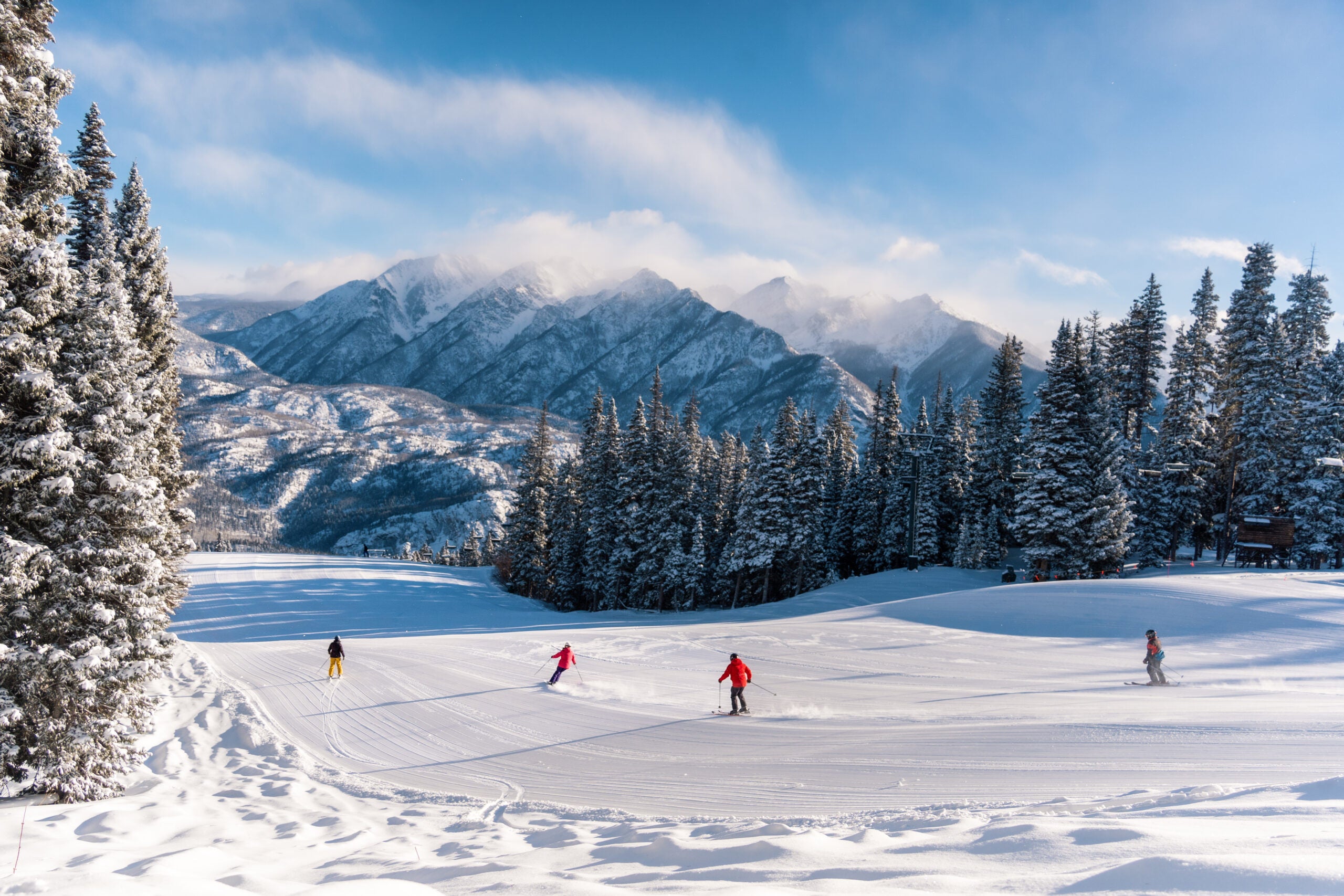
The full, unrestricted pass grants unlimited skiing and snowboarding with zero blackout dates across a diverse roster of participating properties:
- Colorado: Purgatory Resort
- Arizona: Arizona Snowbowl
- Utah: Brian Head Resort, Nordic Valley
- New Mexico: Sipapu, Pajarito
- Nevada: Lee Canyon
- Oregon: Willamette Pass
- New Mexico / Regional: Sandia Peak
The footprint does not stop at the continental United States. In a strategic play that appeals to both powder hounds seeking endless winter and digital nomads, the full pass extends international access southward to Valle Nevado and La Parva in the Chilean Andes. This inclusion unlocks the possibility of skiing during the Northern Hemisphere’s summer months. Furthermore, the pass bridges the seasonal gap by offering warm-weather perks, notably mountain biking access at Spider Mountain Bike Park in Texas.
Chronology: The Evolution of Regional Multi-Mountain Access
To understand the current positioning of the Power Pass, it is necessary to look at how the ski industry’s pass landscape has evolved over the past fifteen years:
- Pre-2010s: The ski pass market was largely fragmented. Most skiers purchased traditional season passes tied to a single mountain or a hyper-local cooperative of two or three independent hills.
- The Mega-Pass Era (2012–2020): Vail Resorts introduced and aggressively expanded the Epic Pass, soon followed by Alterra Mountain Company’s launch of the Ikon Pass. Regional independent ski areas faced mounting pressure to join these conglomerates or risk irrelevance as pass sales cannibalized single-mountain ticket windows.
- The Rise of Independent Consolidators (2020–Present): Independent operators like Mountain Capital Partners began acquiring and consolidating smaller, neglected regional assets. By banding these smaller resorts together under a unified regional pass like the Power Pass, operators created a viable counter-ecosystem that targeted drive-market consumers rather than jet-setting tourists.
- Fall 2026 Outlook: As the industry prepares for the 2026–2027 winter season, the Power Pass has refined its roster, leaning heavily into its Southwest stronghold while bolstering family-friendly incentives, such as free skiing for children aged 12 and under on full tier passes.
Supporting Data: Weather Outlooks, Demographics, and Economics
Evaluating the true value of any ski pass requires examining the intersection of meteorological forecasts, geographic convenience, and demographic economics.
The 2026–2027 Winter Weather Forecast
Weather patterns play a pivotal role in the viability of a regional pass. For the upcoming season, meteorologists are closely tracking developing oceanic conditions. Sam Collentine, a meteorologist with OpenSnow, weighed in on the atmospheric indicators shaping the winter outlook.

"The effects of El Niño appear to show a mixed bag for much of the Western United States, with the strongest signal being average to above-average snowfall for the Southwest," Collentine told SKI.
If this meteorological pattern materializes as predicted, southern Colorado, New Mexico, and Arizona could experience an active southern storm track. Such a shift would directly benefit Power Pass resorts like Purgatory, Arizona Snowbowl, Sipapu, and Pajarito, which historically thrive when southern systems push inland.
However, industry experts inject a note of caution. Seasonal forecasts speak in broad climatological probabilities rather than granular guarantees. As Collentine notes, historical El Niño patterns “don’t hold 100 percent of the time,” meaning skiers should treat weather trends as a bonus rather than the sole justification for a pass purchase.
Demographic Sweet Spots: Families and Road-Trippers
The economic calculus of the Power Pass heavily favors specific consumer profiles:
- Families: The inclusion of free skiing for children 12 and under on the full pass significantly lowers the financial barrier to entry for multi-person households—a demographic often priced out of destination mega-pass resorts once family add-ons are tallied.
- The Southwest Road-Tripper: Because the resorts are clustered within sensible driving distances across Arizona, Utah, Colorado, and New Mexico, skiers based in Phoenix, Albuquerque, Denver, or Salt Lake City can string together multi-destination road trips without purchasing expensive flights or paying inflated resort lodging rates.
Official Responses and Industry Perspectives
The conversation surrounding the Power Pass ultimately forces a philosophical debate within the snowsports community: How much monetary and experiential value do skiers place on the mega-resort apparatus?
Industry analysts point out that massive destination resorts—such as Vail, Aspen, or Jackson Hole—offer unmatched infrastructure, sprawling high-speed lift networks, extensive lodging villages, and complex terrain parks. For a traveler flying in from the East Coast for a single, meticulously planned annual ski vacation, these amenities justify the premium price tag of an Epic or Ikon pass.
Conversely, proponents of regional passes argue that mega-resorts come with hidden costs: hours spent navigating massive parking lots, mandatory shuttle rides, congested base areas, and competitive lift lines where fresh powder is tracked out within minutes of the morning bell.
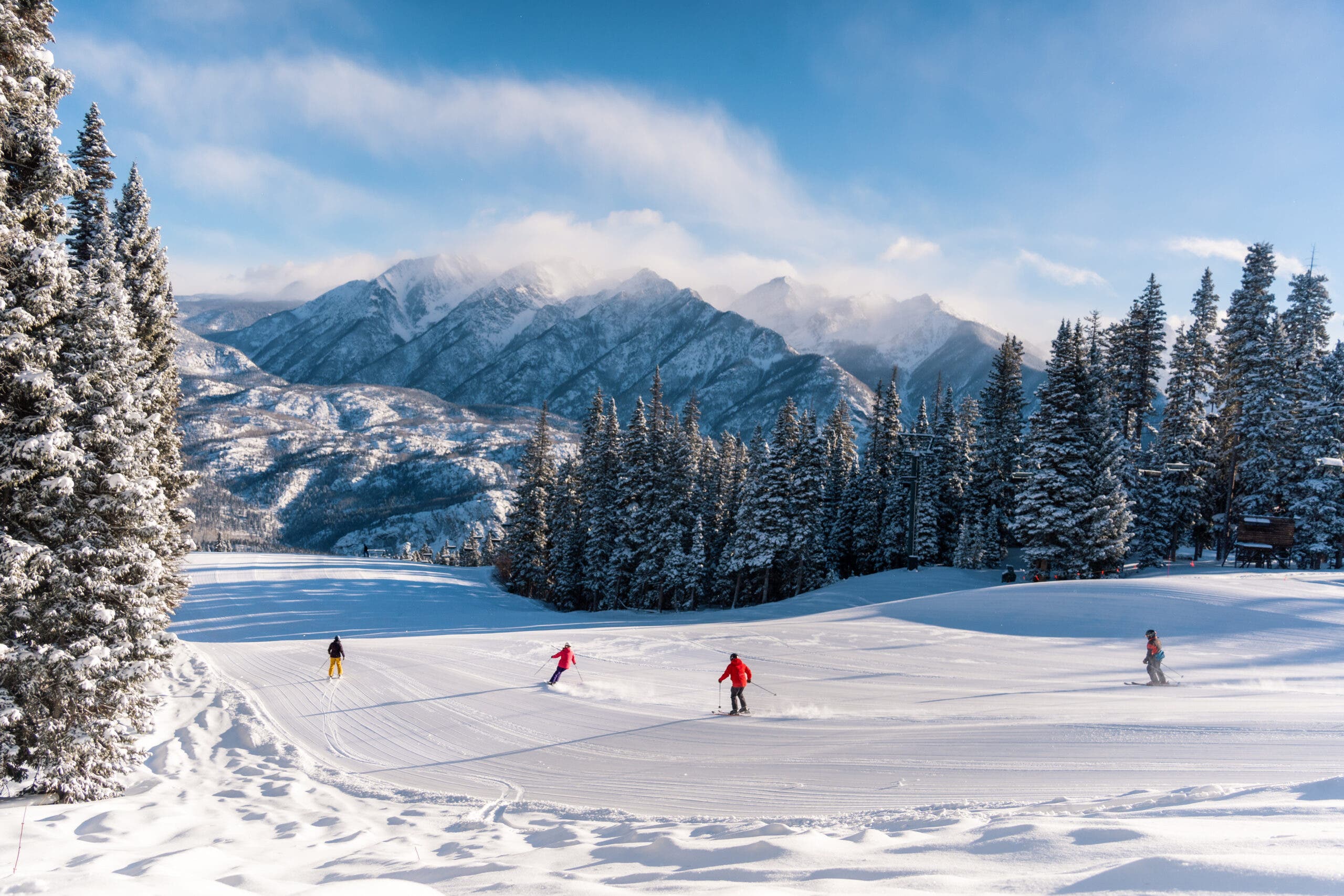
Regional mountains like Brian Head, Nordic Valley, and Lee Canyon offer a starkly different operational reality. While they feature less vertical drop and fewer upscale dining options, they deliver a relaxed, intimate community atmosphere. For families, compact layouts mean parents don’t spend half the day tracking down separated children across thousands of acres of complex alpine terrain. For advanced skiers, lower overall visitor volumes often mean that fresh powder stashes linger hours—or even days—longer than they would at a high-traffic destination resort.
Implications: Who Wins and Who Loses with the Power Pass?
Determining whether the Power Pass represents a bargain or a wasted investment depends entirely on geography, lifestyle, and skiing habits.
When the Power Pass Makes Sense
- Geographic Proximity: If you live within a two-to-six-hour drive of multiple participating Southwest mountains, the pass transitions from a speculative investment to a high-utility asset.
- The Multi-Destination Road-Trip Enthusiast: Skiers who enjoy exploring different regional cultures, smaller mountain towns, and varied terrain across a season will find ample value in the pass’s core lineup.
- Budget-Conscious Families: With children 12 and under skiing free on the full pass tier, families save hundreds—if not thousands—of dollars compared to competing products.
When to Look Elsewhere
- The Destination Flyer: If you reside on the East Coast or Midwest and intend to book a single, week-long luxury ski vacation to a world-class resort, the Power Pass’s core footprint will likely leave you wanting. In this scenario, an Epic or Ikon pass, combined with flight logistics, offers a more cohesive experience.
- The Terrain Maximizer: Skiers who demand thousands of continuous vertical feet, high-alpine bowls, and endless trail variety week after week may find smaller regional hills restrictive over an entire winter season.
The Broader Takeaway
The Power Pass is not an overlooked replacement for the industry’s dominant multi-pass products; rather, it is an entirely different category of tool. By focusing on regional accessibility, community-scale experiences, and practical family economics, Mountain Capital Partners has carved out a sustainable, thriving niche.

As the snowsports landscape continues to grapple with corporate consolidation, products like the Power Pass serve as an important reminder that the heart of skiing often beats loudest far away from the glitz of the mega-resort village—right in the backyard of America’s regional mountains.

 Iffa Jayyana
 Evan Lee Salim
 Sagoh
Sagoh



 Ali Ikhwan
 Dwi Wanna