
 Muslim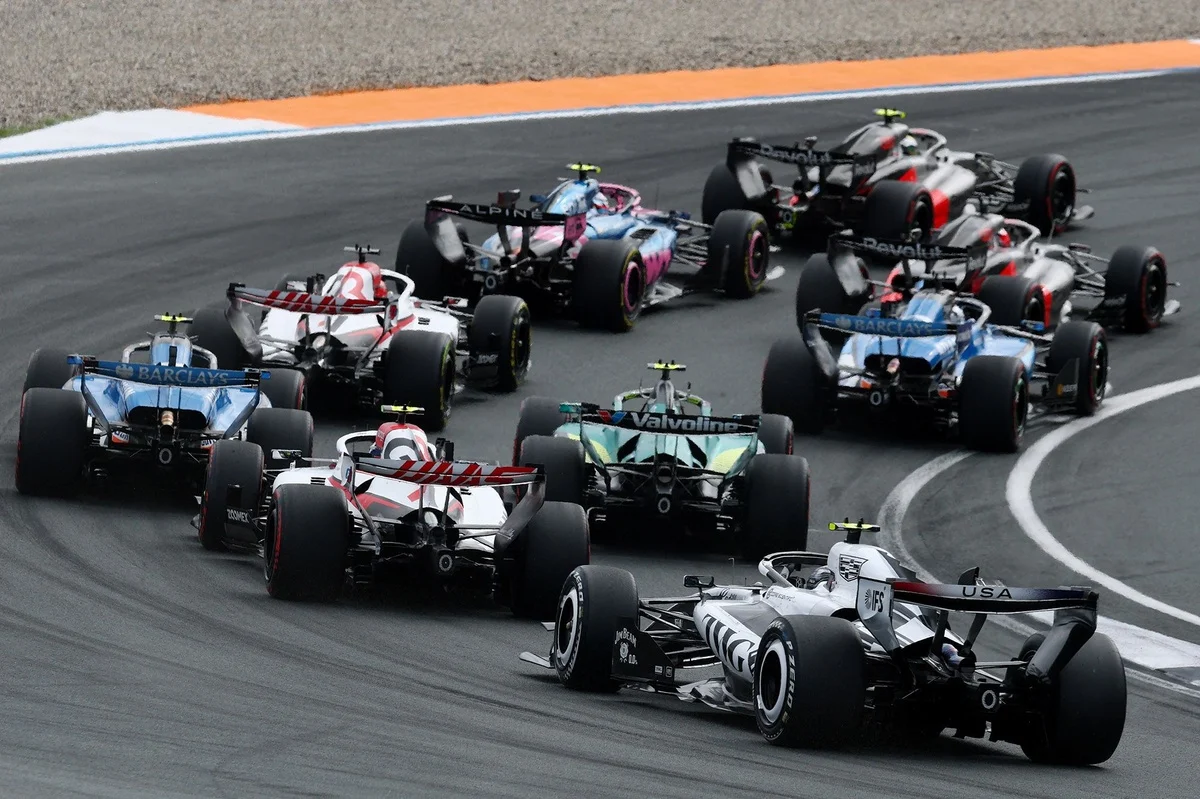
LONDON — Formula 1 is hurtling toward a massive technical and structural evolution. During a pivotal F1 Commission meeting held in London on Monday, stakeholders officially rubber-stamped a wave of sweeping regulatory changes set to take effect for the 2027 season. Among the headline-grabbing decisions is a mandated reduction in Grand Prix race lengths, trimming standard race distances by 15 kilometers to accommodate forthcoming radical shifts in power unit design.
Pending final approval from the Fédération Internationale de l’Automobile’s (FIA) World Motor Sport Council (WMSC), the traditional 305km Grand Prix distance will drop to 290km. While seemingly a minor tweak on paper, this adjustment carries profound implications for chassis design, team strategies, fuel consumption, and spectator logistics.
Beyond race distances, the F1 Commission addressed several critical governance and logistical matters, including a fundamental overhaul of red-flag race-stoppage windows, expanded powers for race directors during disrupted practice sessions, and the unexpected unfreezing of gearbox homologation for 2027.
Main Facts: The 2027 Regulatory Shift
The decision to shorten F1 races from 305km to 290km is directly tied to the sport’s upcoming power unit regulations, which aim to recalibrate the balance between internal combustion and electrical power.
For the 2027 season, F1 power units will see an increased reliance on the internal combustion engine (ICE), with its output scaled up to a formidable 420kW. Concurrently, the maximum power delivered by the electrical MGU-K component will be reduced to 300kW—though a temporary override mode, commonly referred to as "overtake mode," will maintain a 350kW ceiling.
To facilitate this higher output from the ICE, fuel flow rates will be increased by five percent. Rather than forcing teams to redesign their chassis to accommodate larger fuel tanks—an expensive and logistically burdensome undertaking—the FIA and Formula One Management (FOM) elected to shave 15km off the race distance. At most circuits across the global calendar, this will translate to a reduction of roughly three laps per race, mitigating the risk of cars running dry in the closing stages.
However, this is only part of an evolving powertrain roadmap. The regulatory landscape threatens to shift again in 2028, when ICE power is slated to rise further to 450kW alongside a 13 percent increase in fuel flow. This subsequent evolution will establish a 60/40 power split favoring combustion over electric energy, inevitably necessitating larger fuel cells. Whether race distances will revert to their traditional 305km lengths in 2028 remains an open question.
Chronology: How the Decisions Unfolded
The road to Monday’s F1 Commission meeting has been paved by years of technical dialogue between the FIA, FOM, power unit manufacturers, and the ten competing teams.
- The 2022–2025 Era: As modern turbo-hybrid power units matured, concerns grew regarding "superclipping"—a phenomenon where electrical energy is depleted prematurely on long straights, causing cars to lose significant speed before braking zones.
- Mid-2024: Discussions intensified surrounding the 2026/2027 engine regulations. The consensus shifted toward dialing back electrical dependency to create more natural racing, reduce aerodynamic drag from active aero packages, and alleviate the intense energy-harvesting demands placed on drivers.
- Late 2024 to 2025: Detailed simulations revealed that the revised fuel-flow configurations for 2027 would require either heavier, bulkier fuel tanks or a reduction in total race distance. Teams lobbied heavily to avoid expensive chassis redesigns aimed solely at packaging larger fuel cells.
- The Spanish Grand Prix (Mid-Season Event): Operational vulnerabilities in current weekend formats were thrust into the spotlight. Extended red-flag periods during practice sessions—most notably when Lewis Hamilton crashed heavily at Turn 22, requiring 25 minutes of barrier repairs, followed by a late incident involving Ollie Bearman—chopped nearly 35 minutes out of FP3. This highlighted the need for greater regulatory flexibility.
- Monday, London F1 Commission Meeting: Stakeholders officially convened to vote on the package. The proposals regarding the 290km race distance, red-flag timeline overhauls, practice session extensions, and gearbox unfreezing were successfully ratified, subject to WMSC sign-off.
Supporting Data: Technical Specifications and Weekend Metrics
To fully grasp the magnitude of the 2027 changes, it is essential to examine the underlying metrics driving the technical directives:
| Metric / Regulation Area | Current Standard (2025/2026) | Proposed 2027 Standard | Future Outlook (2028 Potential) |
|---|---|---|---|
| Standard Grand Prix Distance | 305 km | 290 km (~3 laps shorter) | Undecided / Under Review |
| Internal Combustion Engine (ICE) | Baseline hybrid output | 420 kW | 450 kW |
| MGU-K (Electrical) Output | High reliance / complex harvesting | 300 kW (350 kW in Overtake Mode) | Further recalibration for 60/40 split |
| Fuel Flow Rate | Baseline homologated flow | +5% increase | +13% increase |
| Race Stoppage Time Window | 3-hour maximum window | Hard stop time based on daylight | Maintained / Optimized |
| Gearbox Homologation | Strictly frozen | Unfrozen (development permitted) | TBD |
The data clearly illustrates a strategic pivot: prioritizing engine development flexibility while tightening operational constraints to keep team spending in check. By unfreezing gearbox homologation for 2027, manufacturers are granted the freedom to optimize their transmissions to match the new power outputs without being locked into legacy designs.
Official Responses and Governance Reworks
Beyond powertrain and chassis metrics, the F1 Commission tackled pressing sporting regulations designed to improve the fan experience and streamline weekend operations.
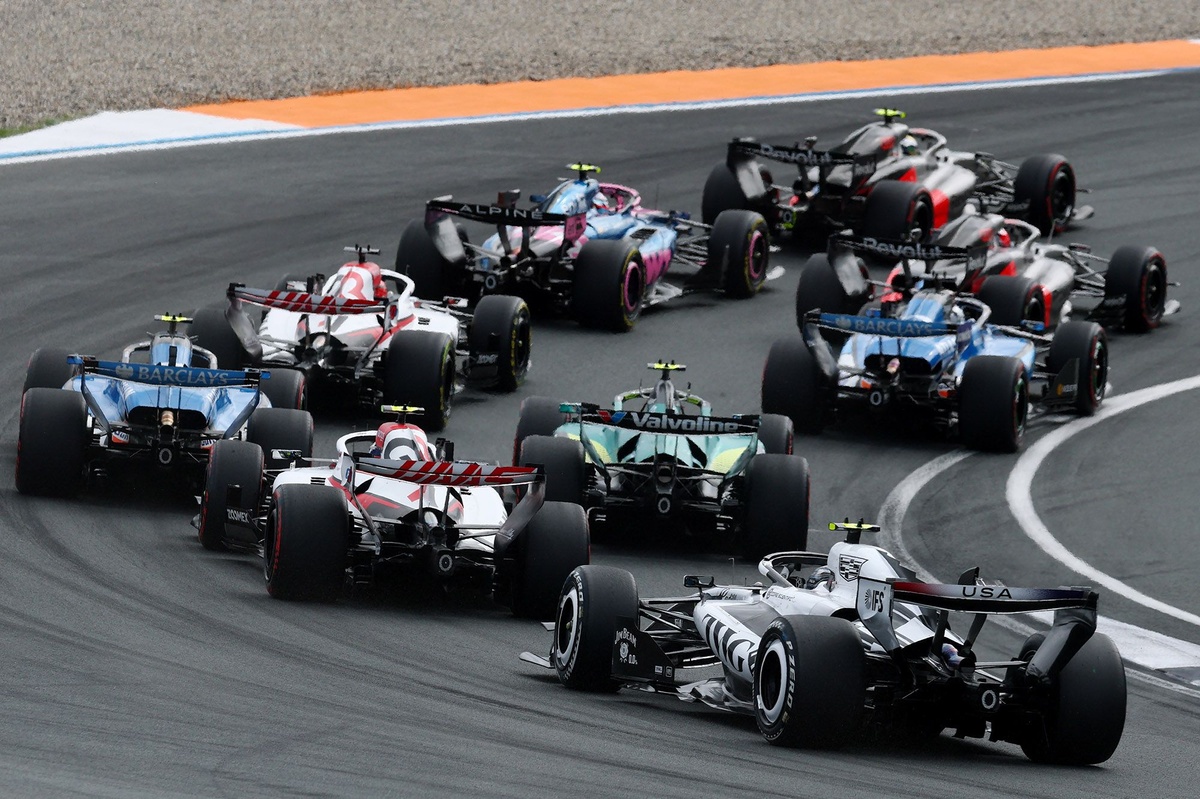
Chief among these is a comprehensive overhaul of race-stoppage protocols. Under current rules, while an active two-hour time limit governs race duration, any red-flag stoppages allow events to drag out across a maximum three-hour window. This has occasionally resulted in farcical scenarios where races stall for hours behind barriers under torrential rain or safety concerns, leaving spectators waiting in uncertainty.
Under the newly proposed rules heading to the WMSC, the three-hour window will be entirely scrapped. In its place, a hard stop time tied strictly to daylight availability will be implemented for any delayed or weather-affected Grand Prix.
An official FIA communique emphasized the rationale behind the shift:
"These changes were introduced to ensure that the spectators have the best possible chance to enjoy a full race if disruptions occur."
Furthermore, F1 race directors have been granted discretionary power to extend free practice sessions when red flags severely disrupt track running. Drawing lessons from incidents like those at the Spanish Grand Prix—where Hamilton and Bearman’s accidents depleted critical preparation time—officials can now ensure teams and fans do not lose essential on-track action due to barrier repair delays.
Implications: What This Means for Teams, Drivers, and Fans
The 2027 regulatory package carries far-reaching consequences across the entire Formula 1 ecosystem:
1. Financial Relief for Teams
By shortening races rather than forcing chassis modifications to accommodate larger fuel tanks, the FIA has saved teams millions of dollars in research, development, and crash-test re-certification costs. The unfreezing of gearbox homologation similarly opens a new competitive avenue for transmission manufacturers, though it introduces a fresh development war.
2. Strategic Shifts for Engineers and Drivers
Engineers will face the delicate task of balancing the 420kW ICE output with the reduced 300kW MGU-K delivery. Drivers will experience a different rhythm on track; with races shortened by 15km, tire degradation profiles, fuel-save management, and pit-stop strategies will all require recalculation. The reduction of roughly three laps per race changes the math on one-stop versus two-stop strategies significantly.
3. A Better Product for Spectators
For fans attending races live or watching via broadcast, the removal of the three-hour red-flag window provides much-needed clarity. No longer will audiences endure indefinite, hours-long twilight delays without knowing if a race will actually resume. Coupled with cleaner racing resulting from reduced energy superclipping, the sport is positioning itself for a more dynamic and transparent future.
As the motorsport world awaits the final rubber stamp from the FIA World Motor Sport Council, the blueprint for Formula 1’s next major era is firmly in place.

 Jia Lissa
 Lina Irawan
 Ali Ikhwan
 Neng Nana
 Iffa Jayyana
 Dwi Wanna
 Evan Lee Salim