 Ali Ikhwan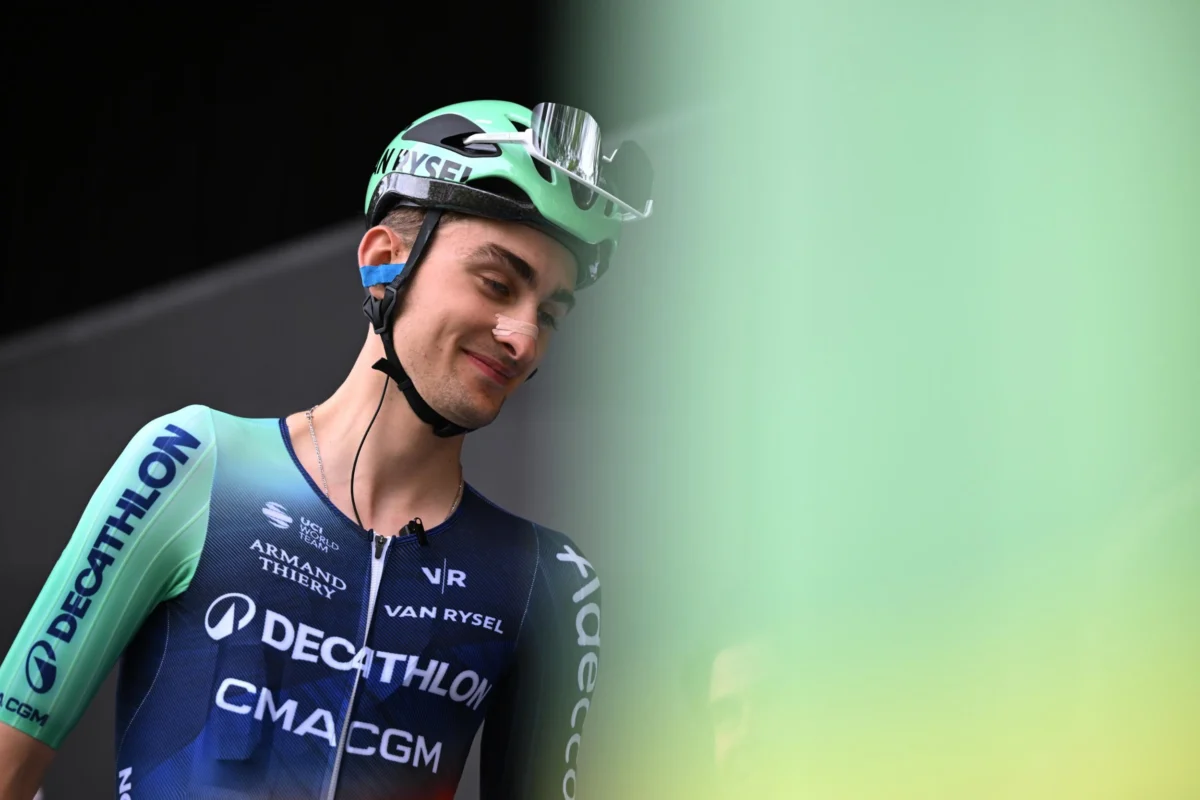
MONTREAL — In the high-stakes crucible of professional one-day racing, inches and split-seconds often separate triumph from heartbreak. For French cycling sensation Paul Seixas, Sunday’s Grand Prix de Montréal served up a heavy dose of the latter, yet the Decathlon CMA CGM prodigy emerged from the North American classic with his morale remarkably intact—and his eyes firmly fixed on a much bigger prize.
Seixas powered his way into the race’s decisive, race-winning move on the demanding urban circuits of Quebec, proving his mettle against some of the peloton’s most elite climbers and puncheurs. However, when the dust settled on the grueling uphill drag to the finish line, it was UAE Team Emirates-XRG’s rising star Isaac del Toro who seized the day, besting the Frenchman in a tactical sprint.
While finishing second is rarely the goal for an athlete of Seixas’ caliber, the young Frenchman was quick to reframe the narrow defeat. Rather than dwelling on a mistimed sprint, Seixas walked away with valuable tactical data, increased race sharpness, and a menacing level of confidence. With the UCI Road World Championships looming on the horizon just two weeks away, Seixas has officially thrown his hat into the ring as one of the premier favorites for the rainbow jersey.
Main Facts: The Clash in Canada and the Road to the Rainbow Jersey
The Grand Prix de Montréal has historically served as a critical barometer for riders preparing for the Autumn World Championships, particularly when the global showcase demands elite climbing prowess and tactical versatility.
- The Protagonists: Paul Seixas (Decathlon CMA CGM) and Isaac del Toro (UAE Team Emirates-XRG) animated the finale, breaking clear of a select group of contenders on the circuit’s punishing climbs.
- The Finish: Del Toro capitalized on superior positioning and a perfectly timed acceleration on the uphill finish to claim victory, leaving Seixas to settle for a hard-fought runner-up spot.
- The Bigger Picture: The race acted as a crucial final dress rehearsal for the upcoming UCI Road World Championships, where both Seixas and Del Toro are expected to feature prominently in the battle for the elite titles.
- Seixas’ Takeaway: Despite the tactical miscalculation in the final meters, Seixas views the performance as an essential stepping stone, insisting the experience will make him a more formidable threat in two weeks’ time.
Chronology of the Finale: How the Grand Prix de Montréal Was Won
To understand Seixas’ optimism, one must look closely at how the closing stages of the Grand Prix de Montréal unfolded. The race, renowned for its relentless short, steep ascents and lack of flat recovery sections, naturally attrited the peloton lap after lap until only the strongest survived.
As the race entered its crucial closing phase, the pace ratcheted up significantly. Attacks flew off the front as GC riders and one-day specialists tried to preempt the inevitable slugfest on the final climb. Seixas, showing maturity well beyond his years, read the race impeccably, matching the accelerations and ensuring he was locked onto the wheel of every major danger man.
When the decisive split occurred, only a handful of riders possessed the horsepower to bridge the gap. Among them was Mexican powerhouse Isaac del Toro, whose aggressive racing style has turned heads all season. The duo managed to carve out a decisive advantage over the chase group, forcing a tactical cat-and-mouse game within the final kilometer.
As they crested the final turn and squared up for the uphill drag to the line, the tension palpable. Seixas opened his sprint first, looking to catch his companion off guard, but slightly mistimed the launchpad. Del Toro, absorbing the initial surge, utilized the slipstream before launching a ferocious counter-acceleration. The Mexican climber powered past in the final meters, hands aloft in celebration, while Seixas had to be content with second place—a position that, in hindsight, offered far more lessons than a routine victory would have.
Supporting Data: Form, Trajectory, and World Championships Pedigree
Seixas’ emergence as a top-tier international contender is not a fluke; it is the culmination of a meteoric rise through the junior and under-23 ranks, seamlessly translated into the WorldTour peloton.
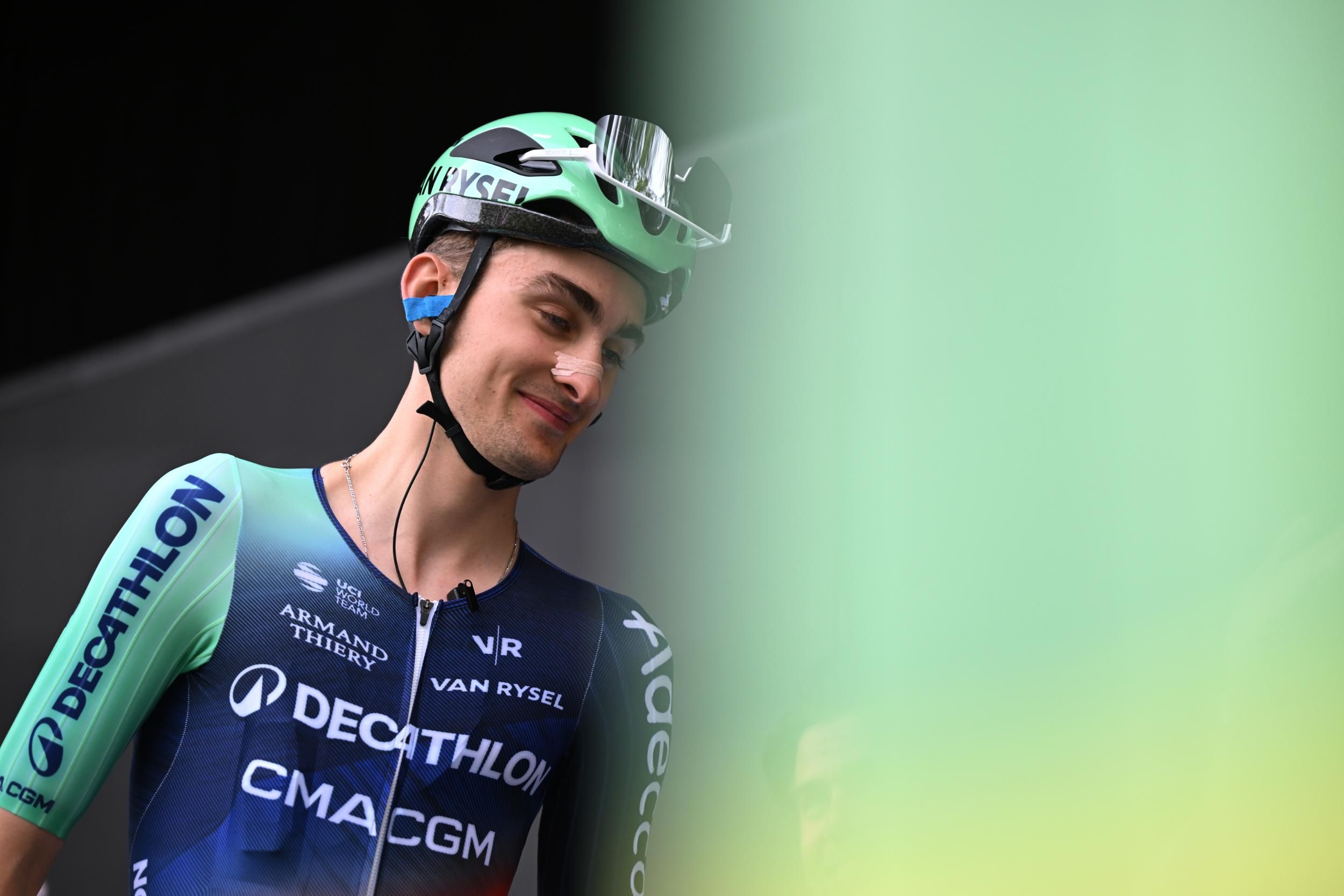
- The Decathlon CMA CGM Impact: Since joining the squad, Seixas has enjoyed a supportive environment tailored to nurturing young climbers, allowing him to target difficult one-day European and international classics.
- Climbing Metrics: Throughout the 2026 season, Seixas has consistently ranked in the upper echelon of the peloton on punchy, lactate-heavy climbs—precisely the physical profile required to conquer the upcoming World Championships course.
- The North American Block: Traveling across the Atlantic for the Canadian block of racing (Quebec and Montréal) has long been considered the golden-standard preparation for Worlds. The jetlag management, high-intensity efforts, and heat adaptation achieved over the past week provide an invaluable physiological baseline.
- Del Toro’s Ascent: With his victory in Montréal, Isaac del Toro has similarly cemented his status as a marquee name for the rainbow jersey, setting up a thrilling psychological rivalry with Seixas ahead of the international showdown.
Official Responses and Paddock Reactions
The cycling world was quick to react to the tactical masterclass displayed in Quebec, with team directors and analysts weighing in on what the Montréal result means for the balance of power at the upcoming World Championships.
Speaking to reporters after the podium ceremony, Paul Seixas cut a composed and reflective figure.
"It hurts to be this close to the victory, especially after doing everything right in the finale," Seixas admitted. "I felt great on the climbs, and the team executed our race plan to absolute perfection. In the final sprint, I maybe launched a fraction too early and gave Isaac [del Toro] just enough room to come past. But cycling is about learning. I take a lot of confidence from my legs today. The sensations are where they need to be, and I know what adjustments to make when it really counts in two weeks."
Decathlon CMA CGM’s sporting management echoed their young leader’s sentiments, praising his tactical awareness against seasoned elite riders. Staff members noted that Seixas’ ability to infiltrate the winning move under immense pressure proves he possesses the mental fortitude required to handle the white-hot intensity of a World Championship race.
Meanwhile, in the UAE Team Emirates-XRG camp, celebrations were tempered by a realization of the looming threat posed by the young Frenchman. Del Toro acknowledged Seixas’ strength in post-race interviews, noting that the Frenchman had been one of the hardest wheels to follow throughout the grueling afternoon.
Implications for the World Championships: A Rivalry is Born
As the cycling circus packs its bags and heads back across the Atlantic for the UCI Road World Championships, the narrative of the autumn season has crystallized.
The battle for the rainbow jersey is no longer just about the established superstars of the sport. A new generation of aggressive, fearless racers—typified by Paul Seixas and Isaac del Toro—has seized control of the narrative.
For Seixas, the runner-up medal in Montréal is far more than a near-miss; it is fuel. By identifying the exact moment his sprint went awry, he has been given a free rehearsal ahead of the biggest race of his career. If he can fine-tune his finishing kick and replicate the climbing prowess he displayed on the streets of Quebec, the rest of the peloton will have a monumental task on their hands trying to keep the French prodigy off the top step of the podium.

 Lina Irawan
 Ammar Sabilarrohman
 Laily UPN
 Nana
Nana
 Lina Hope
 Evan Lee Salim
 Asro
Asro