
 Neng Nana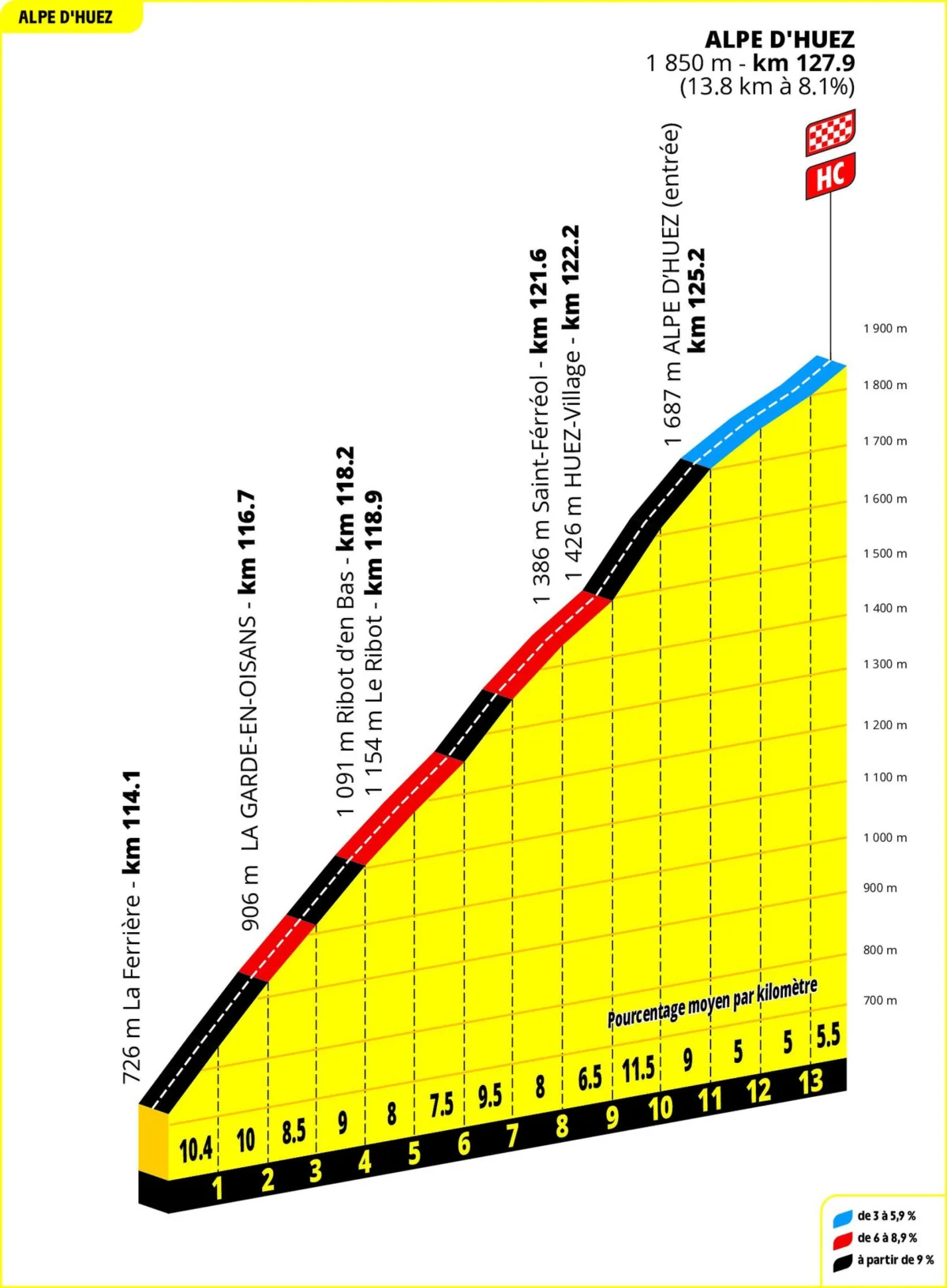
For over seven decades, the 21 hairpin bends of Alpe d’Huez have served as the ultimate crucible for professional cycling. It is more than just a climb; it is a pilgrimage, a stage for tactical masterclasses, and a graveyard for yellow jersey ambitions. As the peloton approaches the slopes once more, the cycling world turns its gaze toward the "Dutch Mountain," where history is not merely written, but forged in sweat, altitude, and the deafening roar of a hundred thousand spectators.
While 29 riders have claimed victory on the summit since the climb first appeared in the Tour de France in 1952, the list of those who have conquered the Alpe and gone on to win the Tour in the same year remains exclusive—a testament to the psychological and physical toll of this specific ascent.
The Weight of History: A Chronology of the 21 Bends
The history of Alpe d’Huez is synonymous with the history of the Tour de France itself. When the climb was first introduced in 1952, it marked a paradigm shift in race design. Fausto Coppi, the Campionissimo, was the first to conquer its slopes, signaling that the Tour was no longer just about endurance across flat plains, but about the explosive, vertical warfare that defines the modern era.
Throughout the 1970s and 80s, the mountain became a theater for legends. From the dominance of Joop Zoetemelk to the tactical brilliance of Hennie Kuiper, the climb became intrinsically linked to Dutch cycling culture, earning the nickname "The Dutch Mountain" due to the overwhelming support from fans from the Netherlands who claimed the corners as their own.
However, it was the 1980s and 90s that truly cemented the Alpe’s reputation. The rivalries between Greg LeMond, Bernard Hinault, and later, Miguel Induráin, turned the 21 hairpins into a tactical chessboard. Each turn, numbered in descending order, represents a psychological marker for the riders. As the air thins and the gradient bites, the countdown to the finish line becomes a countdown of survival.
The Exclusive Club: Winning at the Top, Winning the Tour
To win on Alpe d’Huez is a career-defining moment. To win on Alpe d’Huez while wearing the yellow jersey—or while effectively winning the Tour that same year—is to enter the pantheon of cycling immortality.
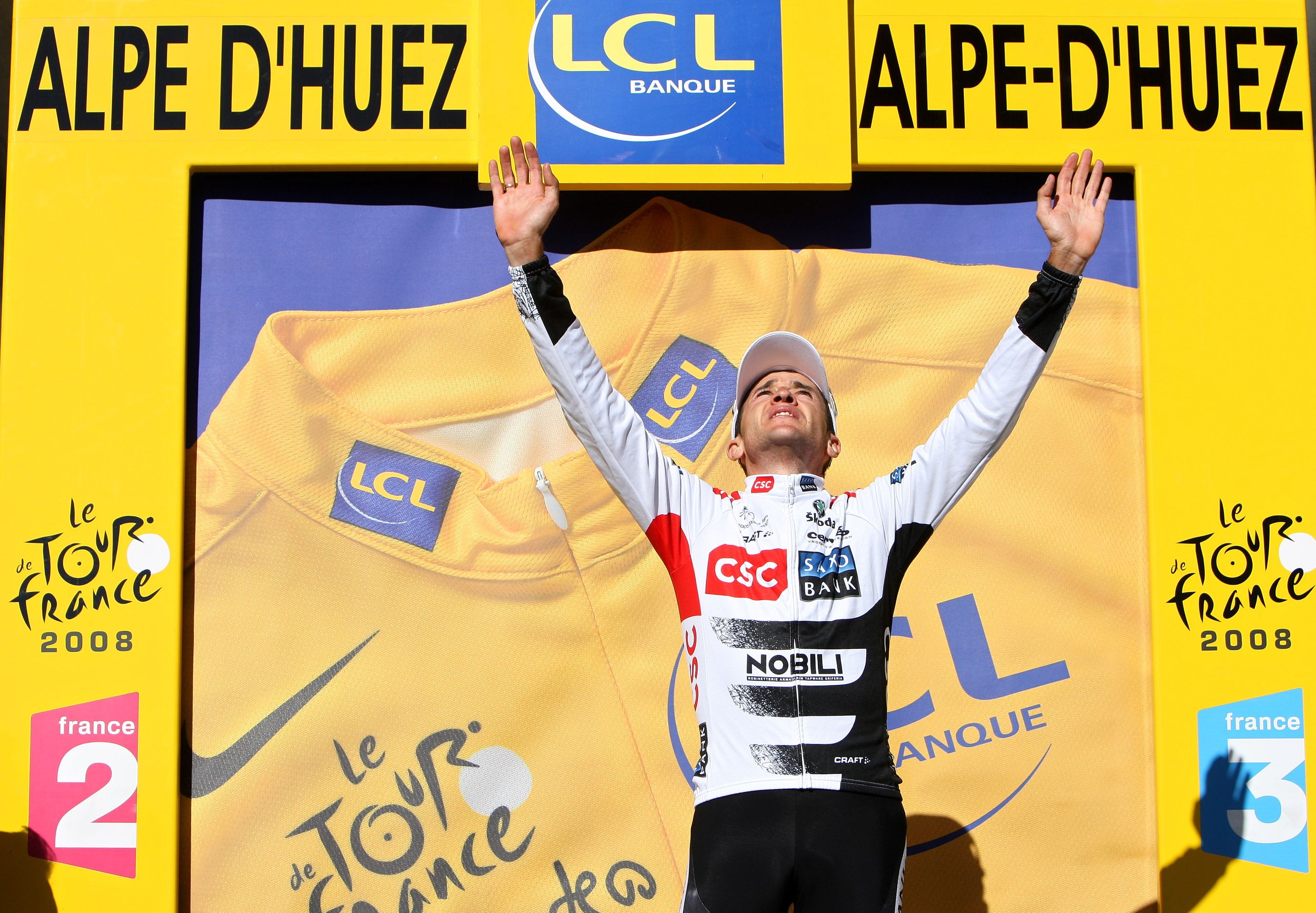
Carlos Sastre, who achieved this feat in 2008, remains one of the most articulate voices on the experience. "If you ask me how much it means to win on Alpe d’Huez, there’s an easy way to explain that," Sastre remarked, reflecting on his career. For Sastre, the victory was not just a stage win; it was the realization of a lifelong ambition that propelled him to the podium in Paris just 48 hours later.
Sastre’s victory is particularly poignant because it showcased the strategic complexity of the climb. He attacked at the base, utilizing the early, steeper gradients to shed his rivals, including his own teammate, Frank Schleck. By the time he crested the final turn, he had created a buffer that was insurmountable. It is a rare rider who possesses the courage to launch a long-range raid on the Alpe; most prefer to wait until the final five kilometers, where the sheer density of the crowd—often creating a "human funnel"—can create an atmosphere so intense it borders on the claustrophobic.
Supporting Data: The Statistics of Suffering
Analyzing the data behind the Alpe d’Huez provides a chilling look at the physiological demands of the climb. The ascent covers approximately 13.8 kilometers with an average gradient of 8.1%. However, these averages mask the true nature of the challenge: the bottom sections are the steepest, often forcing riders into their lowest gears before they have even settled into a rhythm.
- Total Winners: 29 (since 1952).
- Double-Victory Rate: Only a select few (notably Fausto Coppi, Eddy Merckx, and more recently, riders like Marco Pantani) have used this mountain as the foundation for a total Tour de France victory in the same year.
- Record Ascent: The record for the fastest ascent is famously held by Marco Pantani (1995), a time that remains a subject of intense debate and analysis within the sport, highlighting the evolution of training, technology, and, at times, the darker chapters of the sport’s history.
The data also reveals a shift in tactical approaches. In the modern era, the use of power meters has turned the climb into a game of threshold management. Teams now calculate the exact wattage a leader can sustain to ensure they don’t "blow up" before the finish line. Yet, as history shows, the Alpe remains unpredictable. The chaotic nature of the crowd, the shifting winds on the exposed upper slopes, and the tactical gamesmanship between GC (General Classification) contenders often render the best-laid plans obsolete.
Official Responses and Tactical Implications
Team directors and current riders often speak of Alpe d’Huez with a mixture of reverence and dread. "It’s not just a physical climb," says one prominent team director. "It’s a test of mental fortitude. You are constantly surrounded by the fans, the noise, the history. If you lose your focus for even a second on one of those hairpins, the race can be lost."
The implications for the current Tour are clear: the stage to Alpe d’Huez is rarely the only factor in winning the race, but it is almost always the factor that eliminates the pretenders. A rider who struggles here rarely recovers in time for the final time trial or the concluding stages.
The race organization, ASO (Amaury Sport Organisation), carefully curates the return of the Alpe to the route. They know that the climb provides a "guaranteed" spectacle. By placing it late in the race, they ensure that the fatigue of two weeks of hard riding is compounded by the most demanding climb on the calendar.
The Future of the Alpe
As we look toward the future, the question remains: can the magic of Alpe d’Huez be replicated? While other climbs like the Galibier or the Tourmalet offer higher altitudes and different challenges, none possess the specific cultural weight of the 21 bends. The naming of the corners after past winners is a tradition that connects the current generation to the pioneers of the sport.
For the riders facing the ascent this Friday, the challenge is clear. They are not just racing against their peers; they are racing against the ghosts of Coppi, Merckx, Induráin, and Sastre. They are racing against the expectations of the millions watching worldwide and the thousands screaming on the roadside.
To succeed here is to cement one’s name in the annals of cycling history. To fail is to become just another rider who struggled against the gradient. As Carlos Sastre noted, the victory on the Alpe is an "easy way" to explain success, but achieving it is perhaps the hardest thing a cyclist can do.
As the peloton winds its way toward the base of the climb, the anticipation is palpable. Whether it leads to a definitive yellow jersey statement or a chaotic, tactical shuffle, one thing is certain: Alpe d’Huez will once again prove why it remains the beating heart of professional road cycling. The mountain waits, as it always has, indifferent to the suffering of those who dare to challenge its slopes, yet ready to crown the next legend who manages to tame its 21 legendary turns.

 Reynand Wu
 Nana
Nana
 Nana Wu
 Lina Hope
 Sagoh
Sagoh
 Iffa Jayyana