
 Dwi Wanna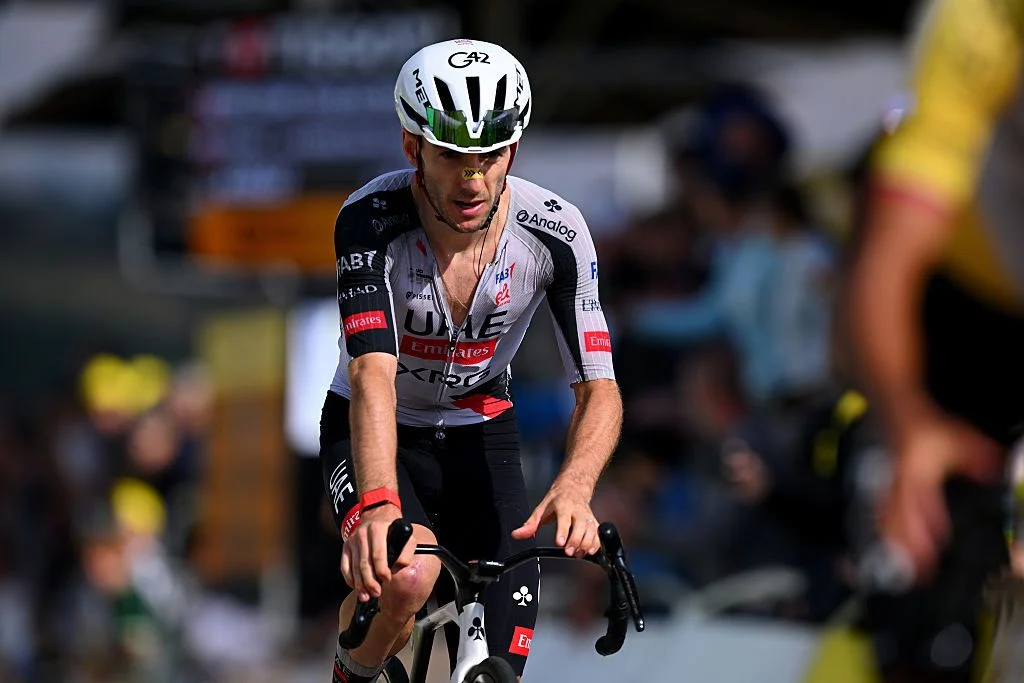
Main Facts: A Critical Support Role in Jeopardy
In a development that has sent ripples of concern through the peloton and the UAE Team Emirates camp, star climber Adam Yates is battling a sudden stomach illness during the final week of the Tour de France. The British rider, a cornerstone of the team’s strategy to support Tadej Pogačar’s bid for the yellow jersey, faced significant physical distress during Stage 18.
Despite the severity of the symptoms, UAE Team Emirates officials confirmed on Friday morning that Yates will continue in the race. The team’s medical staff is working overtime to stabilize the climber, hoping that a combination of rehydration, medication, and rest will allow him to perform his duties during the decisive mountain stages that remain. The team has been quick to assuage fears regarding a potential "bug" circulating within the squad, noting that no other riders—including race leader Pogačar or breakout talent Isaac del Toro—have shown similar symptoms.
Chronology: The Unfolding Crisis
The ordeal began to manifest during the high-intensity racing of Stage 18. Known for its punishing profile, the stage demanded peak physical output from the entire UAE Team Emirates roster.
The Onset of Symptoms
As the peloton navigated the terrain, Yates began reporting acute gastrointestinal distress. Observers noted the Briton struggling to maintain his usual high cadence on the climbs, often dropping back from the lead group where he is typically expected to set the tempo for his captain. Throughout the stage, Yates was seen communicating frequently with team cars, requesting additional support and cooling measures as his body temperature fluctuated—a common side effect of intense physical exertion coupled with illness.
Survival Strategy
Following the conclusion of the stage, the team immediately shifted into "recovery mode." The primary objective was to ensure Yates could make the time cut while minimizing further physical depletion. By the time the team reached the hotel, Yates was sequestered from the rest of the group to prevent any potential spread of pathogens. His evening was characterized by a strict regimen of electrolyte replacement and monitoring by the team’s physicians.
The Decision to Continue
On the morning of the subsequent stage, the team made the tactical decision to keep Yates in the race. The rationale is clear: even a compromised Adam Yates provides more tactical value in the high mountains than the alternative of his withdrawal. The team is banking on his world-class endurance to carry him through the pain barrier for the final push toward Nice.
Supporting Data: The Strategic Value of Adam Yates
To understand why UAE Team Emirates is so invested in Yates’ recovery, one must look at his performance metrics and tactical utility throughout this Tour.
The Climbing Engine
Adam Yates has been the primary architect of UAE Team Emirates’ dominance in the mountains. His ability to control the pace at the front of the peloton has neutralized attacks from rivals like Jonas Vingegaard and Remco Evenepoel. Data from previous stages indicates that when Yates is on the front, the speed remains consistently high, effectively discouraging opportunistic surges from competitors.
The "Double-Lead" Dynamic
The partnership between Yates and Pogačar is a mathematical advantage. By keeping Yates within the top group, UAE forces their rivals to exhaust themselves chasing or marking both riders. If Yates remains in the race, he acts as an insurance policy: if Pogačar suffers a mechanical issue or a "bonk" on a steep climb, Yates is the team’s most reliable fallback, capable of pacing his captain back to contention or taking the lead himself.
Nutritional and Medical Challenges
Gastrointestinal issues in the Tour de France are notoriously difficult to manage. A rider consumes between 5,000 and 8,000 calories during a mountain stage. When a rider is suffering from a stomach bug, the ability to absorb these calories drops to nearly zero, leading to a rapid depletion of glycogen stores. The team’s medical department is utilizing specialized liquid nutrition, which is easier on the gut, to keep Yates’ energy levels afloat.
Official Responses: The Team’s Stance
In a press briefing held shortly after the team reached their base, the UAE Team Emirates management provided clarity on the situation to quell rumors of a team-wide outbreak.
"Adam is a resilient rider, and we are doing everything in our power to support him," a team spokesperson stated. "He is currently under observation by our medical team. We have conducted internal screenings, and we can confirm that this is an isolated incident. There is no evidence of a viral outbreak within the squad. Tadej [Pogačar], Isaac [del Toro], and the rest of the team are in perfect health and are focused on the final challenges of the race."
The statement was a clear attempt to provide stability to sponsors and fans alike. By isolating the issue to a single rider, the team aims to maintain the psychological high ground, signaling to their rivals that the "UAE machine" remains largely intact.
Implications for the Final Mountain Stages
The continued presence of Adam Yates changes the dynamic of the final three days of the race significantly.
Tactical Flexibility
If Yates is at 70% or 80% capacity, he may not be able to pull the peloton for 10 kilometers as he has done previously. However, his presence in the pack still forces rival teams to respect his tactical threat. He can act as a "tactical pawn," sent up the road in a breakaway to force rivals to expend energy, thereby freeing Pogačar to wait for the final kilometer to launch his decisive move.
The Pressure on Isaac del Toro
The health scare places a heavier burden on the younger members of the team, particularly Isaac del Toro. As a rising star, del Toro is gaining valuable experience, but he may now be called upon to shoulder more of the pacing workload than originally planned. The team’s strategy will likely involve shielding del Toro and Pogačar early in the stages, saving their energy for the final ascent, while Yates provides whatever tactical support he can muster in the middle sections of the climbs.
The Risk Factor
There is, of course, a risk inherent in the decision to continue. If Yates collapses or loses significant time, it could disrupt the team’s rhythm and force Pogačar to ride defensively. The psychological aspect is also paramount; seeing a teammate struggle can impact the morale of the entire group. However, in professional cycling, the "Grand Tour mentality" often dictates that as long as a rider can turn the pedals, they provide a strategic asset that cannot be replicated from the sidelines.
Conclusion: A Test of Grit
The next 48 hours will be a litmus test for both Yates’ physical recovery and UAE Team Emirates’ tactical depth. The Tour de France is won as much in the recovery room as it is on the road, and this situation serves as a stark reminder of the fragile nature of professional cycling success.
As the race moves toward the final decisive mountain passes, all eyes will be on the UAE Team Emirates train. If Yates can endure the discomfort, he will remain a vital cog in the machine that hopes to deliver the yellow jersey to Nice. If he fails to recover, the team will have to pivot quickly, relying on the raw individual talent of Pogačar to overcome a field of hungry competitors who will undoubtedly view Yates’ illness as a potential crack in the armor of the current race leaders.
Ultimately, the story of this Tour de France is being written in the high mountains, and for Adam Yates, the biggest climb may not be the ones mapped out by the race organizers, but the internal battle to overcome his own body and finish the race for his team.

 Reynand Wu
 Nana
Nana
 Neng Nana
 Nana Wu
 Lina Hope

 Sagoh
Sagoh
 Iffa Jayyana