
 Iffa Jayyana
Updated September 22, 2026
A growing number of American skiers are trading domestic slopes for the legendary peaks of Europe. However, planning a pilgrimage to the Alps has become increasingly complex. With a shifting climate altering historical snow patterns, a fluctuating U.S. dollar, and the expanding footprint of American megaresort passes overseas, the traditional playbook for an Alpine ski vacation is being rewritten.
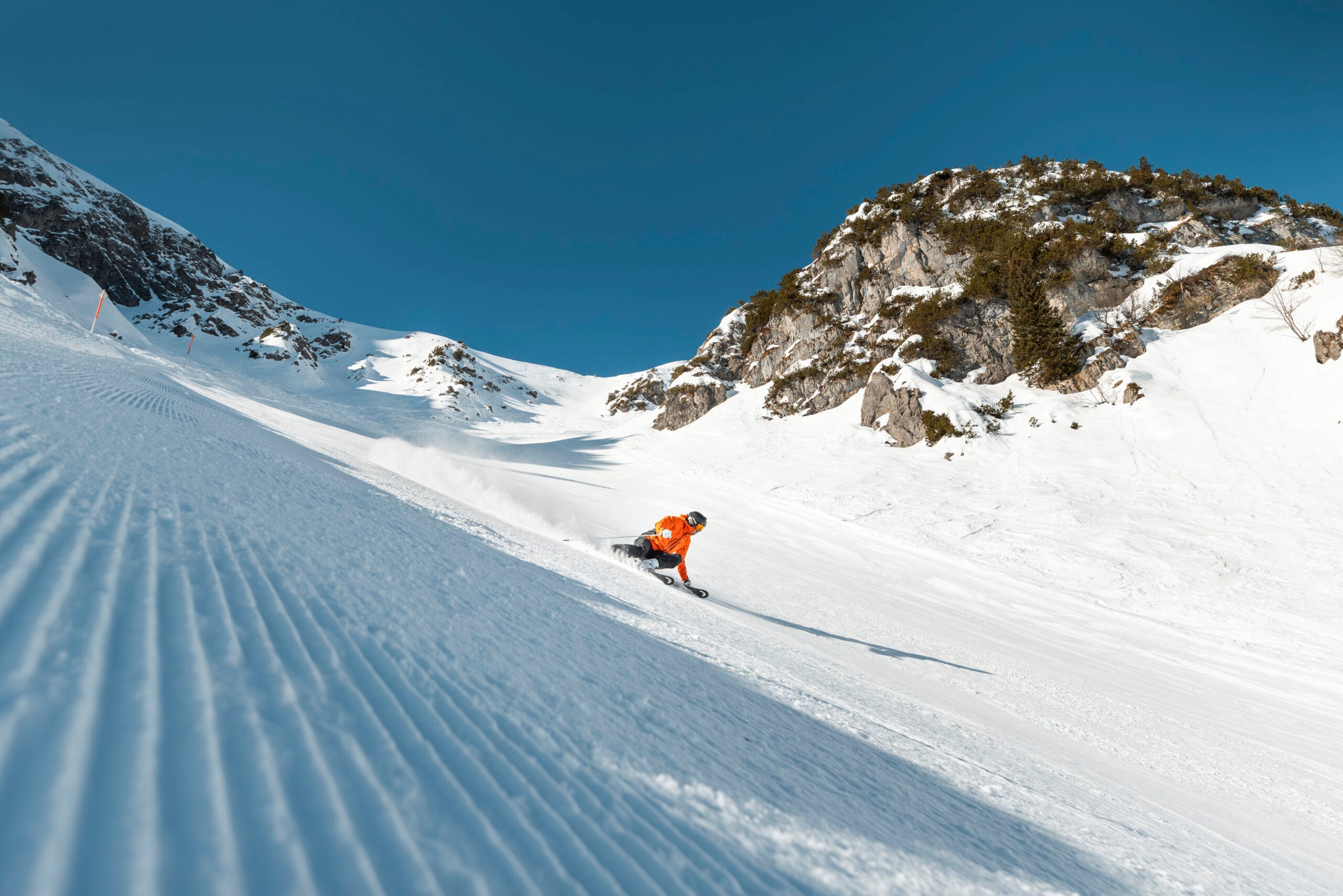
Drawing from extensive, multi-season experience living and skiing across the French, Swiss, Austrian, and Italian Alps, this report breaks down everything prospective American travelers need to know to plan the ultimate European ski trip—from navigating snow coverage and decoding megapass fine print to selecting the right country for your budget and style.
Main Facts: The New Realities of Alpine Travel
The landscape of European skiing is undergoing a structural transformation driven by environmental, economic, and logistical pressures:
- The Climate Shift: Lower-elevation resorts are suffering from diminishing and unreliable snowpack. Rain now routinely falls at elevations that once guaranteed powder, forcing a shift in how and where skiers book trips.
- The Megapass Factor: Both the Epic and Ikon passes now feature extensive European partner resorts, sending waves of American tourists abroad. However, utilizing these passes requires careful attention to restrictive fine print (such as day caps or excluded marquee zones).
- The Altitude Imperative: Weather models and seasonal forecasts—including a heavily monitored super El Niño cycle—mean that skiers must prioritize resorts boasting high-altitude terrain (topping out above 10,000 feet in France, Italy, and Switzerland, and 8,200 feet in Austria) to safeguard their vacations.
- Cost and Currency: While the U.S. dollar faces valuation pressures against European currencies, pricing disparities remain vast. France and Italy offer exceptional value and culinary experiences, while Switzerland remains the gold standard for luxury and infrastructure at nearly double the cost.
Chronology: How the Transatlantic Ski Boom Evolved
To understand why Americans are flocking to the Alps in record numbers today, it helps to examine how the travel trend developed over the decades:
- Post-WWII Genesis: Following the Second World War, American servicemen and tourists first discovered Swiss strongholds like Zermatt, planting the seeds for long-term U.S. tourism in the region.
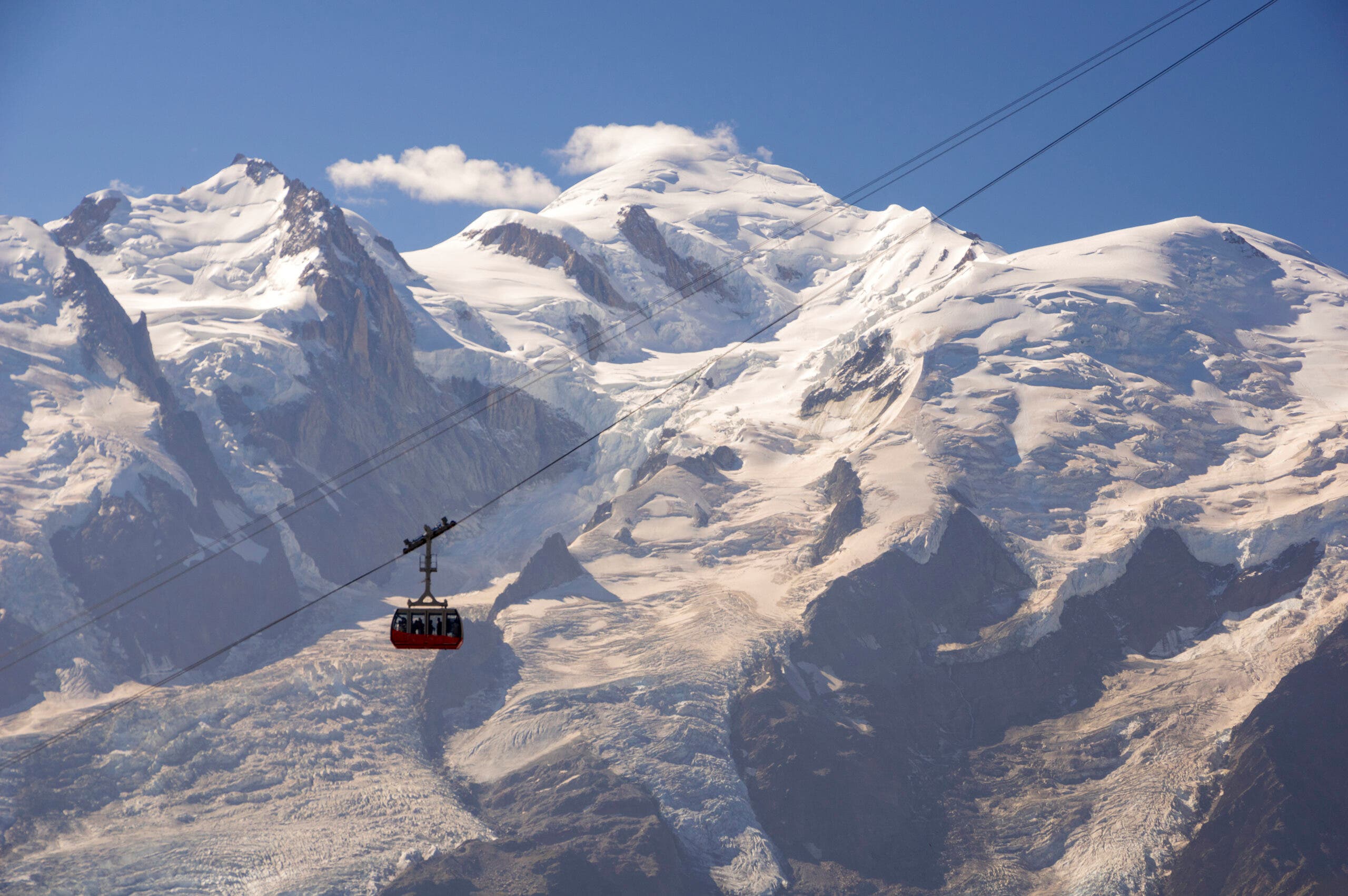
- The 1924 Legacy & Infrastructure Boom: Chamonix hosted the very first Winter Olympics in 1924, sparking a "white gold" rush that established modern winter sports infrastructure across Europe.
- The Megapass Era (2010s–Present): The introduction and aggressive expansion of multi-mountain passes like the Epic and Ikon transformed international travel. Once the domain of luxury travelers or dedicated mountaineers, European ski trips became accessible to any American holding a domestic season pass with international partner days.
- Recent Climate Adaptations (2024–2026): Consecutive seasons of unpredictable weather, warm El Niño patterns, and shifting storm tracks (from traditional northern flows to southern surges) forced a collective industry pivot toward high-altitude glacier skiing and sophisticated snowmaking investments.
Supporting Data: Regional Comparison at a Glance
Choosing the right Alpine destination requires balancing snow reliability, daily lift ticket costs, cultural ambiance, and pass accessibility.
| Country | Average Daily Lift Cost (USD) | Snow Reliability & Altitude | Best For | Megapass Integration |
|---|---|---|---|---|
| France | $65 – $90 | High (at scale), though megaresorts vary | Massive terrain, vibrant off-piste, food | Limited (Epic features Trois Vallées) |
| Italy | $50 – $98 | Moderate; strong southern storm tracks | Incredible dining, cultural charm, Dolomites | Extensive via Ikon (Aosta Valley, Dolomites) |
| Austria | $80 – $95 | High (northern tier/glaciers) | Efficient lifts, vibrant après-ski culture | Epic and Ikon feature major resorts (Arlberg, Saalbach) |
| Switzerland | $95 – $150 | Highest (glaciers, north-facing slopes) | Car-free villages, luxury, pristine views | Selective Ikon access (Zermatt, Verbier, St. Moritz) |
Official Responses and Industry Insights
Ski tourism boards and industry experts across Europe have increasingly focused on climate resilience and managing the influx of North American visitors.
European resort operators emphasize that while traditional low- and mid-station snowpacks are declining, heavy investments in high-altitude infrastructure—such as state-of-the-art 3S cable cars in Austria and Switzerland—are ensuring reliable access to upper-mountain terrain. Furthermore, local tourism authorities have responded to the North American megapass wave by updating ticketing structures, creating specialized regional passes (like the Innsbruck Ski+City Pass), and urging international guests to look beyond congested flagship towns in favor of undiscovered valleys.
Implications for Travelers: Country-by-Country Recommendations
France: Massive Terrain and Unmatched Freeriding
France remains a powerhouse for sheer acreage and off-piste exploration, though visitors must navigate varying levels of service efficiency.
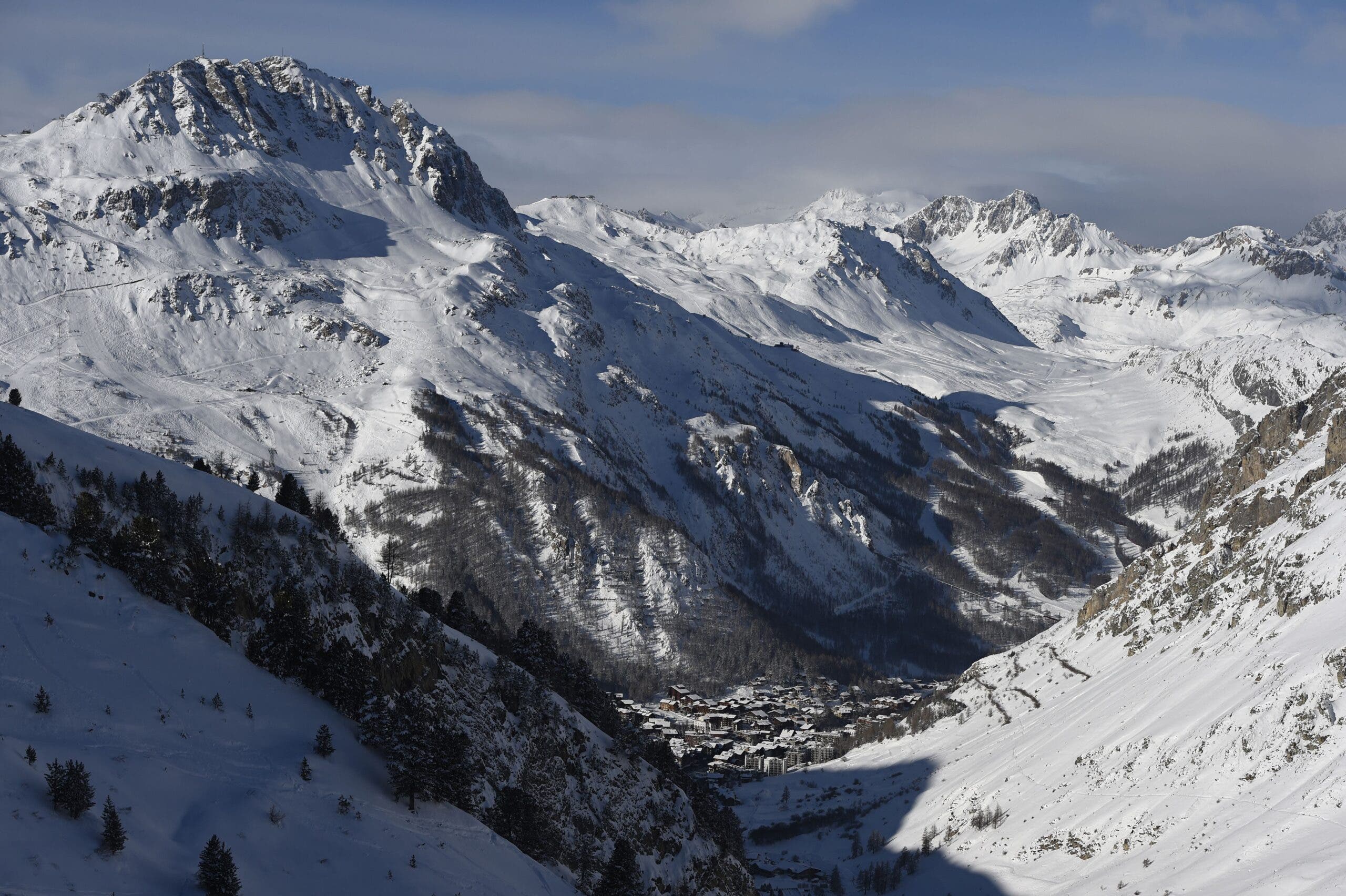
- Tignes/Val d’Isère: Widely regarded as one of the best ski resorts for the widest range of abilities, featuring a 5,906-foot base and the Grande Motte glacier topping out at 11,339 feet. It is not on major U.S. passes, keeping crowds localized.
- Serre Chevalier & Montgenèvre: Ideal for those seeking massive terrain without the massive crowds or steep price tags of the northern Savoie. Serre Chevalier blends exceptional tree skiing, village charm, and top-tier mountain dining.
Italy: Culture, Cuisine, and the Dolomites
Italy offers the best overall blend of culinary excellence, historic village charm, and affordability.
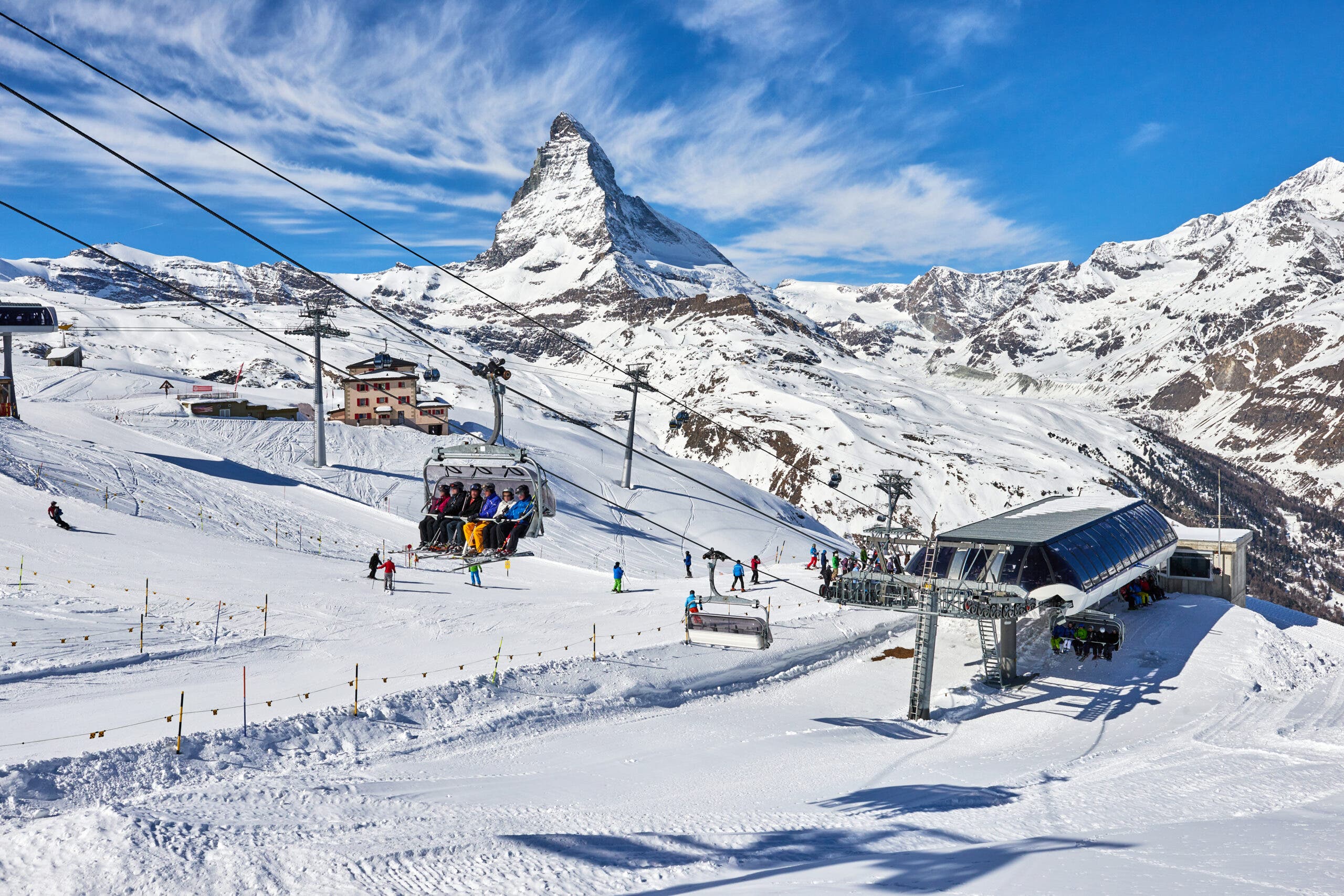
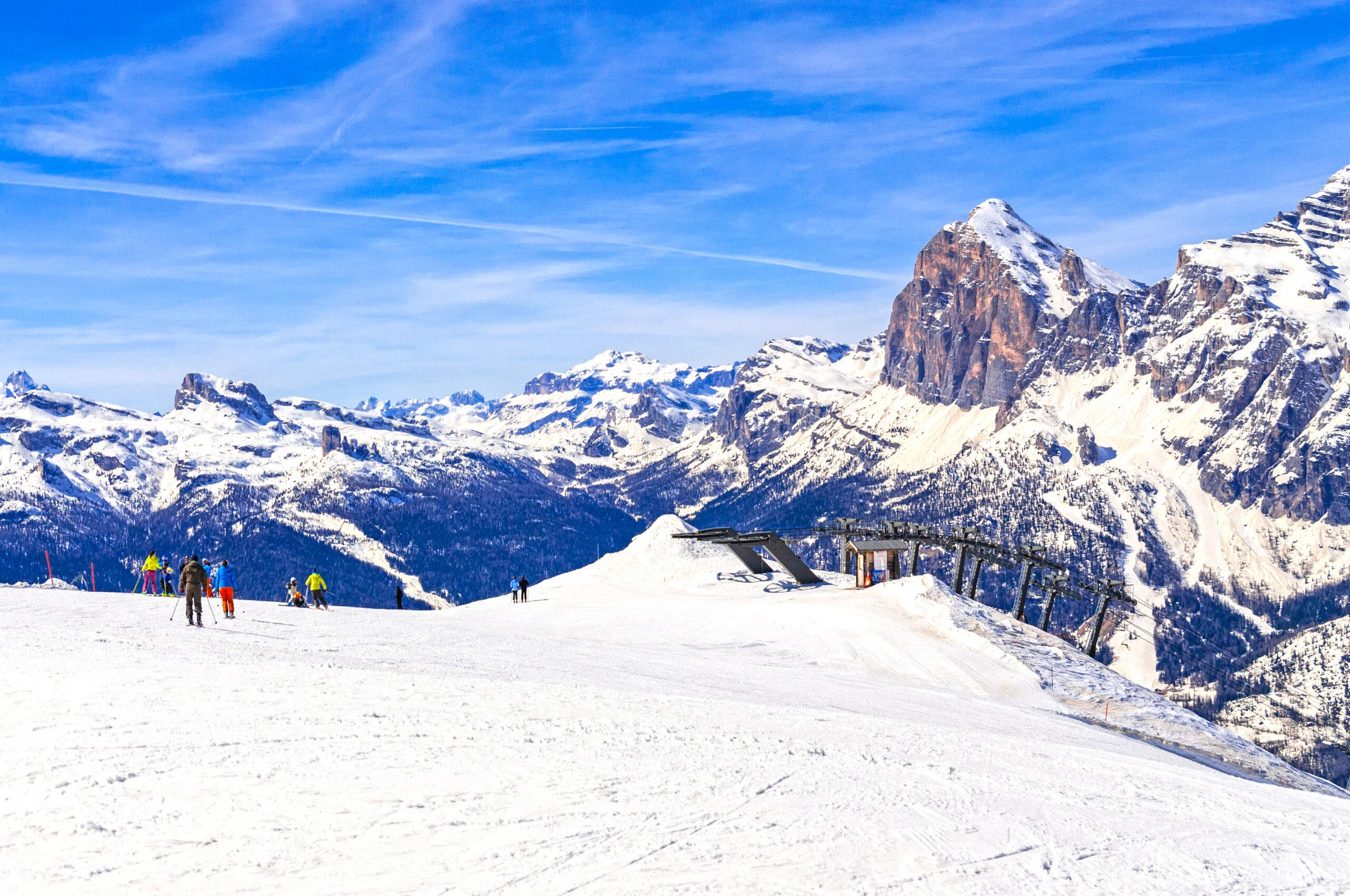
- The Dolomites (Dolomiti Superski): Covered by the Ikon Pass, the distinct limestone peaks of the Dolomites offer stunning visual backdrops, family-run mountain rifugios, and vibrant village bases rather than manufactured ski ghettos.
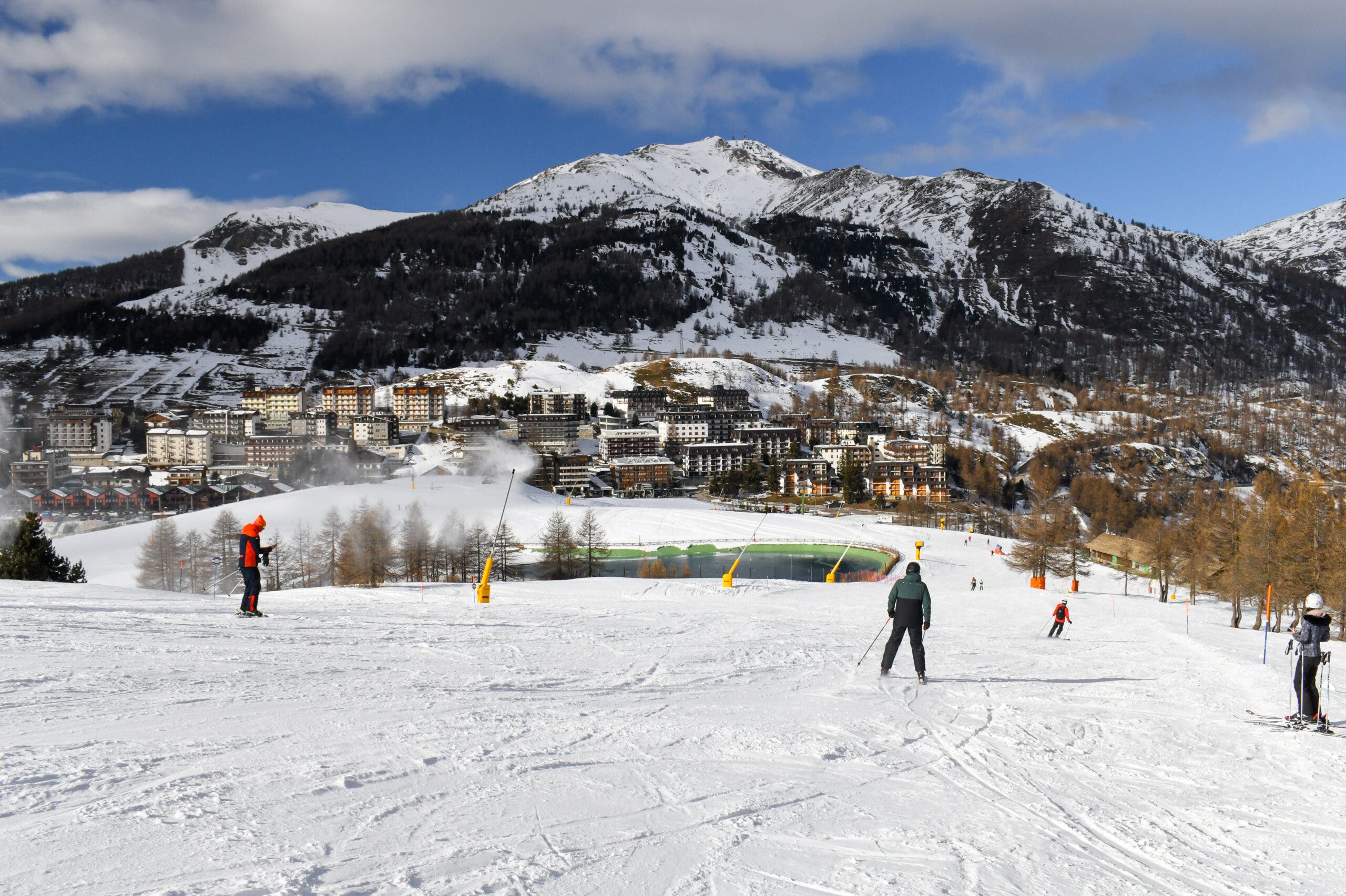
- Aosta Valley (Monte Rosa & Cervina): Providing access to the Italian side of the Matterhorn (Cervino) and Monte Rosa, these regions offer superior food and lower prices compared to their Swiss neighbors, with future infrastructure upgrades promising even faster connectivity.
Austria: Efficiency, Snow, and Après-Ski
Austria’s national identity is inextricably linked to skiing, boasting the most efficient lift networks and vibrant mountain culture in Europe.
- Ski Arlberg (St. Anton/Lech): The gold standard of Austrian skiing, sitting in a consistent snowbelt with immense off-piste terrain. Note that Epic Pass access comes with specific hotel stay requirements.
- Innsbruck: For a culturally rich urban base, Innsbruck offers access to over a dozen resorts via the Ski+City Pass, with high-speed rail connections putting world-class terrain just an hour away in either direction.
Switzerland: Car-Free Villages and High-Altitude Luxury
Switzerland sets the standard for snow surety, car-free alpine hamlets, and pristine preservation, though it commands a premium price tag.
- Saas-Fee: A fantastic alternative to Zermatt, offering a deeply authentic, car-free village atmosphere surrounded by centuries-old chalets and high-altitude glacier terrain.
- Engelberg and Andermatt: Premier destinations for serious freeriders, though their single-summit lift bottlenecks require early arrivals on powder days to beat the crowds.
Final Planning Advice
If you are planning an Alpine ski trip, do not gamble on low-elevation resorts far in advance. With seasonal models predicting warmer, wetter winter patterns, prioritize destinations that top out above 10,000 feet in France, Italy, and Switzerland, and above 8,200 feet in Austria. By doing your research, respecting the fine print of your megapass, and keeping your itinerary flexible, you can secure an unforgettable European ski adventure.

 Evan Lee Salim
 Sagoh
Sagoh

 Ali Ikhwan
 Jia Lissa
 Neng Nana

 Dwi Wanna