
 Sagoh
Sagoh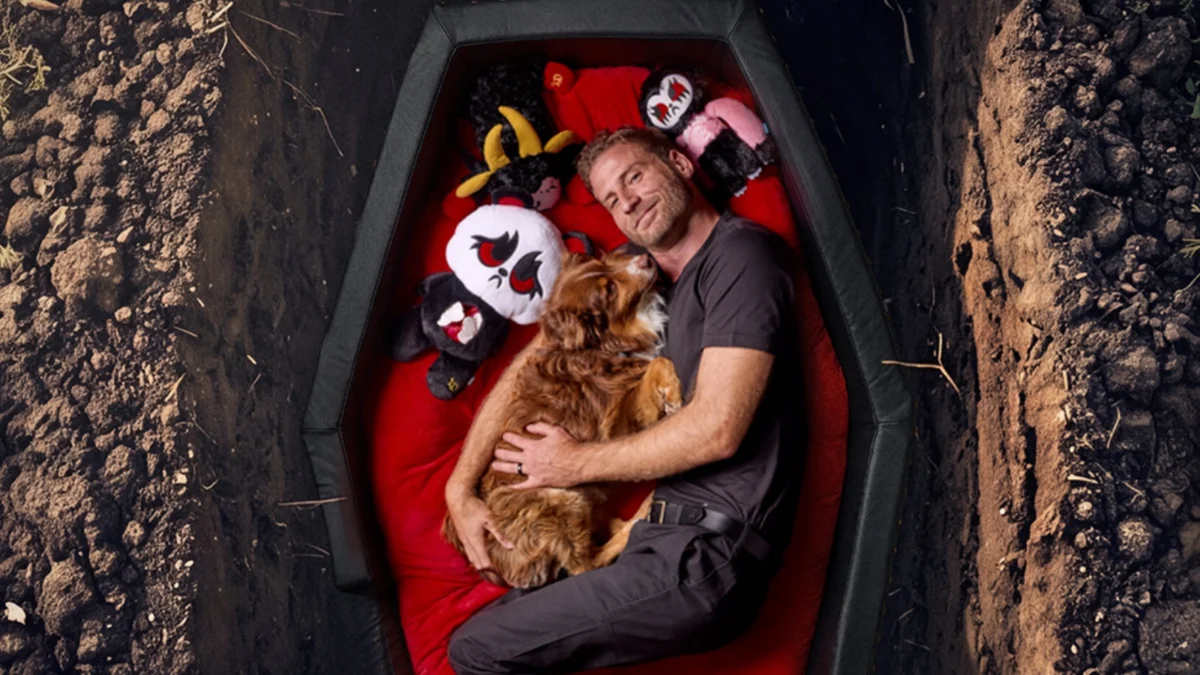
In a move that pushes the boundaries of pet-owner devotion to the literal afterlife, the pet-subscription giant BARK—best known for its monthly BarkBox service—has teamed up with the disruptive beverage brand Liquid Death to unveil an unconventional, morbidly sentimental product: "The Most Forever Home."
This human-sized, dual-purpose vessel is marketed as a coffin designed to allow dog owners to spend eternity alongside their beloved pets. While the concept of pet-human interment is a niche area of pet ownership, this collaboration elevates the idea from a private arrangement to a high-profile, brand-led spectacle.
The Genesis of a Macabre Collaboration
The partnership between BARK and Liquid Death, two companies known for their irreverent, anti-corporate branding, has been one of the most talked-about marketing crossovers of 2026. Following an initial September rollout that included "Dogtor Death" toys, apparel, and accessories, the coffin represents the "final" chapter of their limited-edition collection.
The product is essentially a high-end, oversized dog bed that doubles as a casket. BARK envisions a two-phase lifecycle for the item: first, it serves as a cozy, oversized lounge space for a pet owner and their canine companion to share intimate moments of rest; second, it functions as a permanent, final resting place for both, should the owner choose to be interred with their companion.
Chronology: A History of "Death-Positive" Marketing
The launch of "The Most Forever Home" does not exist in a vacuum. It is the latest in a series of promotional stunts that flirt with the "death-positive" movement—a social trend that seeks to normalize conversations around mortality through humor and unconventional product design.
September 2026: The Initial Collection
The collaboration began with a line of accessories titled "Sleep When You’re Fed." This included items such as "Marcus the Carcass," a morbidly humorous toy designed for heavy chewers, and the "Dead Head Burrow Toy." These products established the aesthetic tone: a heavy metal, gothic-inspired departure from the bright, primary-colored world of typical pet supplies.
Early 2026: The Spotify Eternal Playlist Urn
Liquid Death, never shy about leaning into the macabre, previously made waves by collaborating with Spotify to release the "Eternal Playlist Urn." Priced at $495, this vessel featured a built-in Bluetooth speaker, allowing the deceased to theoretically "listen" to a personalized playlist generated by their own listening habits.
September 24, 2026: The Vampire Noodle Precedent
Competition in the niche market of "branded afterlife" spiked just one day before the BARK announcement, when Cup Noodles introduced a $3,999 "Vampire Noodles" casket. This timing suggests a broader cultural shift where consumer goods brands are increasingly willing to associate themselves with the finality of death to capture headlines and social media virality.
Scarcity and Accessibility: The $1 Coffin
In keeping with the "drip culture" marketing strategy common among hype-driven streetwear brands, BARK has opted for extreme scarcity. Only three units of "The Most Forever Home" are being produced.
The price point is perhaps the most shocking element of the release: $1. By setting the price at a symbolic dollar, BARK ensures that the product will sell out instantly upon its release on September 25 at 2 PM ET. This move is less about revenue and entirely about creating a "lightning in a bottle" moment that will ripple across social media platforms like TikTok and Instagram.
Supporting Documentation: The "Final Wishes" Initiative
BARK has not merely designed a box; they have attempted to facilitate the legal and administrative headache of cross-species burial. Every purchase of "The Most Forever Home" includes a "Final Wishes" document.
This legalistic—albeit tongue-in-cheek—kit provides a template for owners to state their desire to be buried with their pet. The document outlines various configurations, such as:

- Side-by-Side: A traditional arrangement where the pet’s remains are placed beside the owner.
- Cuddled Together: A configuration designed for those who want their final posture to reflect the comfort of a shared bed.
- Cremated Integration: Options for those who prefer the interment of ashes alongside the owner’s remains.
While these documents are largely symbolic and do not supersede state or local funeral laws, they serve as a catalyst for owners to begin planning for a future that many find too painful to contemplate.
Official Responses and Corporate Strategy
The collaboration has drawn a mixed reaction from the public, ranging from "heartwarming" to "disturbing." Industry analysts, however, view the move as a masterclass in brand alignment.
"BARK and Liquid Death are both lifestyle brands that thrive on community identity," says marketing consultant Sarah Jennings. "For a dog owner, the pet is family. By offering a way to stay together, even in death, they are tapping into the deepest emotional bond a consumer can have. It’s extreme, yes, but it reinforces the brand’s identity as the ‘ultimate’ companion-focused company."
When asked for comment, BARK representatives noted that the initiative was born out of customer feedback. "We hear from our community constantly about how much their dogs mean to them. They aren’t just pets; they are the center of their lives. We wanted to create something that honored that bond in a way that felt authentic to the humor and soul of our brand."
The Implications of "Death-as-a-Service"
The rise of products like the Eternal Playlist Urn and the BARK coffin raises significant questions about the intersection of commerce and grief.
Ethical and Practical Hurdles
While the marketing is playful, the logistics of human-pet burial are notoriously difficult. Most cemeteries have strict regulations regarding human interment, and the burial of animal remains in a human casket is often prohibited by state health codes and private cemetery bylaws. By selling the casket, BARK is providing the vessel, but the responsibility for navigating the legal minefield remains entirely with the consumer.
The Normalization of Mortality
From a psychological perspective, this trend reflects a generation of pet owners who are increasingly viewing their animals as primary family members. Traditional funeral practices have been slow to adapt to this shift. Brands like BARK are filling a vacuum, offering products that treat pet loss with the same gravity—and the same consumerist spectacle—as the loss of a human relative.
The "Virality" Trap
Critics argue that these releases are purely performative. With only three units available, the product is functionally a marketing asset rather than a viable consumer good. It is a "viral stunt" designed to drive traffic to the main website, where consumers will likely purchase more standard fare like dog treats or apparel.
Conclusion: A Final Resting Place for the Brand Narrative
"The Most Forever Home" serves as a bridge between the physical and the digital, the absurd and the sentimental. Whether viewed as a heartwarming tribute to canine companionship or a cynical piece of corporate theater, the project highlights the lengths to which brands will go to secure loyalty.
As the pet industry continues to balloon, we can expect to see more "lifestyle" products that follow the pet from the first day of adoption to the final day of life. For the three individuals who successfully secure a $1 BARK coffin, the future is settled. For the rest of the industry, the race is on to see which brand will be the next to monetize the afterlife.
As of the current writing, the countdown to the September 25 release continues. While the inventory is meager, the cultural impact of this collaboration is likely to resonate far longer than the three coffins themselves. It is a bold, albeit morbid, reminder that in the modern era, no aspect of human existence—not even the afterlife—is exempt from the influence of consumer branding.
Whether one finds the concept comforting or unsettling, the success of the BARK and Liquid Death collaboration is undeniable. It has successfully shifted the conversation from "what does my dog need today?" to "what does my dog need for eternity?"—a pivot that will undoubtedly define the next era of pet-centric marketing.


 Neng Nana
 Evan Lee Salim

 Nila Kartika Wati

 Ali Ikhwan
 Dwi Wanna