
 Azzam Bilal Chamdy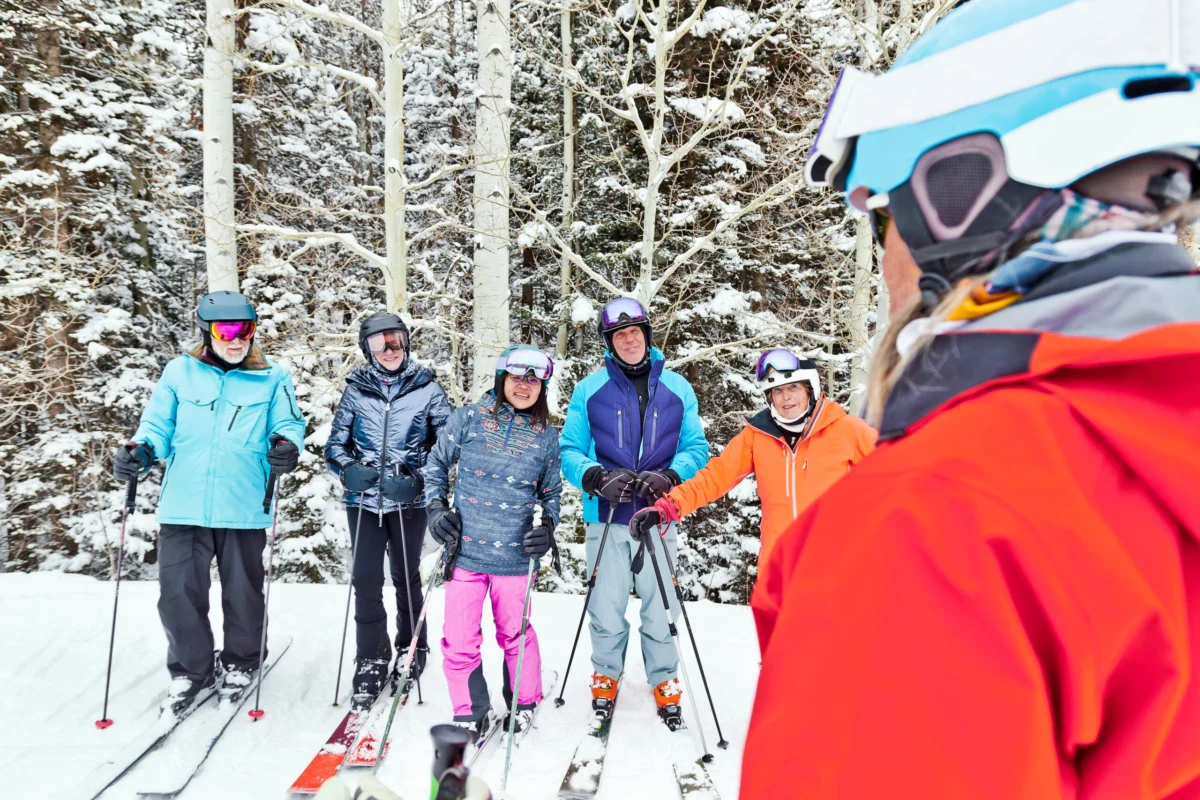
Updated July 20, 2026
The ski industry finds itself at a critical crossroads. For years, trade organizations, resort operators, and marketing boards have articulated a singular, urgent mission: to grow the sport and ensure its long-term relevance. Yet, as the industry faces shifting demographics and an increasingly competitive leisure landscape, it remains shackled to a pricing model that effectively serves as an exclusionary barrier.
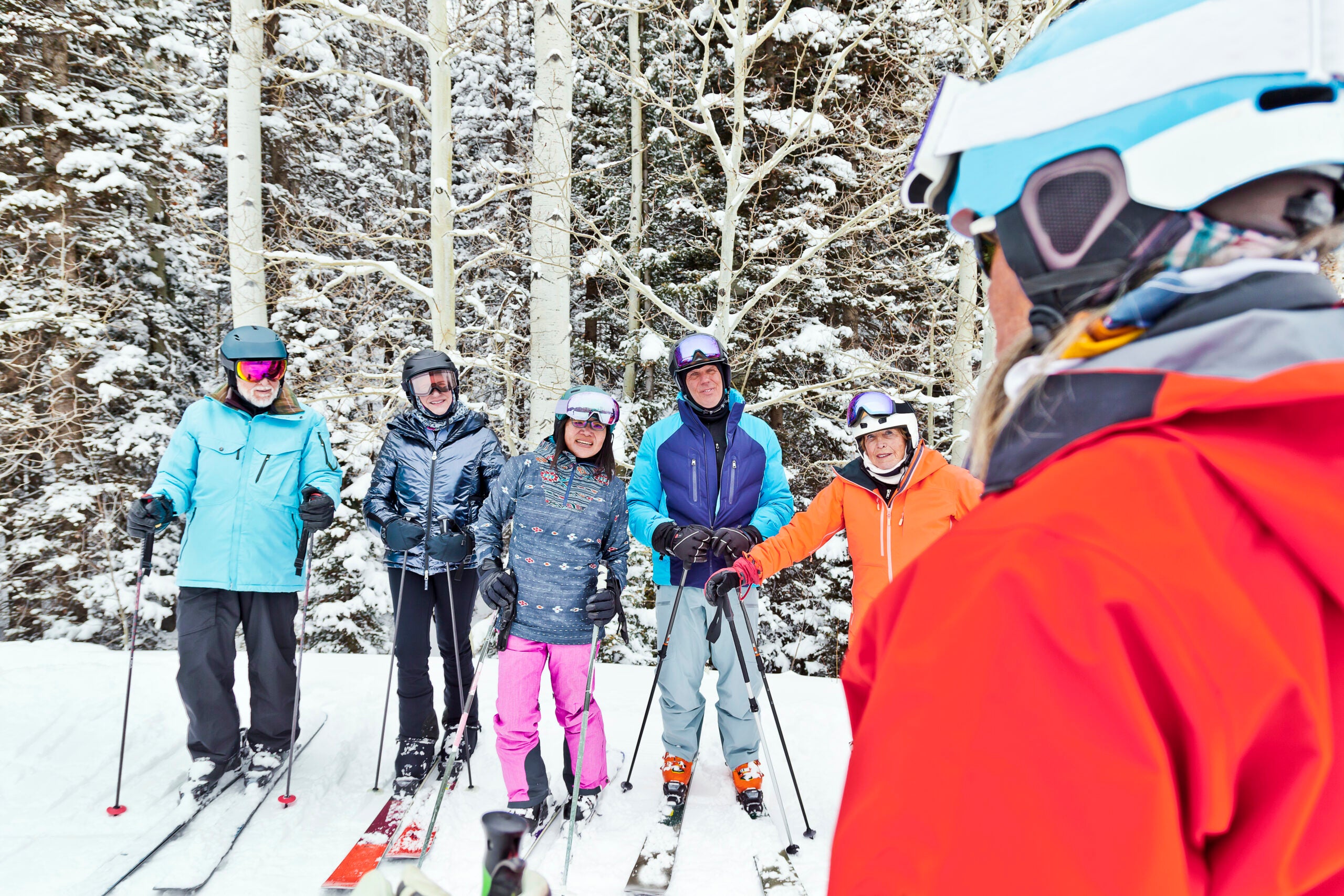
While a savvy traveler can navigate the expenses of a ski vacation—finding lodging in neighboring towns, utilizing public transit, or packing a lunch—there is one pillar of the experience that remains stubbornly, and perhaps fatally, expensive: professional instruction. With group lessons often exceeding $300 and private sessions pushing well past $1,000, the industry is not merely pricing out the middle class; it is actively discouraging the next generation of enthusiasts from ever taking that first, tentative slide down a beginner slope.
The Misguided Economics of Instruction
At the heart of this issue lies a fundamental strategic error. North American ski resorts have increasingly treated instructional programs as "profit centers" rather than the essential customer acquisition tools they truly are.
In a healthy business model, an introductory service is designed to lower the friction of entry. By prioritizing short-term margins on lessons, resorts are sacrificing the "Lifetime Value" (LTV) of a customer. A beginner who experiences a successful, affordable, and safe introduction to the sport is a potential multi-decade customer. They are the future season pass holders, the consumers of high-end equipment, the patrons of on-mountain dining, and the parents who will eventually introduce their own children to the slopes.
When the industry turns a "first-timer" experience into a financial hurdle, they are not just losing a single sale; they are effectively closing the door on a lifelong relationship.
Safety and the Hidden Cost of "Self-Teaching"
The implications of these prohibitive costs extend far beyond the balance sheets of ski resorts. There is a tangible, public safety crisis exacerbated by the lack of affordable professional guidance.
Each winter, headlines are marred by reports of tragic collisions involving trees, lift towers, and other skiers. While high speeds and poor judgment are often cited as the immediate causes, a significant contributor is the lack of foundational knowledge. Because formal instruction is out of reach for many, thousands of aspiring skiers are forced to "wing it." They rely on the advice of friends—who may be equally unskilled—or turn to the fragmented, often dangerous tutorials found on social media platforms.
By failing to subsidize instruction, the industry is inadvertently fostering a culture of bad habits. Novice skiers are failing to master basic speed control, safe turning mechanics, and proper mountain etiquette. When you make learning inaccessible, you are not just keeping people off the slopes; you are ensuring that those who do participate are doing so without the safety tools required to navigate the mountain responsibly.
The Global Disparity: Why North America Is an Outlier
Perhaps the most damning indictment of the current North American pricing model is the international evidence. The assertion that high lesson prices are an unavoidable result of labor costs or resort overhead evaporates when compared to the global market.
In the European Alps, a skier can often secure five full days of group instruction for roughly $600—a price point that wouldn’t cover two days of private instruction at many prominent U.S. resorts. In Japan, a full-day adult lesson regularly hovers around the $100 mark. Even in South America, where infrastructure and logistics present unique challenges, one can find a full week of lessons for under $500.
These figures force a difficult question: Why is the North American model the outlier? While labor markets and insurance costs certainly differ, they do not justify a 500% to 1,000% premium compared to our international counterparts. This isn’t a reflection of "value-added" service; it is a reflection of a monopolistic landscape where resorts control both the terrain and the instruction, leaving the consumer with zero leverage.
The "Instructor Pay" Paradox
Industry defenders frequently pivot to a defense of the labor force, arguing that instructors deserve higher wages and that high lesson prices are necessary to support them. While the sentiment is noble, the reality is frequently different.
In many resort settings, the instructors themselves see only a small fraction of the astronomical fees charged to the guest. The lion’s share of the revenue is absorbed by the resort’s administrative and operational overhead. Furthermore, by enforcing strict policies that prohibit independent instruction on resort property, mountains have effectively eliminated competition. If a guest could hire an independent instructor for a lower rate—or if they could form small, private cohorts—the market would naturally find a more equitable equilibrium. Instead, the current model keeps wages suppressed while costs for the guest remain at record highs.
Bridging the Gap: Lessons from the Independent Sector
While the "mega-resort" model continues to prioritize high-margin revenue, there are glimmers of hope within the industry. Some smaller, independent ski areas have recognized that the key to survival is not maximizing the price of a single lesson, but maximizing the volume of new skiers.
The Power of Subscription and Incentive
The most successful programs are those that move away from the "pay-per-lesson" model. Multi-day or season-long lesson programs provide a structured pathway for progression, making the investment feel like a commitment to a skill rather than a one-off expense.
The "Class Pass" Model
Programs like the 3-Class Pass at Colorado’s Loveland Ski Area serve as a blueprint for the industry. By awarding a full season pass to participants upon the completion of a series of lessons, these resorts are successfully converting learners into committed, returning customers. It is a win-win: the resort gains a loyal visitor, and the learner gains an affordable, structured entry point into the sport.
Official Responses and Industry Stance
The National Ski Areas Association (NSAA) and major multi-mountain operators have historically defended current pricing by pointing to the "cost of doing business." When pressed, resort spokespeople cite the rising costs of snowmaking, energy consumption, and the high expense of liability insurance.
However, there has been a noticeable shift in rhetoric in recent years. As industry data shows a slight plateau in the growth of new participants, some operators have begun to pilot "Learn to Ski and Ride" months, offering heavily discounted packages during early or late-season windows. While these initiatives are a step in the right direction, they remain temporary marketing tactics rather than a fundamental restructuring of the industry’s economic foundation.
Implications for the Future of Skiing
The long-term health of the ski industry depends on its ability to evolve from a "luxury experience" to an "accessible recreation." If the current trend continues, skiing risks becoming a niche hobby for the ultra-wealthy, further distancing itself from the broader public.
The consequences of this trajectory are clear:
- Demographic Contraction: An aging core of participants without a steady pipeline of younger, newer skiers.
- Reduced Cultural Impact: As the sport becomes less accessible, it loses its place in the broader cultural conversation, making it harder to advocate for public land use and environmental protection.
- Safety Degradation: A continuing rise in incidents caused by a lack of formal education, which could lead to increased regulation and insurance premiums for everyone.
Conclusion: A Shift in Priorities
Ultimately, the debate over the cost of ski lessons is not a debate over affordability—it is a debate over priorities. Every resort operator in North America must decide what kind of business they are running. Are they in the business of harvesting short-term profits from a declining pool of affluent guests, or are they in the business of cultivating a lifelong community of outdoor enthusiasts?
If the goal is truly to grow the sport, the pricing of instruction must be decoupled from the desire for immediate revenue. Ski lessons should be treated as a loss leader, an investment in the human capital of the mountain. By making the "yes" easy for a beginner today, the industry secures its relevance for decades to come.
The snow is there, the mountains are ready, and the demand exists. It is time for the ski industry to stop charging for the privilege of learning and start investing in the future of the sport. Anything less is a disservice to the very mountains they claim to steward.

 Iffa Jayyana

 Neng Nana
 Nana Wu
 Lina Hope

 Sagoh
Sagoh