
 Dwi Wanna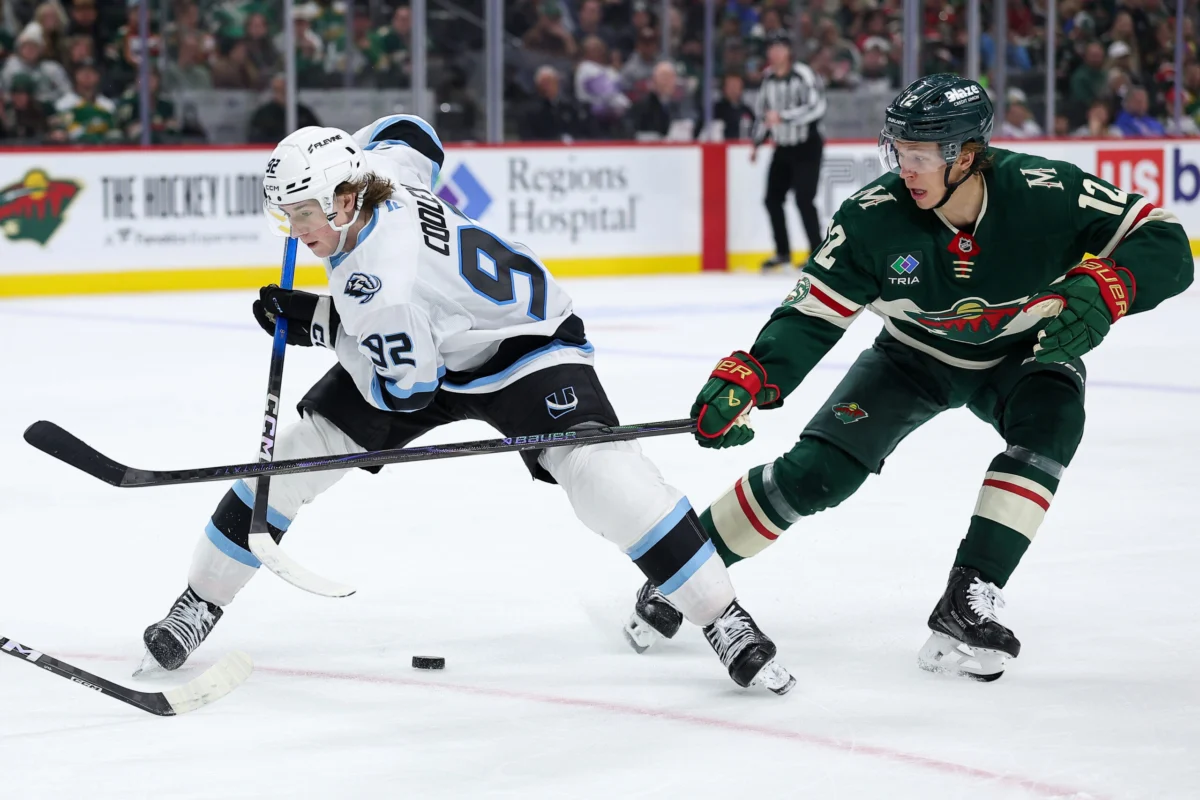
In the modern NHL, the difference between a dynasty and a rebuild is often measured in the precise calibration of the “contention window.” The most successful organizations are those that master the art of the blend: combining ascending, cost-controlled young talent with battle-hardened veterans in their prime. Look no further than the 2025-26 Carolina Hurricanes, a blueprint for modern excellence. By balancing the electric upside of players like Seth Jarvis, Logan Stankoven, and Jackson Blake with the seasoned stability of Jaccob Slavin and Jordan Staal, Carolina has managed to keep its Stanley Cup window not just open, but wide ajar.
But as the league shifts toward a new era of parity, where do the teams of the Central Division stand? Following our analysis of the Atlantic, we now turn our attention to the Central—a division that has long served as a gauntlet of powerhouses but is currently experiencing a profound power shift.
Window Wide Open: The Elite Contenders
Dallas Stars: The Sustainable Powerhouse
Critics might look at Dallas’ first-round exit this past spring and the departure of promising forward Mavrik Bourque as signs of decline. They would be wrong. While legends like Jamie Benn and Tyler Seguin enter their twilight years, the Stars have built a roster of such profound depth and age-appropriate balance that they remain a threat to win the division for the foreseeable future.
The core is undeniably elite. Jason Robertson, arguably a top-10 offensive talent in the world over the last half-decade, is just 26. Alongside him, the versatile Wyatt Johnston—a league leader in power-play production—continues to defy expectations at 23. With Miro Heiskanen (26) and Thomas Harley (24) anchoring the blue line, and Jake Oettinger (27) serving as a bedrock in the crease, Dallas is built for long-term dominance. Provided the organization secures a long-term resolution for Robertson’s pending contract, the Stars aren’t just contenders; they are the gold standard for structural longevity in the Central.
Utah Mammoth: The Division’s New Architects
If the Stars are the current kings, the Utah Mammoth are the usurpers waiting in the wings. Their trajectory has been nothing short of surgical, showing consistent, incremental point growth—from 57 to 70, 77, 89, and finally 92 points—over the last five seasons.
Utah’s strategy is built on a "multi-wave" approach. They have successfully blended veteran stabilizers like Vincent Trocheck, Anders Lee, and MacKenzie Weegar with prime-age stars like Clayton Keller, Nick Schmaltz, and Mikhail Sergachev. Beneath them lies a foundation of high-end youth: Logan Cooley and Dylan Guenther are already impacting the game, while the arrival of prospects like Tij Iginla and goaltender Sebastian Cossa suggests the depth will only increase. Utah is not just a team of the future; they are a legitimate dark horse for a 2026-27 Stanley Cup run.
Win-Now Window: The All-In Organizations
Colorado Avalanche: Pressure at the Summit
The Colorado Avalanche are the personification of the "go-for-broke" mentality. Coming off a Presidents’ Trophy win but suffering a jarring, sweep-induced exit in the 2026 Western Conference Final, the pressure in Denver is palpable.
Led by Nathan MacKinnon, who remains at the height of his powers at 30, the Avs have sacrificed their future to fuel their present. With no first-round picks in the system and futures traded through 2028, the organization is effectively betting everything on the next 24 months. For coach Jared Bednar, the mandate is clear: win now or face the consequences. The roster is built for the here-and-now, but the lack of an infusion of cheap, young talent puts the Avalanche in a precarious position should they fail to lift the Cup in the coming season.
Minnesota Wild: The Hughes Era
The Wild signaled their definitive shift to a "win-now" stance in the fall of 2025 by signing Kirill Kaprizov to a $17-million AAV contract and acquiring Quinn Hughes in a blockbuster deal involving prospect Zeev Buium. It was a massive statement of intent from GM Bill Guerin.
While the Wild have a solid young core—including Brock Faber and Jesper Wallstedt—they are operating with the urgency of a team that knows their window with Hughes is finite. The recent acquisition of Blake Coleman highlights their desire to add grit for a deep playoff push, and rumors of a Dylan Larkin trade persist. Minnesota understands that in the current Central Division, you cannot simply wait for growth; you must manufacture it through aggressive roster management.
Window Closing: The Crossroads
Winnipeg Jets: Regret and Regression
The Winnipeg Jets serve as a cautionary tale of what happens when the next wave of talent fails to crest. After a dominant stretch that saw them secure the Presidents’ Trophy, the team suffered a shocking collapse, becoming the first top-seed in nearly two decades to miss the postseason the following year.
The issue isn’t the top-end talent; Mark Scheifele, Kyle Connor, and Josh Morrissey remain elite. The problem is the vacuum behind them. The 2017-2022 draft classes failed to produce the secondary scoring and defensive support needed to sustain momentum, compounded by the unfortunate loss of prospects like Chaz Lucius. With Nikolaj Ehlers already departed and goaltender Connor Hellebuyck the subject of persistent trade rumors, the Jets look like a team whose primary window slammed shut in 2025. They are now tasked with a rapid retooling to avoid a prolonged descent into the bottom of the standings.
Foggy Windows: The Uncertain Middle
Nashville Predators: The Generational Gap
Nashville is a team in a state of suspended animation. Under the combined influence of past management and current operations, the roster has become an odd hybrid of aging stars—Stamkos, O’Reilly, Marchessault, and Josi—and a growing group of young, unproven assets like Luke Evangelista and Matthew Wood.
The Predators are neither rebuilding nor contending. They possess a massive age gap, missing the critical 23-to-27-year-old "prime" players who typically bridge the gap between prospect and veteran. While they continue to secure high-end draft picks, the transition from an old, expensive core to a young, hungry one has been anything but seamless. Nashville’s performance next year could result in anything from an 80-point finish to a 100-point playoff push, leaving fans and analysts in a state of permanent uncertainty.
St. Louis Blues: The Retooling Paradox
The St. Louis Blues are currently playing a dangerous game of "retooling." By trading away established pieces like Jordan Kyrou while simultaneously bringing in veterans like Brandon Carlo and acquiring Mason McTavish, the Blues have refused to commit to a direction.
They have a strong core of young-to-mid-prime players in Robert Thomas, Dylan Holloway, and Dalibor Dvorsky, but the defense remains anchored by aging veterans like Cam Fowler and Colton Parayko. Like Nashville, the Blues are stuck in the middle, lacking the high-end ceiling to challenge the Stars or Avalanche, but possessing enough talent to avoid a true bottom-out.
Window Under Construction: The Long Game
Chicago Blackhawks: The Bedard Sweepstakes
Chicago’s rebuild is entering its most critical phase. The statistics are modest—a .439 points percentage being their high-water mark over the last five years—but the pedigree of their prospect pool is undeniable. With Connor Bedard, Frank Nazar, Anton Frondell, and Artyom Levshunov, the Blackhawks have the raw materials to become a dynasty.
However, potential is not production. The team finished last in 5-on-5 expected goal differential last year, signaling that they are still far from being a competitive unit. GM Kyle Davidson’s decision to trade a top-four pick for Bowen Byram and hand him a massive contract indicates that the patience of the front office is wearing thin. Chicago is clearly trying to force-start their competitive window. While it is possible that the sudden emergence of their young stars could spark a "Sharks-style" surge, the injury to Bedard, which will keep him out until November, has already put them behind the eight-ball for the 2026-27 campaign.
Implications for the Central Division
The 2026-27 season will likely be defined by the "Great Compression." As the elite teams (Dallas, Utah) look to tighten their grip and the desperate teams (Colorado, Minnesota) push their chips to the middle of the table, the middle-class organizations (Nashville, St. Louis) face a choice: commit to the youth movement or risk irrelevance.
For the fans, the message is clear: the Central Division is shifting. Whether through the calculated growth of Utah or the aggressive, high-stakes maneuvers of Minnesota, the landscape of the division is being rewritten in real-time. Success in the modern NHL is no longer about having the best players; it is about having the best timing. And in the Central, the clock is ticking for everyone.

 Siti Muinah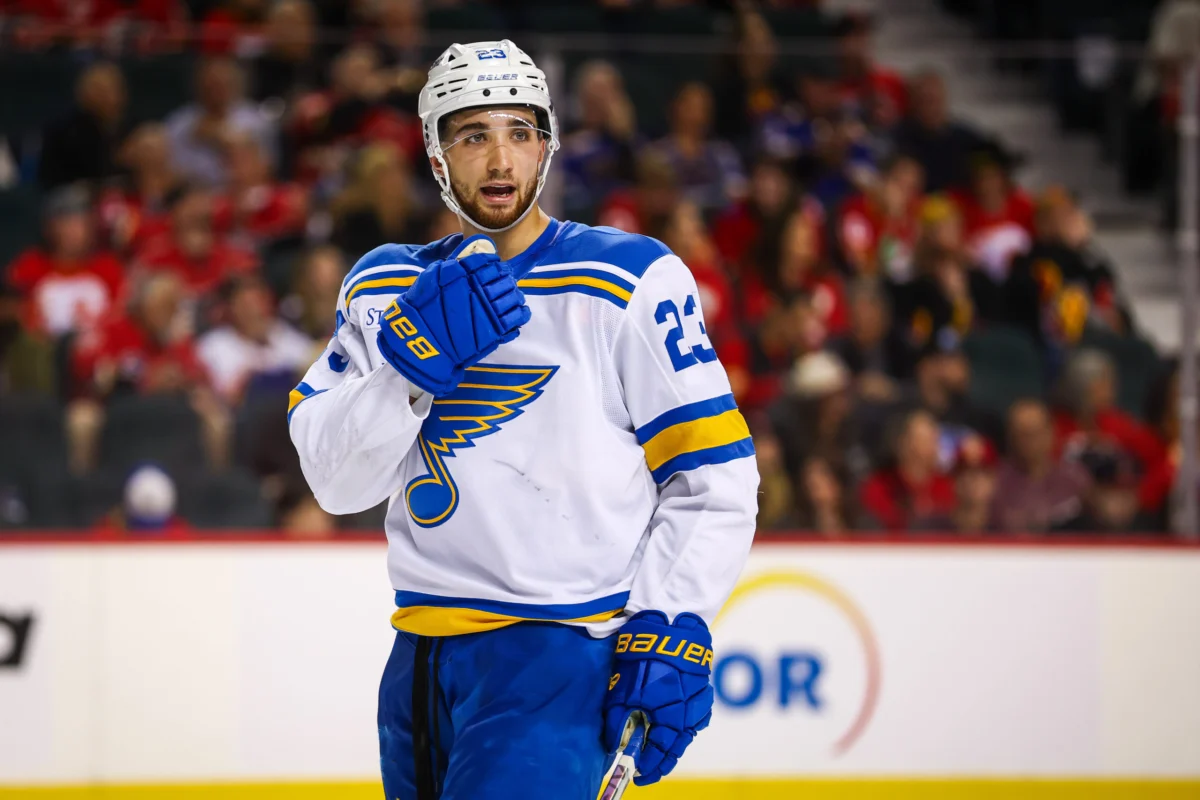
 Asro
Asro
 Neng Nana
 Nana Wu
 Lina Hope

 Sagoh
Sagoh
 Iffa Jayyana