
 Ali Ikhwan
Published: July 23, 2026
As the dog days of summer settle over the Northern Hemisphere, a different kind of heat is making waves thousands of miles away in the Pacific Ocean. If you have been keeping even a casual eye on the meteorological horizon, you have likely encountered the term "Super El Niño." For the average person, it sounds like a headline-grabbing buzzword, but for the millions of skiers and snowboarders who saw their previous winter stunted by unseasonably dry conditions, it represents a glimmer of hope—or perhaps a warning.
After a 2025–2026 winter season that left many Western and Southwestern resorts grappling with thin bases and lackluster snowfall, the ski community is hungry for redemption. But is this looming climate phenomenon a guaranteed ticket to powder-filled nirvana, or is it merely atmospheric hype? To understand what might be coming, we must look beyond the brochures and examine the science, the historical data, and the professional insights shaping the upcoming winter travel landscape.
The Science of the Super El Niño: What Does it Actually Mean?
At its core, an El Niño event is a recurring climate pattern characterized by the warming of ocean surface temperatures in the central and eastern Pacific, specifically near the Equator. When these temperatures rise significantly above their long-term average, they alter the global atmospheric circulation. A "Super" El Niño—a term reserved for the most extreme of these events—implies that the ocean-atmosphere coupling is exceptionally strong, potentially triggering weather patterns that deviate wildly from the norm.
"This winter has the potential to be the strongest El Niño on record," says Alan Smith, a lead meteorologist at OpenSnow. According to Smith, the mechanism is relatively straightforward in theory, though notoriously complex in practice. "El Niño events generally favor an active subtropical jet stream. When this happens, we tend to see a strong, persistent, and frequent storm track pushing across the southern tier of the United States."
In the winter months, this shift in the jet stream acts like a conveyor belt for moisture. Instead of storms heading toward the Pacific Northwest, they are often steered toward the Southwest, Southern Rockies, and California. However, the intensity of this "Super" event introduces a variable of unpredictability.
"There could be some surprises this winter, for better or worse," Smith notes. "I think this could really throw the atmosphere into some potentially chaotic patterns that we might not be able to foresee. While the trends point toward increased precipitation, the precise interaction between temperature and moisture is never guaranteed."
Chronology of a Climate Shift: Tracking the Development
To understand why experts are currently on high alert, one must look at the progression of oceanic data over the last twelve months:
- Winter 2025/2026: A significantly shorter and drier-than-average winter left much of the American West with subpar snowpack, creating a "snow-starved" mindset among enthusiasts.
- Spring 2026: Meteorologists began detecting a rapid transition in Pacific surface temperatures. The cooling associated with La Niña patterns dissipated, and anomalous warmth began to pool in the tropical Pacific.
- Early Summer 2026: By June and July, satellite imagery and buoy data confirmed that the warming was not only sustained but accelerating. Climate models began to shift toward a "Super" designation, prompting early alerts for global weather agencies.
- July 2026 (Present): Ocean temperatures remain at record highs for this time of year. Meteorologists are now analyzing how this heat will interact with the arrival of the autumn polar vortex.
Supporting Data: Playing the Odds for the Powder Chaser
While no weather forecast is a crystal ball, historical data provides a roadmap for what a strong El Niño typically delivers. By overlaying past Super El Niño years with current moisture projections, we can begin to see where the "winners" and "losers" of the 2026–2027 season might be.
The Regional Outlook
- The Southwest & Southern Rockies: This region—including New Mexico, Arizona, and Southern Colorado—historically benefits the most from El Niño cycles. The southerly storm track often delivers consistent, heavy snowfall to these latitudes.
- California (The Sierra Nevada): California is one of the most volatile regions during El Niño. While it frequently receives massive, record-breaking dumps of snow, it is also susceptible to atmospheric rivers that can bring heavy rain at lower elevations if temperatures are too high.
- The Northwest & Canada: These regions often face the inverse of the Southwest. An active subtropical jet stream often means the Pacific Northwest may experience a drier or warmer-than-average winter, as the primary storm track is pulled south.
- The Northeast: This remains the "wild card." El Niño typically brings a mix of potentially wetter conditions, but the proximity to warm Atlantic air masses makes it difficult to predict whether that moisture will fall as deep, cold powder or heavy, wet, and ephemeral snow.
Expert Perspectives: Planning a Season in Uncertainty
For the average skier, the challenge is how to translate these broad climate trends into a concrete travel itinerary. Darin Smith, a prominent ski-travel expert at Ski.com, advises a shift in strategy.
"Don’t bet the farm on a single region based on a long-range forecast," he warns. "The best strategy for this year is to prioritize resorts that offer a ‘value-add’ beyond just the skiing. If the snow isn’t 100 percent, you want an environment where your family or group still feels like they’re having a high-quality vacation."
Darin suggests that high-altitude resorts are the safest bet this year. "Regardless of the storm track, high-elevation bases like those found in Colorado are more likely to hold onto their snow and maintain cold temperatures, mitigating the risk of a ‘rain event’ that might plague lower-elevation resorts during a warmer El Niño year."
Recommended Destinations for the 2026/2027 Season
Based on the expert consensus regarding the incoming weather patterns, here are the top picks for the upcoming season:
1. Telluride, Colorado
The San Juan Mountains are the gold standard for El Niño performance. Telluride offers a unique combination of high-alpine terrain and a charming, walkable downtown. Because of its southern position, it sits directly in the path of the projected storm track, making it a statistically sound bet for deep snow.
2. Mammoth Mountain, California
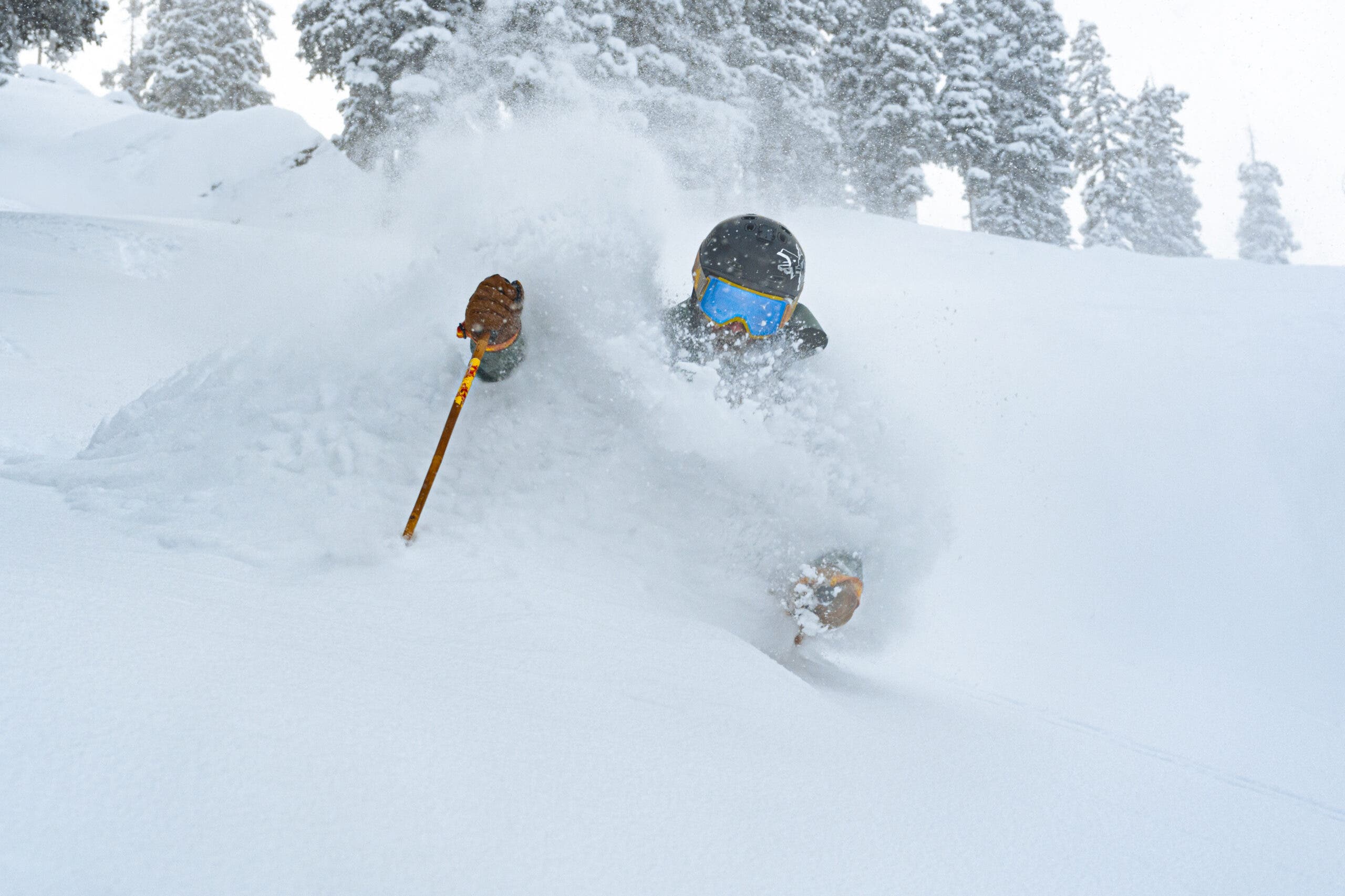
For those who want to chase the "endless winter," Mammoth is the premier destination. Its elevation and geographic position in the Eastern Sierra make it a frequent recipient of massive storm cycles. It is a big-mountain experience that remains one of the most reliable resorts in North America for late-season skiing.
3. Sun Valley, Idaho
While the Northwest is often drier during El Niño, Sun Valley is a unique outlier due to its specific orientation and local microclimate. It offers a historic, "old-school" ski town experience. With the recent expansion of terrain and lift capacity, it is an excellent destination for families who want a mix of history and modern amenities.
4. Aspen Snowmass, Colorado
Aspen remains the perennial favorite for a reason. Its four-mountain complex offers something for every skill level, and its massive infrastructure ensures that even in sub-optimal snow years, the grooming and overall guest experience remain top-tier. It is the perfect choice for those who value the "après-ski" lifestyle as much as the vertical drop.
5. Taos Ski Valley, New Mexico
For the advanced skier, Taos is arguably the most exciting destination on this list. It is a technical, challenging mountain that thrives when the Southern Rockies are hit by moisture. It offers an authentic, artsy Southwestern cultural experience that is fundamentally different from the corporate ski-resort atmosphere found elsewhere.
Implications for the Future of Ski Travel
As we move into the late summer of 2026, the "Super El Niño" narrative serves as a reminder of how interconnected our ski lives are with the health of the global climate. While the promise of powder is exciting, the volatility of these systems highlights the need for flexibility in travel planning.
The era of "guaranteed" seasons is becoming a relic of the past. Today’s skier must be a more informed consumer—one who understands that a great ski trip is no longer just about the depth of the base, but about the resilience of the resort, the versatility of the terrain, and the ability to find joy in the mountains, regardless of what the jet stream decides to do.
Whether this winter turns out to be a record-breaker or a "chaotic" surprise, the best advice remains the same: pack your gear, maintain a sense of adventure, and perhaps most importantly, keep a close eye on the forecast—but leave enough room in your heart for the unexpected.

 Iffa Jayyana
 Azzam Bilal Chamdy
 Neng Nana
 Nana Wu
 Lina Hope

 Sagoh
Sagoh