
 Asro
Asro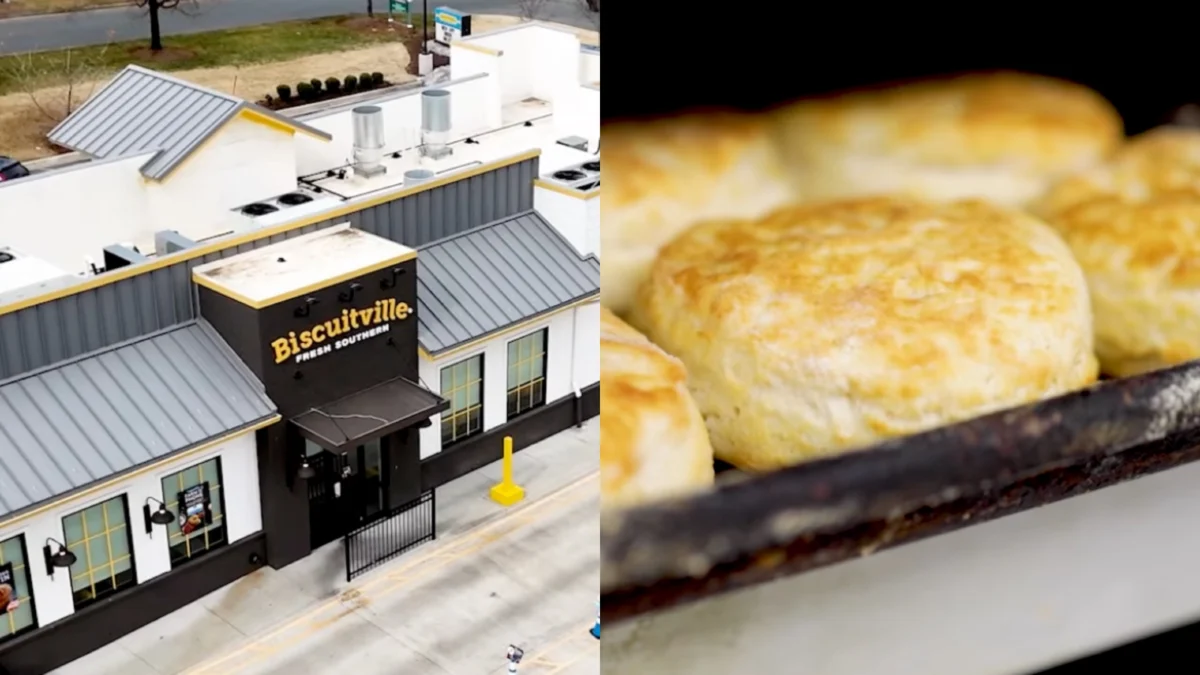
In an industry dominated by multinational conglomerates with thousands of locations and multi-billion-dollar marketing budgets, a regional powerhouse has once again defied the odds. Biscuitville, a chain operating exclusively within the borders of North Carolina, South Carolina, and Virginia, has officially been crowned the best fast-food breakfast in the United States for the fourth consecutive year.
The prestigious ranking, published by USA Today’s 10Best readers’ choice awards, highlights a fascinating shift in consumer preference: a growing appetite for "authentic" regional craftsmanship over the standardized, mass-produced offerings of global titans like McDonald’s and Burger King. Despite having a footprint of only 90 locations, Biscuitville has managed to hold the top spot for four years running, a testament to the power of high-quality, made-from-scratch ingredients in a competitive market.
The Main Facts: A David vs. Goliath Victory
The USA Today 10Best list is determined by a combination of expert input and public voting, making it a reliable barometer for general consumer sentiment. In this year’s results, Biscuitville secured the gold, while Farmer Boys and Del Taco claimed the second and third positions, respectively.
The most striking aspect of this year’s rankings is the displacement of industry heavyweights. McDonald’s, the undisputed king of global fast-food, finished in fourth place, while Chick-fil-A—often cited as the industry leader in customer service and quality—slipped into fifth. Rounding out the top seven were Burger King in sixth and Wendy’s in seventh.
For a chain with just 90 stores, holding off the might of the "Big Three" (McDonald’s, Burger King, and Wendy’s) is no small feat. It suggests that the modern breakfast consumer is increasingly valuing the "homemade" aesthetic—a core pillar of the Biscuitville brand.
A Chronology of Consistent Excellence
Biscuitville’s dominance is not a one-off stroke of luck. It is the result of a deliberate, multi-year strategy focused on product consistency and brand identity.
The Rise to Prominence
While Biscuitville has been a staple in the Carolinas and Virginia for decades, its national recognition began to soar around 2021. As the fast-food industry underwent significant turbulence during the pandemic, consumers shifted their spending toward comfort foods that provided a sense of normalcy. Biscuitville’s "farm-to-table" ethos—specifically their focus on hot, scratch-made biscuits—resonated deeply with a public craving authentic, non-industrialized food.
The Four-Year Streak
- 2021: Biscuitville first captures the top spot in the 10Best awards, signaling a shift in national interest toward regional chains.
- 2022: The chain doubles down on its marketing, emphasizing its "grandma-approved" recipes, securing the win for a second year.
- 2023: Despite increased competition from major chains revamping their breakfast menus, Biscuitville retains the crown.
- 2024: The fourth win solidifies the brand as a juggernaut of the breakfast sector, proving that its success is sustainable, not merely a trend.
The Secret Ingredient: The "Scratch" Difference
At the heart of the Biscuitville operation is a process that remains startlingly simple in an age of automation. Every 15 minutes, the staff at each location bakes a new batch of biscuits from scratch, utilizing a closely guarded family recipe. This cycle ensures that the product remains fresh throughout the morning rush, a stark contrast to the frozen or par-baked items utilized by many national competitors.
Kristie Mitchell, the chain’s Chief Marketing Officer, emphasized that the feedback from customers is the greatest indicator of their success. "We get comments all the time from our feedback line that say, ‘Your biscuit tastes just like my grandmother’s biscuit,’" Mitchell told Fox News. This emotional connection is difficult to manufacture at scale. When a brand can evoke a sense of home and nostalgia, it builds a level of customer loyalty that transcends the typical transaction.
The menu itself is a masterclass in Southern tradition. From the classic bacon, egg, and cheese biscuit to more indulgent offerings like fried chicken, country gravy, and stone-ground grits, the menu is intentionally narrow. By focusing on a few items and executing them perfectly, Biscuitville avoids the "menu creep" that often plagues larger chains, leading to better operational efficiency and higher quality control.
Supporting Data: Understanding the Landscape
To understand why Biscuitville’s victory is so significant, one must look at the competitive landscape. According to recent industry reports, the fast-food breakfast segment is the most profitable day-part for many quick-service restaurants (QSRs).
- McDonald’s: Maintains a massive market share, but its breakfast items are often critiqued for perceived lack of freshness.
- Chick-fil-A: Known for its chicken biscuit, the chain operates under a franchise model that prioritizes service speed, sometimes at the expense of the "artisanal" feel.
- Farmer Boys and Del Taco: These chains, which placed second and third, are also regional favorites that have gained cult-like followings for their specific niche offerings (Farmer Boys for farm-fresh ingredients, Del Taco for its unique breakfast burritos).
The data suggests that consumers are migrating away from "one-size-fits-all" menus. When a regional chain can provide a superior product, the "national" status of a competitor no longer acts as a shield against criticism.
Official Responses and Internal Philosophy
Despite the acclaim, Biscuitville’s leadership team remains remarkably grounded. There is an acute awareness within the company that winning the title for a fourth year brings its own set of challenges, particularly the risk of complacency.
"We have earned it, but we don’t want to live in a space where we come to expect it," Mitchell stated. This "hungry and humble" mentality is likely what keeps the quality high. The company views the awards as a benchmark for excellence, not a license to coast.
The internal philosophy at Biscuitville centers on the belief that a breakfast chain is only as good as its last biscuit. By limiting the growth of their locations to a manageable, geographically contiguous region, they have been able to maintain rigorous training standards for their biscuit makers. This operational discipline is the backbone of their award-winning status.
Future Implications: Growth vs. Integrity
The success of the brand naturally invites the question: Will Biscuitville go national? The company has already signaled an intent to expand its reach, with eyes set on entering states like Tennessee and Georgia.
The Challenges of Scaling
As the chain expands, it faces the "Scaling Paradox." If Biscuitville grows too fast, it risks losing the very quality that made it famous—the "scratch-made" nature of its products. Maintaining a 15-minute baking cycle in 90 stores is one thing; doing so in 900 stores requires a massive investment in labor and logistics.
However, the industry is watching closely. If Biscuitville can successfully navigate its entry into new markets while maintaining the quality of its biscuits, it could set a new blueprint for regional chains looking to disrupt the national landscape.
A Shift in Consumer Expectations
The fact that a regional chain has beaten the titans for four years straight indicates a wider shift in the American palate. Consumers are tired of the "cookie-cutter" experience. They want food that feels crafted, served by staff who are part of the local community. This trend is forcing national chains to rethink their strategies, with many now experimenting with "premium" breakfast lines and "fresh-cracked" eggs in an attempt to claw back market share from regional competitors.
Conclusion: The Breakfast Throne
Biscuitville’s four-year reign as the best fast-food breakfast in America is more than just a victory for a regional chain—it is a signal to the entire industry. It proves that in a world of technology and automation, the human touch, a reliable family recipe, and an unwavering commitment to quality still matter more than anything else.
As they look toward expansion into the wider Southeast, the challenge for Biscuitville will be to remain the "small" chain that everyone loves while growing into the big player they have proven themselves to be. If their track record is any indication, they are likely to continue putting the giants to shame, one fresh biscuit at a time.
For those who haven’t yet experienced the Southern staple, the hype is real. Whether it’s the flaky, buttery texture of their signature biscuit or the consistency of their service, Biscuitville has successfully captured the essence of the perfect morning meal. As the competition heats up and the breakfast wars continue to intensify, one thing remains certain: the best breakfast in America isn’t coming from a global conglomerate—it’s coming from a kitchen that still believes in doing things the old-fashioned way.


 Siti Muinah
 Laily UPN
 Nana
Nana
 Lina Hope
 Evan Lee Salim
 Ali Ikhwan