
 Reynand Wu
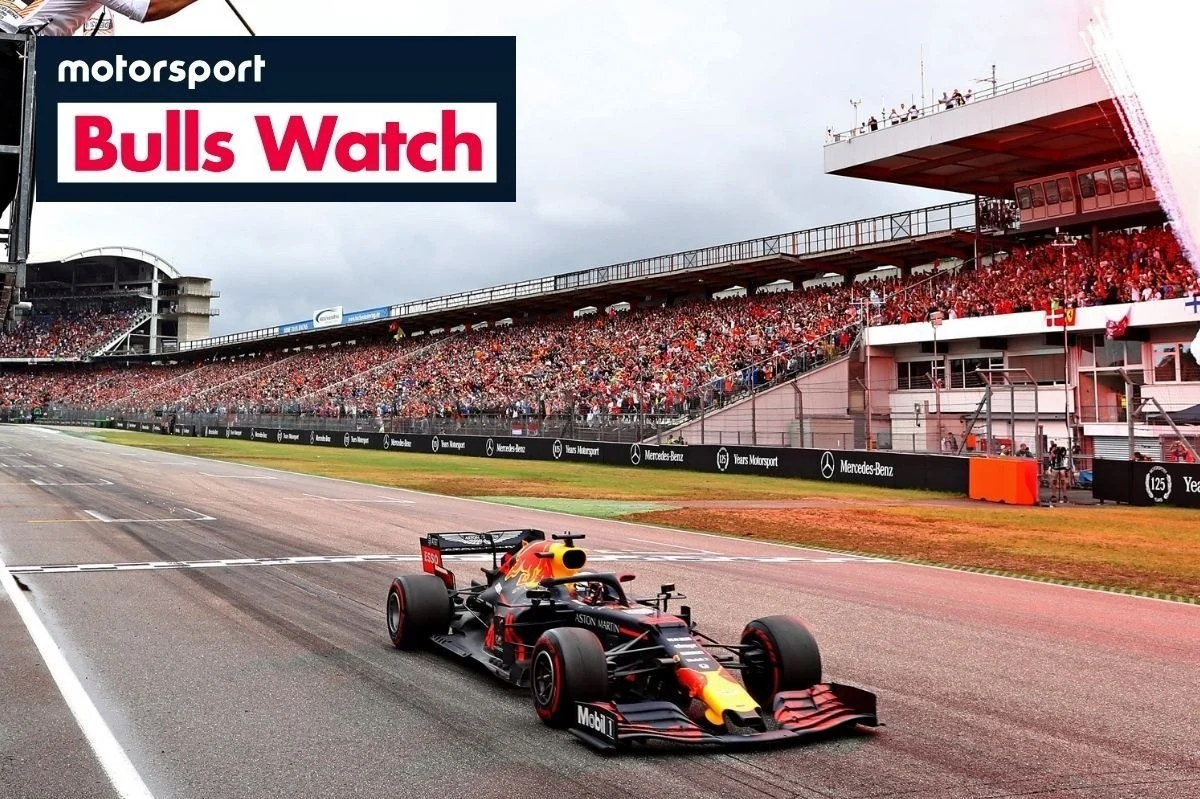
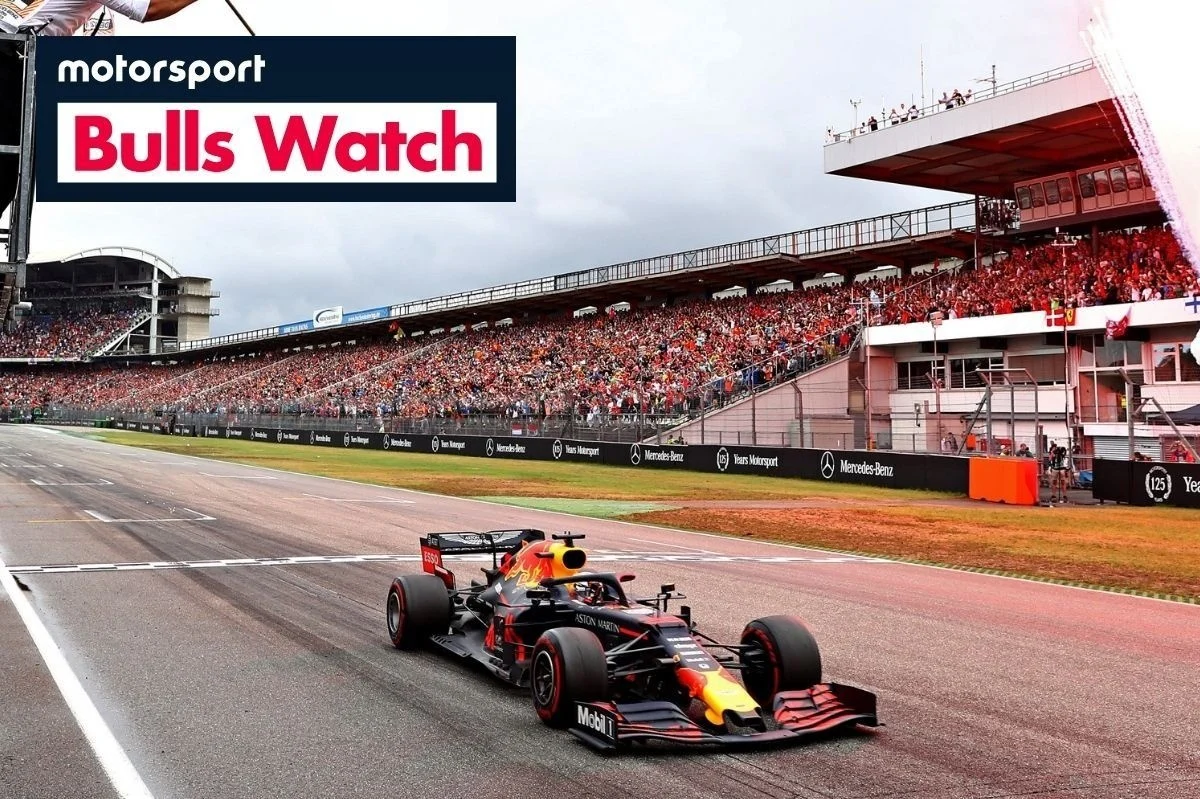
MILTON KEYNES — As the Formula 1 circus enters the high-stakes developmental phase of the 2026 regulations era, warning lights are flashing within the garage of reigning powerhouses Red Bull Racing. According to prominent broadcaster and former racing driver Naomi Schiff, the Milton Keynes-based team is once again grappling with a notoriously unforgiving technical platform—a dangerously narrow setup window that is actively compromising both Max Verstappen and teammate Isack Hadjar.
The underlying symptoms of this systemic design philosophy boiled over dramatically at the United States Grand Prix, where both Red Bull pilots saw their Sunday afternoons severely compromised before the race had even settled into its rhythm. What promised to be an electrifying strategic chess match at the Circuit of the Americas quickly devolved into an afternoon of intense damage limitation, laying bare the razor-thin operational margins that continue to haunt the team.
Main Facts: The Anatomy of a Compromised Weekend
The unfolding narrative of Red Bull’s early-season struggles centers on mechanical and operational volatility. At the United States Grand Prix, the limitations of the car were exposed in stark relief during the opening moments of the race:
- Isack Hadjar’s Launch Failure: The young French charger experienced a major start-line anomaly, suffering a critical launch issue that immediately dropped him down the order. The severity of the problem prompted Hadjar to vocalize his frustration bluntly over team radio, going as far as demanding a total redesign of the clutch system moving forward.
- Max Verstappen’s Power Unit Deficit: Starting near the sharp end of the grid, Verstappen suffered a distinct lack of electrical deployment out of Turn 1. This crucial energy deficit stripped him of his initial acceleration, instantly trapping him in the clutches of the chasing Ferrari pack and initiating a race-long defensive duel.
- The Narrow Setup Window: Speaking on the Up To Speed podcast, Naomi Schiff pointed out that these glaring start-line glitches are merely symptoms of a larger, chronic issue: a car that operates on a proverbial "knife’s edge."
- Strategic Friction: Compounding their mechanical woes, Verstappen voiced palpable frustration over team radio regarding Red Bull’s pit wall decisions. The Dutchman openly questioned the logic of being cycled back out into dense dirty air, admitting post-race that the team’s baseline strategic approach from the outset of the Grand Prix proved to be fundamentally flawed.
Chronology: How the United States Grand Prix Unraveled for Red Bull
The weekend in Austin, Texas, began with high expectations as Red Bull sought to fine-tune their packages under the complex 2026 power unit and aerodynamic regulations. However, the timeline of Sunday’s main event showcased how quickly optimism can transform into crisis management.
Pre-Race Expectations and the Grid Lineup
Anticipation was palpable in the hours leading up to lights out. Paddock analysts had predicted an epic, multi-team showdown. Fans and pundits alike were salivating over an expected front-row battle between Max Verstappen and Mercedes’ rising star Kimi Antonelli. Meanwhile, Isack Hadjar lined up further up the grid with genuine aspirations of springing a surprise, with many whispering that a maiden Formula 1 victory was within the realm of possibility if chaotic elements played into his hands.
The Disastrous Start (Lap 1)
The dreams of a Red Bull tactical masterclass were extinguished within seconds of the starting lights going out:
- As the field charged toward Turn 1, Hadjar’s car bogged down drastically due to the clutch launch issue, leaving him swamped by the midfield traffic and triggering immediate panic on his side of the garage.
- Simultaneously, Verstappen released the clutch, only to find himself starved of the vital electrical deployment required to fight off the acceleration of the cars around him. Deprived of standard power delivery exiting Turn 1, Verstappen was swallowed up, forfeiting critical track position.
The Mid-Race Defensive Struggle
With both drivers forced onto the back foot, the Grand Prix transformed into a grueling exercise of survival:
- Verstappen found himself locked in a punishing, race-long battle against the Scuderia Ferrari cars. Unable to cleanly use his aerodynamic or power advantages in the turbulent wake of rival machinery, the Dutchman’s progress was severely bottlenecked.
- Frustrations boiled over on the radio waves as Verstappen questioned the pit wall’s tactical sequencing. Being dumped repeatedly into dirty air degraded his tires and sapped his pace, rendering strategic recovery nearly impossible.
- Hadjar, meanwhile, spent his afternoon trying to claw his way back through the points-paying positions, his early-race momentum utterly ruined by the launch anomaly that forced him to call for emergency hardware revisions.
Post-Race Post-Mortems
As the checkered flag fell, the atmosphere in the Red Bull hospitality unit was subdued. Verstappen candidly admitted to the media that the team had miscalculated their overarching strategy from the very beginning of the weekend. Schiff and other paddock observers noted that the final finishing positions were entirely the byproduct of damage limitation rather than outright performance.
Supporting Data and Technical Context: The "Knife’s Edge" Philosophy
To truly understand Naomi Schiff’s assessment, one must examine the engineering philosophy that has defined Red Bull Racing over recent seasons. While the Milton Keynes outfit has historically produced championship-winning machinery by pushing technical boundaries, their cars have frequently been described by drivers as notoriously difficult to master.
[ Red Bull Technical Dilemma ]
       │
       ├─► Narrow Operating Window: Requires exact track temperatures and setup perfection.
       ├─► High Sensitivity: Minor asphalt or wind changes drastically alter handling.
       ├─► Driver Adaptability: Only an elite talent like Verstappen can consistently mask deficiencies.
       └─► Reliability & Launch Vulnerabilities: Complex power unit integration strains auxiliary systems (clutches/deployment).
Understanding the Setup Window
In modern Formula 1, a car’s "setup window" refers to the specific range of mechanical (springs, dampers, ride heights) and aerodynamic (wing angles, rake) settings wherein the car generates optimal downforce while preserving tire life.
- The Wide Window Approach: Some teams prioritize a forgiving, predictable operating window. These cars might not hold the absolute peak lap-time potential, but they are easy for drivers to drive across varying track conditions, temperatures, and fuel loads.
- The Red Bull Approach: Red Bull has historically engineered cars designed for absolute peak performance—seeking every fraction of downforce possible. To achieve this, the car must run extremely low, stiff, and with hyper-sensitive rake angles. When the car hits its sweet spot, it is unbeatable. However, when it falls outside that window by even a millimeter or a few degrees of track temperature, performance drops off a cliff.
The 2026 Regulation Complications
The introduction of the 2026 power unit and chassis regulations has only heightened these engineering tightropes. With an increased reliance on electrical energy deployment, sophisticated active aerodynamic elements, and brand-new sustainable fuels, manufacturers are navigating unprecedented technical territory.
Hadjar’s clutch complaints and Verstappen’s electrical deployment failure at Turn 1 underscore the immense difficulty of integrating these complex power units with bespoke transmission and launch systems. When a chassis is operating on a knife’s edge, even minor software calibrations or auxiliary hardware tolerances can trigger catastrophic performance losses on race day.
Official Responses and Paddock Reactions
Naomi Schiff’s analysis on the Up To Speed podcast has ignited widespread debate across the Formula 1 community, drawing reactions from analysts, fans, and insiders alike.
Naomi Schiff’s Critique
Schiff did not mince words when breaking down the reality of Red Bull’s current competitive standing:
"It was such a shame that they both didn’t get off the line there because it was a battle we were looking forward to between Max and Kimi, but then also Isack being in there could have really caused a little bit of an upset and potentially, who knows, clinched his first victory in Formula 1," Schiff stated.
"But that Red Bull this whole weekend, it just feels like there’s, besides the clutch, there’s a lot that needs to be looked at. It feels like there’s really not a very big operational window that works with that car, and that it’s really on a knife’s edge, as it has been for a number of years now."
She added regarding their Sunday recovery effort:
"I guess it was more of a damage limitation race for them from the get-go today. And Max admitting at the end that maybe the strategy call that they had from the beginning wasn’t right. We heard him over the radio being pretty passionate as well about them sending him back out into dirty air…"
Driver and Team Sentiments
While official team statements from Red Bull management have emphasized a commitment to analyzing the data and ironing out reliability and operational glitches, the body language within the camp speaks volumes. Max Verstappen’s candid post-race admissions highlight an underlying tension between driver feedback and pit-wall execution.
For Isack Hadjar, the rookie’s public demand for a clutch redesign marks a bold statement of intent. It proves that the younger generation of Red Bull drivers is unwilling to quietly suffer through mechanical deficiencies, placing direct pressure on the engineering department back in Milton Keynes to deliver reliable hardware.
Implications: What This Means for the 2026 Championship Battle
As the 2026 season progresses, the issues highlighted by Schiff and manifested in Austin carry profound implications for Red Bull Racing’s championship aspirations across both the Drivers’ and Constructors’ standings.
1. Development Direction and Resource Allocation
Red Bull’s engineers face a cruel dilemma: do they continue chasing absolute peak performance by maintaining the hyper-sensitive, narrow setup window, or do they pivot toward widening the operational envelope to make the car more forgiving?
- If they choose the former, they risk exposing both Verstappen and Hadjar to weekend-destroying inconsistencies whenever track conditions deviate from expectations.
- If they choose the latter, they might sacrifice raw pace, leaving them vulnerable to surging manufacturer rivals like Mercedes and Ferrari who may have engineered more stable, adaptable platforms for the new regulatory era.
2. Intra-Team Dynamics and Driver Morale
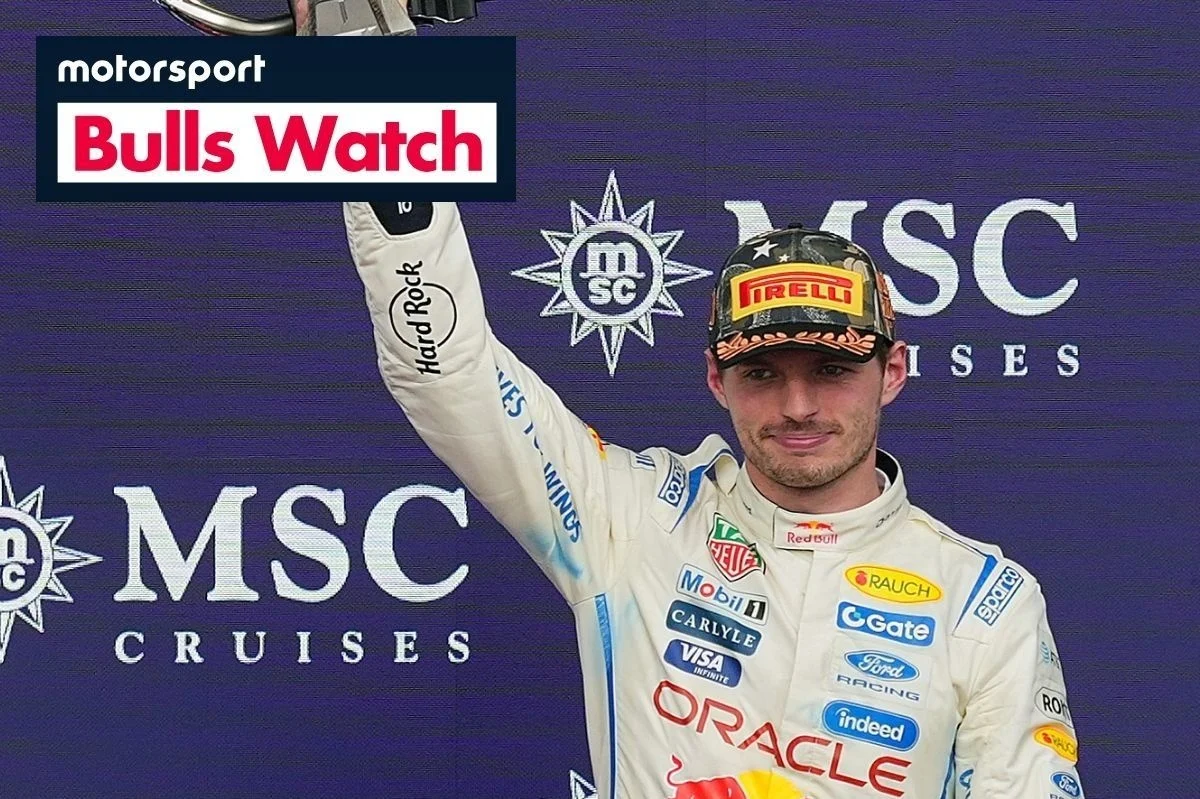
Max Verstappen is notoriously intolerant of uncompetitive machinery or strategic missteps. If Red Bull cannot provide him with a stable car capable of fighting at the front without operational hiccups, speculation regarding his long-term future will inevitably intensify.
At the same time, Isack Hadjar is navigating his development curve under immense pressure. Requiring hardware redesigns early in a campaign demonstrates resilience, but it also places a psychological burden on a young driver trying to prove he belongs among the sport’s elite.
3. The Threat from Competitors
The 2026 grid is simply too competitive to absorb unforced errors. With Ferrari showing race-pace shrewdness and Mercedes unlocking consistent speed, Red Bull can no longer rely purely on Verstappen’s extraordinary racecraft to bail them out of operational blunders. A narrow setup window means that if Red Bull misses the setup sweet spot during practice on Friday, they may find themselves locked out of the podium entirely on Sunday.
Conclusion
The warning sounded by Naomi Schiff serves as a timely reality check for Red Bull Racing. While the team remains one of the most formidable technical juggernauts in motorsport history, their reliance on a knife-edge operating window is proving to be a double-edged sword.
As the 2026 season gathers momentum, the ability of the Milton Keynes engineers to widen their car’s setup window, resolve auxiliary power unit integration flaws, and refine their race-day strategies will dictate whether they can sustain their championship dominance—or watch helplessly as their rivals sprint away into the distance.

 Ali Ikhwan
 rifanmuazin
 Neng Nana
 Siti Muinah

 Lina Hope
 Ammar Sabilarrohman