
 Siti Muinah
By Editorial Staff
October 26, 2026
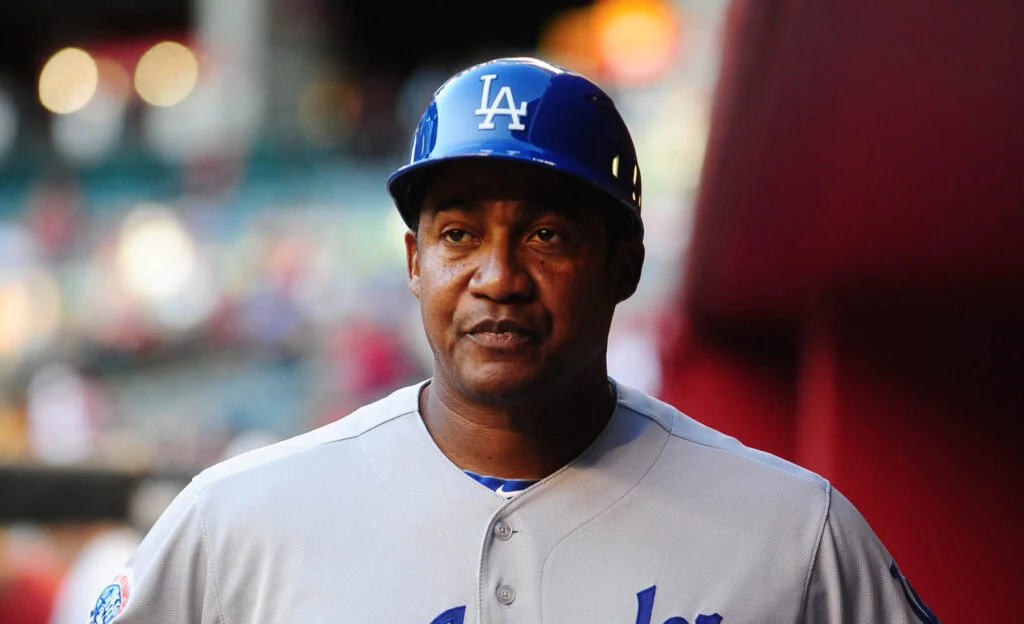
The New York Mets are entering a period of significant structural transition within their major league coaching staff as the offseason begins in earnest. In a move that highlights the organization’s commitment to internal development and long-term continuity, the club is set to promote longtime minor league staffer Mariano Duncan to the big-league dugout.
The announcement, first reported by Joel Sherman of The New York Post, marks a homecoming of sorts for the veteran baseball man, who has spent the better part of the last decade entrenched in the Mets’ farm system. While his specific title has yet to be formally unveiled, sources indicate that Duncan’s primary mandate will involve hands-on instruction for position players, leveraging his extensive experience as a utility specialist during his lengthy playing career.
This staffing update coincides with the narrowing of the Mets’ search for offensive leadership. Reports from both Mike Puma of The New York Post and Chelsea Janes of SNY confirm that two high-profile candidates previously linked to the vacancy—Kevin Long and John Mallee—are no longer under consideration, signaling that the front office has refined its strategic direction for the upcoming campaign.
The Main Facts: A Promotion from Within
Mariano Duncan, 63, represents a bridge between the Mets’ developmental pipeline and the pressure-cooker of the major league clubhouse. Having served as the bench coach for the Double-A Binghamton Rumble Ponies from 2022 to 2026, Duncan is intimately familiar with the organization’s current crop of prospects.
His promotion is widely viewed as a reward for his sustained tenure within the system. His duties are expected to be broad, focusing on positional versatility, base running, and the mental approach to the game—areas where Duncan excelled during his own 12-year tenure in Major League Baseball. By elevating a coach who has been a consistent presence in the lives of the organization’s young core, the Mets are betting on familiarity and established rapport to facilitate a smoother transition for players moving from the minor leagues to the majors.
Chronology: A Career of Persistence and Growth
To understand the weight of Duncan’s appointment, one must look at a career defined by longevity and adaptability.
The Playing Years (1985–1997)
Duncan’s professional journey began in the mid-1980s. Over a twelve-season span, he wore the uniforms of the Los Angeles Dodgers, Cincinnati Reds, Philadelphia Phillies, New York Yankees, and Toronto Blue Jays. A prototypical "utility man" before the term became a staple of modern analytical baseball, Duncan played every position on the diamond except for pitcher and catcher. This versatility provided him with a unique, panoramic view of the game—a perspective he has carried into his second career in the dugout.
The Coaching Pivot (2006–2018)
Upon hanging up his cleats, Duncan transitioned into coaching with the patience of a craftsman. He spent the early 2000s honing his pedagogy in the minor leagues before landing his first major league assignment with the Dodgers in 2006. He served as the Los Angeles first-base coach through the 2010 season, earning a reputation for his ability to connect with players across different cultural and linguistic backgrounds.
The Mets Era (2019–2026)
Duncan’s recent history with the Mets is characterized by his work in the trenches of player development:
- 2019: Serving as the hitting coach for the Kingsport Mets (Rookie Ball).
- 2020: Navigating the cancellation of the minor league season.
- 2021: Stepping into the role of bench coach for the High-A Brooklyn Cyclones.
- 2022–2026: Solidifying his role as the bench coach for the Double-A Binghamton Rumble Ponies, where he played a pivotal role in the development of the organization’s top-tier prospects.
Supporting Data: The Search for Offensive Guidance
The Mets’ coaching search has been a focal point of the early offseason, particularly regarding the vacancy created by the departure of director of hitting Jeff Albert.
The Kevin Long Situation
Kevin Long, who was recently let go by the Philadelphia Phillies, emerged as an early favorite for the role. With a track record that includes significant success with high-profile offenses, Long’s availability created immediate speculation regarding a return to Queens. However, after preliminary discussions between Long and the Mets’ front office, it has become clear that a partnership is not in the cards. The decision appears mutual, as Long is expected to pivot toward other opportunities across the league.
The Mallee Factor
Simultaneously, the Mets had expressed interest in Chicago Cubs assistant hitting coach John Mallee. Mallee, known for his technical approach to swing mechanics and plate discipline, was viewed as a strong candidate to provide stability to the Mets’ offensive approach. However, reports from Chelsea Janes indicate that Mallee will remain with the Cubs organization for the time being, forcing the Mets to look elsewhere as they seek to round out their staff.
The Continuity Strategy
Despite the shake-up, the Mets are not looking for a complete overhaul. Hitting coach Troy Snitker is expected to return, providing a level of continuity that the organization clearly values. The front office’s goal is to augment Snitker’s tactical leadership with personnel who can offer specialized, individualized attention to the roster.
Official Responses and Front Office Strategy
While the Mets organization has remained relatively quiet regarding the specifics of the search, the moves made this week provide a clear window into their philosophy. By promoting Duncan and moving on from outside candidates like Long and Mallee, the organization is signaling a shift toward "internal continuity."
The Mets’ front office, led by President of Baseball Operations David Stearns, has historically favored coaches who are aligned with the organization’s proprietary data and developmental methodologies. Mariano Duncan, having spent the last five years working directly within the Mets’ system, is a "known quantity." He understands the specific terminology, the analytical frameworks, and the organizational culture that the Mets are attempting to foster.
There is also an implied emphasis on player relationships. In modern baseball, the ability of a coach to manage the clubhouse environment is often as important as their tactical knowledge. Duncan’s long tenure in Binghamton has allowed him to build deep, trust-based relationships with many of the players who are currently—or will soon be—contributing at the major league level.
Implications: What This Means for 2027
The addition of Duncan and the stabilization of the hitting staff have significant implications for the Mets as they head into the 2027 season.
1. Enhanced Developmental Continuity
By promoting a coach from within, the Mets are ensuring that the feedback loop between the minor leagues and the majors remains closed. Players arriving from Binghamton or Brooklyn will see a familiar face in the major league dugout, which can significantly mitigate the "call-up anxiety" that often hampers young players in their first few months at the highest level.
2. A Focus on Fundamentals
Duncan’s history as a utility player suggests that the Mets may be looking to emphasize "small ball" or situational awareness more heavily in 2027. In an era dominated by high-velocity pitching and home-run-centric offensive strategies, having a coach who understands the nuances of base running, defensive positioning, and high-IQ play could provide the Mets with a competitive edge in close-game scenarios.
3. The End of the "Quick Fix" Mentality
The decision to move on from high-profile external candidates like Long suggests that the Mets are not interested in "renting" a reputation. Instead, they are committed to a cohesive coaching staff that operates as a singular unit. This methodical approach to hiring, while perhaps less exciting for fans looking for splashy names, is indicative of an organization focused on long-term sustainability rather than short-term optics.
4. Remaining Vacancies
With Duncan’s role settled and the pursuit of Long and Mallee concluded, the Mets’ focus will now shift to identifying any remaining gaps in their staff. Whether the organization seeks to fill the void left by Jeff Albert with a new director of hitting or redistributes those responsibilities among the current staff remains to be seen.
As the leaves fall and the offseason progresses, the Mets are clearly prioritizing internal cohesion and developmental synergy. By betting on the institutional knowledge of Mariano Duncan, the organization is making a statement about its belief in its own pipeline—a strategy that, if successful, could pay dividends well into the next decade.

 Lina Hope
 Nana Wu

 Reynand Wu
 Neng Nana

 Ali Ikhwan


 Ammar Sabilarrohman