
 Lina Hope
By Editorial Staff
October 25, 2026
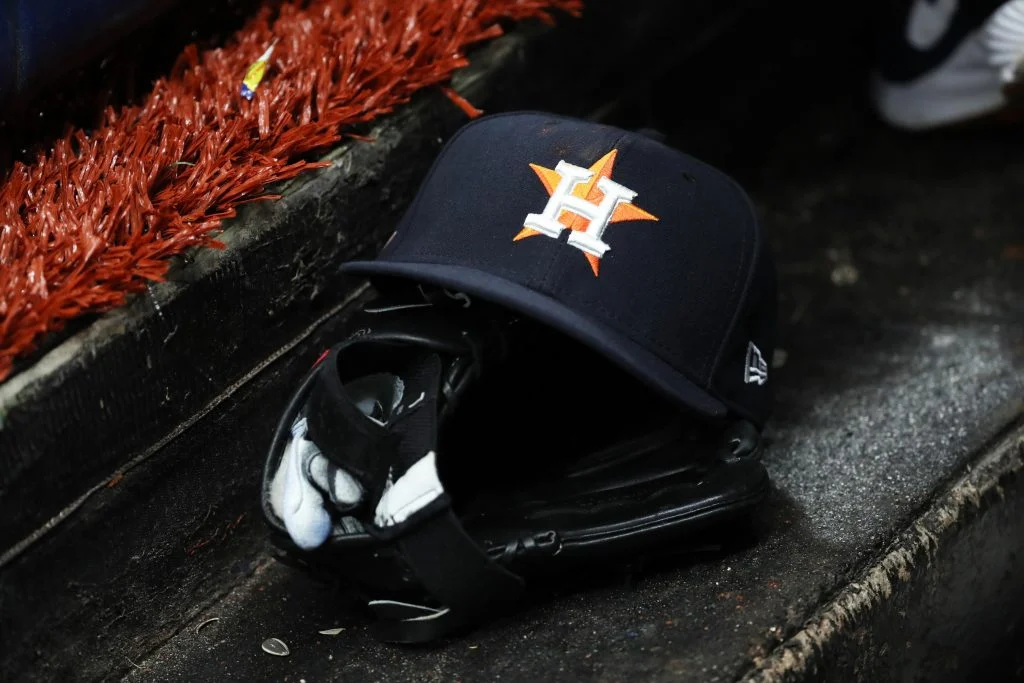
In a significant move aimed at revitalizing their organizational approach to offensive production, the Houston Astros have officially appointed Conner Watson as the club’s new Director of Hitting. The news, first reported by Chandler Rome of The Athletic, signals a strategic shift for the franchise as it navigates a period of profound transition across its front office and coaching staff. Watson arrives in Houston following a successful two-year tenure as the Assistant Director of Hitting Development for the Cleveland Guardians, a role in which he garnered a reputation for blending data-driven analytics with personalized, high-level instruction.
The Main Facts: A New Architect for Houston’s Offense
The appointment of Watson fills a glaring vacancy within the Astros’ organizational chart that had persisted since August. The position was previously held by Dan Hennigan, whose departure for a coaching role at Wake Forest University left the Astros without a centralized leader for their hitting philosophy during the critical final stretch of the 2026 season.
Watson’s mandate in Houston is extensive. As Director of Hitting, he will oversee the implementation of offensive strategies across all levels of the organization, from the rookie leagues in the Dominican Republic to the Major League club at Minute Maid Park. His primary objective is to modernize the Astros’ hitting methodology, ensuring that the developmental pipelines are synchronized with the evolving demands of modern Major League Baseball.
This hire follows closely on the heels of the appointment of Spencer Medick as the Astros’ Director of Pitching earlier this week. With the two primary "silos" of player development now headed by new leadership, the Astros have established a foundational framework for their 2027 competitive identity, even as the search for a new General Manager and a successor to manager Joe Espada remains ongoing.
A Chronology of the 2026 Astros Shakeup
The 2026 season was one of turbulence and evaluation for the Astros, leading to the current state of reorganization. To understand the significance of the Watson hire, one must look at the timeline of the team’s recent operational shifts:
- August 2026: Dan Hennigan, the former Director of Hitting, resigns to accept a collegiate coaching position at Wake Forest. The Astros begin an internal search for his successor.
- Early October 2026: Following a season that failed to meet the lofty expectations of the Jim Crane era, the organization confirms that manager Joe Espada will not return for the 2027 campaign. This announcement triggers a wider house-cleaning effort.
- Mid-October 2026: The front office initiates a comprehensive restructuring of the scouting and player development departments.
- October 22, 2026: The club formally announces the hiring of Spencer Medick as the Director of Pitching, signaling a focus on stabilizing the team’s developmental infrastructure.
- October 25, 2026: The team confirms the hiring of Conner Watson to oversee the hitting department, solidifying the top-tier leadership roles in player development.
Supporting Data: The Pedigree of a Modern Developer
Conner Watson’s ascent through the ranks of professional baseball is rooted in a deep understanding of biomechanics and objective-based hitting instruction. Before his time in Cleveland, Watson spent three highly influential years as a lead instructor at the Arizona branch of Driveline Baseball.
Driveline has long been the epicenter of the "pitching revolution," but under instructors like Watson, the facility has become equally vital for offensive development. Watson was instrumental in integrating Driveline’s high-speed video analysis, force plate data, and bat-sensor metrics into the professional routines of minor and major league hitters. During his stint with the Guardians, Watson was credited with helping develop several young prospects who successfully navigated the transition from the farm system to the big leagues, focusing on bat speed, efficient swing paths, and pitch recognition—areas where the Astros’ major league hitters struggled in 2026.
By bringing in a figure with a "Driveline background," the Astros are explicitly signaling a move toward a more technologically integrated approach. This mirrors the trajectory of other championship-caliber organizations that have prioritized quantifiable improvement in swing mechanics over traditional, subjective coaching methods.
Official Responses and Front Office Dynamics
The hiring process for both Medick and Watson has been unconventional, given the absence of a permanent General Manager to oversee the hires. Historically, a new GM would be granted the autonomy to hand-pick their department heads. However, the Astros’ current structure remains heavily influenced by owner Jim Crane, who has maintained an active, hands-on approach to front-office operations.
Industry insiders suggest that Crane is personally overseeing the construction of this new developmental core, aiming to have the "engines" of the organization—pitching and hitting—ready to function regardless of who fills the GM chair. While some in the baseball operations community have questioned the order of operations, the prevailing sentiment is that these hires are high-caliber acquisitions that would be desirable for any incoming front-office leadership.
"The goal is to provide whoever takes over the GM role with the best possible resources," one league source noted. "Jim Crane isn’t waiting for a resume review to fix the issues that plagued the offense last season. He’s taking the initiative to ensure the underlying development model is modernized."
Implications for the 2027 Season
The implications of Watson’s arrival extend to the current coaching staff. While hitting coach Victor Rodriguez was previously expected to be retained, the hiring of a new Director of Hitting often leads to a re-evaluation of major league coaching duties. Watson will have the autonomy to dictate the philosophical approach for the big-league team, and whether Rodriguez fits into that new vision remains a point of speculation.
H3: Modernizing the "Astros Way"
For years, the Astros were the gold standard for hitting, characterized by disciplined plate appearances and the ability to minimize strikeouts. However, 2026 saw a decline in these metrics, with hitters struggling to adjust to high-velocity, high-spin-rate fastballs. Watson’s challenge is to re-establish that competitive edge. Expect to see a more aggressive implementation of:
- Individualized "Swing Profiles": Using data to tailor training programs to a player’s unique physiological constraints.
- Situational Analytics: Re-focusing on plate discipline in high-leverage counts, an area where the 2026 team faltered.
- Minor League Synergy: A tighter feedback loop between the hitting coaches at the Triple-A level and the major league staff to ensure a seamless transition for call-ups.
H3: A Transition Period for Talent
With the roster likely facing some turnover, Watson’s ability to "unlock" the potential of younger players will be his most vital contribution. The Astros have a crop of talent in the lower levels of the system that needs to be refined if the team is to maintain its status as a perennial contender. Watson’s experience at Driveline suggests he is well-equipped to handle the high-pressure environment of Houston, where the expectation is always to win immediately.
Conclusion
The appointment of Conner Watson is more than just a personnel transaction; it is a declaration of intent. The Houston Astros are acknowledging that the methods that brought them multiple World Series appearances over the last decade are in need of an update. By betting on a young, tech-savvy instructor with a proven track record of developmental success, Jim Crane is positioning the franchise to regain its offensive identity.
As the organization moves toward the winter meetings, the focus will now shift to the high-profile searches for a General Manager and a manager. However, with the foundational roles of Director of Pitching and Director of Hitting now occupied, the Astros have laid the groundwork for a transition that prioritizes long-term sustainability alongside short-term competitive goals. Whether Watson can translate his technical expertise into big-league wins will be one of the most compelling storylines of the 2027 season.

 Nana Wu
 Siti Muinah

 Ammar Sabilarrohman

 Muslim

 Pevita Pearce
 rifanmuazin

 Basiran