
 Asro
Asro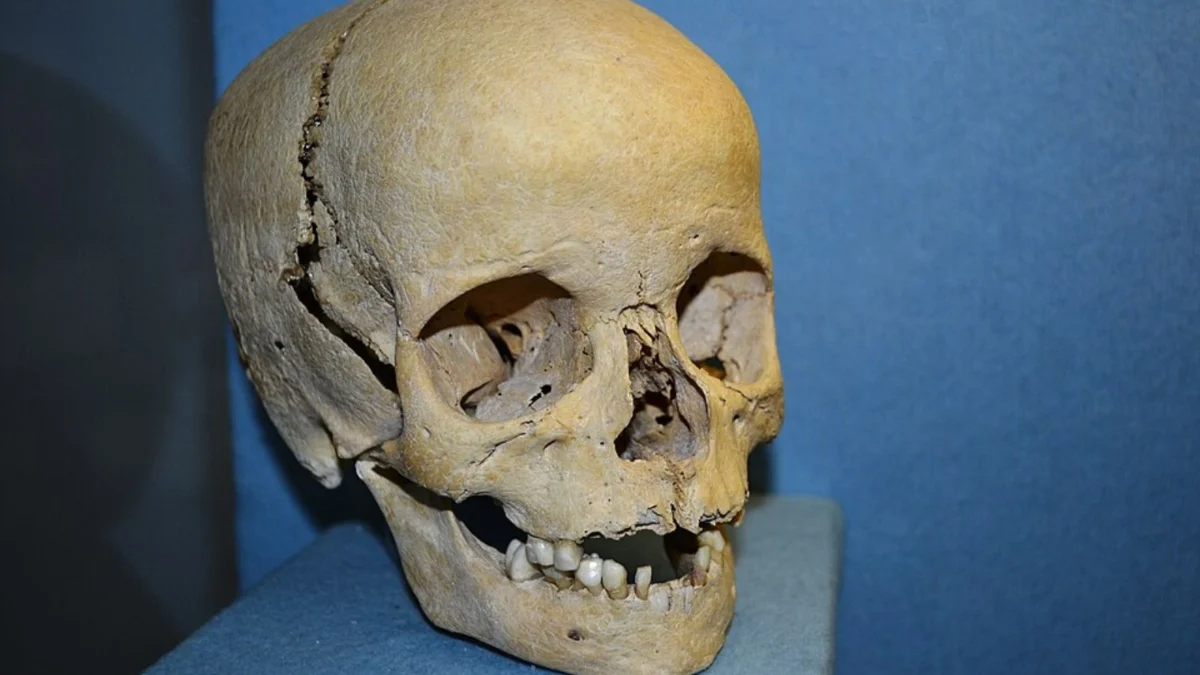
In the rapidly evolving landscape of the creator economy, the traditional "merch drop" has long been a staple of revenue generation. Fans are accustomed to seeing their favorite YouTubers launch limited-edition hoodies, minimalist mugs, and graphic t-shirts. However, the line between brand engagement and bizarre commercialization has been shattered by the YouTuber known as "Horses," who recently sparked a firestorm by listing an “ethically sourced” human skull for sale on his official storefront.
The $3,000 listing, which appeared alongside standard apparel, has moved the conversation regarding creator merchandise from the realm of supply chain logistics to the complex, ethically murky world of the human remains trade. While the product is currently marked as out of stock, the listing has ignited a broader debate about the commodification of human life, the lack of transparency in the "oddities" market, and the responsibilities of internet personalities as they venture into increasingly unconventional business models.
The Listing: A Macabre Departure from Convention
The product page on the Horses official store is stark in its simplicity, providing minimal context for a purchase of such gravity. Listed at a price point of $3,000, the item is described merely as an “ethically sourced” human skull. Unlike a standard consumer good, there are no details regarding the provenance, age, or historical context of the remains.
Potential buyers were informed that each skull is unique, with inherent variations in color, texture, and structural integrity. The site also included standard shipping logistics, noting a three-week processing time. However, the listing carries a significant legal caveat: due to varying state laws regarding the sale and transport of human remains, the item cannot be shipped outside of the United States. Furthermore, sales are prohibited in Tennessee, Georgia, Louisiana, Minnesota, and Florida, where state statutes maintain strict regulations on the trade of human biological material.
The listing’s "out of stock" status has not dampened the controversy; rather, it has shifted the focus toward the implications of such a product being made available to a parasocial audience in the first place.
Chronology of a Viral Backlash
The emergence of the skull on the Horses storefront was initially met with a mixture of confusion and morbid curiosity, but it quickly escalated into a heated discourse on social media.
- Initial Discovery: Within days of the item appearing on the site, eagle-eyed viewers shared screenshots of the product page across various subreddits, most notably r/youtubedrama.
- The Reddit Response: The community reaction was largely characterized by a sense of deep unease. While some users debated the legality of the transaction, the majority of the discourse centered on the morality of a creator using their platform to profit from human remains.
- The Regulatory Realization: As the news spread, observers noted the specific state exclusions, highlighting the patchwork of laws that govern the trade of human remains in the U.S. This sparked a secondary conversation about the "grey market" of anatomical supplies.
- Silence from the Creator: As of this writing, Horses has offered no public statement or clarification regarding his supply chain, the definition of "ethical sourcing" in this context, or why he chose to integrate such a controversial item into his brand portfolio.
The Ethical Quandary of "Ethical Sourcing"
The core of the criticism surrounding the Horses listing lies in the phrase "ethically sourced." In the context of human remains, this term is notoriously difficult to verify.
Historically, the trade of human skeletons for medical and educational purposes has a dark past. Investigations, including long-standing reporting by Reuters, have exposed that the global market for human body parts is often fueled by unregulated brokers. These brokers frequently source remains from individuals who never provided consent, often targeting marginalized communities and vulnerable populations.
Critics argue that when a private seller uses the term "ethically sourced" without providing documentation—such as a chain of custody, a certificate of origin, or evidence of donation—it serves as a marketing veneer rather than a moral guarantee.

“You basically never know now where these bones are coming from,” one Reddit user noted during the recent discourse. This sentiment captures the fundamental anxiety surrounding the hobbyist bone-collecting community. Without institutional oversight, the burden of verification falls entirely on the consumer, a position many feel is irresponsible for a public-facing influencer to place their audience in.
Supporting Data: The Gray Market of Human Remains
The trade of human remains in the United States is, surprisingly, legal in most jurisdictions. While the sale of organs is strictly prohibited under the National Organ Transplant Act of 1984, the sale of "human anatomical specimens" for educational or collection purposes falls into a legal gray area.
According to various legal analyses:
- State Variability: The legality of owning or selling a human skull varies wildly. States like Georgia and Tennessee have specific statutes that prohibit the sale of human remains, whereas other states have virtually no oversight.
- The "Oddities" Economy: The rise of the "oddities" industry—shops that specialize in everything from taxidermy to historical medical artifacts—has mainstreamed the ownership of human bones. However, this growth has far outpaced federal regulation, leaving the industry largely self-policed.
- Verification Challenges: Authentic medical skeletons are becoming increasingly rare and expensive, which drives up the value of human remains on the secondary market. This high demand, combined with low supply, creates a significant incentive for unethical sourcing, including grave robbing or the exploitation of unclaimed bodies from morgues.
Implications for the Creator Economy
The Horses incident is part of a larger, broader trend of "merch fatigue" and "merch escalation" within the YouTuber sphere. Creators are under constant pressure to differentiate their brands, often leading to increasingly bold or bizarre commercial experiments.
Just weeks prior to the skull listing, the content creator Mighty Mike Plays found himself at the center of a different controversy. After accidentally spending $118,000 on an advertising campaign, he attempted to recoup the costs by selling AI-generated t-shirts. The backlash was swift, with viewers criticizing the low-effort nature of the product and the perceived exploitation of his audience’s sympathy.
The common thread between these two incidents is the evolving nature of the relationship between creator and fan. When an influencer sells a t-shirt, it is a transaction of convenience. When an influencer sells a human skull, the transaction becomes a statement of brand identity.
What This Means for Brands and Creators
- The Risks of Parasocial Monetization: Influencers wield immense influence over their fanbases. When they sell products that cross ethical lines, they risk alienating their core audience and inviting intense scrutiny from platforms and advertisers.
- Platform Responsibility: As YouTube and other platforms continue to integrate shopping features directly into their interfaces, they may eventually be forced to reckon with the types of products being sold through their ecosystems.
- Consumer Awareness: The backlash against Horses suggests that, despite the popularity of "dark academia" and oddity collecting, there remains a deep-seated cultural discomfort with the commodification of the dead. Creators who ignore these societal norms do so at their own reputational peril.
Conclusion: The Silence of the Seller
The lack of an official response from Horses is perhaps the most telling aspect of the entire affair. In an era where "transparency" is the watchword of the creator economy, the refusal to explain the origins of such a controversial item only fuels the suspicion that the sourcing is, at best, opaque.
As the lines between personal brand, retail, and morality continue to blur, the Horses case stands as a cautionary tale. It serves as a reminder that the digital storefront is not merely a place of commerce; it is an extension of the creator’s values. By choosing to offer a product that inherently relies on the exploitation of the deceased—or, at the very least, a practice that many find deeply disrespectful—the creator has forced their audience to confront the limits of what they are willing to support in the name of fandom.
For now, the skull remains off the market, and the conversation continues to simmer. Whether this serves as a wake-up call for the creator community to implement higher standards for their merchandise, or merely as a footnote in the history of internet oddities, remains to be seen. What is clear, however, is that the era of "anything goes" for influencer merch is meeting a growing wall of public ethical resistance.


 Iffa Jayyana
 Nana
Nana
 Layla Zulfa
 Nila Kartika Wati
 Nana Wu
 Neng Nana
 Ali Ikhwan