
 rifanmuazin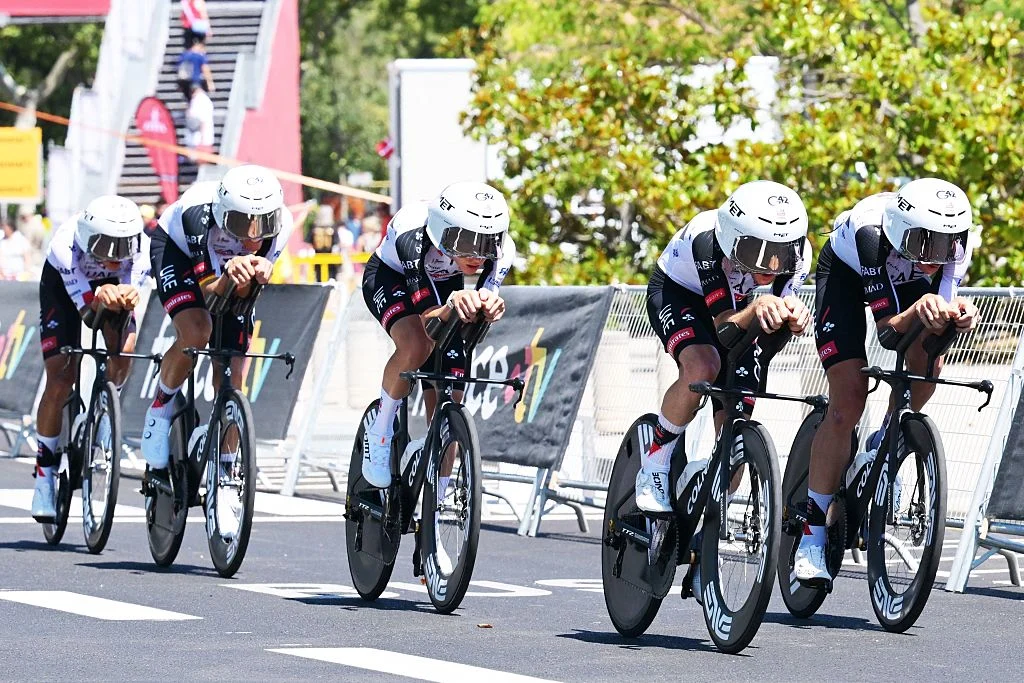
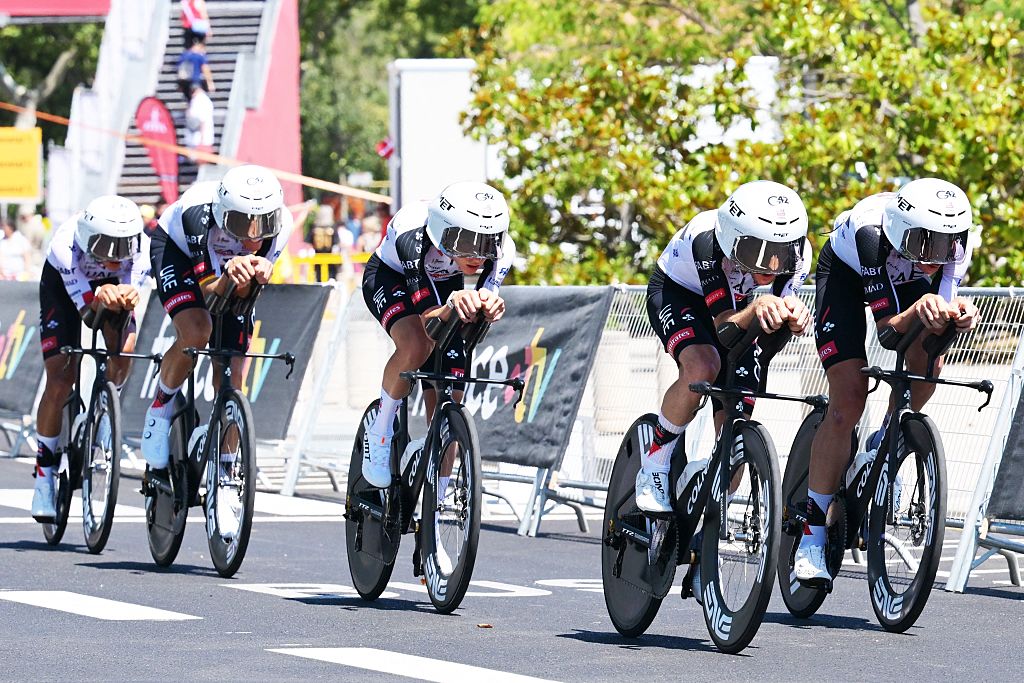
BARCELONA, Spain – The world of professional cycling descended upon the sun-drenched streets of Barcelona on Saturday, July 4, 2026, as the 113th edition of the Tour de France roared to life. In a rare and nostalgic twist, organizers opted to open the world’s most prestigious race with a 19km team time trial (TTT), a format not utilized for the opening stage since 1971. Under brilliant Mediterranean skies, the peloton faced a high-stakes test of unity, precision, and raw power that immediately signaled the beginning of a grueling three-week campaign toward the finish line in Paris.
The Main Facts: A New Chapter Begins
The 2026 Grand Départ in Catalonia has been marked by high anticipation, not only for the tactical nuances of the TTT but for the sheer caliber of the start list. With 19km of technical urban terrain awaiting them, teams were tasked with finding the perfect balance between aerodynamic efficiency and individual physical output.
The event, which serves as the ultimate litmus test for team cohesion, has effectively broken the traditional opening-day rhythm. By forcing squads to operate as a singular, aerodynamic unit, the TTT has created an immediate stratification in the General Classification (GC). Every second gained or lost on the streets of Barcelona will be scrutinized by team directors and analysts, as the hierarchy of the 2026 Tour begins to take shape before the race even hits the mountains.
The Titans’ Duel: Pogačar vs. Vingegaard
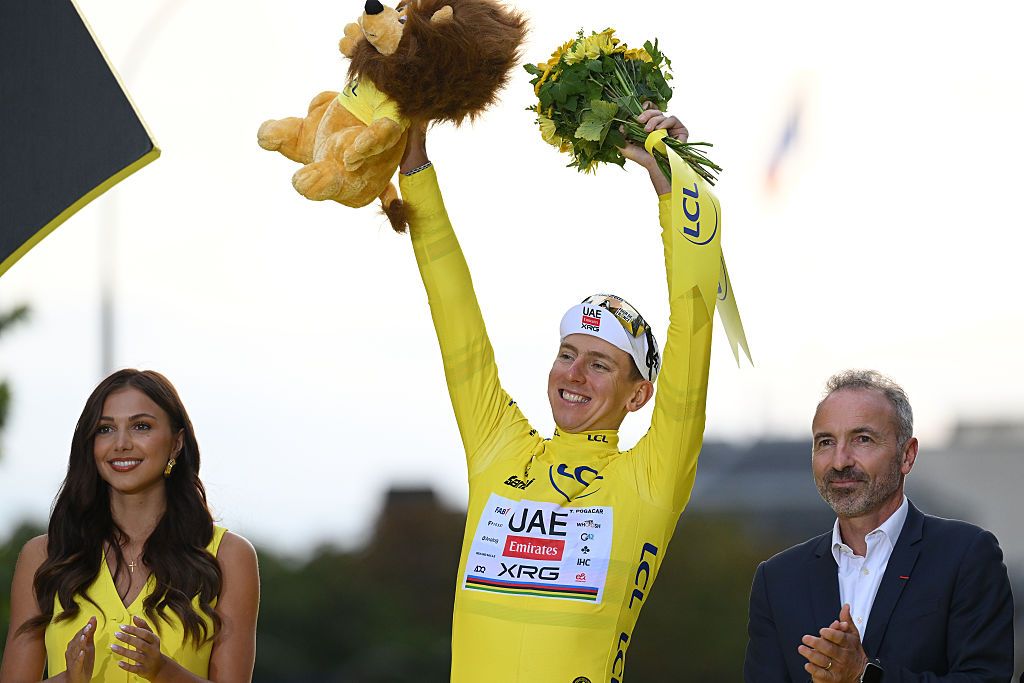
While the collective is the theme of the day, the individual narratives are impossible to ignore. The 2026 Tour is once again defined by the presence of Tadej Pogačar (UAE Team Emirates-XRG), who enters the race with the weight of history on his shoulders. Seeking a record-equalling fifth yellow jersey, the Slovenian superstar has spent months meticulously preparing for this moment. His team was spotted conducting final course recons, emphasizing the tactical obsession required to secure a victory in an era of marginal gains.
However, standing in his way is his perennial antagonist, Jonas Vingegaard. The Danish sensation arrives in Spain having enjoyed what can only be described as a flawless season. After claiming victory at the Giro d’Italia, along with dominant performances at Paris-Nice and the Volta a Catalunya, Vingegaard appears to be in the form of his life. Having successfully toppled Pogačar in the 2022 and 2023 editions of the Tour, Vingegaard enters this year’s contest with the confidence of a rider who has already mastered the season’s primary objectives. This year’s race marks their first direct confrontation of the 2026 calendar, a mouth-watering prospect for fans who have witnessed their rivalry define the sport for half a decade.
A Changing of the Guard: The Rise of Paul Seixas
Perhaps the most intriguing subplot of this year’s Tour is the emergence of 19-year-old French prodigy Paul Seixas. Rarely has a debutant carried the expectations of a nation with such poise. While the Pogačar-Vingegaard duopoly has remained relatively impenetrable, experts suggest that Seixas possesses a rare, generational talent that could potentially disrupt the status quo.
The atmosphere in France has reached a fever pitch, with fans desperate to see if the teenager can truly challenge the titans. Whether he can sustain a competitive pace across three weeks remains the great unknown, but his presence has injected a sense of urgency into the peloton. His performance in today’s TTT will provide the first data point in a journey that many believe will end with him becoming a household name.
Chronology: The Action Unfolds
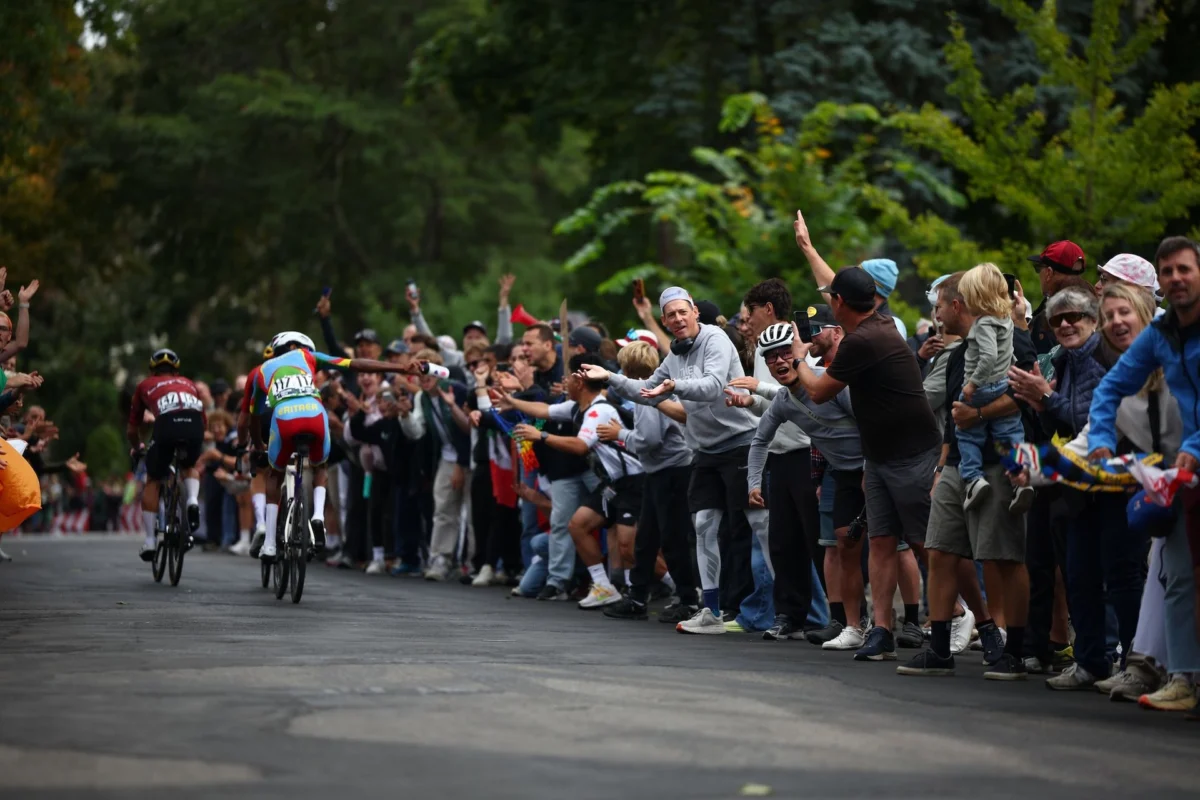
The day began in a state of high-octane anticipation, with the atmosphere in Barcelona vibrating with the energy of thousands of spectators lining the barricades.
- 14:37 UTC: The official announcement of the Grand Départ ignited the proceedings.
- 15:06 UTC: As the temperature climbed under the Spanish sun, the Caja Rural-Seguros RGA team arrived at the start ramp, signaling the beginning of the end of the long build-up.
- 15:07 UTC: The official start flag dropped. Caja Rural-Seguros RGA rolled off the ramp, marking the beginning of the 113th Tour de France. As a wildcard entry, their mission is clear: to make an impact through aggressive racing, centered around the veteran sprinter Fernando Gaviria, who remains a formidable force in a bunch finish.
- 15:12 UTC: The rollout continued with Team Picnic PostNL. Having endured a difficult year marked by a single race win, the team is looking to revitalize its season through the veteran leadership of Warren Barguil and John Degenkolb, supported by the rising speed of Pavel Bittner.
- 18:55 UTC: The day’s proceedings conclude with the departure of the favorites, UAE Team Emirates-XRG, who have been assigned the final start time, carrying the burden of being the team to beat.
Supporting Data: Team Dynamics and Strategy
The 19km course in Barcelona is a technical challenge, featuring sweeping corners and urban obstacles that test the communication of every rider in the paceline. In a TTT, the strategy is as much about psychological fortitude as it is about wattage.
The teams are operating in five-minute intervals, a gap that allows for clear racing but prevents the tactical "cat and mouse" games seen in traditional stages. For wildcard teams like Caja Rural-Seguros RGA, the goal is survival and exposure. For super-teams like UAE Team Emirates-XRG, the goal is total domination. The data collected by power meters today will be compared against previous years’ performances, with team directors looking for any discrepancy in fatigue levels or aerodynamic efficiency that could indicate which squads are truly peaking for the Pyrenees and the Alps.
Official Responses and Tactical Outlook
Team directors have been cautious in their public statements, emphasizing that while the TTT is a critical juncture, it is only the first of 21 stages. "We have planned for this for months," noted a spokesperson for UAE Team Emirates-XRG. "The TTT is a test of the collective, and we are confident in the discipline of our riders."
Meanwhile, the management at Team Picnic PostNL acknowledged the pressure of their current form. "It has been a rough year, but the Tour is a reset button. With the experience of Barguil and Degenkolb, we are looking for a spark to reignite our season."
Implications for the General Classification
The decision to include a TTT at the start of the 2026 Tour has profound implications for the race’s narrative arc. By opening with a collective effort, the organizers have ensured that the GC will not be decided by individual climbing ability alone, but by the strength of the supporting cast.
A team that loses significant time today will find themselves playing a defensive, reactive game for the remainder of the first week. Conversely, those who perform well will have the luxury of controlling the pace, forcing their rivals to spend precious energy attempting to claw back lost seconds. As the riders push their limits on the Barcelona tarmac, they are not just racing for a stage win; they are establishing the power dynamic that will govern the sport until the final ceremonial lap on the Champs-Élysées.
The 2026 Tour de France has begun, and if the intensity of this opening day is any indicator, the next three weeks will be a historic testament to the resilience, strategy, and sheer physical brilliance of the world’s elite cyclists. All eyes remain on the road, where the yellow jersey is not just earned; it is fought for, inch by inch, starting today in the heart of Catalonia.

 Reynand Wu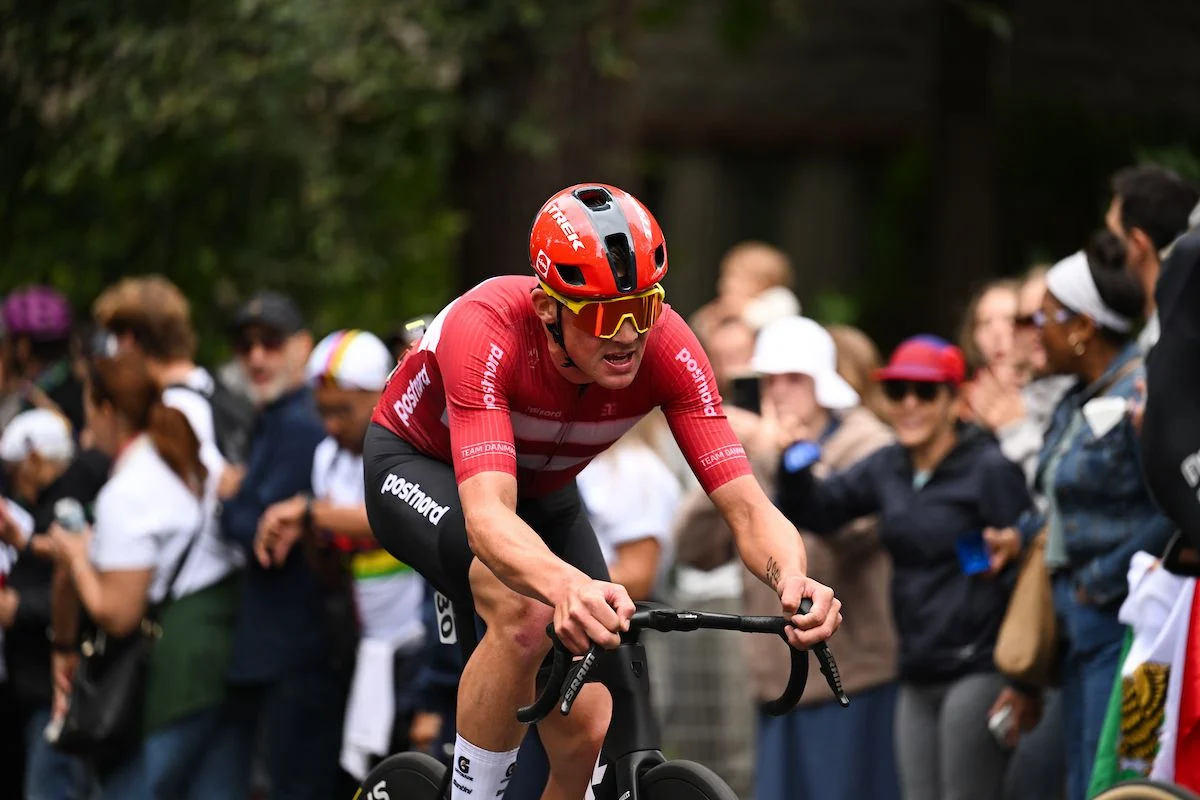
 Nana
Nana
 Neng Nana
 Nana Wu
 Lina Hope
 Sagoh
Sagoh
 Iffa Jayyana