
 Asep Darmawan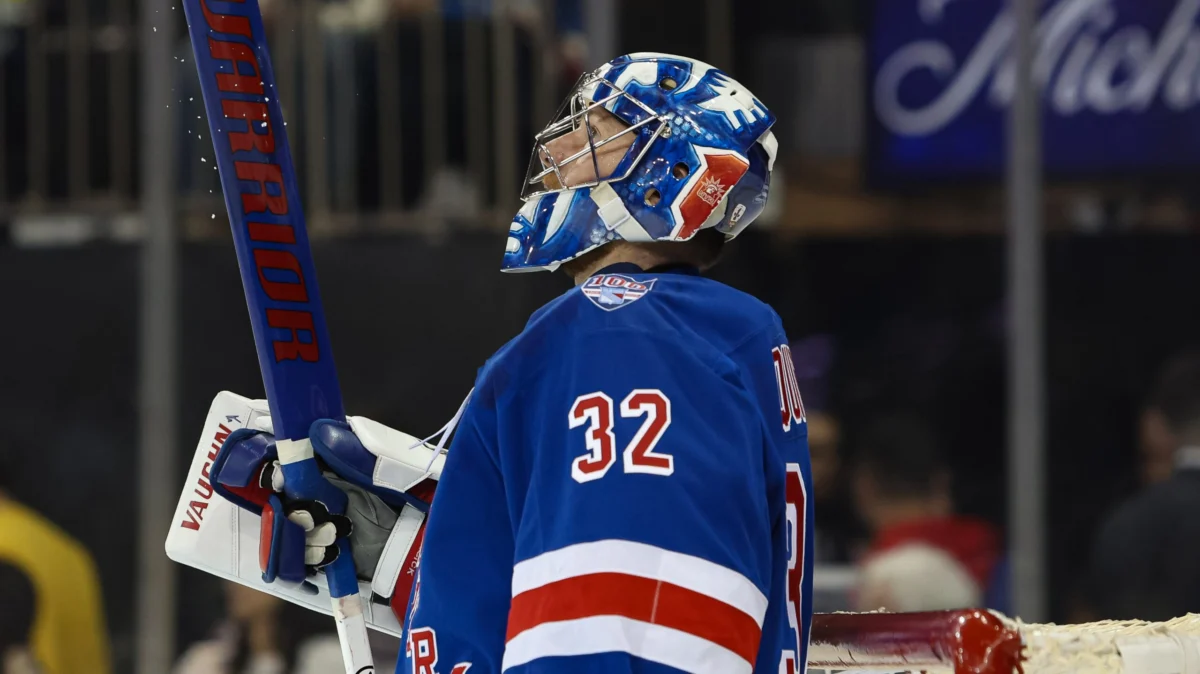
The New York Rangers organization confirmed a significant addition to their hockey operations staff this week, securing the services of a legendary figure in American goaltending. Following his retirement at the conclusion of the 2023-24 season, three-time Stanley Cup champion Jonathan Quick is not straying far from the ice. According to a report by Mollie Walker of the New York Post, the Rangers have officially hired the veteran netminder as their new Director of Goaltending Development.
This appointment signals a strategic shift for the Rangers, who are looking to capitalize on Quick’s unparalleled experience, tactical intelligence, and championship pedigree to cultivate the next generation of crease protectors within the organization.
The Core Mandate: Shaping the Future
Quick’s new role is multifaceted and deeply integrated into the Rangers’ developmental pipeline. As Director of Goaltending Development, he will be tasked with overseeing the progression of goaltenders across the organization’s depth chart. This includes providing high-level mentorship and technical instruction for prospects within the American Hockey League (AHL) affiliate, the Hartford Wolf Pack, as well as scouting and development initiatives for goalies throughout the wider organization.
In this capacity, Quick will report directly to Tanner Glass, the Rangers’ Director of Player Development. The alignment between Quick’s technical mastery and Glass’s overarching development philosophy is expected to create a more cohesive path for Rangers prospects looking to make the leap to the NHL. By placing a future Hall of Famer at the helm of goaltending development, the Rangers are making a clear statement about their commitment to the position that has long been a pillar of their success.
A Legacy of Excellence: A Chronological Retrospective
To understand the gravity of this hire, one must examine the unparalleled career path that led Quick to this office at Madison Square Garden.
The Rise of an American Icon (2005–2011)
Drafted in the third round (72nd overall) by the Los Angeles Kings in the 2005 NHL Entry Draft, Quick was not initially heralded as a generational talent. However, his rise through the minor leagues and his transition to the NHL stage was meteoric. By the time he solidified his spot in Los Angeles, he had developed a unique, aggressive style—defined by his incredible lateral quickness and an uncanny ability to challenge shooters outside the crease.
The Peak of Greatness (2012–2014)
The 2011-12 season remains the high-water mark of Quick’s illustrious career. That year, he recorded a 35-21-13 record with a .929 save percentage and a 1.95 goals-against average. However, it was his performance in the 2012 Stanley Cup Playoffs that cemented his status as the premier "big-game" goaltender of his generation. Posting a 16-4 record with a .946 save percentage and a 1.41 GAA, Quick led the Kings to their first-ever Stanley Cup and was deservedly awarded the Conn Smythe Trophy as the playoff MVP. He would follow this up with a second Stanley Cup victory in 2014, reaffirming his status as a cornerstone of the Kings’ dynasty.
The Twilight and the Transition (2023–2024)
Following a storied 14-plus season tenure in Los Angeles, Quick’s career path took a series of unexpected turns. A trade-deadline deal saw him briefly join the Vegas Golden Knights in 2023, where he secured his third Stanley Cup ring, before he ultimately signed with his childhood team, the New York Rangers. Despite his final season yielding a 6-17-2 record with an .891 save percentage and a 3.09 GAA, his presence in the Rangers’ locker room was viewed as invaluable. His retirement at the end of the 2024 campaign marked the end of an era, but his immediate transition into the front office suggests he still has much to offer the game.
Supporting Data: Why Quick Matters
The hiring of Jonathan Quick is backed by statistical milestones that position him as arguably the greatest American-born goaltender to ever strap on the pads.
- The Wins Leader: With 410 career victories, Quick holds the record for the most wins by an American-born goaltender in NHL history. This statistic is not merely a product of longevity; it is a reflection of his consistent ability to steal games and elevate his play in high-pressure environments.
- Postseason Performance: Quick’s playoff resume is arguably more impressive than his regular-season stats. His ability to elevate his save percentage in the postseason is a trait that the Rangers hope he can instill in their younger prospects.
- The "Quick" Style: His hybrid style—a blend of raw athleticism and refined positioning—has been studied by goaltending coaches across the globe. By having him mentor prospects, the Rangers are providing young netminders with a masterclass in reading the play.
Implications for the Rangers Organization
The hiring of Quick carries several long-term implications for the Rangers’ franchise strategy.
1. Strengthening the Hartford Pipeline
The Hartford Wolf Pack has often served as the proving ground for Rangers prospects. By having Quick directly involved in the development of AHL goaltenders, the Rangers are ensuring that their prospects receive professional-grade coaching that mirrors the demands of the NHL. Quick’s ability to teach the mental fortitude required for the "big stage" will be as important as his technical feedback.
2. Recruitment and Organizational Culture
Having a figure of Quick’s stature in the organization is a significant recruitment tool. Young goaltenders signing with the Rangers organization now have the opportunity to be mentored by a man who has reached the pinnacle of the sport three times. This creates an environment of accountability and high standards that can permeate the entire organization.
3. Tactical Evolution
The position of the NHL goaltender has evolved rapidly in the last decade. While Quick’s own style was heavily reliant on athleticism, his late-career adaptation—learning to manage his energy and rely on deeper technical positioning—provides a blueprint for how young goalies can adjust their games as they age and as the league evolves.
Official Responses and Industry Outlook
While the Rangers have remained measured in their official communications, the reaction from the hockey community has been resoundingly positive. Industry analysts have pointed out that while great players do not always make great coaches, the intelligence and competitive fire that defined Quick’s career are exactly the traits sought after in a Director of Development.
"Jonathan has seen everything the league has to offer," one league scout noted. "From the highest highs of a Conn Smythe run to the challenges of adapting his game in his final years, he understands the psychological and physical journey of an NHL goalie. He is exactly the kind of person you want in the ears of your prospects."
For the Rangers, this hire is an investment in the future. By retaining Quick, they are keeping a piece of history within the organization while simultaneously setting a high bar for their developmental program.
Conclusion: A Legacy Reimagined
Jonathan Quick’s transition from the crease to the front office is the natural next step for one of the most decorated careers in hockey history. As he begins his tenure as the Director of Goaltending Development, the focus shifts from his own save percentages to the development of those who will follow in his footsteps.
For the New York Rangers, this is more than just a staff hire; it is a strategic maneuver designed to secure the organization’s goaltending future for the next decade. With the Milford, Connecticut native now officially on board, the Rangers are signaling that the standard of excellence established during his playing days is the same standard they expect for their future stars. The ice may be different, but the goal remains the same: championship-level performance.

 Siti Muinah
 Asro
Asro
 Neng Nana
 Nana Wu
 Lina Hope
 Sagoh
Sagoh
 Iffa Jayyana