
 Suro Senen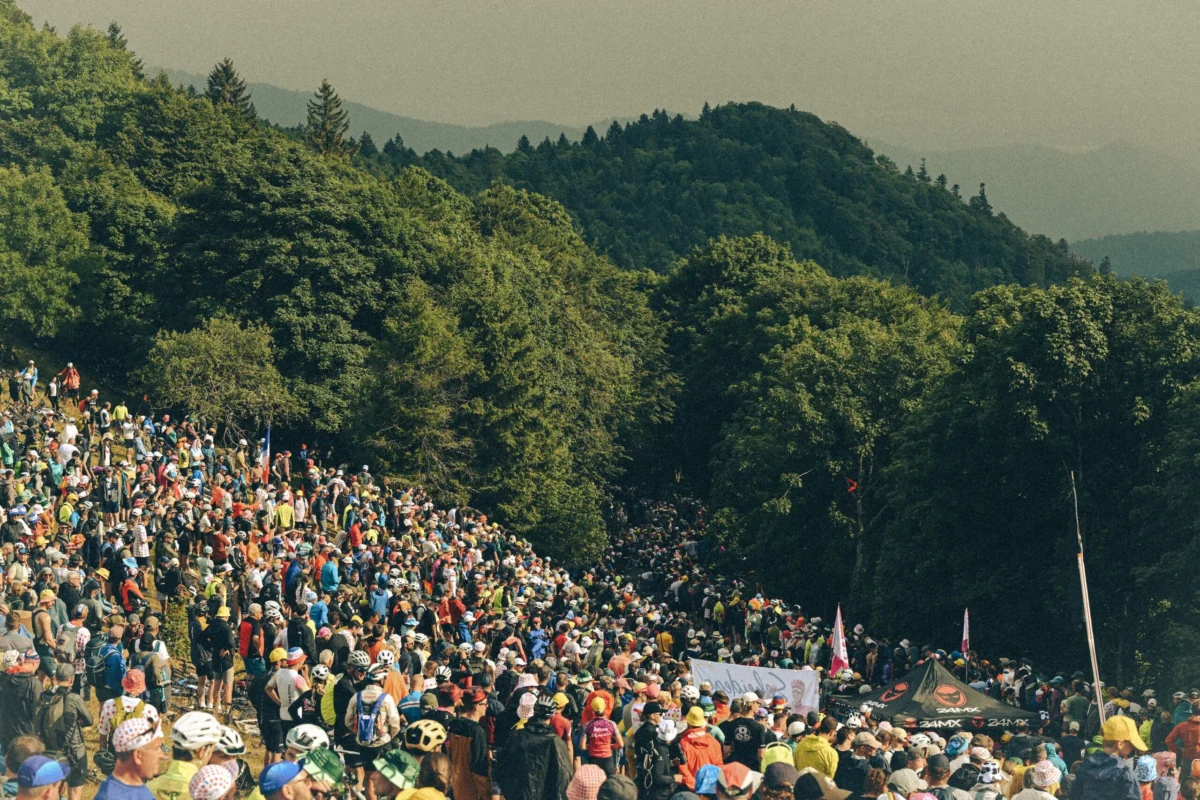
The iconic 21 hairpins of Alpe d’Huez are synonymous with the apotheosis of cycling greatness. They are the stage where legends are cemented and dreams are realized. For Colombian climber Einer Rubio, however, the legendary ascent became the site of a devastating conclusion to his 2024 Tour de France campaign.
In a harrowing incident that has reignited the perennial debate surrounding race safety and the chaotic proximity of vehicles to peloton riders, Rubio’s race ended not with a final summit sprint, but with a collision that left him hospitalized and facing surgery. As he descended the metal steps of the medical truck, battered, bandaged, and struggling to hydrate, the stark contrast between the celebratory atmosphere of the climb and the grim reality of his injuries served as a sobering reminder of the inherent dangers lurking within the professional peloton.
The Incident: A Sudden Stop on the Slopes
The sequence of events leading to the crash occurred during the final, most grueling sectors of the climb. As the riders navigated the dense, fervent crowds—a hallmark of the Alpe d’Huez stage—the race environment became volatile. According to initial reports and eyewitness accounts, a spectator unexpectedly encroached onto the road, forcing a UAE Team Emirates support vehicle to initiate an emergency stop.
Rubio, who was riding in close proximity to the team car, had little to no reaction time. The physics of the crash were instantaneous: a high-speed bike slamming into the rear of a stationary vehicle. The impact was significant enough to shatter the rear windscreen of the car, with Rubio sustaining facial injuries and trauma that required immediate medical intervention. The Colombian rider was helped away from the wreckage, clearly disoriented and suffering from significant swelling and lacerations to his face.
Chronology of a Fallen Dream
The Lead-Up
The day had been marked by the usual fervor associated with the Alpe. Riders were fighting for position, managing their wattage outputs against the heat and the sheer gradient of the ascent. Rubio, a formidable climber, had been looking to influence the stage result, positioning himself strategically within the lead group.
The Impact
As the race entered a narrow section of the road—an area already congested with fans—a spectator’s stumble forced the UAE Team Emirates car to brake abruptly. The deceleration was immediate. Following riders, including Rubio, were caught in a "accordion effect," where the sudden stopping of a front vehicle ripples backward, often leaving trailing riders with no escape route. Rubio struck the rear of the vehicle with full force.
The Immediate Aftermath
Race officials and medical staff were on the scene within seconds. The severity of the collision was evident as Rubio was stabilized on the road. The decision to withdraw him from the race was immediate, prioritizing his long-term health over the competitive aspirations of the stage.
The Descent and Hospitalization
After initial treatment in the race medical truck, Rubio was transferred to an ambulance. He was transported to the hospital in Grenoble, located in the valley below the Alpe. Medical staff confirmed that while his injuries were not life-threatening, they were severe enough to necessitate minor surgery and a recovery period that would preclude him from consuming solid food for the immediate future.
Safety Concerns and the "Vehicle Density" Problem
The incident has placed the spotlight squarely back on the role of team vehicles within the race caravan. While team cars are essential for providing mechanical support, nutrition, and tactical guidance, the recent years have seen an increase in incidents involving support vehicles and riders.
The Spectator Factor
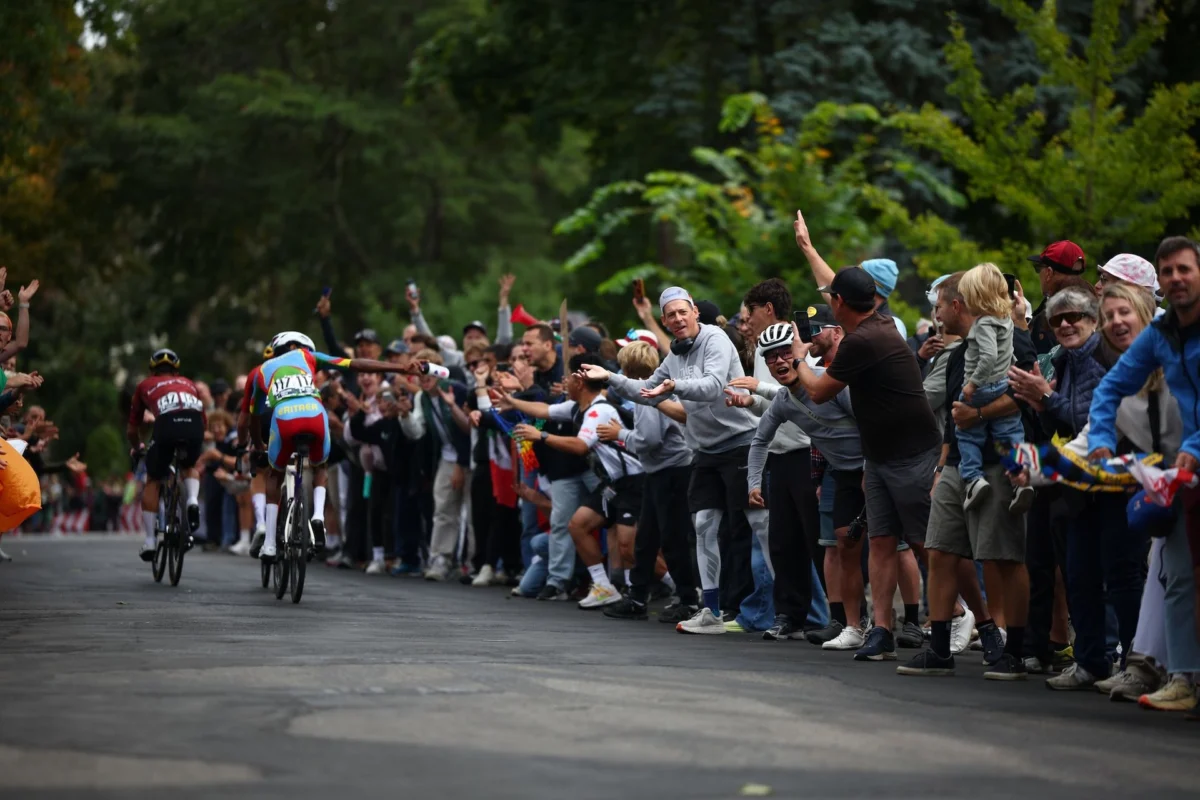
The primary catalyst in this instance was a spectator entering the roadway. This highlights a persistent issue in road cycling: the lack of physical barriers on legendary climbs. While the "festival atmosphere" is what makes the Tour de France unique, the proximity of fans to riders—sometimes mere inches away—creates a high-risk environment.
Protocol and Driver Response
Questions are being raised regarding the following distance between team cars and riders. While protocols exist, the pressure to provide immediate support often leads drivers to follow closely behind the group. When a sudden, unforeseen obstacle occurs, the reaction time of the driver becomes the critical safety factor.
Official Responses and Team Statements
In the wake of the incident, both the race organizers and the involved teams issued statements. UAE Team Emirates, while not at fault for the spectator’s movement, expressed deep regret over the accident.
“The safety of all riders is paramount,” the team stated. “We are currently reviewing the telemetry and the circumstances surrounding the braking incident. Our thoughts are with Einer and his team as he begins his recovery.”
The UCI (Union Cycliste Internationale) has also signaled an internal review of the stage’s safety management. Traditionally, the UCI relies on localized race organizers to manage crowd control, but there is mounting pressure for a more standardized approach to barrier placement on iconic, high-density climbs.
The Physiological and Tactical Implications
For Einer Rubio, the implications are immediate and career-altering.
Medical Prognosis
The facial trauma sustained by Rubio is particularly concerning. Beyond the immediate need for surgery, the recovery period for facial fractures and lacerations involves complex physiological challenges, particularly concerning nutrition. The inability to consume solid food complicates his caloric intake, which is essential for any professional athlete’s recovery.
The Impact on His Team
Rubio’s absence leaves his team at a tactical disadvantage for the remainder of the Tour. His role as a mountain lieutenant and a potential stage winner meant that his teammates now have to reorganize their entire strategy for the high-mountain stages that remain. The loss of a key climber in the final week of the Tour is a blow that can ripple through the general classification standings.
Looking Forward: Can the Tour be Safer?
The crash of Einer Rubio is a microcosm of a broader, more existential question for the sport of professional cycling: How can the Tour de France maintain its legendary intimacy while protecting the riders from the inherent dangers of the road?
Infrastructure Changes
There have been calls for the introduction of permanent barriers on the most notorious climbs during the final kilometers. While this would inevitably change the "character" of the race, proponents argue that the speed and technical nature of modern cycling demand a higher standard of protection.
Digital Safety Measures
The use of technology to warn riders of obstacles ahead has been proposed. If the team car had an automated alert system, or if race radio could relay information about spectators in real-time more effectively, perhaps the braking could have been less sudden.
A Culture of Respect
Ultimately, the incident serves as a poignant plea to the cycling community. The relationship between the fan and the rider is the soul of the Tour, but that relationship is predicated on the fans’ responsibility to provide the riders with a safe corridor of passage. When that responsibility is neglected, the cost is paid by the athletes in the form of blood, broken bones, and shattered ambitions.
Conclusion
As the peloton moves on from Alpe d’Huez, the image of Einer Rubio—battered and struggling to drink from a water bottle—remains a haunting symbol of the fragility of the sport. His Tour de France is over, but the conversation his crash has sparked is only just beginning. The sport must now reconcile the demands of its spectacle with the fundamental right of its athletes to compete in a environment that does not, quite literally, crash into them.
For now, the focus remains on the hospital in Grenoble, where a talented Colombian climber begins the slow process of healing, his mind likely already on the road he was forced to leave behind, waiting for the day he can once again tackle the mountains that define his life.

 Reynand Wu
 Nana
Nana
 Neng Nana
 Nana Wu
 Lina Hope
 Sagoh
Sagoh
 Iffa Jayyana