
 Suro Senen
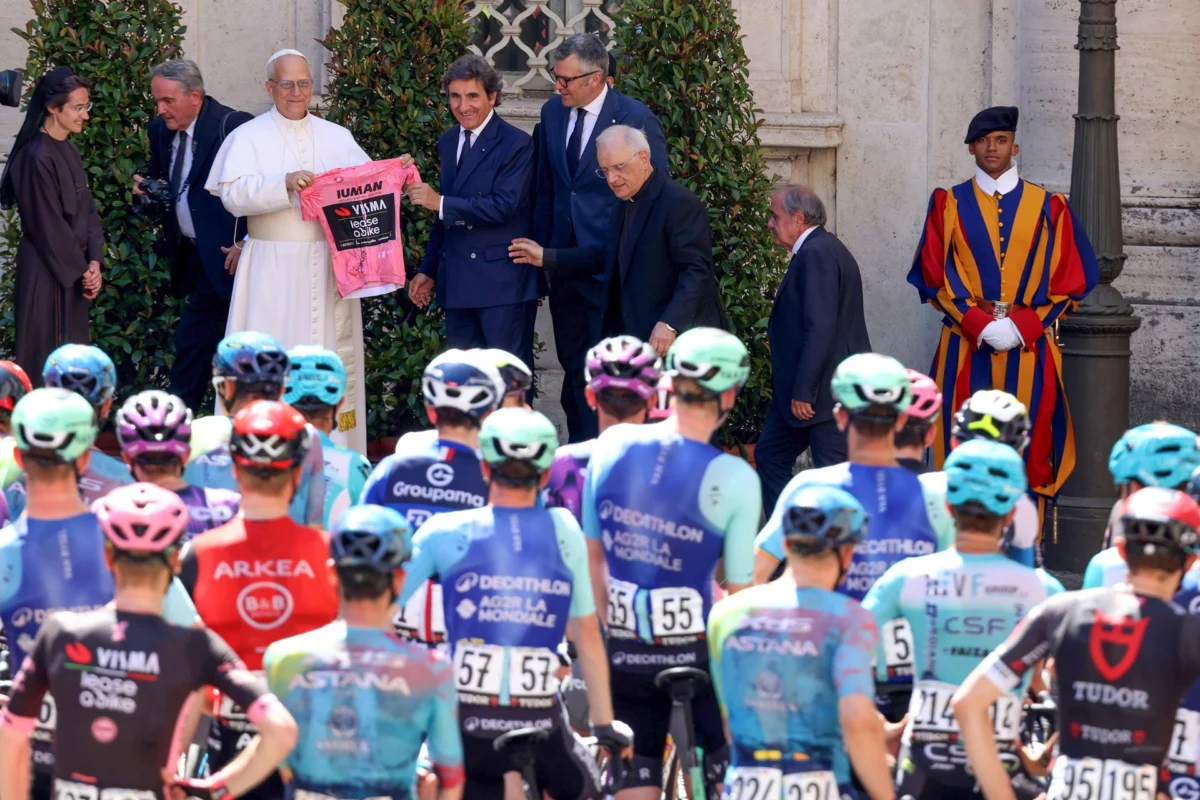
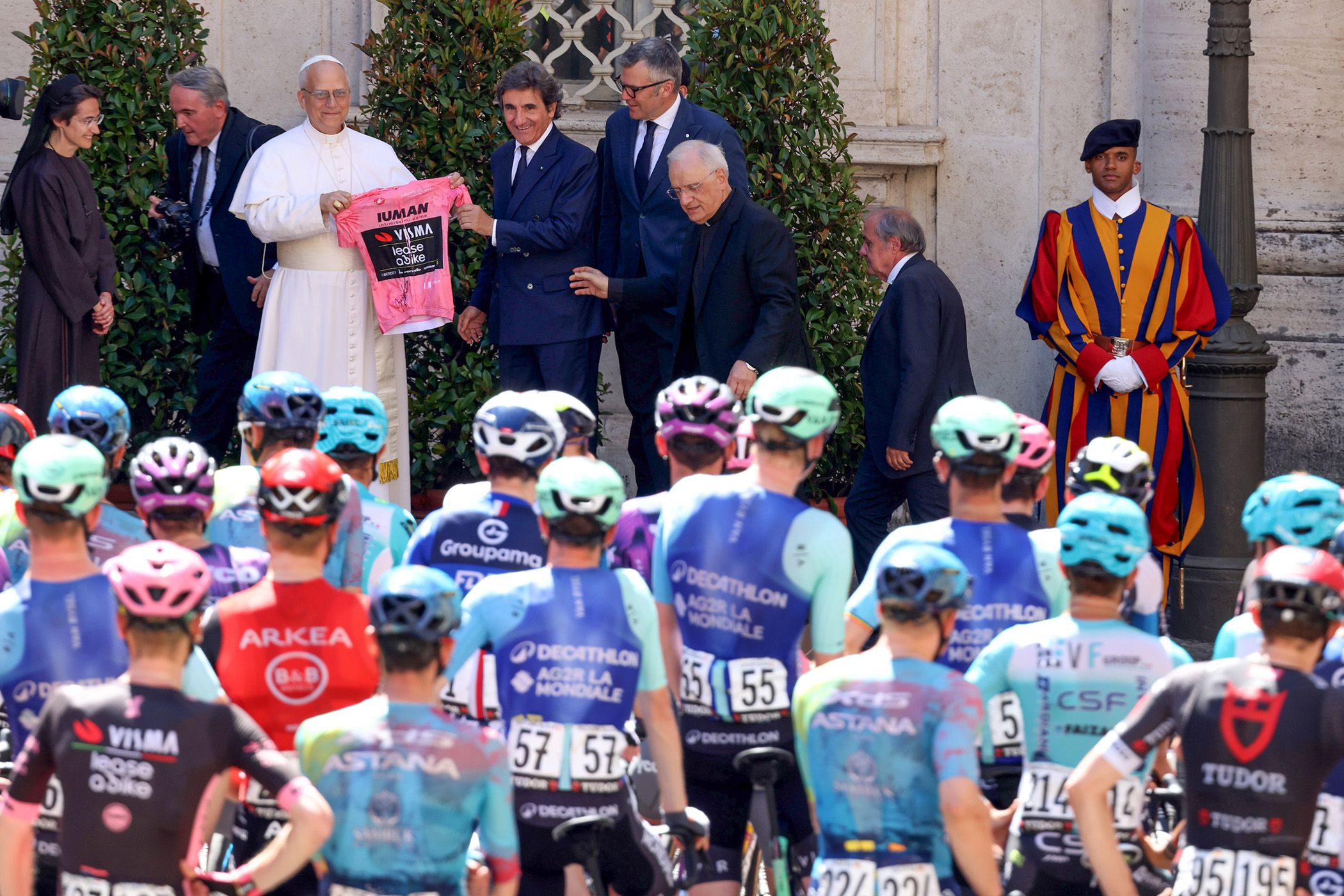
VATICAN CITY — In a momentous convergence of faith, global diplomacy, and elite athletics, a high-profile delegation representing the absolute pinnacle of professional cycling is set to travel to Vatican City. Stars of the peloton, past and present, alongside the highest authorities in international cycling governance, will be received in a special audience by Pope Leo XIV.
Scheduled for November 23, the gathering transcends mere ceremonial protocol. Organizers, sports administrators, and athletes alike are framing the summit as a powerful reaffirmation of cycling’s unique capacity to bridge cultural divides, foster international solidarity, and serve as a universal vehicle for peace.
Main Facts: A Convergence of the Peloton and the Papacy
The upcoming delegation reads as a veritable "Who’s Who" of the cycling universe, bridging generations of athletic excellence. Among those confirmed to make the pilgrimage to the heart of the Roman Catholic Church are modern superstars, rising prodigies, and undisputed legends of the sport.
- The Attendees: The guest list features contemporary women’s cycling powerhouse Demi Vollering, Belgian legendary icon and multi-time Grand Tour champion Eddy Merckx, and teenage French phenom Paul Seixas.
- The Leadership: Union Cycliste Internationale (UCI) President David Lappartient will lead the delegation, underscoring the official institutional backing of the Vatican engagement.
- The Date: The official audience is locked in for November 23 at the Vatican.
- The Core Message: The central theme of the summit is the use of sport—specifically cycling—as a diplomatic instrument to promote global peace, mutual understanding, and intercultural dialogue.
For a sport whose competitive arena is literally the open roads, cobblestones, and mountain passes of local communities worldwide, the Vatican audience offers a rare moment of philosophical reflection on why humanity races.
Chronology: How the Historic Meeting Came Together
While papal audiences with sports teams and individual athletes are not entirely unprecedented—historically, popes have frequently blessed football squads, Olympic delegations, and individual cyclists—the scale and curated composition of this upcoming November 23 gathering mark a distinct milestone for modern professional cycling.
The Genesis of the Initiative
Discussions between the UCI leadership and Vatican representatives began earlier this year, catalyzed by a growing global desire within sports federations to leverage large-scale athletic events for social good. With geopolitical tensions casting shadows across various parts of the globe, sports organizations have increasingly sought platforms that emphasize human unity over national or political division.
Securing the Peloton’s Royalty
As the initiative gained traction, the UCI reached out to key stakeholders across the generations of cycling. Inviting Eddy Merckx—widely regarded as the greatest cyclist of all time—ensured historical gravity and deep respect for the sport’s heritage. Simultaneously, the inclusion of contemporary superstar Demi Vollering and young prodigy Paul Seixas symbolizes the dynamic present and vibrant future of professional cycling, ensuring that both men’s and women’s pelotons are powerfully represented at the highest levels of global discourse.
Final Preparations
With the date officially set for November 23, logistics are currently being finalized for the delegation to arrive in Rome. The athletes and officials will not only attend the public or semi-private audience but are also expected to participate in preparatory briefings regarding the broader cultural mission of the sport.
Supporting Data: Cycling’s Global Reach and Cultural Footprint
To understand why the Vatican is welcoming cycling’s elite, one must examine the sport’s unparalleled structural integration into global society. Unlike stadium-contained sports, cycling operates entirely within the public sphere, making it uniquely accessible and culturally pervasive.
| Metric / Indicator | Context within Professional Cycling |
|---|---|
| Global Audience | Major events like the Tour de France and Giro d’Italia draw cumulative television audiences numbering in the billions across more than 190 countries. |
| Geographic Diversity | The UCI WorldTour spans multiple continents, incorporating cultures, languages, and landscapes from Europe to the Americas, Asia, and Oceania. |
| Grassroots Accessibility | As both a competitive sport and a daily commuter mode of transportation, cycling impacts human lives at a socioeconomic level matched by few other athletic disciplines. |
| Environmental Alignment | With an increasing global focus on sustainability, cycling stands out as a zero-emission mode of transport, heavily aligning with modern encyclicals on environmental stewardship (such as Laudato si’). |
These data points illustrate that cycling is far more than a weekend pastime or commercial entertainment enterprise; it is a global social fabric. The Vatican’s engagement recognizes this deep-seated connection to everyday human life.
Official Responses: Leaders Voice the Spirit of the Summit
The announcement of the papal audience has elicited profound reactions from the leaders of cycling governance and the athletic community.
UCI President David Lappartient, who has consistently championed the social and diplomatic responsibilities of sports federations, did not hide the significance of the upcoming event. Speaking on the motivations behind the November 23 gathering, Lappartient remarked:
"This upcoming audience with Pope Leo XIV is an extraordinary opportunity to strengthen cycling’s commitment, as a sport, to promoting peace and intercultural dialogue among peoples. Cycling is unique because our arena is the world itself—we cross borders, connect diverse communities, and bring people together on the roadside. To have the Vatican recognize and support this mission is a tremendous honor for the entire global cycling community."
Athletes, too, have expressed a deep sense of humility and responsibility regarding the invitation. For veterans like Eddy Merckx, whose career defined an era of international sports diplomacy through athletic dominance, the meeting represents a capstone to a life lived on two wheels. Meanwhile, for modern icons like Demi Vollering, the platform provides an invaluable chance to highlight the unity and shared values of the women’s and men’s pelotons on a global stage.
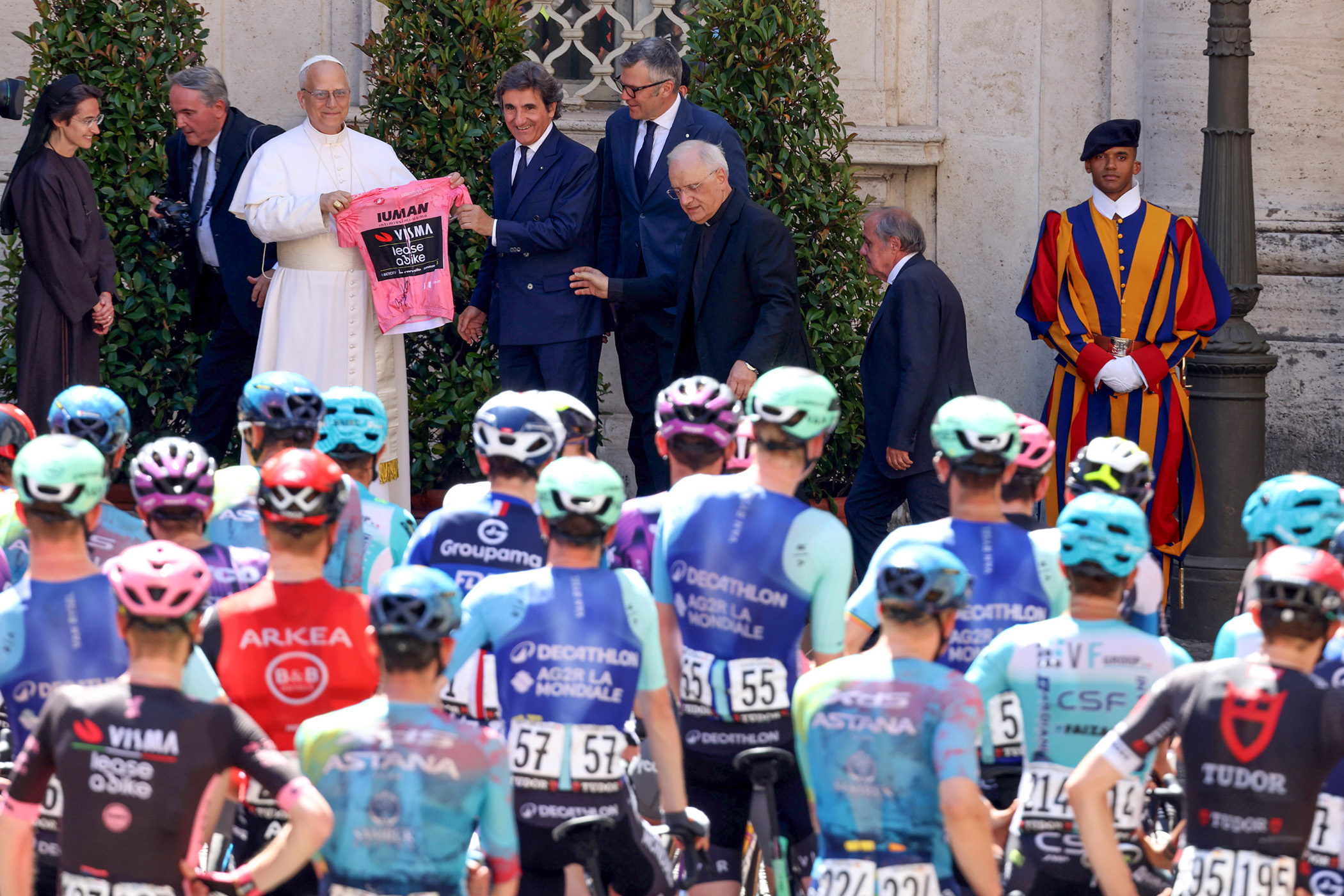
While specific details of the Pope’s address to the riders remain tightly under wraps, Vatican insiders suggest that the pontiff intends to emphasize the values of perseverance, collective endurance, and the metaphor of the journey—themes that resonate deeply with both Catholic spiritual life and the grueling realities of professional bicycle racing.
Implications: What This Means for the Future of Cycling
The summit at the Vatican carries long-term implications that extend far beyond a memorable photo opportunity or a brief respite in the racing calendar. It signals a strategic shift in how cycling positions itself within global culture.
1. Elevating Cycling’s Diplomatic Soft Power
By stepping inside the Vatican walls alongside the head of the Catholic Church, cycling leadership is actively asserting the sport’s role as an ambassador of peace. In an era where international sporting events are frequently marred by political boycotts or nationalistic friction, aligning with a universally recognized moral authority helps insulate the sport’s core mission: bringing people together through shared athletic passion.
2. Deepening the Commitment to Social Causes
The presence of figures like Demi Vollering and Paul Seixas—representing both the pinnacle of modern success and the emerging future—underscores a generational continuity in social consciousness. Modern athletes are increasingly expected to use their platforms for advocacy. This meeting provides a powerful mandate for riders to champion environmental sustainability, community health, and international solidarity.
3. Strengthening Institutional Ties Beyond Traditional Borders
For the UCI, securing high-level international recognition outside the traditional domains of sports politics (such as the International Olympic Committee) broadens its institutional legitimacy. It places cycling on a cultural pedestal alongside major global humanitarian movements, reinforcing the notion that the bicycle is a tool for human dignity, liberation, and connection.
As the global cycling community turns its eyes toward Vatican City this coming November 23, the message is clear: whether navigating the brutal mountain passes of the Alps or the historic streets of Rome, the bicycle remains a powerful symbol of humanity moving forward together.

 Nana Muazin

 Ali Ikhwan
 Raul Delapena Setiawan
 Dwi Wanna

 Nana Wu

 Evan Lee Salim
 Laily UPN